
To capture stunning drone aerial shots in 2025, you need to focus on mastering your equipment, understanding the environment, and utilizing creative techniques. The art of aerial photography has evolved significantly, and with the right approach, you can elevate your images and videos to a professional level. This article will provide you with ten essential tips that will ensure breathtaking results every time you fly, allowing you to harness the full potential of your drone.
Understand Your Drone’s Capabilities
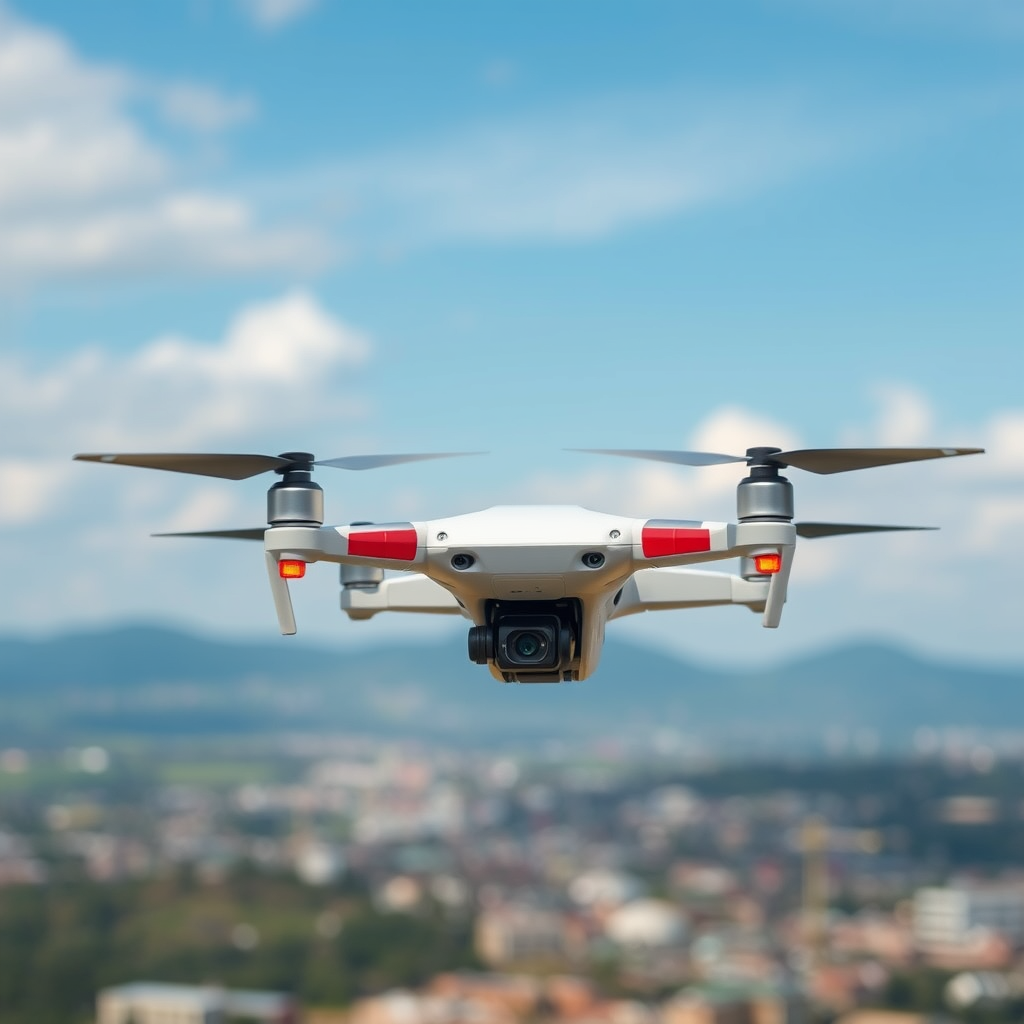
Before you take to the skies, it is crucial to familiarize yourself with your drone’s specifications. Each model offers unique features, such as camera settings, flight range, and gimbal stabilization, which can affect the quality of your shots. Spend time reading the user manual and experimenting with different settings to see how they influence your photography.
Understanding the various flight modes your drone offers can also enhance your aerial shots. For instance, many drones come equipped with intelligent flight modes, such as Follow Me or Waypoint Navigation, which allow for automated movements that can create smoother and more dynamic footage. By mastering these capabilities, you can ensure that you are well-prepared to capture stunning visuals.
Choose the Right Time of Day
Timing plays a pivotal role in the quality of your aerial shots. The “golden hour,” which occurs shortly after sunrise and just before sunset, provides soft, diffused lighting that enhances colors and reduces harsh shadows. During this time, landscapes appear more vibrant, and the textures become more pronounced, making it an ideal time for photography.
Moreover, don’t overlook the impact of weather conditions on your shots. Overcast days can produce even lighting, which is particularly beneficial for landscape photography, as it minimizes harsh contrasts and reveals more detail in the shadows. Watching the weather forecast and planning your flights accordingly can significantly enhance the quality of your images.
Master Composition Techniques
Composition is a fundamental aspect of photography that can transform an ordinary shot into a captivating one. Applying the rule of thirds is an effective strategy; by positioning your subject off-center, you create a more balanced and dynamic image. This technique encourages viewers to explore the entire frame rather than focusing solely on the subject.
In addition to the rule of thirds, experiment with leading lines and framing techniques to guide the viewer’s eye towards your main subject. For example, if you’re photographing a winding river or a road from above, use these natural lines to create depth and perspective in your shots. Creative composition can make your aerial photography not only visually appealing but also more engaging for your audience.
Utilize Advanced Camera Settings
To achieve optimal exposure and clarity in your aerial shots, it’s essential to understand and adjust your camera settings. Start by adjusting the ISO, which determines the camera’s sensitivity to light. A lower ISO will yield cleaner images, while a higher ISO can be beneficial in low-light situations, though it may introduce noise.
Shutter speed is another critical setting; a faster shutter speed can freeze motion, which is particularly useful when capturing moving subjects or fast-moving landscapes. Additionally, playing with aperture settings can help control the depth of field, allowing you to create stunning bokeh effects or keep more of the scene in focus, depending on your creative vision.
Experimenting with different resolutions and formats can also provide various effects. For instance, shooting in RAW format allows for greater flexibility in post-processing, enabling you to fine-tune details and achieve your desired look.
Plan Your Flight Path
Effective planning can make a significant difference in the quality of your aerial shots. Scouting locations ahead of time allows you to identify the best angles and viewpoints for capturing your subject. Utilize tools such as Google Earth or local mapping applications to visualize potential shots and confirm the availability of safe flying conditions.
Incorporating waypoints and pre-programmed routes can further enhance your shooting experience. Many modern drones allow you to set waypoints for automated flight paths, ensuring smooth, cinematic movements as you capture your footage. This not only saves time but also helps achieve consistent results, especially when you aim for specific cinematic effects.
Incorporate Movement and Angles
Adding movement to your shots can significantly enhance their depth and interest. Instead of shooting static images, consider incorporating dynamic movements, such as ascending, descending, or orbiting your subject. These actions can add a three-dimensional aspect to your footage, making it feel more immersive for viewers.
Regularly changing altitude and angle while shooting can also provide varied perspectives that enrich your visual storytelling. For example, capturing a landscape from above can showcase its grandeur, while a lower angle can highlight intricate details. By mixing up your movements and angles, you can create a diverse collection of shots that keep your audience engaged.
Edit Your Footage Thoughtfully
Post-processing is an essential phase in the aerial photography workflow that allows you to refine your images and footage. Utilizing advanced video editing software can help you enhance colors, stabilize shaky footage, and create a cohesive narrative from your shots. Familiarize yourself with tools like Adobe Premiere Pro or Final Cut Pro, which offer a wide range of editing functionalities.
When editing, consider using LUTs (Look-Up Tables) for consistent color grading across your shots. LUTs can help establish a specific mood or style, making your footage look more professional and polished. Additionally, pay attention to transitions and pacing, as these elements contribute to the overall storytelling and viewer experience.
By approaching your editing with intention and creativity, you can transform your raw footage into stunning visual narratives that resonate with your audience.
In summary, by following these ten essential tips for capturing stunning drone aerial shots in 2025, you can significantly improve your aerial photography and videography skills. Understanding your equipment, planning your shots, and utilizing creative techniques will not only enhance the quality of your images but also elevate your overall storytelling. Start implementing these tips today, and take your drone photography to new heights!
Frequently Asked Questions
What are the essential settings to adjust for stunning drone aerial shots in 2025?
To achieve breathtaking aerial shots, it is crucial to adjust your drone’s camera settings. Start with setting the ISO to a low value, typically around 100 to minimize noise. Use a shutter speed that is at least double your frame rate to ensure smooth motion capture, and consider using a higher aperture (like f/5.6) for greater depth of field, which helps keep more of your scene in focus. Experimenting with these settings will allow for more dynamic and visually appealing photos.
How can I plan the best flight paths for capturing aerial shots?
Planning your flight path is essential for capturing stunning drone aerial shots. Use mapping apps or drone flight planning software to identify interesting landscapes, landmarks, or events you want to photograph. Consider the time of day for optimal lighting, and take note of wind conditions that may affect stability. Pre-planning your route also helps avoid restricted airspace and ensures a smoother flight experience, resulting in better images.
Why is lighting important for drone photography and how can I utilize it effectively?
Lighting is a critical factor in photography, and drone aerial shots are no exception. The golden hour, which occurs shortly after sunrise and before sunset, provides soft, warm light that enhances colors and reduces harsh shadows. To utilize lighting effectively, always be aware of the sun’s position and try to shoot at angles that illuminate your subject without creating excessive glare, maximizing the visual impact of your aerial photography.
What are the best drones for capturing high-quality aerial shots in 2025?
In 2025, several drones stand out for their aerial photography capabilities. The DJI Mavic 3 and the Autel Evo Lite+ are among the top choices, offering high-resolution cameras, excellent stability, and advanced features like obstacle avoidance. When selecting a drone, consider factors such as camera quality, flight time, and ease of use, as these will significantly impact your ability to capture stunning aerial shots.
Which composition techniques should I use to enhance my drone aerial photography?
Effective composition can make a significant difference in your drone aerial shots. Utilize the rule of thirds by positioning key elements along imaginary grid lines to create balanced and engaging images. Incorporate leading lines, such as roads or rivers, to draw the viewer’s eye through the photograph. Additionally, experimenting with different altitudes and angles can provide unique perspectives and enhance the overall appeal of your aerial compositions.
References
- https://www.wired.com/story/drone-photography-tips/
- https://www.nationalgeographic.com/photography/photo-tips/drone-photography-tips/
- https://www.abc.net.au/education/life-skills/10-tips-for-drone-photography/13370876
- https://www.sciencedirect.com/science/article/pii/S2352864816300221
- https://www.techradar.com/how-to/how-to-take-amazing-drone-photos-and-videos
- https://www.psu.edu/news/health/story/photography-tips-capturing-stunning-drone-aerial-shots/
- https://www.bbc.com/news/technology-54225245
