

UAS stands for Unmanned Aircraft System. It encompasses not just the drone but also ground control stations and communication links that enable its operation. UAS are critical in various fields like agriculture, surveillance, and emergency response. They allow for autonomous or remote-controlled flight, enhancing efficiency and safety in potentially hazardous environments. If you explore further, you’ll uncover more detailed insights about UAS components, regulatory frameworks, and their applications across different industries.
What Is a UAS?

A UAS, or Unmanned Aircraft System, refers to a complex integration of components designed for flight without a human pilot onboard. You’ll find UAS applications spanning various fields, including agriculture, surveillance, and disaster response. These systems enhance operational efficiency, allowing for real-time data collection and analysis, which is essential in decision-making processes. The UAS benefits are significant; they reduce human risk in hazardous environments and can access remote locations with ease. In addition, their ability to operate autonomously or through remote control gives you unprecedented flexibility. As you explore UAS technologies, consider how they empower diverse industries, driving innovation and contributing to a more efficient, data-driven world. Embracing these systems can liberate your approach to problem-solving and resource management. Additionally, UAS can leverage real-time monitoring to optimize operations and identify inefficiencies in various applications.
Key Components of a UAS

Understanding the key components of a UAS is essential for effective operation and application. You’ll find that the flight control system, payload, and sensors play fundamental roles in ensuring stability, functionality, and data acquisition. Each component interacts to enhance the overall performance and capabilities of the UAS. Additionally, high-resolution sensors contribute significantly to clear, real-time data monitoring, which is crucial for effective surveillance operations. Moreover, the integration of multiple sensors allows for comprehensive environmental data collection, enhancing the UAS’s ability to provide valuable insights.
Flight Control System
At the heart of any Unmanned Aircraft System (UAS) lies the flight control system, a critical component that guarantees stability and maneuverability during flight. This system is essential for effective autonomous navigation and maintaining stability control. It processes data from various sensors and executes commands to ensure the drone performs as intended.
Key components of the flight control system include:
- Gyroscopes for measuring orientation
- Accelerometers to assess acceleration
- GPS modules for location tracking
- Autopilot software for automated flight paths
- Communication links to relay information
Understanding these components allows you to appreciate how a UAS achieves smooth navigation and resilient performance, giving you the freedom to explore the skies.
Payload and Sensors
Payload and sensors are integral to a UAS’s functionality, enabling it to perform a variety of tasks beyond simple flight. Understanding your UAS’s payload capacity is essential, as it determines what you can carry, from cameras to delivery packages. Various sensor types enhance data collection: optical cameras capture high-resolution images, thermal sensors detect heat signatures, and LiDAR provides topographical mapping. Each sensor type serves specific applications, whether for agricultural monitoring, search and rescue, or infrastructure inspection. By optimizing payload capacity and selecting appropriate sensor types, you can maximize your UAS’s potential. This synergy between payload and sensors not only enhances operational efficiency but also empowers you to explore new possibilities in aerial technology.
UAS vs. Drone: Understanding the Differences
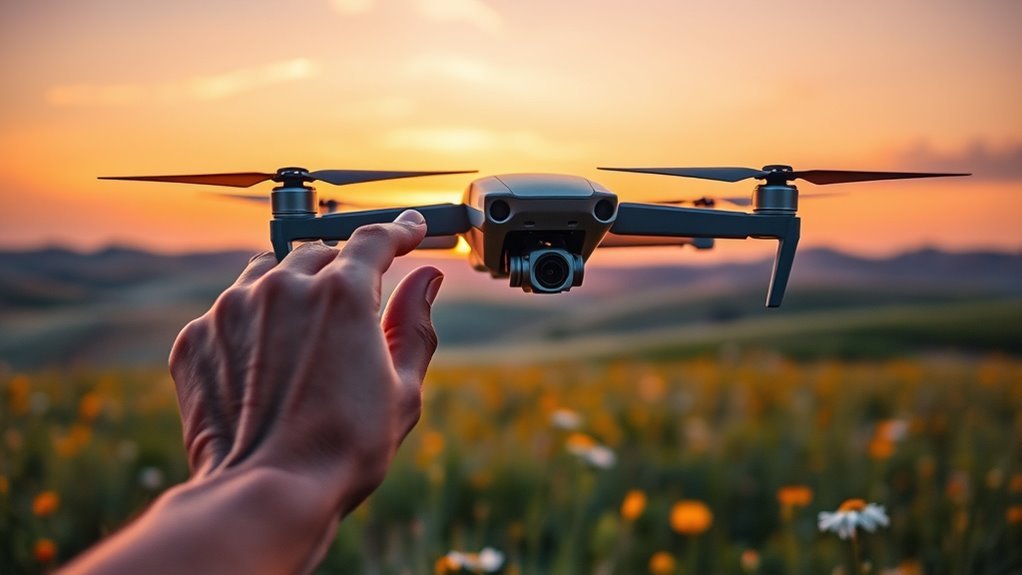
When you compare UAS and drones, it’s essential to understand their distinct definitions and terminology. UAS, or Unmanned Aircraft Systems, encompass not just the aerial vehicle but also its control systems and associated components, while “drone” often refers solely to the aircraft itself. Additionally, regulatory considerations and specific applications can vary considerably between the two, impacting how you might use them in different contexts. Understanding drone regulations in Connecticut is crucial for compliance and safe operation.
Definitions and Terminology
Drones and Unmanned Aircraft Systems (UAS) are often used interchangeably, but understanding their differences is essential in the domain of aviation technology. UAS terminology encompasses a broad spectrum of terms, and it’s vital to grasp the nuances. Here’s how they differ:
- UAS: A complete system including the drone, ground control, and communication links.
- Drone: The flying component of a UAS.
- UAS Classification: Categories based on size, weight, and purpose, such as commercial, recreational, and military.
- Autonomy Levels: Ranges from fully autonomous to manual control.
- Regulatory Framework: UAS often require adherence to specific regulations, unlike recreational drones.
Understanding these distinctions helps in steering through the evolving landscape of aerial technology.
Regulatory Considerations and Applications
While understanding the regulatory landscape is essential for both UAS and drones, recognizing the distinctions between them can greatly impact compliance and operational effectiveness. UAS typically face more stringent regulatory challenges due to their potential for complex operations and commercial use. For instance, commercial UAS applications in agriculture require adherence to specific Federal Aviation Administration (FAA) guidelines, while hobbyist drones may only need basic registration. Understanding these differences helps you navigate legal requirements effectively. In sectors like surveillance or delivery, the regulatory framework is often evolving, underscoring the importance of staying informed. By grasping the nuances in regulations, you can optimize your operational strategy and mitigate compliance risks, ensuring that your UAS applications align with legal standards while maximizing potential benefits.
The Role of UAS in Various Industries
As industries increasingly adopt Unmanned Aircraft Systems (UAS), their applications are transforming operational efficiencies across diverse sectors. You’ll notice significant industry benefits, particularly in:
- Agriculture impacts: UAS helps in precision farming, optimizing crop health and yields. The integration of UAS with advanced monitoring allows for proactive detection of pest threats and disease management.
- Emergency services: Rapid deployment for search and rescue operations enhances response times.
- Environmental monitoring: UAS can track wildlife, assess deforestation, and monitor pollution levels effectively.
- Infrastructure inspection: Drones inspect bridges, power lines, and pipelines safely and efficiently.
- Delivery systems: UAS offers innovative solutions for last-mile delivery, reducing transit times.
These UAS applications not only streamline processes but also empower you to make data-driven decisions, enhancing productivity and sustainability across various industries. Furthermore, the integration of UAS with multispectral cameras allows for advanced monitoring of crop health and environmental conditions, further supporting decision-making processes.
Regulatory Framework Surrounding UAS
Understanding the regulatory framework surrounding Unmanned Aircraft Systems (UAS) is essential for ensuring safe and compliant operations in various applications. You need to familiarize yourself with the legal frameworks governing UAS usage, which vary by region and purpose. Regulatory compliance is vital; it dictates how you can operate drones for commercial, recreational, or governmental purposes. Key regulations often include airspace restrictions, licensing requirements, and operational guidelines. Additionally, federal laws regulate drone use to guarantee safety and privacy in national airspace. Staying informed about these regulations not only protects public safety but also enhances your operational freedom. Furthermore, as technology evolves, so do regulations, making it imperative to regularly review updates from aviation authorities. Ultimately, traversing this landscape enables you to maximize the benefits of UAS while adhering to necessary legal standards. Furthermore, understanding the tension between regulation and innovation is crucial for navigating the challenges faced by companies like Amazon in their drone delivery efforts.
The Future of UAS Technology
The regulatory landscape you navigate today sets the stage for the future of Unmanned Aircraft Systems (UAS) technology. As advancements unfold, you’ll witness the integration of autonomous systems reshaping industries. These technologies promise to enhance efficiency, safety, and versatility in various sectors.
- Delivery Services: Drones will revolutionize logistics, enabling rapid package delivery.
- Agriculture: Autonomous systems will optimize crop monitoring and pesticide application, such as through the use of multispectral sensors for detecting crop health. Additionally, precision planting techniques will ensure that resources are utilized effectively to maximize yield.
- Search and Rescue: Drones will enhance emergency response capabilities in critical situations.
- Infrastructure Inspection: UAS will streamline inspections of bridges, power lines, and buildings.
- Urban Air Mobility: Future applications might include passenger drones for urban transportation.
Embracing these innovations could lead to unprecedented opportunities and freedoms within the aerospace domain.
Frequently Asked Questions
How Do I Choose the Right UAS for My Needs?
To choose the right UAS for your needs, evaluate UAS types based on your specific applications. Consider essential UAS features like payload capacity, flight time, and range to guarantee peak performance and versatility for your usage.
What Are the Common Applications of UAS in Agriculture?
You might find UAS is revolutionizing agriculture through crop monitoring and precision agriculture. By leveraging aerial imagery and data analytics, you can enhance yields, optimize resources, and ultimately gain more freedom in managing your farm effectively.
Can UAS Be Used for Emergency Response Situations?
Yes, UAS can greatly enhance emergency response situations. Their drone capabilities allow for rapid assessment and delivery of emergency logistics, enabling responders to efficiently manage resources and reach affected areas swiftly, improving overall response effectiveness.
What Are the Maintenance Requirements for a UAS?
Maintaining a UAS is like tending a garden; regular inspections guarantee everything flourishes. You’ll need to check components, software, and batteries frequently. Consistent UAS maintenance keeps your aerial craft soaring smoothly and safely.
How Do Weather Conditions Affect UAS Performance?
Weather conditions greatly impact UAS performance. High winds increase wind resistance, making control difficult. Additionally, extreme temperatures can affect battery efficiency and sensor accuracy, potentially compromising operational effectiveness and limiting the freedom you seek in flight.
