
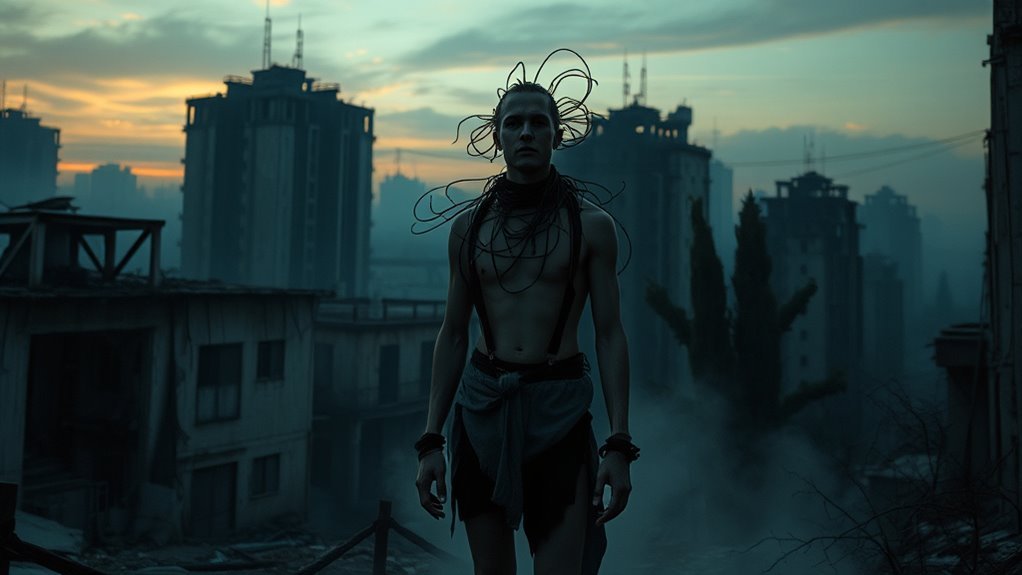
Uzi became a “zombie drone” through the overwhelming pressures of fame and the intense scrutiny of social media. You see, constant comparisons and the need for validation led her to lose touch with her authentic self. This struggle manifests in her art, where themes of identity and control collide. As she navigates this world, the line between individuality and societal expectations blurs, inviting deeper questions about freedom and constraint. Explore further to uncover the layers of her transformation.
The Rise of Uzi: Early Influences and Breakthrough

Although Uzi’s rise to fame might seem sudden, it’s essential to understand the early influences that shaped this iconic figure. From the pulsating beats of trap to the emotional depth of emo rap, Uzi’s musical influences are diverse, reflecting a chaotic world that resonates with many. His breakthrough moments—whether it’s a viral track or a powerful collaboration—demonstrate his ability to merge genres, creating a distinctive sound that’s both relatable and revolutionary. You can see how these influences not only shaped his artistry but also aligned with a generation craving authenticity. Uzi’s journey exemplifies the power of embracing eclectic sounds, allowing him to emerge as a unique voice in a crowded landscape, challenging norms and redefining what it means to be an artist today.
The Role of Social Media in Shaping Identity
As social media continues to dominate our daily lives, it’s impossible to ignore its profound impact on personal identity, especially among younger generations. You’re not just curating a feed; you’re engaging in identity formation, constantly steering through social perception. Your online persona can feel more authentic than your real-life self, leading to complexities in self-awareness.
Consider the following aspects:
- The pressure to conform to idealized images
- The influence of likes and shares on self-worth
- The blending of personal and public life
- The role of online communities in shaping beliefs
- The potential for both empowerment and alienation
In this digital age, your identity is a fluid construct, molded by the very platforms that promise connection yet often deepen isolation.
Artistic Expression and the Concept of the Zombie Drone
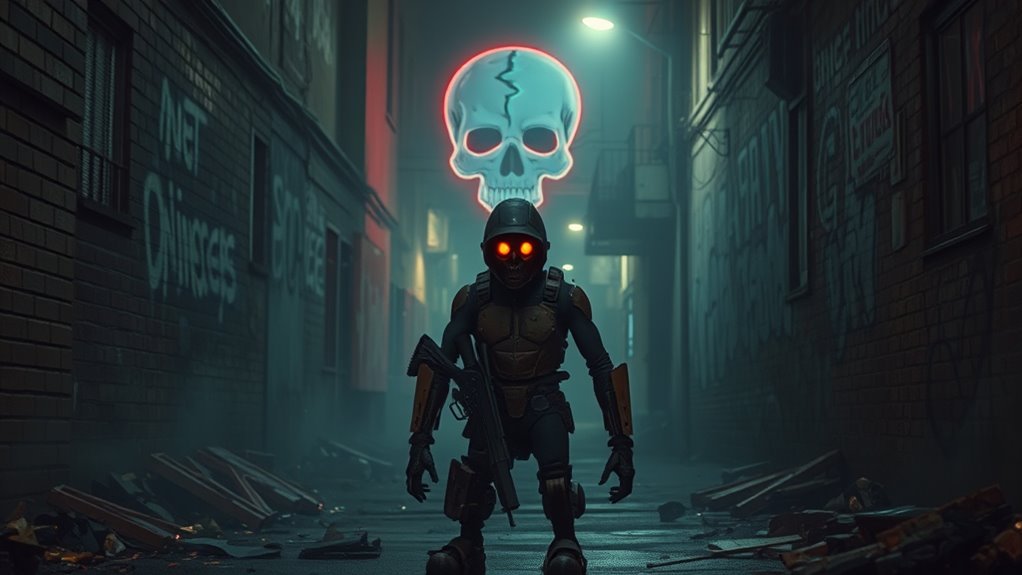
When you consider the portrayal of zombies in art, it’s fascinating how this figure reflects our anxieties about autonomy and control, especially in the age of drones. The zombie drone concept blurs the line between mindless obedience and the mechanization of human experience, raising questions about our cultural values. Are we crafting a narrative that critiques our reliance on technology, or are we merely reinforcing the idea of human subjugation to machines?
Artistic Interpretation of Zombies
Zombies have long served as a fascinating canvas for artistic expression, morphing into symbols that reflect societal fears and existential dilemmas. Their evolution into zombie drones amplifies this symbolism, merging the grotesque with the mechanical. You’ll find this fusion challenging yet intriguing, as it invites you to explore deeper meanings behind zombie aesthetics. Consider the following aspects:
- Exploration of Control: Zombies as drones highlight societal manipulation.
- Loss of Identity: The drone aspect underscores the erasure of individuality.
- Fear of Technology: A cautionary tale of humanity’s reliance on machines.
- Existential Reflection: They provoke thoughts on what it means to be alive.
- Artistic Symbolism: A blend of horror and beauty challenges conventional perceptions.
This interplay invites you to question the world around you.
Cultural Impact of Drones
While the rise of drone technology has transformed warfare and surveillance, its artistic interpretation as a “zombie drone” captures a profound cultural phenomenon. This concept symbolizes the mindless automation of killing, reflecting societal fears about losing agency in the face of technological advancement. The juxtaposition of drones and zombies highlights our anxieties about the future of warfare and the erosion of human connection.
| Aspect | Drone Warfare | Cultural Symbolism |
|---|---|---|
| Agency | Dehumanized decision-making | Loss of individual autonomy |
| Impact | Remote destruction | Moral dissonance |
| Representation | Modern warfare | Fear of mindless conformity |
| Future Perspective | Endless conflict | Questions of freedom |
As these “zombie drones” proliferate, they provoke critical reflection on our humanity amidst the encroaching technological landscape.
The Impact of Fame on Uzi’s Personal Life
As fame skyrockets, it often brings with it a dual-edged sword that can deeply affect an artist’s personal life. For Uzi, the pressure of fame has led to significant personal struggles, reshaping his relationships and mental health. You might find it intriguing to reflect on how this impact manifests:
- Constant scrutiny from fans and media
- Isolation from close friends and family
- Difficulty maintaining authenticity in creative expression
- Anxiety stemming from public expectations
- Challenges in managing wealth and lifestyle changes
Navigating this tumultuous terrain, Uzi’s journey highlights how fame can distort one’s reality, forcing artists to confront their vulnerabilities while battling the relentless fame pressure that often feels like a relentless drone buzzing overhead.
Cultural Commentary: The Zombie Drone as a Metaphor
Fame’s relentless pressure can render artists like Uzi feeling like mere shadows of their former selves, akin to the concept of a “zombie drone.” This metaphor captures the essence of being caught in a cycle of expectation and performance, where one’s identity becomes a hollow shell, driven by external demands rather than intrinsic motivations. The zombie symbolism here illustrates a loss of agency; Uzi, amid the drone culture that idolizes conformity, risks becoming a mere automaton, performing without passion. This state of existence challenges your perception of artistic authenticity, as creators grapple with the dichotomy between societal expectations and personal freedom. In recognizing this struggle, you can better appreciate the deeper narratives woven into Uzi’s music and persona.
Fan Reactions and the Evolution of Uzi’s Persona
As you observe Uzi’s evolution, it’s fascinating to see how initial fan speculation ignited a firestorm of theories about her character development. What started as playful interpretations has morphed into a complex narrative, inviting deeper analysis of her role within the community. How do these shifting perceptions reflect broader trends in fandom and character engagement?
Initial Fan Speculation
While fans enthusiastically dissected Uzi’s evolution as a character, initial speculation revealed a fascinating blend of excitement and skepticism. This early discourse laid the groundwork for understanding audience perceptions and the intricate web of fan theories surrounding Uzi’s transformation into a zombie drone. You might’ve noticed some common themes emerging:
- Emotional Conflict: How does Uzi reconcile her past with her new identity?
- Symbolism of Zombies: What does becoming a drone signify?
- Possible Betrayals: Are there hidden agendas at play?
- Diversity in Reactions: Different fan bases interpreted her change variably.
- Narrative Implications: What does this mean for future storylines?
These insights encapsulate a powerful moment in fandom, where speculation drove deeper engagement, shaping Uzi’s persona in unexpected ways.
Character Development Changes
Although fans initially grappled with Uzi’s transformation into a zombie drone, their reactions have since evolved, revealing a complex tapestry of emotions and insights. You might’ve found that Uzi’s character transformation embodies a profound narrative evolution, challenging preconceived notions of identity and agency. As viewers, you’ve witnessed Uzi morph from a relatable figure into a symbol of struggle against external control. This shift has sparked discussions around autonomy and the consequences of dehumanization. Fans now appreciate the layers of Uzi’s persona—her defiance against her circumstances resonates deeply. The evolution not only enriches Uzi’s character but also invites you to reflect on broader themes of freedom and individuality, making her journey all the more compelling and relatable.
Community Theories Explored
Despite initial resistance, the community’s theories surrounding Uzi’s transformation into a zombie drone have sparked a rich dialogue that reveals the depth of her character. As you explore these fan theories, consider how they illuminate her motivations and evolution:
- Uzi’s longing for freedom vs. her constraints as a drone
- The impact of friendship and betrayal on her psyche
- The symbolism of zombification as a loss of identity
- Speculations on her potential redemption arc
- The role of external influences shaping her decisions
These theories not only showcase the complexity of Uzi’s persona but also invite you to reflect on the broader themes of control and autonomy. Engaging with these ideas, you can appreciate the layered storytelling that makes Uzi’s journey so compelling.
Frequently Asked Questions
What Specific Events Led to Uzi’s Transformation Into a Zombie Drone Persona?
Imagine a storm brewing—Uzi’s transformation unfolded through pivotal moments of betrayal and despair. Each event chipped away at his humanity, leaving only echoes of his once vibrant self, now a haunting drone in a desolate landscape.
How Does Uzi’s Zombie Drone Image Compare to Other Artists?
Uzi’s zombie drone image reflects a unique artistic evolution, intertwining cultural influences that challenge norms. You’ll find it provocative compared to others, as it embodies a freedom of expression that defies traditional musical boundaries.
What Are the Origins of the Term “Zombie Drone” in Uzi’s Context?
Did you know over 70% of Gen Z identifies with zombie culture? Uzi’s “zombie drone” reflects this fascination, blending drone aesthetics with a commentary on conformity, showcasing a hauntingly creative intersection of individuality and societal norms.
How Does Uzi’s Music Reflect His Zombie Drone Identity?
Uzi’s music vividly embodies his zombie drone identity through haunting lyrical themes and a dissonant musical style. You’ll find an exploration of disconnection and existentialism, inviting listeners to confront their own struggles for freedom amidst chaos.
What Impact Does Uzi’s Zombie Drone Persona Have on His Fans?
Uzi’s zombie drone persona deepens fan engagement, creating a shared cultural impact that resonates with those seeking freedom from societal norms. It challenges conventions, inviting listeners to embrace their individuality and explore darker themes in contemporary life.
