
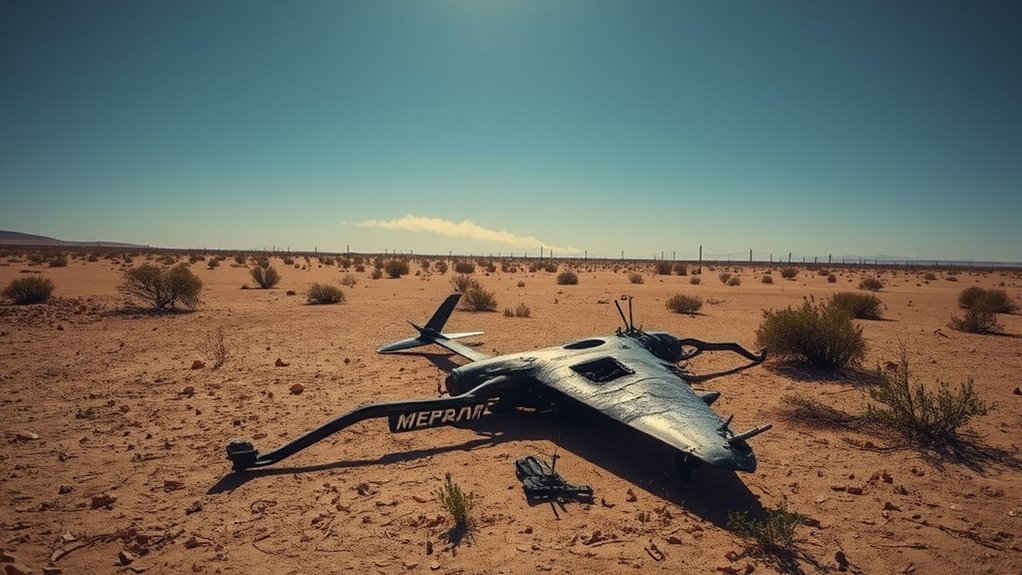
The Houthis have shot down at least three U.S. Reaper drones in Yemen, signaling their growing anti-aircraft capabilities and adapting tactics within modern aerial warfare. This development highlights the shifting dynamics of conflict in the region, as the Houthis utilize drones to counter advanced military technologies. These incidents underscore the evolving nature of warfare and the implications for U.S. military operations. There’s much more to explore regarding the broader impacts of these engagements on regional security.
Overview of the Houthi Movement
The Houthi movement, officially known as Ansar Allah, emerged in the 1990s in northern Yemen, initially advocating for the cultural and political rights of the Zaydi Shia community. As you explore Houthi ideology, you’ll notice its roots in resistance against perceived marginalization and oppression. Over time, the movement has evolved to embrace broader political objectives, often aligning with regional alliances that challenge Saudi-led influences in the area. These alliances have provided the Houthis with resources and strategic support, allowing them to bolster their position in Yemeni politics. Understanding this context is essential, as it highlights how the Houthi movement not only seeks autonomy for its community but also engages in a complex interplay of regional power dynamics, reflecting a broader struggle for freedom and representation.
The Role of Drones in Modern Warfare
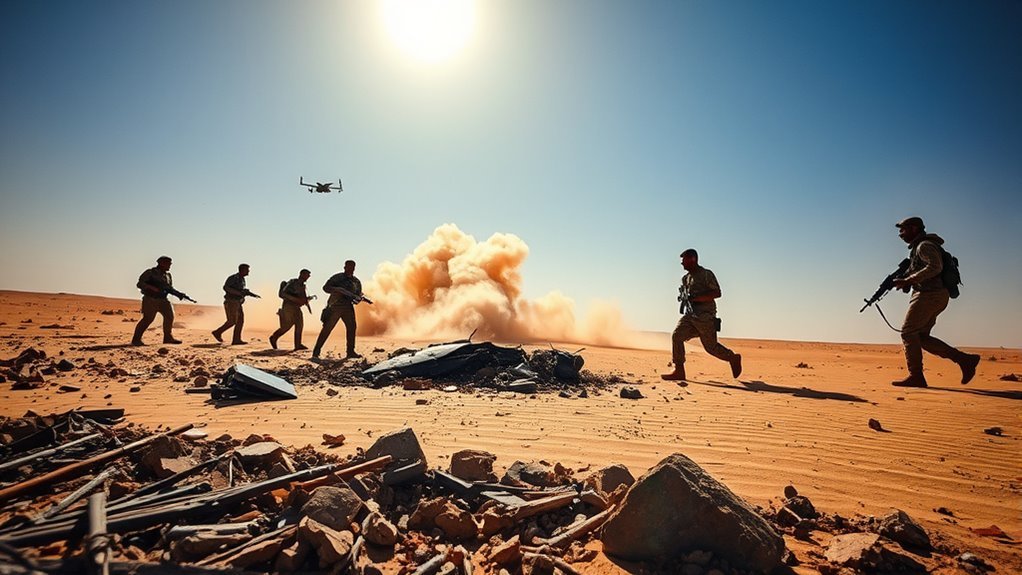
Drones have fundamentally transformed modern warfare, showcasing rapid advancements in technology that enhance their tactical effectiveness. By providing real-time surveillance, precision strikes, and reduced risk to personnel, drones considerably impact ground operations and strategy. As you consider these factors, it is crucial to examine how their evolving capabilities continue to shape military engagements worldwide.
Evolution of Drone Technology
As military conflicts evolve, so too does the technology employed within them, reflecting a significant shift in how warfare is conducted. Drone advancements represent a vital aspect of military innovations, transforming strategies and operational capabilities. With their ability to gather intelligence, conduct surveillance, and engage in combat, drones have become indispensable in modern warfare.
| Drone Type | Key Features |
|---|---|
| Reconnaissance Drones | High-altitude surveillance |
| Combat Drones | Precision strike capabilities |
| Loitering Munitions | Persistent area denial |
| Swarming Drones | Coordinated attack patterns |
| Cargo Drones | Supply and logistics support |
These technologies not only enhance military effectiveness but also challenge traditional notions of combat, emphasizing the need for adaptive tactics in a changing landscape.
Tactical Advantages of Drones
While modern warfare has been greatly reshaped by technological advancements, the tactical advantages offered by drones stand out. Drones, equipped with advanced capabilities, provide essential drone surveillance, allowing military forces to gather real-time intelligence without risking personnel. This enhances situational awareness and decision-making, fundamental in tactical warfare. Moreover, drones can engage targets with precision, minimizing collateral damage while maximizing operational effectiveness. Their ability to operate in diverse environments gives commanders the flexibility to adapt strategies on the fly. Additionally, drones can conduct prolonged missions, providing persistent coverage that traditional forces cannot match. In a landscape where information dominance is key, the integration of drones into military operations underscores their critical role in shaping the outcome of conflicts.
Impact on Ground Warfare
In modern warfare, the integration of drones greatly alters ground combat dynamics, enhancing both offensive and defensive operations. Drones provide real-time intelligence and precision strikes, but they also come with vulnerabilities that can be exploited. Understanding these factors can reshape ground tactics considerably, as forces adapt to counter drone technologies effectively.
| Aspect | Impact on Ground Warfare |
|---|---|
| Intelligence | Enhanced situational awareness |
| Offense | Precision strikes |
| Defense | Increased vulnerability |
| Tactical Adaptation | Evolution of ground tactics |
| Countermeasures | Development of anti-drone tech |
As these dynamics evolve, the interplay between drone capabilities and vulnerabilities will continue to shape the future of ground engagements.
History of Drone Engagements in Yemen
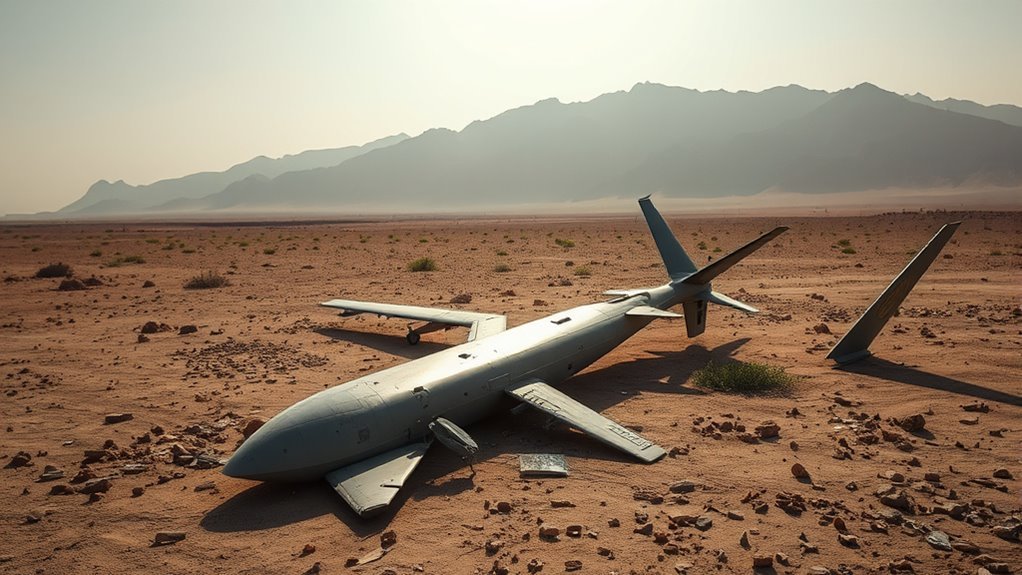
In examining the history of drone engagements in Yemen, you’ll find that initial incursions set the stage for a complex aerial conflict. Notable shootdown incidents highlight the Houthis’ growing capabilities and the evolving challenges faced by drone operators. This ongoing conflict has prompted significant shifts in air defense strategies, reflecting the dynamic nature of warfare in the region.
Initial Drone Incursions
How did drone technology become a pivotal factor in the Yemeni conflict? In the early stages of the conflict, drones emerged as game-changers, altering combat dynamics. Both sides initially deployed drone technology for reconnaissance and targeted strikes, utilizing specific tactics to gain an upper hand. The Houthis, with their innovative approach, adapted quickly, leveraging drones for asymmetric warfare. This allowed them to counter larger forces effectively while minimizing risks to personnel. The initial tactics focused on surveillance and precision attacks, showcasing the potential of drones in modern warfare. As this technology evolved, it not only reshaped military strategies but also raised questions about sovereignty and the implications of unmanned warfare in achieving freedom and stability in Yemen.
Notable Shootdown Incidents
Numerous notable incidents have marked the Houthis’ capability to shoot down drones, highlighting their evolving tactics and technological adaptations in the Yemeni conflict. These events reflect significant Houthi advancements in drone technology, showcasing their determination and resilience. Here are four key incidents that stand out:
- September 2019: The Houthis claimed responsibility for downing a Saudi drone, demonstrating their growing proficiency.
- January 2020: Another drone was shot down over Sanaa, signaling their strategic reach.
- March 2021: A Reaper drone fell, marking a turning point in aerial combat.
- December 2022: A sophisticated interception revealed enhanced capabilities in counter-drone warfare.
These instances underscore the ongoing challenge and the Houthis’ adaptability on the battlefield.
Evolving Air Defense Strategies
The Houthis’ ability to shoot down advanced drones reflects a broader evolution in their air defense strategies, shaped by the dynamics of the Yemeni conflict. Initially reliant on basic weaponry, they’ve adapted to counter technologically advanced aerial threats. This strategic evolution is marked by the integration of unconventional tactics and the acquisition of more sophisticated systems, allowing for targeted responses to drone attacks. You’ll notice that as the conflict progresses, the Houthis have increasingly demonstrated their capability to disrupt enemy operations, showcasing both resilience and ingenuity. Their success not only challenges the effectiveness of opposing forces but also signals a shift in asymmetric warfare, emphasizing the importance of air defense in modern conflicts. Such developments highlight the ongoing struggle for autonomy and security in Yemen.
Documented Incidents of Downed Reaper Drones
Since the onset of the conflict in Yemen, several documented incidents have revealed that the Houthis have successfully shot down multiple Reaper drones. These incidents highlight the evolving nature of drone technology and military strategies employed in modern warfare. The implications of these downed drones are significant, as they represent:
- A challenge to conventional air superiority.
- The adaptability of Houthi anti-aircraft tactics.
- The potential vulnerability of advanced military assets.
- A shift in the balance of power in the region.
Understanding these documented incidents is essential for grasping the complexities of the conflict and the ongoing struggle for freedom and autonomy in Yemen. Each downed drone symbolizes a resistance against overwhelming odds, resonating deeply with those who’ve fought for their rights.
Analysis of Houthi Anti-Aircraft Capabilities
Houthi anti-aircraft capabilities have proven to be a formidable challenge for aerial operations in the region, particularly evident in the incidents of downed Reaper drones. Their ability to effectively deploy anti-aircraft technology highlights a significant evolution in their military strategy. Utilizing a mix of conventional and unconventional methods, the Houthis have developed systems that can target sophisticated UAVs. This includes the integration of radar and surface-to-air missile technology, allowing them to engage aerial threats with surprising accuracy. The Houthis’ adaptability and resourcefulness enhance their overall military effectiveness, posing a serious consideration for adversarial forces. As you analyze these developments, it’s clear that the Houthi capabilities in anti-aircraft warfare are reshaping the dynamics of aerial engagement in the region.
Implications for U.S. Military Operations
As the Houthis continue to enhance their anti-aircraft capabilities, U.S. military operations in the region face significant implications. This evolving threat challenges your drone strategy and requires a reassessment of operational tactics. Here are some key considerations:
- Increased Risk: The likelihood of U.S. drones being targeted rises, endangering personnel and resources.
- Costly Losses: Shooting down drones could lead to significant financial losses for the U.S. military.
- Strategic Revisions: You’re compelled to rethink intelligence-gathering and surveillance methods in hostile airspace.
- Regional Stability: Heightened tensions may disrupt alliances and partnerships essential for maintaining freedom in the region.
These factors underscore the urgent need to adapt to the shifting landscape of aerial warfare.
International Reactions to Houthi Drone Strikes
Although the escalating drone strikes by the Houthis have garnered significant attention, international reactions have varied widely, reflecting a complex geopolitical landscape. Countries like Iran have openly supported the Houthis, viewing these strikes as a counterbalance to regional adversaries. In contrast, Western nations express deep concern over the implications for international diplomacy and regional security. They worry that such actions could destabilize the already fragile situation in the Middle East, prompting calls for increased military readiness among allied nations. Additionally, the strikes have sparked debates on how best to address the threat without escalating tensions further. Ultimately, the responses underscore the delicate balance between supporting freedom and ensuring stability in a region rife with conflict.
Future Trends in Aerial Warfare in the Middle East
While the ongoing conflicts in the Middle East have historically shaped aerial warfare tactics, the increasing use of drone technology signals a pivotal shift in military strategy. As you consider the future implications of drone warfare, it’s essential to recognize the following trends:
- Enhanced precision strikes, minimizing collateral damage.
- Proliferation of drone technology among non-state actors.
- Increased investment in counter-drone systems by nations.
- A potential arms race in drone capabilities.
These developments could redefine power dynamics in the region, as both state and non-state actors adapt to this new reality. Understanding these trends is vital for grasping how aerial warfare will evolve and impact the pursuit of freedom and security in the Middle East.
Frequently Asked Questions
What Are the Houthis’ Primary Motivations for Targeting Reaper Drones?
So, you think the Houthis just want to shoot down drones for fun? Their strategy revolves around challenging drone symbolism, asserting their power, and undermining perceived foreign dominance, all while rallying local support against external forces.
How Do Reaper Drones Compare to Other UAVS in Warfare?
Reaper drones excel in surveillance and precision strikes, offering superior drone capabilities compared to many UAVs. Their advanced UAV tactics allow for real-time data gathering, enhancing operational effectiveness and strategic decision-making in modern warfare.
What Technology Do Houthis Use to Shoot Down Drones?
Houthi technology’s revolutionized drone interception capabilities, utilizing advanced surface-to-air missiles and electronic warfare systems. This sophisticated arsenal enables them to effectively target and neutralize UAV threats, showcasing their adaptability in modern asymmetric warfare dynamics.
Have Houthis Faced Consequences for Shooting Down Reaper Drones?
You might wonder about the repercussions faced by the Houthis after shooting down Reaper drones. Their military strategy has evolved, prompting increased countermeasures, but the broader consequences remain complex, influencing regional dynamics and foreign policy.
How Does Drone Warfare Affect Civilian Populations in Yemen?
Isn’t it tragic how drone warfare breeds fear? In Yemen, civilian casualties rise, leaving lasting psychological impacts. Communities live under constant threat, eroding their sense of safety and freedom, and deepening the humanitarian crisis.
