

Drones serve as essential tools for radiation detection, enhancing accuracy while accessing hazardous areas. Their open-source contributions foster collaborative advancements in sensor integration. Real-world examples, like post-Fukushima assessments, showcase their effectiveness in identifying radiation hotspots. However, challenges such as signal interference and battery limitations persist. Looking ahead, improvements in detection precision and AI applications could revolutionize environmental safety. There’s much more to uncover about these evolving technologies and their impact on radiation monitoring.
Drones as Effective Radiation Detectors
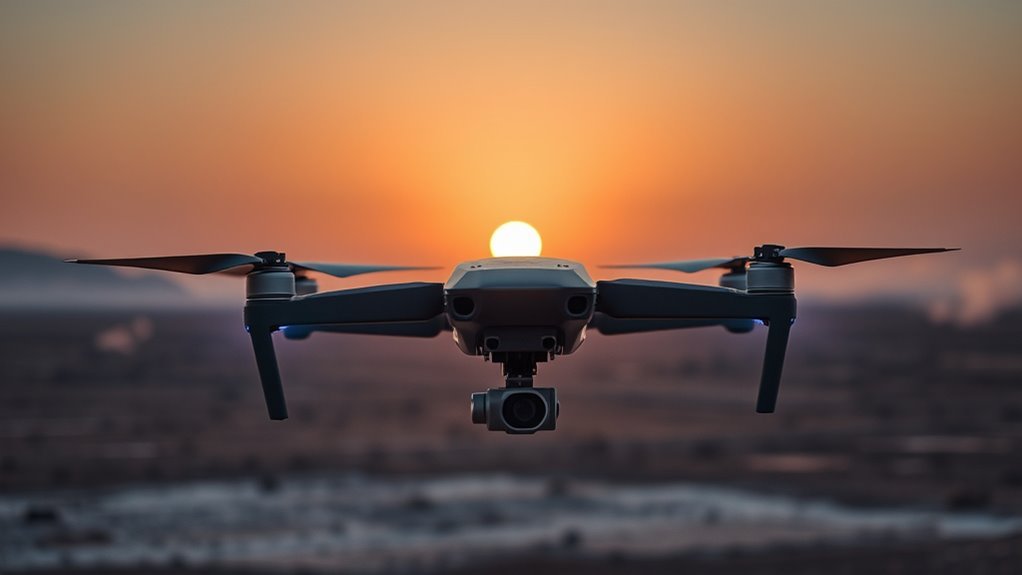
Drones have emerged as highly effective tools for detecting radiation in various environments, particularly in areas that are hazardous or difficult to access. Utilizing advanced drone technology, these devices are equipped with sensitive radiation detection instruments that enhance detection accuracy. You can deploy drones to survey nuclear sites, disaster zones, or contaminated landscapes swiftly and safely. Their ability to cover vast areas without risking human life makes them invaluable in radiation monitoring. Additionally, real-time data transmission allows for immediate analysis, greatly improving response times during potential radiation incidents. As a result, you gain a reliable method for evaluating radiation levels, empowering you to make informed decisions while advocating for safety and transparency in environments where freedom from hazardous exposure is paramount.
Community Contributions: Open Source Solutions
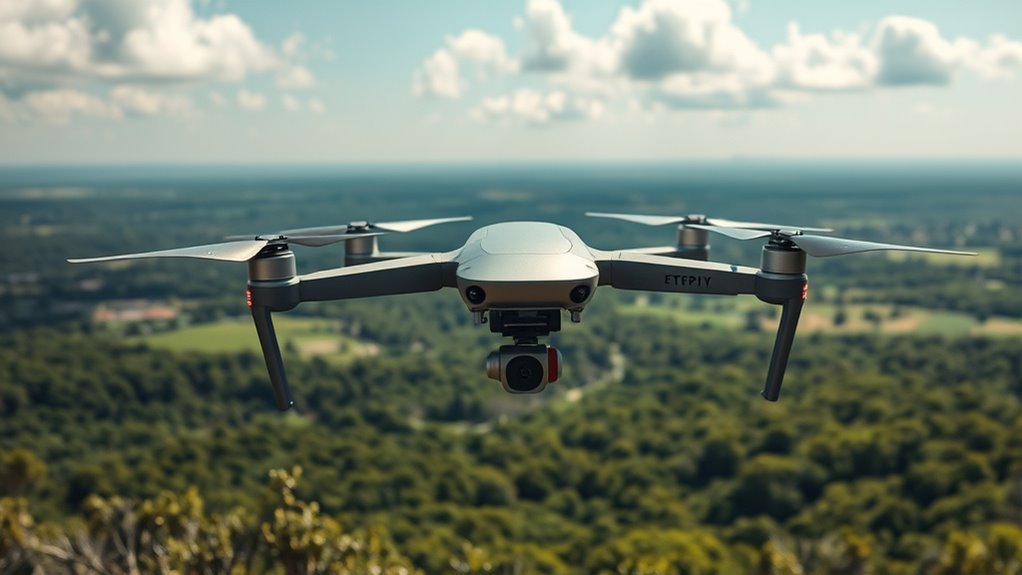
The integration of open-source solutions in drone technology for radiation monitoring has sparked significant community contributions that enhance detection capabilities. By leveraging open-source frameworks, developers can collaboratively design and improve algorithms, sensor integrations, and data analytics tools. This community collaboration fosters innovation, allowing users to share insights and experiences, ultimately refining detection accuracy and operational efficiency. You’ll find that open-source platforms encourage experimentation, enabling you to adapt technologies to specific needs and environments. As you engage with others, you’ll witness how diverse expertise fuels advancements in drone applications. The collective effort not only democratizes access to sophisticated tools but also empowers individuals and organizations to contribute meaningfully in the fight against radiation threats.
Real-Life Applications and Success Stories
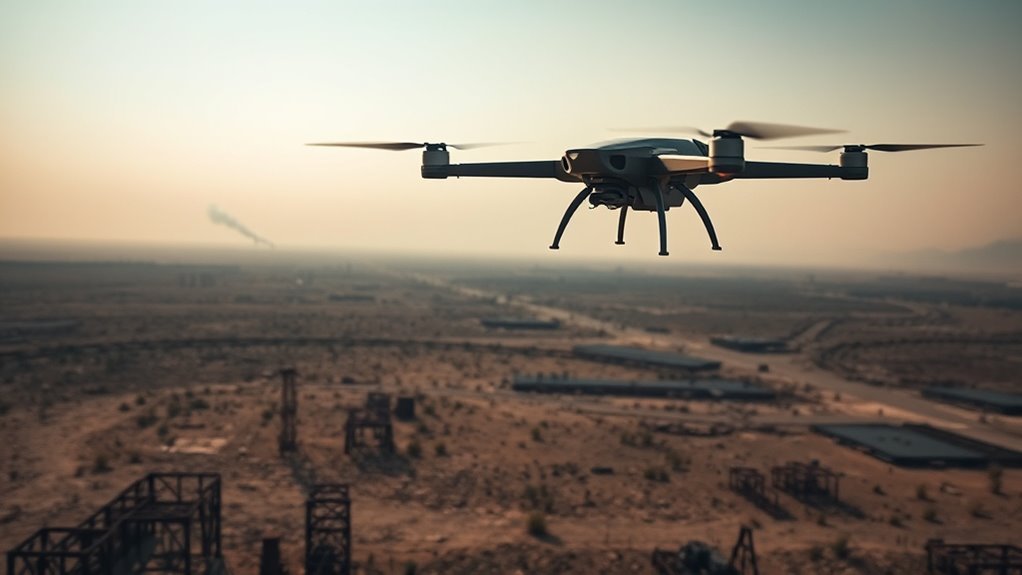
While many advancements in radiation monitoring stem from theoretical frameworks, real-life applications of drone technology have demonstrated its practical efficacy in various scenarios. For instance, in post-disaster assessments, drones equipped with radiation sensors have facilitated rapid radiation mapping, enabling swift decision-making and enhancing public safety. One notable success story involves the Fukushima nuclear disaster, where drone technology mapped radiation levels inaccessible to ground crews. Additionally, environmental monitoring in industrial sectors has benefited considerably; companies have deployed drones to identify radioactive hotspots, optimizing cleanup operations and minimizing risk. These applications not only showcase drone technology’s versatility but also highlight its role in empowering communities to monitor radiation effectively, ensuring a safer environment and fostering a sense of freedom in data accessibility. Moreover, real-time aerial surveillance from drones enhances the ability to assess hazardous environments quickly and accurately, further contributing to safety measures in radiation monitoring.
Challenges in Drone Radiation Monitoring
Although advancements in drone technology offer significant potential for radiation monitoring, several challenges must be addressed to guarantee effective implementation. One major hurdle is signal interference, which can disrupt communication between the drone and its control system, resulting in data loss or inaccurate readings. This is particularly problematic in densely built environments or areas with high electromagnetic activity. Additionally, battery limitations pose a significant constraint on operational duration and range, restricting the drone’s ability to cover large areas effectively. These factors necessitate the development of more resilient communication protocols and improved battery technologies. To fully leverage drones for radiation monitoring, addressing these challenges is essential for ensuring reliable data collection and operational efficiency in various environments.
The Future of Drones in Environmental Safety
As advancements continue in drone technology, their role in environmental safety is poised for transformation. You’ll find that the integration of drones into monitoring systems can enhance regulatory frameworks and improve real-time data collection.
- Enhanced precision in detecting pollutants
- Cost-effective solutions for environmental assessments
- Increased accessibility to remote or hazardous areas
- Adaptability to various environmental conditions
- Collaboration with regulatory bodies for standardized safety protocols
These technological advancements not only foster innovation but also empower individuals and communities to take proactive steps toward environmental stewardship. By leveraging drones, you can contribute to a safer, more sustainable future, ensuring that the environment remains protected while enjoying the freedom that advanced technology offers. Additionally, using drones with precision crop detection capabilities can further enhance environmental assessments by enabling targeted monitoring of specific areas in need of attention. Moreover, AI-powered robotics in drone technology can optimize data collection, ensuring more accurate assessments of environmental conditions.
Frequently Asked Questions
How Much Does a Radiation-Detecting Drone Cost?
When considering a radiation-detecting drone, costs vary considerably based on drone models and the type of radiation sensors. Typically, you’re looking at prices ranging from a few thousand to tens of thousands of dollars.
Are There Specific Regulations for Using Drones in Radiation Detection?
Yes, there are specific regulations for using drones in radiation detection. You’ll need to guarantee regulatory compliance and obtain proper drone licensing to operate legally and safely, while maintaining your desired level of operational freedom.
What Types of Radiation Can Drones Detect?
Drones can detect various radiation types, including alpha, beta, gamma, and neutron radiation. Detection methods often involve specialized sensors and equipment, ensuring precise measurements and enhancing your ability to monitor radiation levels in diverse environments.
How Long Can Drones Operate on a Single Charge for Radiation Detection?
Drones typically have a battery life ranging from 20 to 60 minutes for radiation detection, depending on their design and payload. Flight duration can vary considerably, so optimizing energy use is essential for effective operations.
Can Drones Be Equipped With Other Environmental Sensors Besides Radiation Detectors?
Imagine a drone soaring through the skies, equipped not just for radiation detection, but also for environmental monitoring. With sensor integration, it can measure air quality, temperature, and humidity, enhancing your understanding of the ecosystem.
