

As of 2023, the U.S. military operates over 10,000 drones across various branches, including the Army, Navy, Air Force, and Marine Corps. This substantial fleet underscores a strategic commitment to utilizing unmanned aerial systems (UAS) for a broad spectrum of military applications, ranging from surveillance and reconnaissance to combat and logistical support. In this article, we will explore the different types of drones, their roles, and the ongoing developments in military drone technology, providing a comprehensive view of how these systems are reshaping modern warfare.
Overview of U.S. Military Drones
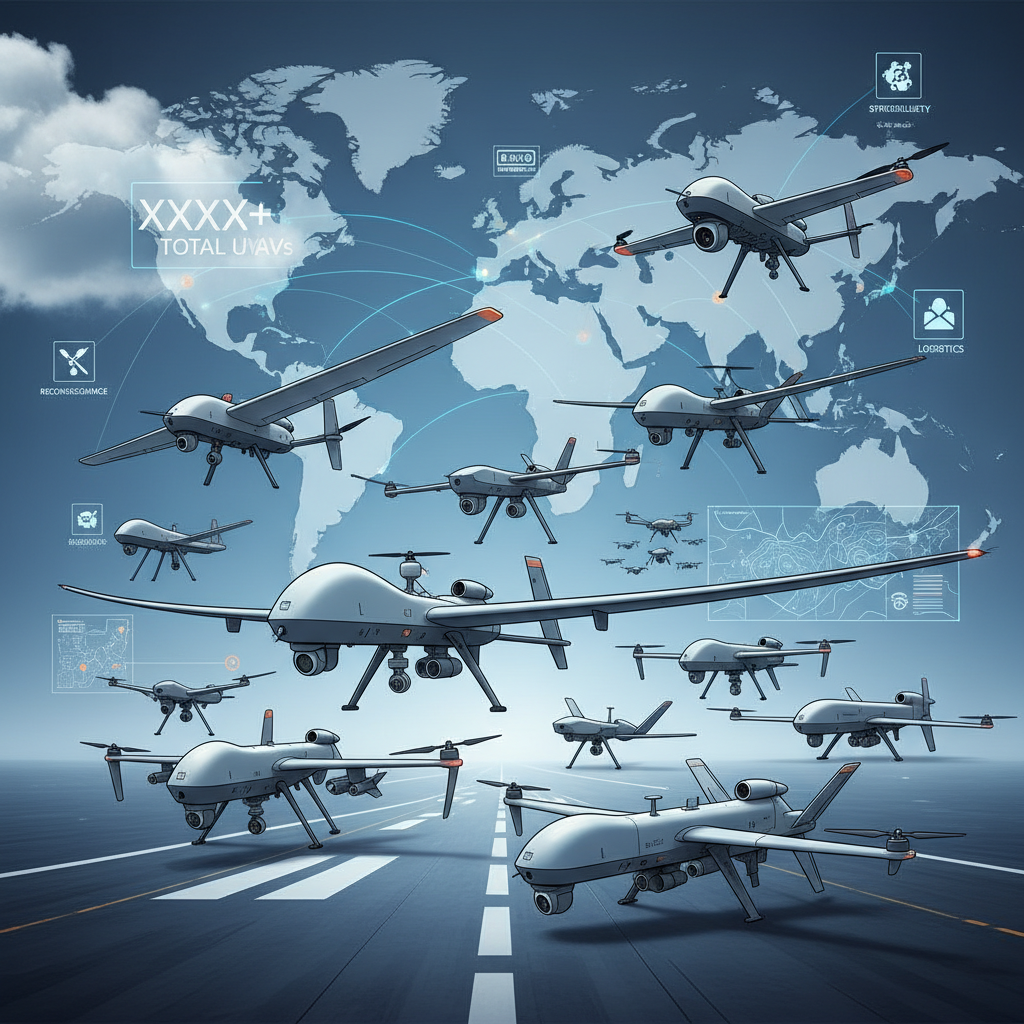
The U.S. military’s drone fleet comprises a diverse array of unmanned aerial vehicles (UAVs) and unmanned combat aerial vehicles (UCAVs), each designed with specific missions in mind. UAVs are primarily used for surveillance and intelligence gathering, while UCAVs are equipped for offensive operations, capable of delivering precision strikes against enemy targets. The historical context of drone usage in the military dates back to the early 2000s, with the introduction of UAVs like the MQ-1 Predator marking a pivotal shift in how military operations are conducted. Initially employed for reconnaissance during the War on Terror, drones have since evolved into versatile platforms that significantly enhance situational awareness and operational efficiency.
The transition from manned to unmanned systems has not only increased the range and scope of military operations but has also minimized the risk to human life in combat situations. This evolution reflects broader changes in military strategy, emphasizing the importance of technology-driven warfare.
Key Drone Models in Service
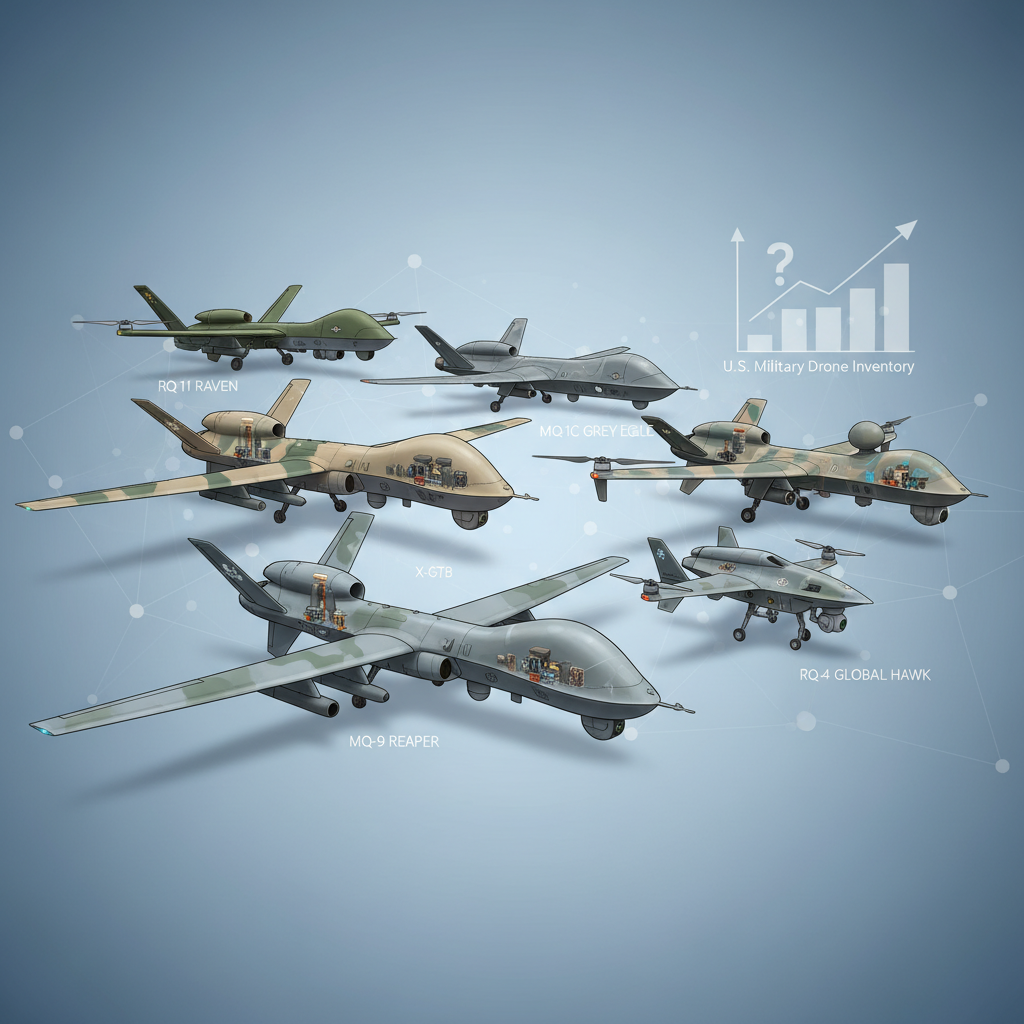
Among the most prominent drone models in service are the MQ-1 Predator, MQ-9 Reaper, and RQ-4 Global Hawk. The MQ-1 Predator, which entered service in the late 1990s, is known for its ability to conduct surveillance and reconnaissance while carrying out strike missions with Hellfire missiles. Its design emphasizes versatility, allowing for various payloads tailored to specific mission requirements.
The MQ-9 Reaper is an advanced iteration of the Predator, boasting a larger wingspan and enhanced capabilities. It can carry a greater payload, including precision-guided munitions, and has improved endurance, allowing it to loiter over target areas for extended periods. These features make the Reaper a formidable asset for both intelligence-gathering and combat operations.
The RQ-4 Global Hawk, on the other hand, is designed primarily for high-altitude, long-endurance surveillance missions. It operates at altitudes of over 60,000 feet, providing real-time intelligence and reconnaissance over vast distances, which is crucial for strategic planning and operational readiness.
Roles and Functions of Military Drones
Military drones serve several critical roles, primarily focusing on surveillance and reconnaissance missions, as well as combat operations. In terms of surveillance, drones can gather actionable intelligence without putting personnel at risk. They provide commanders with real-time data and imagery, allowing for informed decision-making in dynamic combat environments. For instance, drones have been instrumental in monitoring enemy movements and identifying potential threats, significantly enhancing situational awareness on the battlefield.
In combat operations, drones have transformed the landscape of warfare. Armed drones like the MQ-9 Reaper can conduct targeted strikes against high-value targets with precision, minimizing collateral damage. This capability allows military forces to engage enemies in a more controlled manner, often leading to successful missions with fewer resources deployed. Furthermore, the ability to conduct strikes remotely means that military personnel can operate in a safer environment, reducing the risks associated with traditional air combat missions.
Recent Developments in Drone Technology
The field of drone technology is rapidly advancing, driven by innovations in design and functionality. Recent developments include improvements in sensor technology, propulsion systems, and communication networks, which collectively enhance the operational capabilities of military drones. For instance, the integration of advanced imaging systems allows drones to capture high-resolution images and videos, facilitating more accurate intelligence assessments.
Moreover, the incorporation of artificial intelligence (AI) and autonomous systems is revolutionizing drone operations. AI can analyze vast amounts of data collected by drones, identifying patterns and potential threats much faster than human operators. This capability not only accelerates decision-making but also enhances the effectiveness of missions. Autonomous drones can execute pre-programmed missions with minimal human intervention, allowing military personnel to focus on strategic planning rather than operational details.
Challenges and Limitations
Despite their numerous advantages, military drones face several challenges and limitations. Legal and ethical considerations surrounding drone usage have garnered significant attention, particularly regarding targeted strikes and the implications for civilian casualties. The use of drones in conflict zones raises questions about accountability and adherence to international law, necessitating ongoing dialogue about the ethical ramifications of drone warfare.
Additionally, technical limitations persist in the realm of drone operations. Issues such as vulnerability to electronic warfare, dependence on satellite communications, and the challenges of operating in contested environments pose significant risks. These operational challenges require continuous innovation and adaptation to ensure that military drones can effectively execute missions in increasingly complex scenarios.
Future of Drones in the U.S. Military
Looking ahead, the future of drones in the U.S. military appears promising, with projected growth in both the quantity and sophistication of drone technology. Advancements in materials science and aerodynamics are expected to yield lighter, more durable drones with enhanced capabilities, including longer flight times and improved stealth features.
Moreover, as military strategies evolve, the role of drones is likely to expand further. The U.S. military is investing in drone swarming technology, where multiple drones operate collaboratively to overwhelm enemy defenses and conduct complex missions. This shift could redefine air combat and provide tactical advantages in various operational contexts.
In addition, the integration of drone technology with other military assets, such as ground troops and naval vessels, is anticipated to enhance joint operations and overall effectiveness. The continued emphasis on unmanned systems reflects a broader trend towards automation in military strategy, indicating that drones will remain a cornerstone of future defense initiatives.
In conclusion, the U.S. military’s investment in drones continues to grow, with over 10,000 units actively in use. As technology evolves, these unmanned systems are set to play an even larger role in modern warfare, influencing future military strategies. The combination of enhanced capabilities, ongoing developments in technology, and the need to address ethical considerations will shape the landscape of military drone operations in the years to come. Stay informed on the latest advancements and implications of drone technology in defense.
Frequently Asked Questions
How many drones does the U.S. military currently operate?
As of October 2023, the U.S. military operates approximately 11,000 drones across various branches, including the Army, Navy, and Air Force. These unmanned aerial vehicles (UAVs) are used for surveillance, reconnaissance, and combat missions, showcasing a significant increase in reliance on drone technology in modern warfare.
What types of drones are used by the U.S. military?
The U.S. military utilizes a diverse range of drones, including the MQ-1 Predator, MQ-9 Reaper, and RQ-4 Global Hawk, among others. Each type serves specific purposes, from armed reconnaissance to high-altitude surveillance, demonstrating the versatility of drones in enhancing military capabilities and operational efficiency.
Why is the U.S. military investing in drone technology?
The U.S. military is investing heavily in drone technology to enhance operational efficiency, reduce personnel risks, and gather intelligence with precision. Drones can execute missions in hostile environments without putting pilots at risk, while also providing real-time data and surveillance, making them invaluable assets in contemporary warfare.
How does the U.S. military’s drone fleet compare to other countries?
The U.S. military’s drone fleet is one of the most advanced and extensive in the world, surpassing that of other nations like China and Russia. While many countries are developing drone capabilities, the U.S. leads in terms of technological sophistication, integration into military operations, and the scale of its UAV programs, giving it a strategic advantage.
What are the future trends in U.S. military drone usage?
Future trends in U.S. military drone usage include increased automation, enhanced artificial intelligence (AI) capabilities, and the integration of drones with other military assets. As technology advances, the military is expected to utilize swarming tactics and autonomous drones for complex operations, transforming how they conduct missions and engage in combat scenarios.
References
- https://en.wikipedia.org/wiki/Unmanned_aerial_vehicle#United_States_military
- https://www.c-span.org/video/?c4962796/defense-department-budget-hearings
- https://www.reuters.com/article/us-usa-military-drones-idUSKBN2A71R8
- https://www.rand.org/pubs/research_reports/RR1473.html
- https://www.defense.gov/Explore/Spotlight/Unmanned-Systems/
- https://www.military.com/equipment/drones
- https://www.brookings.edu/research/the-future-of-drones-in-the-u-s-military/
