

Commercial drone pilots earn an average salary ranging from $50,000 to $100,000 per year, depending on factors like experience, location, and industry specialization. As the use of drones continues to expand across various sectors, understanding the earning potential and the dynamics that influence salaries in this profession is essential for both aspiring and current pilots. This article explores the various aspects that contribute to the earnings of commercial drone pilots, including salary ranges, influential factors, job roles, required qualifications, industry trends, and strategies to maximize income.
Understanding the Salary Range
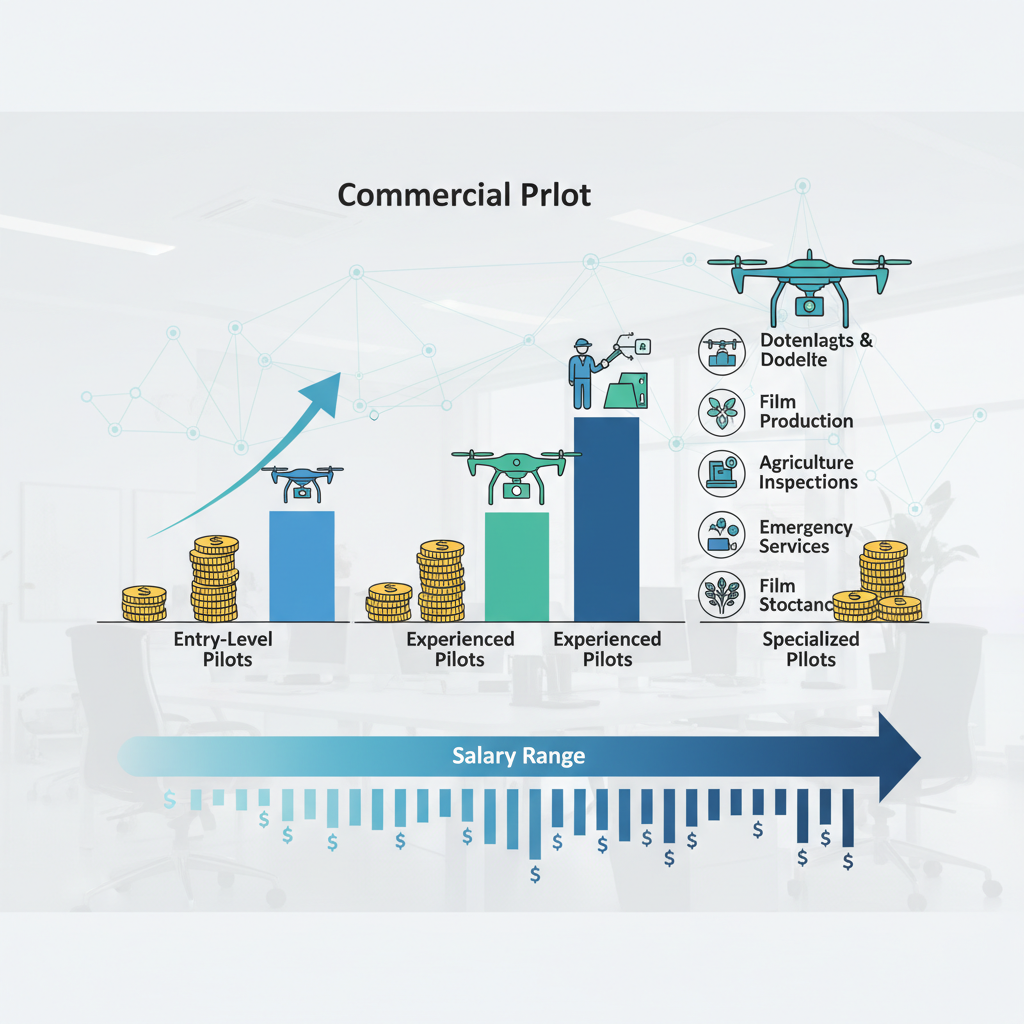
The salary range for commercial drone pilots can vary significantly, with an average annual salary typically falling between $50,000 and $100,000. Entry-level pilots might start at the lower end of this spectrum, while those with specialized skills or extensive experience can command higher salaries. According to industry reports, factors such as professional experience, certifications, and the complexity of the projects undertaken can lead to considerable variations in earnings. For instance, pilots who have obtained advanced certifications or who possess niche skill sets—like thermal imaging or agricultural surveying—are often able to negotiate higher pay.
Additionally, the type of employment—whether full-time, freelance, or contract work—also plays a crucial role in determining salary. Freelancers may have the potential for higher earnings due to the ability to take on multiple clients and projects simultaneously, but they may also face income fluctuations based on demand and project availability.
Factors Affecting Earnings
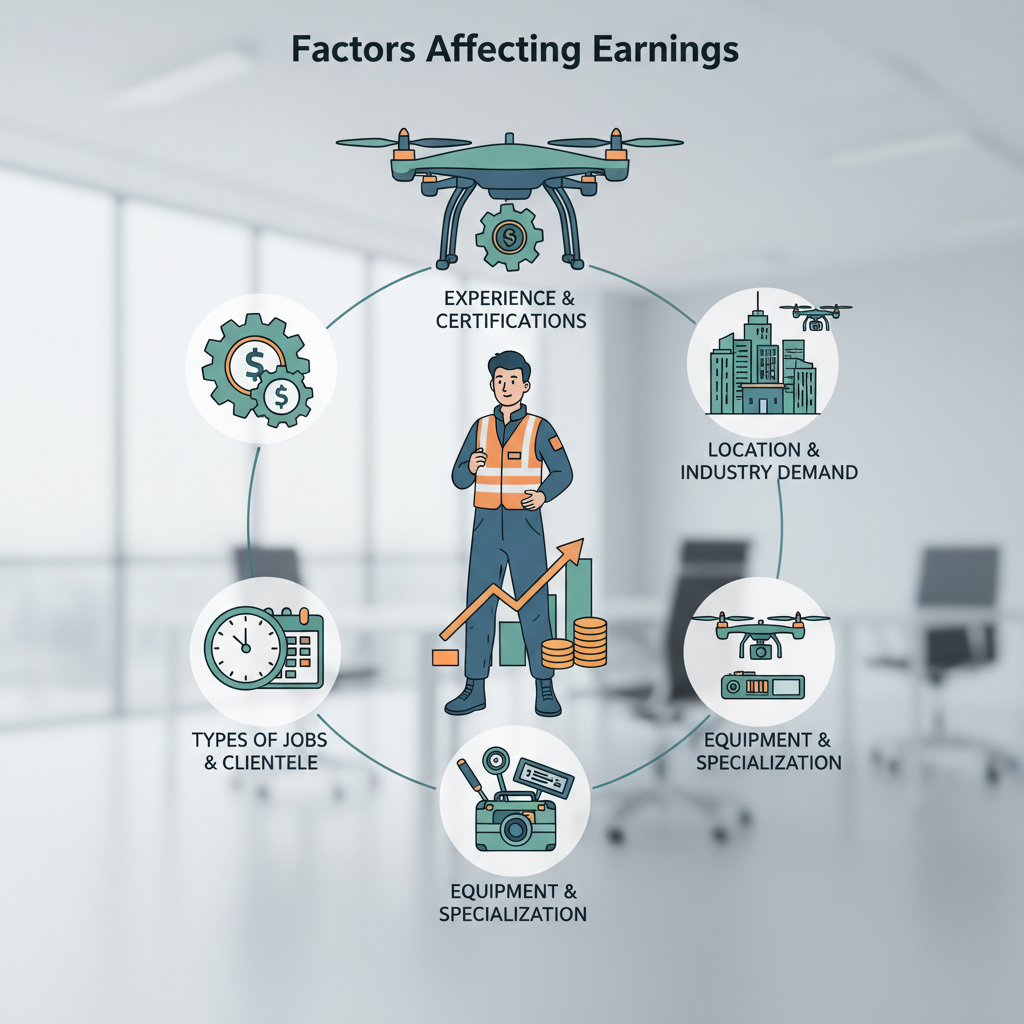
Geographic location is one of the most significant factors influencing commercial drone pilot salaries. Urban areas with high demand for drone services, such as New York City or San Francisco, tend to offer higher wages due to the cost of living and the concentration of industries that utilize drone technology, including real estate, film production, and infrastructure inspection. Conversely, rural areas may present fewer job opportunities and, consequently, lower salaries.
Another critical element is industry demand. Different sectors have varying needs for drone services, which can affect earnings. For example, commercial drone pilots working in construction and surveying often earn more than those in recreational or hobbyist sectors. Industries like agriculture are increasingly adopting drone technology for crop monitoring and management, creating new opportunities for pilots skilled in this area. The versatility of drone applications means that pilots who can adapt their skills to meet the needs of various industries are likely to see better compensation.
Types of Work Commercial Drone Pilots Do
Commercial drone pilots engage in a variety of roles that dictate their earnings. Common job functions include aerial photography, videography, surveying, mapping, and inspection services. In real estate, pilots capture stunning aerial footage to enhance property listings, while in construction, they provide site surveys and progress monitoring.
The pay scale differs significantly between freelance pilots and those employed full-time by companies. Freelance pilots often have the potential to earn higher hourly rates but may not have the stability that comes with a full-time position, which typically offers consistent pay and benefits. For example, a freelance commercial drone pilot might charge anywhere from $100 to $300 per hour, depending on their expertise and the complexity of the job, while a full-time pilot could earn an annual salary with benefits that include health insurance, paid time off, and retirement plans.
Required Qualifications and Certifications
To operate commercially, drone pilots must obtain specific certifications, with the most recognized being the Federal Aviation Administration (FAA) Part 107 certification in the United States. This certification demonstrates a pilot’s understanding of airspace regulations, operational limitations, and safety requirements. Additionally, pursuing further certifications in specialized areas—such as drone mapping or industrial inspections—can significantly enhance a pilot’s qualifications and earning potential.
Ongoing training and skill development are equally vital in this rapidly evolving field. Staying updated with the latest drone technologies, software, and industry regulations not only ensures compliance but also positions pilots as valuable assets within their respective industries. Workshops, online courses, and industry conferences can provide pilots with opportunities to hone their skills and expand their professional networks.
Industry Trends Impacting Salaries
The rise of drone technology has dramatically influenced job opportunities and salary structures within the industry. As various sectors continue to adopt drone services for efficiency and cost-effectiveness, the demand for skilled commercial drone pilots is expected to grow. For instance, the construction industry is increasingly utilizing drones for project management and safety inspections, leading to a surge in job openings for qualified pilots.
Moreover, advancements in drone capabilities—such as improved battery life, enhanced imaging technology, and automation—are broadening the scope of work available to pilots. Predictions indicate that as the technology becomes more integrated into everyday business operations, salaries will likely experience upward momentum. Industry experts anticipate a growth rate of 13% for drone-related jobs over the next decade, which could further bolster earning potential for commercial drone pilots.
Benefits Beyond Salary
While salary is a crucial consideration, commercial drone pilots often enjoy additional perks that enhance their overall compensation package. Many pilots benefit from flexible work hours, allowing them to balance personal commitments with professional responsibilities. This flexibility is particularly advantageous for freelancers who can choose projects that align with their schedule.
Furthermore, opportunities for career advancement and specialization are abundant within the drone industry. As pilots gain experience, they can transition into roles such as drone operations manager, safety inspector, or even start their own drone service businesses, significantly increasing their earning potential. Specializing in high-demand areas such as agricultural management or environmental surveying can also lead to higher salary brackets.
How to Increase Your Earning Potential
For aspiring commercial drone pilots, building a robust portfolio and gaining practical experience are essential steps toward increasing earning potential. Engaging in internships, volunteer projects, or freelance work can help pilots accumulate valuable flight hours and showcase their skills to prospective clients or employers.
Networking within the drone industry is equally important. Joining professional organizations, attending industry events, and participating in online forums can lead to connections that may result in job opportunities or collaborations. Establishing a strong online presence through social media or a professional website can also attract clients and enhance visibility in the competitive market.
In conclusion, while commercial drone pilots can earn a competitive salary, various factors play a significant role in determining their pay. Geographic location, industry demand, and required certifications all contribute to the earning potential in this growing field. Aspiring pilots should consider the necessary qualifications and industry trends to maximize their earning potential, while experienced pilots can leverage their skills and expertise for further advancement in their careers. Understanding these dynamics will help both newcomers and seasoned professionals navigate the exciting landscape of commercial drone operations.
Frequently Asked Questions
How much does a commercial drone pilot make annually?
The average annual salary for a commercial drone pilot in the United States ranges from $50,000 to $80,000, depending on factors such as experience, location, and industry. Pilots working in specialized fields, such as aerial surveying or cinematography, may earn higher salaries, sometimes exceeding $100,000 per year. Additionally, freelance pilots can vary widely in earnings based on the number of contracts they secure.
What factors influence the income of commercial drone pilots?
Several factors can influence a commercial drone pilot’s income, including the level of experience, specific industry (such as agriculture, real estate, or film), and geographic location. Also, certifications and licenses, such as the FAA Part 107 certification, can affect earning potential, as well as the complexity and demand of the services offered. Pilots who invest in advanced equipment and specialized training may also have higher income opportunities.
Why do commercial drone pilots earn varying salaries?
Commercial drone pilots earn varying salaries due to a combination of market demand, the niche in which they operate, and the complexity of the services they provide. For example, pilots working in high-demand sectors like construction or environmental monitoring may command higher fees due to the specialized skills and technology required. Additionally, freelance pilots often experience income fluctuations based on client contracts and seasonal demand.
Which industries offer the highest salaries for commercial drone pilots?
Industries that typically offer the highest salaries for commercial drone pilots include film and television production, agriculture, and construction. In film, drone operators are often hired for high-budget projects, while in agriculture, pilots are increasingly used for crop monitoring and analysis, leading to lucrative opportunities. The construction industry also values aerial surveys for project planning and monitoring, offering competitive pay for skilled pilots.
How can commercial drone pilots increase their earnings?
Commercial drone pilots can increase their earnings by gaining additional certifications, expanding their skill sets, and diversifying their service offerings. For instance, obtaining expertise in areas such as thermal imaging, 3D mapping, or UAV maintenance can make pilots more valuable to clients. Networking within industry communities, building a strong portfolio, and leveraging online platforms for marketing can also help attract higher-paying contracts and clients.
References
- https://www.bls.gov/ooh/transportation-and-material-moving/air-traffic-controllers.htm
- https://www.faa.gov/uas/commercial_operators/
- https://www.forbes.com/advisor/business/drone-pilot-salary/
- https://www.statista.com/statistics/1129326/united-states-drone-pilot-salary/
- https://www.thebalancecareers.com/drone-pilot-salary-and-job-outlook-4171437
- https://www.dronepilotgroundschool.com/drone-pilot-salary/
- https://www.nationalgeographic.com/science/article/drones-what-they-are-and-how-they-work
- https://www.sheffield.ac.uk/news/nr/uk-drone-pilots-salaries-1.855945
