
To become a drone pilot in the Air Force, you must meet specific eligibility requirements, complete rigorous training, and acquire necessary certifications. This career path offers unique opportunities to operate advanced unmanned aerial vehicles (UAVs) for military missions. Here’s a step-by-step guide on how to achieve this goal.
Understanding the Role of a Drone Pilot
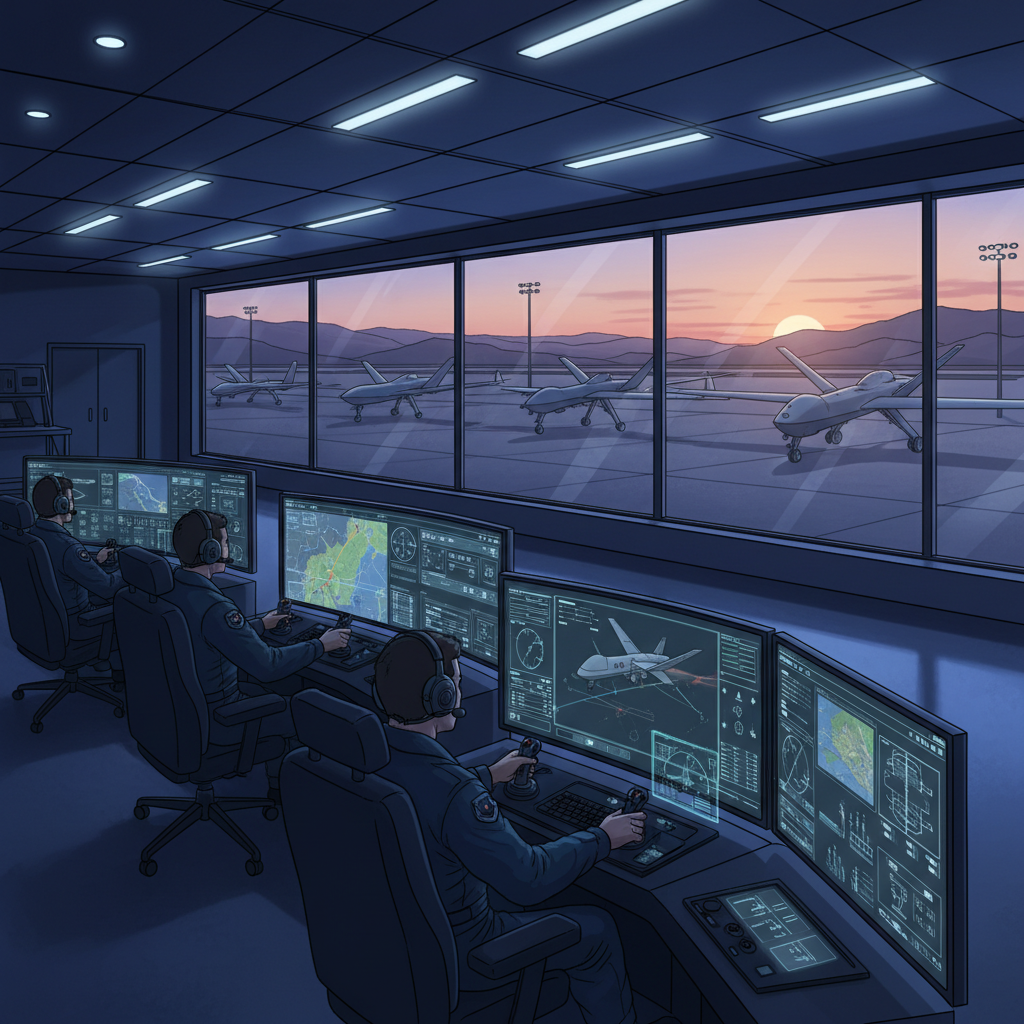
Drone pilots in the Air Force, also known as Remotely Piloted Aircraft (RPA) pilots, are responsible for operating UAVs that perform a variety of missions, including reconnaissance, surveillance, and combat operations. These pilots work from ground control stations, utilizing advanced technology to manage the aircraft and collect critical data. The importance of UAVs in modern military operations cannot be overstated; they provide situational awareness, reduce risk to personnel, and enable precision strikes that enhance mission effectiveness. As warfare evolves, the role of drone pilots becomes increasingly central to strategic planning and execution.
Eligibility Requirements
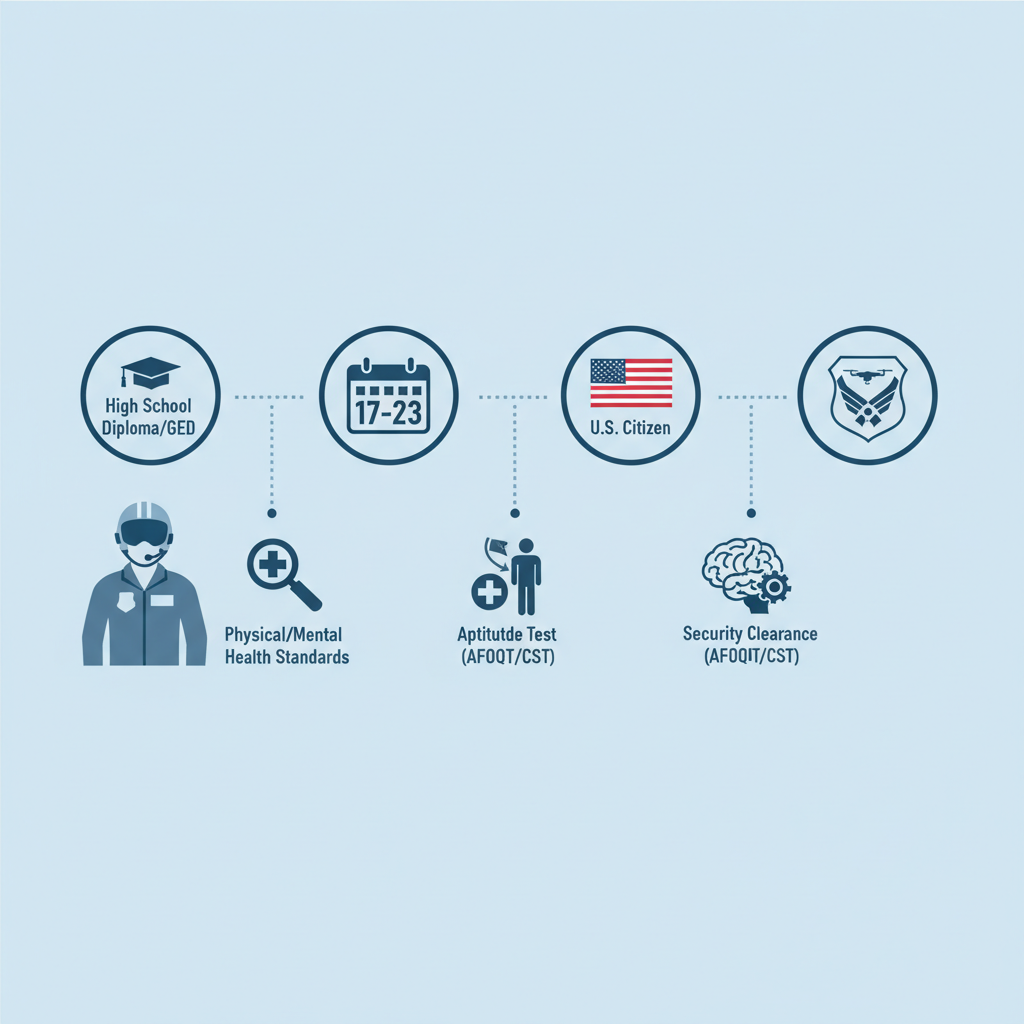
To pursue a career as a drone pilot in the Air Force, candidates must meet several eligibility criteria. Applicants must be U.S. citizens and typically should be between 18 and 29 years old. Additionally, a bachelor’s degree from an accredited institution is required, although fields of study in science, technology, engineering, or mathematics (STEM) are particularly beneficial. Candidates must also meet strict physical fitness standards, which include passing the Air Force Physical Fitness Test (PFT) and meeting medical criteria set forth by the Department of Defense.
The Application Process
The application process for becoming a drone pilot in the Air Force involves several key steps. First, interested candidates must complete the Air Force Officer Qualifying Test (AFOQT), which assesses verbal and quantitative skills, along with pilot and navigator abilities. After passing this test, applicants need to submit a detailed application through the Air Force Recruiting Service. Important documents include transcripts, letters of recommendation, and a personal statement outlining the candidate’s motivation for becoming a pilot. Once selected, candidates will receive an Air Force Officer Commission, allowing them to enter further training.
Training Programs and Flight School
Once accepted into the program, aspiring drone pilots undergo extensive training. The training curriculum typically consists of two main phases: initial flight training and advanced RPA training. During initial flight training, candidates learn fundamental flying skills and operations in various aircraft. Following this, they transition to the RPA training phase, which focuses on the specific systems, tactics, and procedures associated with UAV operations. This phase includes both simulator and live flight training, culminating in a certification that qualifies them to operate specific types of UAVs. The entire training process can take approximately 12 to 18 months, depending on the individual’s pace and the complexity of the UAV systems being operated.
Acquiring Necessary Certifications
After completing flight training, drone pilots must acquire specific licenses and certifications to legally operate UAVs. This includes a Remote Pilot Certificate issued by the Federal Aviation Administration (FAA), which is essential for all UAV operations. Additionally, continuous education is vital in this field due to rapid advancements in UAV technology. Drone pilots are encouraged to attend workshops, seminars, and further training sessions to remain current with emerging technologies and best practices.
Career Opportunities and Advancement
A career as a drone pilot in the Air Force offers a wide range of opportunities for specialization and advancement. Beyond the operational role, drone pilots may transition into leadership positions or become instructors for new pilots. They can also specialize in particular mission sets, such as intelligence, surveillance, reconnaissance (ISR) or combat operations. The skills gained in this position, including technical proficiency and strategic thinking, are highly transferable, leading to potential career opportunities in civilian sectors such as aerospace, technology, and defense contracting.
Tips for Success
To maximize your chances of success on the path to becoming a drone pilot, consider the following tips. First, invest in quality resources and study materials, such as textbooks on aviation principles, UAV technology, and military tactics. Additionally, networking with current or former Air Force pilots can provide invaluable insights and mentorship. Engaging with online forums and organizations dedicated to UAV technology can also enhance your understanding and help build connections within the military community.
Becoming a drone pilot in the Air Force is a challenging yet rewarding journey. By understanding the requirements, training processes, and career pathways, you can effectively prepare yourself for this exciting career. Start your journey today!
Frequently Asked Questions
What qualifications do I need to become a drone pilot in the Air Force?
To become a drone pilot in the Air Force, you typically need a bachelor’s degree, preferably in a technical field such as engineering, computer science, or aviation. Additionally, candidates must complete Officer Training School (OTS) and pass specific medical and physical fitness evaluations. Experience with flying or operating drones can be beneficial, as well as meeting the Air Force’s security clearance requirements.
How long does it take to become a drone pilot in the Air Force?
The timeline to become a drone pilot in the Air Force can vary, but it generally takes about 2 to 3 years after starting the application process. This includes completing OTS, technical training, and getting flight training specific to unmanned aerial systems (UAS). The entire journey from enlistment to becoming a fully qualified drone pilot can take 3 to 5 years, depending on individual circumstances and training schedules.
Why are drone pilots in the Air Force in high demand?
Drone pilots are in high demand in the Air Force due to the increasing reliance on unmanned aerial systems for intelligence, surveillance, reconnaissance, and combat missions. Drones provide real-time data and can operate in high-risk environments without endangering pilots. As military operations evolve, the need for skilled drone operators continues to grow, making this a critical and strategic career path.
What is the best path to take if I want to become an Air Force drone pilot?
The best path to become an Air Force drone pilot includes first ensuring you meet the basic qualifications, such as education and physical fitness. After that, pursuing a degree in a relevant field will strengthen your application. Joining the Air Force as an officer through OTS or the ROTC program is essential, followed by completing UAS training. Gaining experience through internships or civilian drone operations can also enhance your skills and make you a more competitive candidate.
Which training programs are required for Air Force drone pilots?
Air Force drone pilots must complete several training programs, including the UAS Initial Flight Training (IFT) and the UAS Operator Training Course (OTC). These programs cover both theoretical knowledge and practical skills needed to operate drones effectively. Additionally, ongoing training and proficiency evaluations are required to ensure that pilots remain adept at using evolving drone technologies and tactics.
References
- https://www.af.mil/News/Article-Display/Article/2574163/air-force-academy-helps-students-pursue-drone-pilot-careers/
- https://www.airforce.com/careers/operations/drone-pilot
- https://en.wikipedia.org/wiki/Unmanned_aerial_vehicle#Military
- https://www.faa.gov/uas/
- https://www.thebalancecareers.com/how-to-become-a-drone-pilot-4588922
- https://www.npr.org/2022/06/11/1104654986/military-drone-pilots-mental-health
- https://www.armytimes.com/news/your-army/2021/05/07/army-launches-drone-pilot-training-program-as-demand-grows/
- https://www.military.com/join-armed-forces/how-to-become-a-drone-pilot.html
- https://www.afpc.af.mil/Portals/70/documents/AFPC%20Publications/AFI%2041-102%20Medical%20Standards%20for%20Retention.pdf
