
To become a US Air Force drone pilot, you must meet specific qualifications, complete necessary training, and gain the required experience. This guide provides a comprehensive overview of the essential steps needed to pursue a career as a drone pilot in the Air Force, detailing educational requirements, training programs, and career advancement opportunities.
Understanding the Role of a Drone Pilot
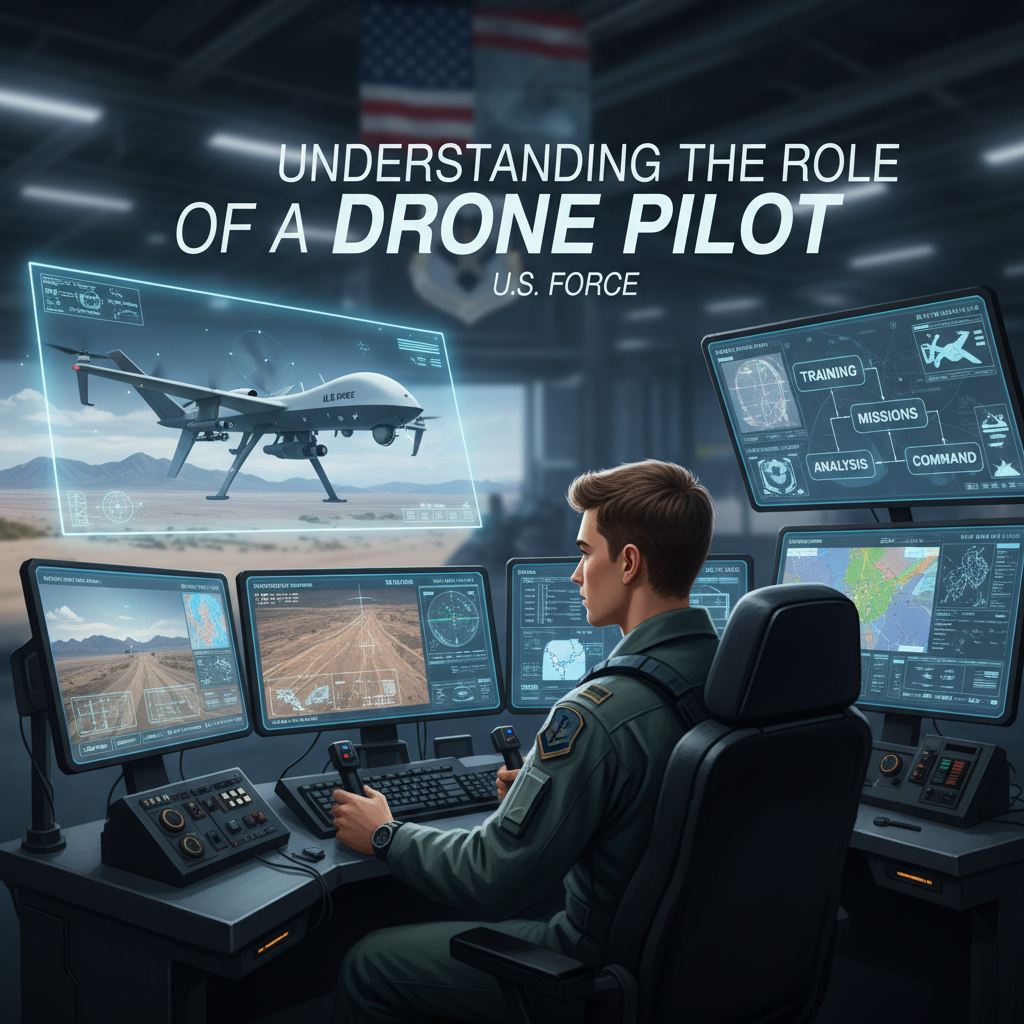
Drone pilots in the US Air Force play a critical role in modern military operations, primarily focusing on intelligence, surveillance, reconnaissance (ISR), and precision strike missions. These pilots operate unmanned aerial vehicles (UAVs) to gather intelligence, monitor enemy movements, and conduct targeted strikes with minimal risk to personnel. The importance of drones in contemporary warfare cannot be overstated; they provide real-time data that enhances situational awareness and decision-making for commanders on the ground. Moreover, the use of drones allows the Air Force to conduct missions in areas that may be too dangerous for manned aircraft, making them an invaluable asset in various operational environments.
Educational Requirements
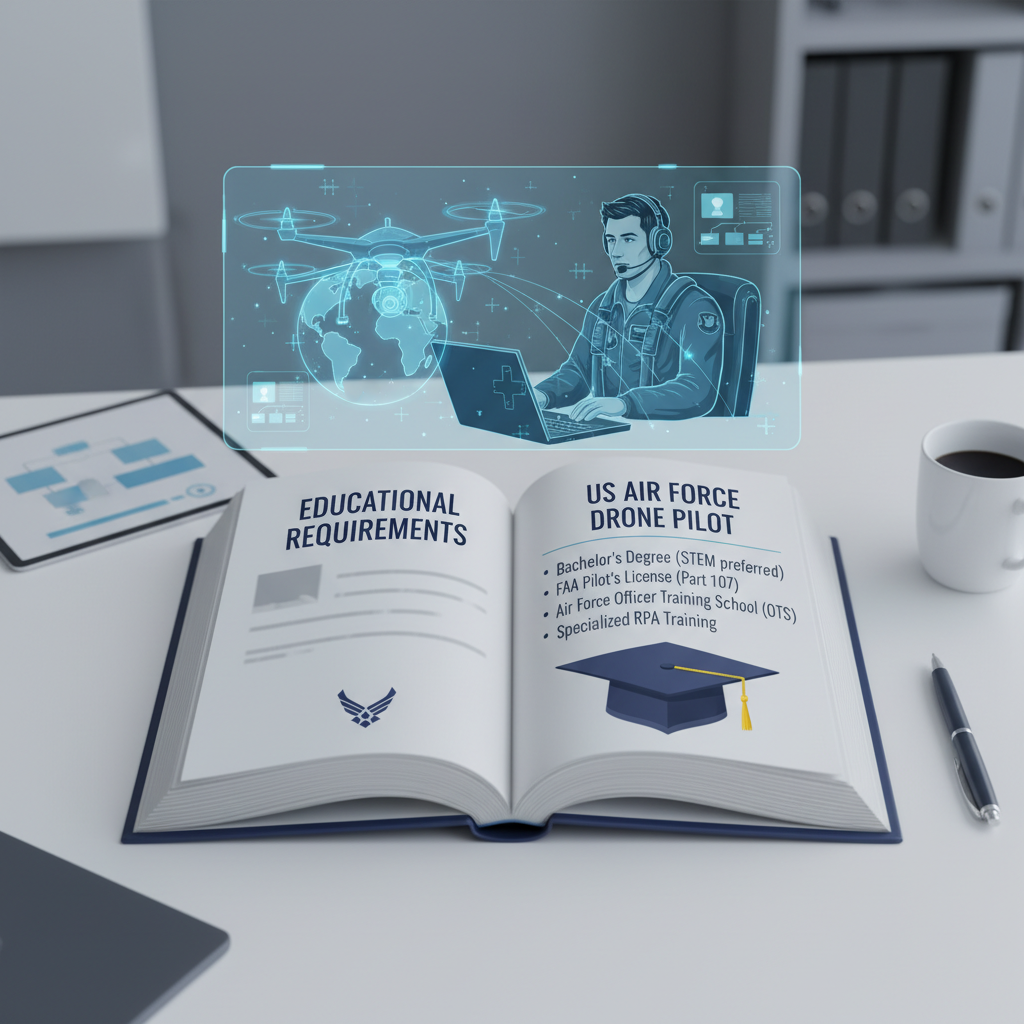
To embark on a career as a US Air Force drone pilot, candidates typically need a bachelor’s degree from an accredited institution. While there is no specific degree requirement, fields such as aviation, engineering, computer science, or information technology are highly recommended. These disciplines provide a robust foundation in the technical skills necessary for operating sophisticated drone systems. Additionally, aspiring drone pilots should consider pursuing courses in aerodynamics, robotics, and flight operations to enhance their understanding of UAV technology and improve their operational capabilities.
Joining the Air Force
Enlisting in the US Air Force is the first significant step towards becoming a drone pilot. Interested individuals must first meet several eligibility criteria, including age, citizenship, and physical fitness standards. The enlistment process involves taking the Armed Services Vocational Aptitude Battery (ASVAB) test to assess skills and knowledge. After successfully enlisting, candidates must complete Basic Military Training (BMT), which lasts approximately eight weeks. Following BMT, individuals must apply for pilot training, which involves a selection process that evaluates their aptitude for flying and operating drones. The selection is competitive, and candidates must demonstrate strong leadership qualities, problem-solving skills, and a commitment to the mission.
Training Programs
Once selected for pilot training, candidates enter the Air Force’s pilot training pipeline, which is a rigorous and structured program. This training includes both classroom instruction and hands-on flight training. For drone pilots, Initial Flight Training (IFT) is essential, focusing on the fundamentals of flying and operating UAVs. After IFT, candidates will progress to the Remotely Piloted Aircraft (RPA) training course, where they will learn the specific systems and operations of drones, including navigation, target acquisition, and mission planning. This phase includes simulator training and actual flight operations, ensuring that pilots are proficient in managing UAVs in various scenarios.
Gaining Experience and Skills
Practical experience is vital for drone pilots, as it directly impacts their effectiveness in the field. While formal flight hours are essential, gaining additional experience through simulated missions and cross-training with other military branches can enhance a pilot’s skills. Pilots should also focus on developing critical soft skills, such as communication, teamwork, and adaptability, which are crucial for operating in dynamic environments and collaborating with other military personnel. Continuous learning is key; pilots are encouraged to stay updated on technological advancements and emerging tactics in drone operations, ensuring they remain at the forefront of their profession.
Career Advancement Opportunities
The career paths for drone pilots in the Air Force are diverse and offer numerous advancement opportunities. After gaining experience, pilots may have the chance to take on leadership roles, such as squadron commander or operations officer, where they can influence strategic decisions and mentor junior pilots. Additionally, the Air Force provides avenues for further training and certifications, such as advanced tactical training or specialized missions, which can enhance a pilot’s qualifications and marketability. Veterans of the Air Force often find that their skills and experience translate well into civilian roles in industries such as aerospace, defense, and technology, providing a wealth of career options beyond military service.
Life as a Drone Pilot
Life as a drone pilot in the Air Force involves a unique blend of technical expertise and strategic decision-making. Daily routines typically include mission planning, briefings, and flight operations, often conducted from remote locations or command centers. The work environment can be both collaborative and intense, necessitating strong communication skills among team members. While the role of a drone pilot comes with significant responsibilities and challenges, including the psychological impact of remote warfare, it also offers immense rewards. Pilots play a crucial role in national security, and the ability to operate cutting-edge technology in defense of the country can be profoundly fulfilling.
In conclusion, becoming a US Air Force drone pilot is a rewarding path that requires dedication, education, and training. Candidates must navigate a structured process involving educational requirements, military enlistment, specialized training, and skill development. By focusing on these essential steps, individuals interested in this career can prepare themselves for a successful and impactful role in the Air Force. If you’re interested in this career, take the first step by exploring educational programs and enlisting in the Air Force.
Frequently Asked Questions
What are the basic requirements to become a U.S. Air Force drone pilot?
To become a U.S. Air Force drone pilot, candidates must meet several requirements, including being a U.S. citizen, holding a bachelor’s degree, and passing a series of medical and fitness assessments. Additionally, candidates must complete Officer Training School (OTS) or attend the United States Air Force Academy to become commissioned officers. It’s also essential to successfully complete the Air Force’s remotely piloted aircraft (RPA) training program.
How long does it take to become a drone pilot in the U.S. Air Force?
The total time to become a U.S. Air Force drone pilot can vary, but generally, it takes around 12-18 months after commissioning. This includes completing the initial training at Officer Training School (OTS) or the Air Force Academy, followed by specialized training in remotely piloted aircraft. After graduating from these programs, pilots will undergo further operational training before being assigned to a unit.
Why is becoming a drone pilot in the U.S. Air Force a desirable career choice?
Becoming a drone pilot in the U.S. Air Force is a desirable career because it offers a unique opportunity to operate advanced technology and play a critical role in national defense. Drone pilots have the chance to engage in mission-critical operations without being physically present in combat zones, which enhances safety. Additionally, the role provides competitive pay, benefits, and the potential for career advancement within the military and in civilian sectors after service.
What skills are necessary to succeed as a U.S. Air Force drone pilot?
Successful U.S. Air Force drone pilots must possess strong technical skills, including proficiency in operating complex software and navigation systems. They need excellent situational awareness, critical thinking, and the ability to make quick decisions under pressure. Additionally, strong communication skills are vital for coordinating with other team members, as drone operations often involve collaboration with ground forces and intelligence analysts.
Which types of drones do U.S. Air Force pilots typically operate?
U.S. Air Force drone pilots typically operate several types of unmanned aerial vehicles (UAVs), including the MQ-1 Predator, MQ-9 Reaper, and RQ-4 Global Hawk. Each of these drones serves different purposes, from surveillance and reconnaissance to precision strikes. Understanding the capabilities and roles of these UAVs is crucial for pilots, as it impacts mission planning and execution in real-world operations.
References
- https://www.airforce.com/careers/browse-careers/pilot
- https://www.af.mil/About-Us/Fact-Sheets/Display/Article/104473/drone-pilot
- https://www.wired.com/story/drone-pilots-uss-aviators/
- https://www.nytimes.com/2021/06/09/us/politics/drone-pilots-air-force.html
- https://www.afpc.af.mil/Portals/70/documents/AFPC/education/AF%20Pilot%20Training%20Guide.pdf
- https://en.wikipedia.org/wiki/Unmanned_aerial_vehicle#Military_use
- https://www.military.com/join-armed-forces/air-force-drone-pilot.html
