
Drones are increasingly utilized for spraying applications in various sectors, particularly in agriculture, pest control, and urban environments. These unmanned aerial vehicles (UAVs) are designed to efficiently distribute liquids such as fertilizers, pesticides, and herbicides over expansive areas, enhancing accuracy while significantly reducing labor costs and time spent on these tasks. By integrating advanced technology, drones are transforming traditional methods of application, making them more sustainable and efficient.
Overview of Drone Spraying Technology
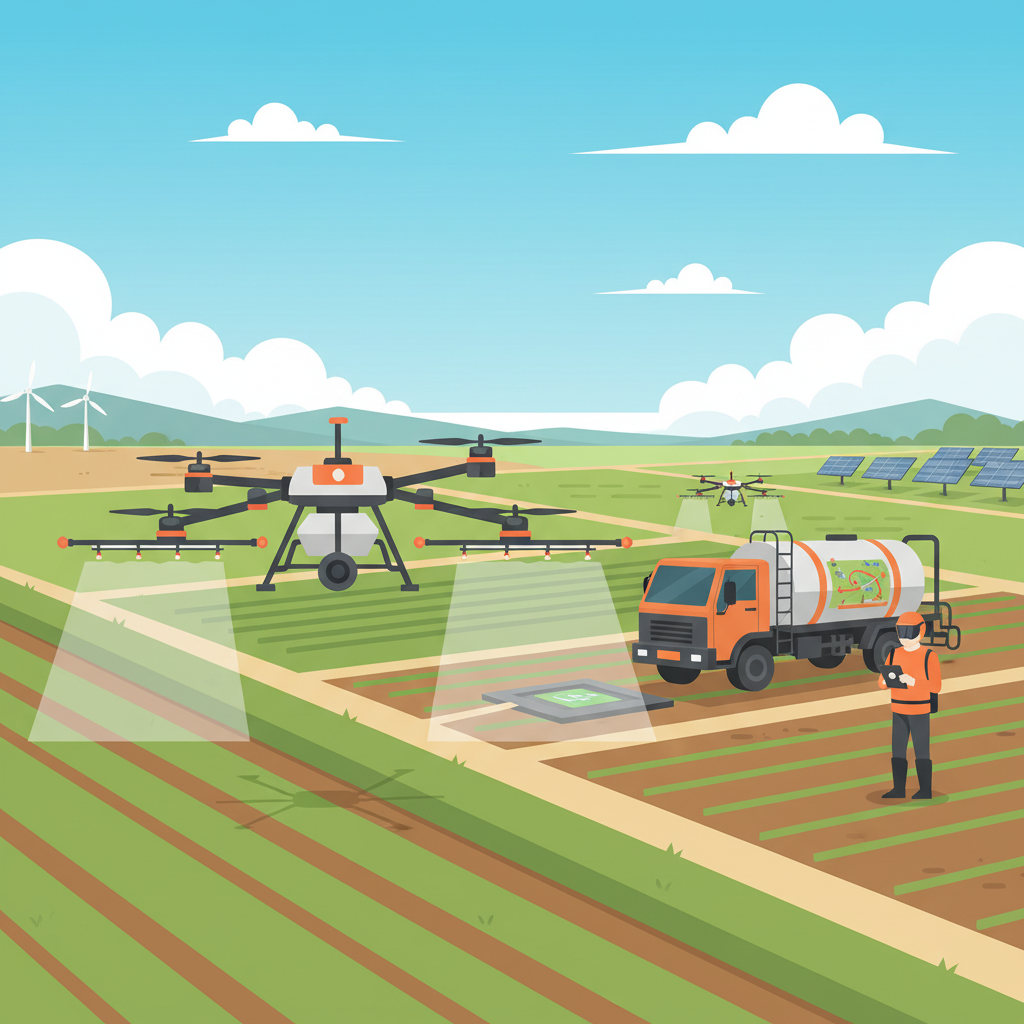
The technological advancements in drone spraying systems have redefined agricultural practices and other industries reliant on liquid applications. Drones equipped with sophisticated spraying systems can cover vast agricultural fields quickly, allowing farmers to manage large areas with ease. These drones utilize GPS and mapping technology to create detailed flight paths, enabling them to apply chemicals precisely where needed. For instance, a drone can navigate complex field layouts, ensuring that every inch is treated without overlap or gaps.
Moreover, the integration of sensors and cameras provides real-time data, allowing operators to monitor conditions and adjust applications accordingly. This precision application minimizes waste, as it ensures that only the necessary amount of product is utilized, thereby reducing the overall environmental impact. By controlling the droplet size and spray patterns, drones ensure that the application is effective, further enhancing the sustainability of agricultural practices.
Agricultural Applications
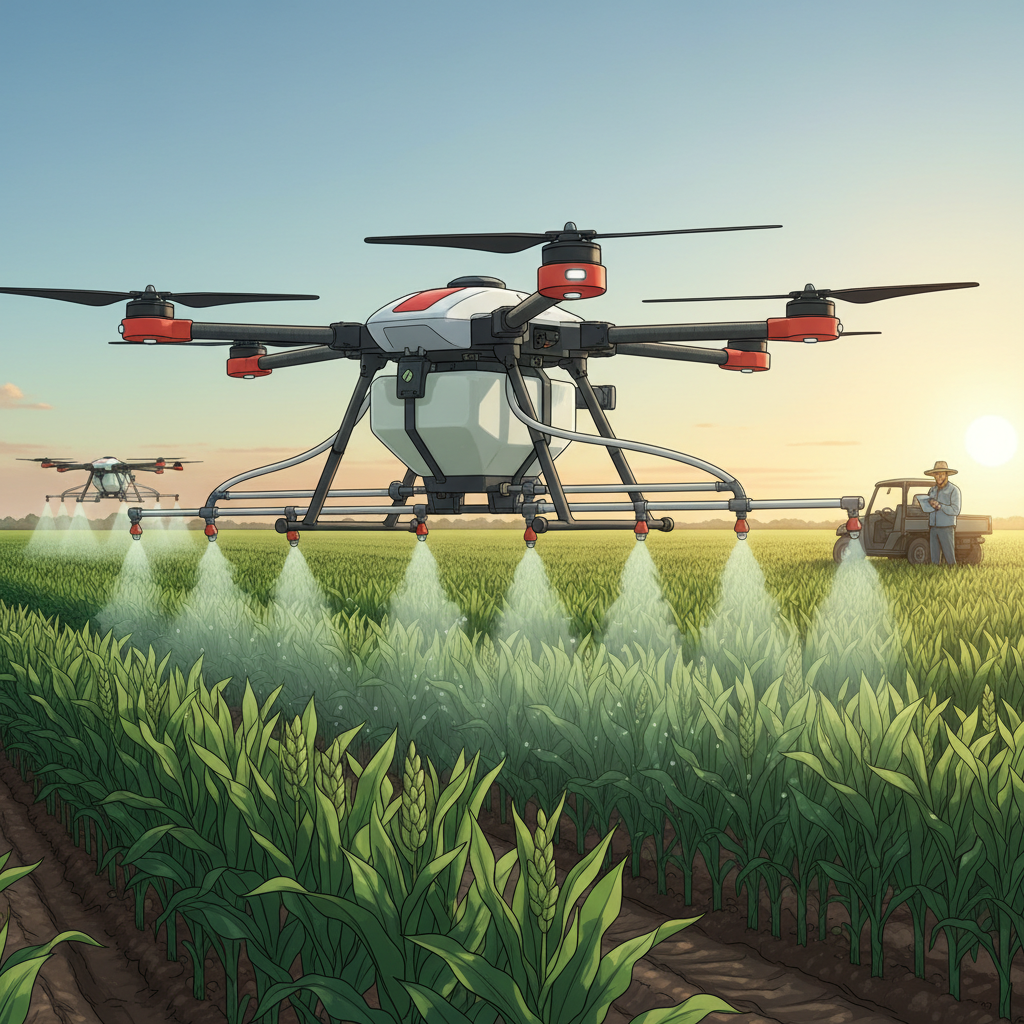
In agriculture, drones are revolutionizing how farmers manage their crops. They are commonly used to spray fertilizers and pesticides, which enhances crop yield and overall plant health. With the ability to cover large fields in a fraction of the time it would take traditional methods, drones improve efficiency and reduce labor costs significantly.
Additionally, drones play a crucial role in monitoring crop health. Equipped with multispectral cameras, they can assess plant vigor, detect diseases, and identify pest infestations early. This data allows farmers to determine the optimal timing for spraying, ensuring that interventions are made when they will be most effective. For example, a farmer can use drone technology to identify areas of a field that are under stress, and apply targeted treatments, thereby conserving resources and maximizing yield.
Pest Control and Vector Management
Drones have also emerged as a vital tool in pest control and vector management. In urban settings, they can effectively target specific areas to control insect populations, such as mosquitoes, which are known carriers of diseases like West Nile virus and Zika. By applying pesticides in a targeted manner, drones reduce the need for widespread chemical use, which can have detrimental effects on non-target species and the environment.
For instance, cities facing mosquito outbreaks can deploy drones to apply larvicides in standing water bodies, ensuring that the treatment reaches the most affected areas without unnecessarily treating the entire region. This method not only enhances public health outcomes but also aligns with environmentally responsible practices, making drone spraying a sustainable solution in pest management.
Environmental Monitoring
Beyond agriculture and pest control, drones are increasingly utilized in environmental conservation efforts. They are particularly effective in controlling invasive species in sensitive ecosystems where traditional access may be challenging. For example, drones can assist in spraying herbicides in areas with dense vegetation, such as wetlands or remote forests, where manual application would be impractical or damaging to the environment.
Furthermore, drones can monitor the success of restoration projects by providing aerial assessments of vegetation recovery and biodiversity improvements. This capability allows environmental scientists and conservationists to make informed decisions about ongoing management strategies and the allocation of resources to areas that require additional attention.
Regulations and Safety Considerations
As the use of drones for spraying applications gains traction, it is crucial to adhere to strict regulations that govern their operation. Regulatory bodies, such as the Federal Aviation Administration (FAA) in the United States, have established guidelines to ensure that drone operations are safe and compliant with agricultural standards. These regulations typically include requirements for pilot licensing, operational limits, and adherence to safety protocols when handling chemicals.
Operators must undergo specific training to understand the complexities of drone operation and the safe handling of chemicals used in spraying. This training helps mitigate risks associated with droning spraying, such as accidental exposure to chemicals or unintended environmental impacts. Compliance with these regulations not only protects the operator and the public but also enhances the credibility of drone spraying as a legitimate agricultural practice.
Future Trends in Drone Spraying
The future of drone spraying looks promising, driven by rapid technological advancements. The integration of artificial intelligence (AI) and machine learning is paving the way for smarter, more efficient spraying solutions. These technologies can analyze data from previous applications to optimize future spraying tasks, improving accuracy and efficacy further.
Innovations in battery technology and payload capacity are also set to enhance drone capabilities. With longer flight times and the ability to carry heavier loads, drones will be able to cover larger areas and apply more significant quantities of product in a single flight. This evolution will enable farmers and environmental managers to enhance their operational efficiency and respond more effectively to emerging challenges.
Moreover, the growing trend of data-driven agriculture will likely incorporate drones as essential tools for collecting and analyzing crop data, leading to more precise and informed decision-making processes.
In conclusion, drones are revolutionizing the way we approach spraying applications across multiple industries. Their efficiency, precision, and adaptability make them an invaluable tool for modern agriculture and environmental management. As this technology continues to evolve, it will likely offer even more innovative solutions in the future, further enhancing sustainability and productivity in various sectors. The ongoing integration of advanced technologies will ensure that drone spraying remains at the forefront of agricultural and environmental practices.
Frequently Asked Questions
What are the different types of substances that drones can spray?
Drones can spray a variety of substances, including pesticides, herbicides, fertilizers, and even water for irrigation purposes. In agriculture, drone spraying is particularly beneficial as it allows for precise application of chemicals, reducing waste and minimizing environmental impact. Additionally, drones are also utilized in non-agricultural sectors for spraying disinfectants in urban areas or for firefighting purposes.
How do drones ensure accurate and effective spraying?
Drones are equipped with advanced technologies such as GPS, sensors, and high-resolution cameras, which allow them to map fields and identify target areas for spraying. This technology enables precise application, ensuring that the right amount of substance is sprayed in the right location. Moreover, many drones can adjust their flight path in real-time based on environmental conditions, enhancing the effectiveness of the spraying process.
Why are drones preferred over traditional spraying methods?
Drones are preferred over traditional spraying methods for several reasons, including their ability to cover large areas quickly and efficiently, reduced labor costs, and minimized chemical exposure for operators. Additionally, drone spraying is less disruptive to the environment, as it can target specific areas without the need for heavy machinery that may cause soil compaction or damage crops. This precision leads to better crop health and increased yields.
What regulations should I be aware of when using drones for spraying?
When using drones for spraying, it’s crucial to comply with regulations set by aviation authorities, such as the Federal Aviation Administration (FAA) in the United States. These regulations often include obtaining a Remote Pilot Certificate, ensuring the drone is registered, and adhering to specific guidelines regarding flight altitude, proximity to people, and no-fly zones. Additionally, it’s important to follow local agricultural regulations concerning the use of pesticides and chemicals to ensure safety and compliance.
Which drones are best suited for agricultural spraying applications?
The best drones for agricultural spraying typically feature large payload capacities, long flight times, and advanced navigation systems. Popular models include the DJI Agras series, which offers robust spraying capabilities and precision agriculture features, and the Parrot Bluegrass, known for its versatility and ease of use. When choosing a drone, consider factors such as the size of your farmland, the types of substances you plan to spray, and your budget, ensuring that the drone meets your specific agricultural needs.
References
- https://en.wikipedia.org/wiki/Drone_spraying
- https://www.epa.gov/pesticides/pesticide-spraying-drones
- https://www.sciencedirect.com/science/article/pii/S2351978921000564
- https://www.nature.com/articles/s41598-021-93956-8
- https://www.fao.org/3/ca4789en/CA4789EN.pdf
- https://www.bbc.com/news/technology-49851720
- https://www.usda.gov/topics/farming/drone-technology-agriculture
- https://www.nytimes.com/2021/05/27/science/drones-agriculture-spraying.html
