

Flying drones can be relatively easy for beginners, especially with modern technology. However, factors such as the type of drone, the user’s experience, and the environment can influence the ease of operation. This article will explore the various aspects of flying drones to help you understand how accessible they are for new pilots.
Understanding Drone Types
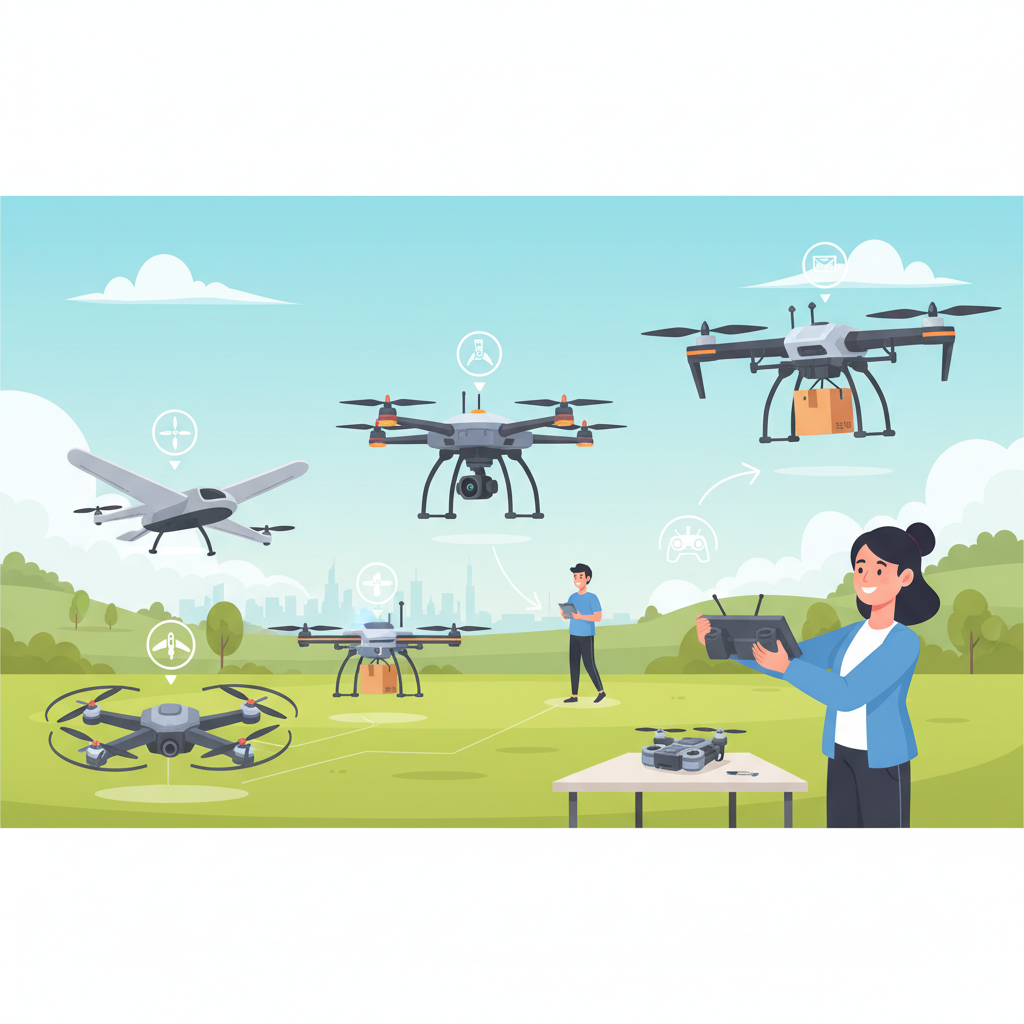
Different drones have varying complexities, which significantly affects the ease of flying them. For instance, toy drones are typically lightweight, small, and designed for indoor use, making them ideal for children or those completely new to the hobby. These models often come with simplified controls and fewer features, allowing beginners to grasp the basics of drone flight without feeling overwhelmed.
On the other hand, professional drones, such as those used for aerial photography or surveying, come equipped with advanced features like GPS, auto-hover capabilities, and image stabilization. These characteristics can be a double-edged sword; while they enhance the flying experience by making control easier, they also introduce a steeper learning curve for newcomers. Understanding the specific type of drone you are considering is crucial in assessing how easy it will be for you to fly.
Learning Curve for Beginners
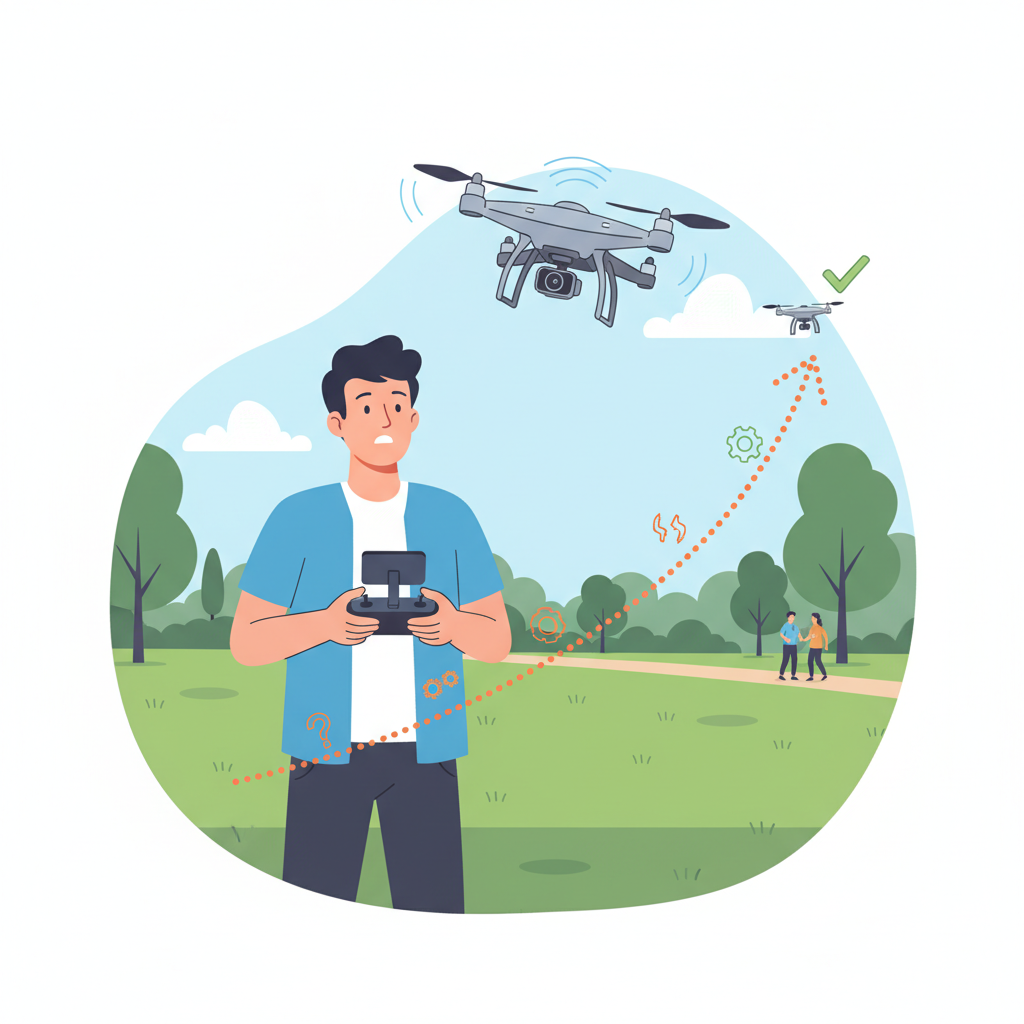
The learning curve for mastering drone flight can vary, but the essential skills required are relatively basic. New pilots need to focus on fundamental actions such as takeoff, landing, and basic maneuvering. Many beginner drones come with user-friendly interfaces that guide pilots through these processes, often incorporating features that allow for a gradual learning progression.
Manufacturers also recognize the need for effective training and often provide simulators and tutorials that make the learning process more engaging. For example, some brands offer mobile applications that simulate drone flight, allowing users to practice without any risk of crashing an actual drone. By engaging with these resources, beginners can build their skills in a controlled, stress-free environment.
Essential Controls and Features
Understanding the essential controls and features of a drone is vital for effective operation. Most remote controls include joysticks for navigation, allowing pilots to control altitude, direction, and rotation. Additionally, there are often buttons that activate specific functions such as camera capture or speed adjustments.
New features like one-button takeoff and landing are game-changers for beginners. They simplify the process significantly, allowing inexperienced pilots to focus more on enjoying the flight rather than stressing about technical maneuvers. Some drones even offer follow-me modes or autonomous flight paths, which can help new pilots feel more comfortable as they build confidence in their flying abilities.
Safety Considerations
Safety is a paramount concern when flying drones, especially for newcomers. Understanding airspace regulations is crucial; it is essential for pilots to know where they can legally fly. Most countries have specific laws governing drone flight, including restrictions around airports, populated areas, and private property. Familiarizing oneself with these regulations not only helps avoid legal issues but also ensures the safety of both the pilot and the public.
In addition to regulations, many modern drones come equipped with safety features like obstacle avoidance systems, which use sensors to detect and avoid obstacles in real time. These features can prevent crashes and enhance a pilot’s confidence, making the experience more enjoyable. For example, drones from brands like DJI are renowned for their advanced obstacle detection, enabling safer flights even for less experienced pilots.
Environmental Factors
The environment in which you fly your drone plays a significant role in the ease of operation. Weather conditions such as wind, rain, and extreme temperatures can adversely affect flight performance. Wind, in particular, can be challenging, as it may cause the drone to drift unexpectedly, making control difficult for beginners.
Ideally, new pilots should seek out open spaces that are free from obstructions such as trees, buildings, and power lines. Parks or open fields are excellent locations for practice, as they provide ample space to maneuver without the risk of crashing into obstacles. Additionally, flying during calm weather conditions can help ensure a smoother and more enjoyable flight experience.
Common Challenges and Solutions
New pilots often face common challenges, with orientation and depth perception being among the most significant hurdles. Orientation can be particularly tricky, as the drone’s perspective can differ greatly from the pilot’s viewpoint. This can lead to confusion, especially when the drone is flying away from the pilot.
To overcome these challenges, practice is key. Beginners should start with beginner-friendly settings on their drones, which often include features that limit speed and altitude. This allows pilots to become accustomed to the controls without feeling overwhelmed. Additionally, using simulators can help bridge the gap in understanding and improve overall confidence before taking to the skies.
Resources for New Pilots
New pilots are fortunate to have access to a wealth of resources designed to support their journey. Online forums and communities, such as those found on Reddit or specialized drone websites, provide platforms for sharing experiences, asking questions, and receiving advice from more seasoned pilots. These communities can be invaluable for troubleshooting and learning from others’ mistakes.
Moreover, official drone training programs and certification courses are available in many regions, offering structured learning opportunities that can greatly enhance a pilot’s skills. These courses often cover essential topics such as flight safety, drone mechanics, and advanced flying techniques, equipping new pilots with the knowledge they need to fly confidently and responsibly.
In conclusion, while many factors influence the ease of flying drones, beginners can find success with the right tools and resources. By understanding the types of drones, practicing diligently, and utilizing available support, anyone can learn to fly a drone confidently. The journey may come with its challenges, but with dedication and the right approach, the sky is the limit for aspiring drone pilots.
Frequently Asked Questions
Are drones easy to fly for beginners?
Yes, many drones are designed with beginners in mind, featuring user-friendly controls and automatic stabilization systems that make flying simpler. Additionally, many models come with beginner modes that limit speed and altitude, allowing new users to build confidence before advancing to more complex maneuvers. However, it’s essential for beginners to practice in open areas and consider taking an online course or following tutorials to enhance their flying skills.
What factors influence the ease of flying a drone?
The ease of flying a drone is influenced by several factors, including drone type, weight, design, and the presence of features like GPS, altitude hold, and obstacle avoidance. Lightweight drones with intuitive controls are generally easier for novices to manage. Additionally, the flying environment plays a significant role; calm weather conditions and open spaces facilitate a smoother flying experience compared to crowded or windy areas.
How can I improve my drone flying skills quickly?
To improve your drone flying skills quickly, start by familiarizing yourself with the drone’s controls and settings through practice sessions in a safe, open environment. Utilizing simulators can also be an effective way to enhance your skills without risking damage to your drone. Additionally, watching instructional videos or joining local drone clubs can provide valuable tips and feedback from experienced pilots, helping you progress more rapidly.
Why do some people find drones difficult to fly?
Some people may find drones difficult to fly due to a lack of experience with remote controls or technology in general. Factors such as windy conditions, complex controls, and not understanding the drone’s flight modes can also contribute to the difficulty. Moreover, mental blocks regarding coordination and fear of crashing can hinder a novice’s confidence and ability to operate the drone effectively.
Which drones are best for beginners who want an easy flying experience?
Some of the best drones for beginners include models like the DJI Mini SE, Holy Stone HS720, and Ryze Tech Tello. These drones are equipped with beginner-friendly features such as easy-to-use controls, stable flight performance, and built-in safety features like auto-land and emergency stop. When choosing a drone, look for those with good customer reviews, reliable technical support, and clear instructions to ensure a smooth learning curve.
References
- https://en.wikipedia.org/wiki/Drone_flight
- https://www.faa.gov/uas/getting_started/fly_for_fun
- https://www.nytimes.com/2021/02/16/technology/drones-easy-to-fly.html
- https://www.abc.net.au/news/science/2020-12-03/how-to-fly-a-drone/12949276
- https://www.sciencedirect.com/science/article/pii/S2351978921003479
- https://www.nationalgeographic.com/science/article/how-drones-are-changing-the-way-we-see-the-world
- https://www.theguardian.com/technology/2020/oct/18/drones-flying-technology-explained
- https://www.wired.com/story/flying-drone-beginners-guide/
