

Yes, drones are still actively used in New Jersey, supported by a robust regulatory framework that promotes safe and responsible operations. The state has embraced drone technology across various industries, from agriculture to real estate, while also providing recreational opportunities for enthusiasts. As drone usage continues to evolve, this article will explore the current status of drones in New Jersey, focusing on regulations, popular applications, recreational flying, commercial services, challenges faced by operators, and future trends in drone technology.
Current Regulations for Drones in New Jersey
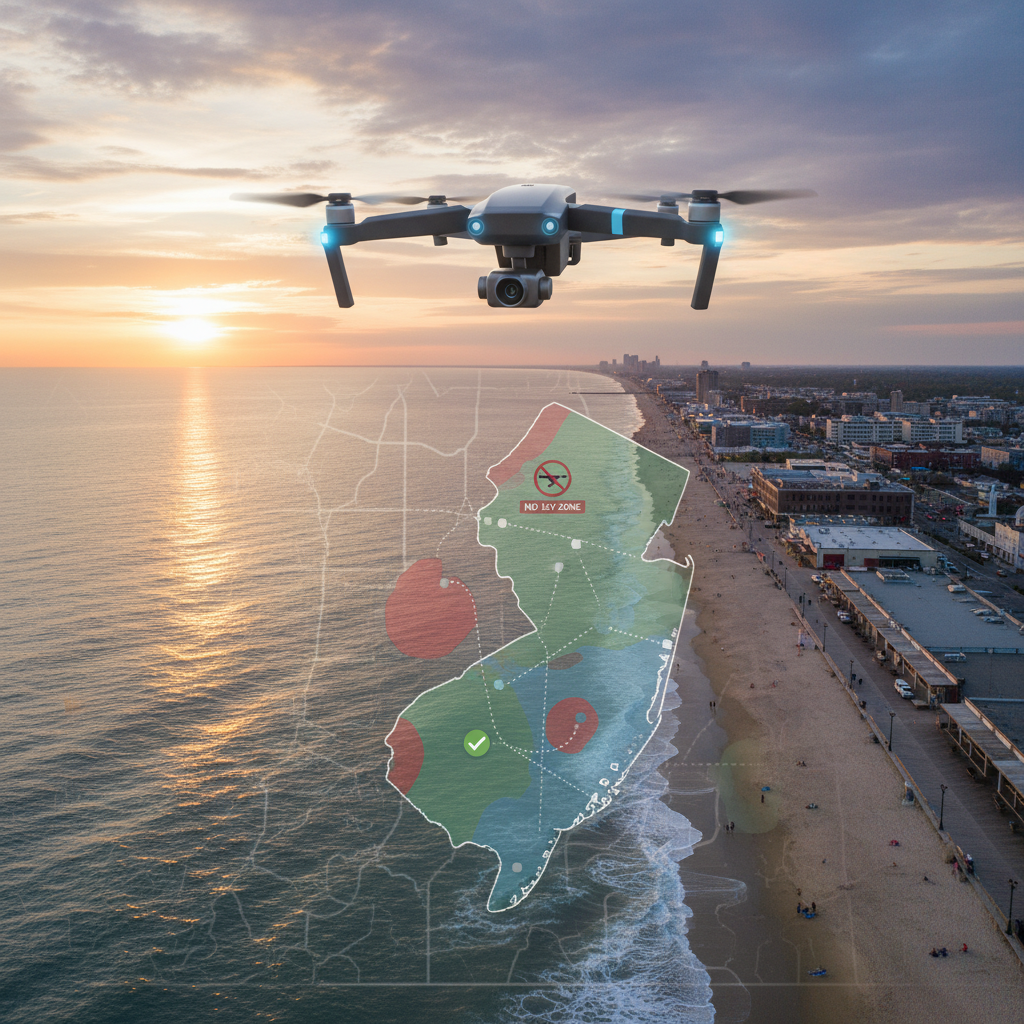
In New Jersey, drone regulations are primarily overseen by the New Jersey Division of Aeronautics, which operates under the guidelines established by the Federal Aviation Administration (FAA). These regulations are designed to ensure the safety and security of drone operations within state airspace. All drone operators must register their drones with the FAA if they weigh more than 0.55 pounds. Additionally, they must adhere to specific airspace rules, which include not flying above 400 feet, maintaining visual line-of-sight with the drone, and avoiding restricted areas such as airports, military bases, and populated urban areas.
Moreover, New Jersey law requires drone operators to respect privacy concerns and avoid flying over private property without permission. Local municipalities may also impose their own ordinances regarding drone usage, which can include restrictions on flight times, designated flying zones, and other operational guidelines. Consequently, it is crucial for drone operators to familiarize themselves with both state and local regulations to avoid potential penalties and ensure safe flying practices.
Popular Uses of Drones in New Jersey
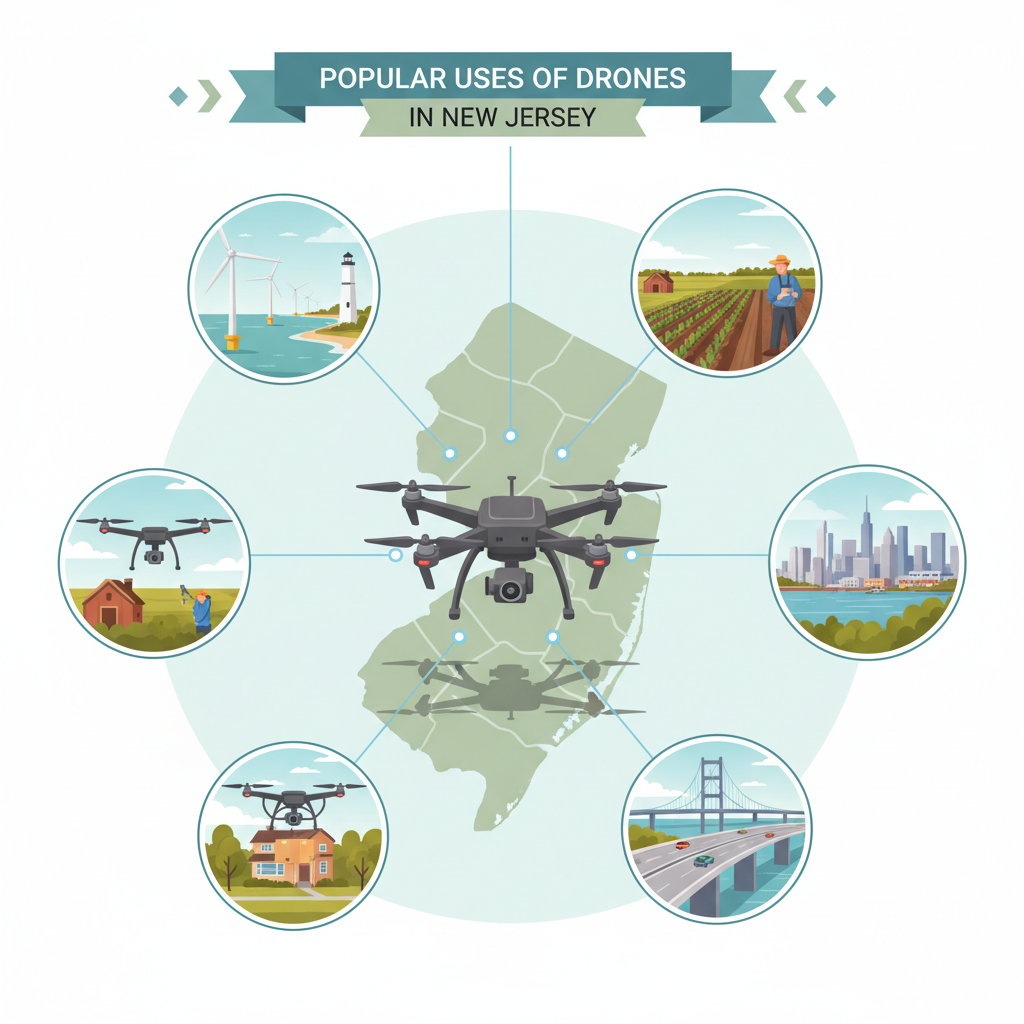
Drones have found a multitude of applications in New Jersey, significantly impacting various sectors. One of the most prominent uses is in agriculture, where farmers leverage drone technology for crop monitoring and mapping. Drones equipped with advanced sensors and imaging technology can provide farmers with real-time data on crop health, soil conditions, and irrigation needs. This information enables more efficient resource management, ultimately leading to increased yield and reduced operational costs.
The real estate industry also benefits from drone technology, particularly through aerial photography and virtual tours. Real estate agents use drones to capture stunning aerial views of properties, showcasing their surroundings and unique features that traditional photography cannot convey. This capability enhances property listings and attracts potential buyers, making it a valuable tool in a competitive market.
Additionally, events and entertainment venues utilize drones for filming and live streaming aerial views of concerts, festivals, and sports events. The ability to capture high-quality footage from above creates a unique viewing experience for audiences, further embedding drones into the fabric of various industries in New Jersey.
Recreational Drone Flying in New Jersey
For recreational drone enthusiasts, New Jersey offers numerous parks and open spaces where flying is permitted, provided that pilots adhere to specific rules and regulations. Popular locations include Liberty State Park and the Jacob Riis Park area, where users can enjoy expansive landscapes conducive to drone flying. However, operators must remain aware of their surroundings and other park visitors to ensure safety and compliance with local regulations.
Local drone clubs and organizations play a vital role in fostering community engagement among drone pilots. These clubs often host events, workshops, and training sessions to help enthusiasts improve their flying skills, learn about regulations, and connect with fellow hobbyists. Participating in these clubs not only enhances individual flying capabilities but also promotes responsible drone use in the community.
Furthermore, New Jersey’s scenic landscapes and urban settings provide ample opportunities for recreational flying, making it an attractive destination for drone enthusiasts. However, it is essential for pilots to remain informed about local laws and regulations to ensure a safe and enjoyable flying experience.
Commercial Drone Services on the Rise
The use of drones for commercial purposes is on the rise in New Jersey, with various industries recognizing the benefits of drone technology. The construction sector, for example, has begun utilizing drones for site surveys and inspections. Drones can quickly capture high-resolution aerial imagery of construction sites, allowing project managers and engineers to monitor progress, assess safety, and identify potential issues early on. This technology not only saves time and resources but also enhances project accuracy and efficiency.
Emergency services are also increasingly relying on drones to improve response times and operational efficiency. Drones are deployed in search and rescue operations, allowing responders to cover large areas quickly and efficiently. For instance, during natural disasters such as hurricanes or floods, drones can assess damage and locate individuals in distress, significantly improving rescue efforts.
Moreover, industries such as insurance and logistics are beginning to explore the potential of drones for claims assessment and package delivery services. As businesses continue to adopt drone technology, the demand for commercial drone services in New Jersey is expected to grow, leading to job creation and economic development.
Challenges Facing Drone Operators in New Jersey
Despite the numerous benefits of drone technology, operators in New Jersey face several challenges that can hinder their flying experience. One of the primary concerns is airspace congestion, particularly in urban areas. With increasing drone usage, the airspace can become crowded, complicating navigation and heightening the risk of accidents. Operators must remain vigilant and aware of their surroundings to avoid collisions with other aircraft or obstacles.
Additionally, compliance with local laws and community concerns can pose challenges for drone operators. Many municipalities have enacted specific regulations that may differ from state and federal guidelines, leading to confusion among operators. Furthermore, some community members may have reservations about drone flying, raising privacy concerns or expressing discomfort with the presence of drones in their neighborhoods. It is crucial for operators to engage with their communities, educate the public about drone technology, and work collaboratively to address concerns while promoting safe and responsible flying practices.
Future Trends in Drone Technology in New Jersey
As drone technology continues to advance, several future trends are emerging that could reshape the landscape of drone operations in New Jersey. One significant trend is the integration of drones into delivery services. Companies like Amazon and UPS are testing drone logistics for package delivery, aiming to reduce delivery times and improve customer satisfaction. As regulatory frameworks evolve to accommodate these developments, New Jersey could become a key player in the drone delivery market.
Additionally, advancements in artificial intelligence (AI) and machine learning are poised to enhance drone operational capabilities. AI can improve navigation systems, enabling drones to avoid obstacles autonomously and optimize flight paths based on real-time environmental data. This technology could lead to more efficient and safer operations, particularly in complex urban environments.
Moreover, the ongoing evolution of drone regulations will likely adapt to accommodate new technologies and applications. As drone usage continues to expand, collaboration between regulatory bodies, industry stakeholders, and operators will be essential to ensure a safe and innovative future for drone technology in New Jersey.
In conclusion, drones remain a vital and growing part of New Jersey’s technological landscape, with a comprehensive regulatory framework supporting their operation across various sectors. From agriculture to emergency services, the applications of drones are diverse and impactful. As technology advances and new trends emerge, it is essential for operators to stay informed about regulations and evolving practices to maximize their drone usage effectively. Embracing this technology can enhance operational efficiency, foster community engagement, and pave the way for innovative solutions in the future.
Frequently Asked Questions
Are drones still allowed to fly in New Jersey?
Yes, drones are still allowed to fly in New Jersey, but there are specific regulations and restrictions that pilots must follow. The Federal Aviation Administration (FAA) governs airspace use, requiring drone operators to register their drones and adhere to safety guidelines. Additionally, local laws may impose further restrictions, particularly around populated areas, parks, and near airports, so it’s essential to check both state and local regulations before flying.
What are the current drone regulations in New Jersey?
Current drone regulations in New Jersey include the requirement for drone registration with the FAA for any drone weighing over 0.55 pounds. Operators must fly below 400 feet, maintain a visual line of sight with their drone, and avoid flying over people and moving vehicles. Certain areas, like state parks and near airports, may have additional restrictions, so it’s crucial for drone operators to familiarize themselves with both state laws and FAA guidelines.
How can I find drone-friendly locations in New Jersey?
To find drone-friendly locations in New Jersey, you can use resources like the FAA’s B4UFLY app, which provides information about airspace restrictions and nearby airports. Additionally, many online drone communities and forums share data on popular flying spots and local regulations. Websites like DroneDeploy and UAV Coach also offer guides and maps highlighting suitable areas for recreational and commercial drone flying.
Why are there restrictions on drone flying in New Jersey?
Restrictions on drone flying in New Jersey primarily aim to ensure public safety and privacy. Drones can pose risks to manned aircraft and may infringe on the privacy of individuals if flown over private property or crowded areas. These regulations help balance the growing popularity of drone usage with the need to protect citizens and maintain safe airspace.
What are the best drones for beginners in New Jersey?
The best drones for beginners in New Jersey include models that are user-friendly, affordable, and equipped with safety features. Popular options like the DJI Mini SE, Holy Stone HS720, and Snaptain SP350 offer excellent stability, decent camera quality, and GPS functionality, making them ideal for novice pilots. When choosing a beginner drone, consider factors like ease of use, flight time, and customer support, which can enhance the learning experience.
References
- https://www.nj.gov/transportation/engineering/drones.shtml
- https://www.nj.gov/dep/airmon/drones.html
- https://www.nj.gov/transportation/news/press/2023/110823.shtml
- https://www.nj.gov/dep/newsrel/2023/20231024a.html
- https://www.nj.gov/state/drones/index.shtml
- https://www.nj.com/news/2023/07/nj-drones-are-legal-but-what-are-the-rules.html
