
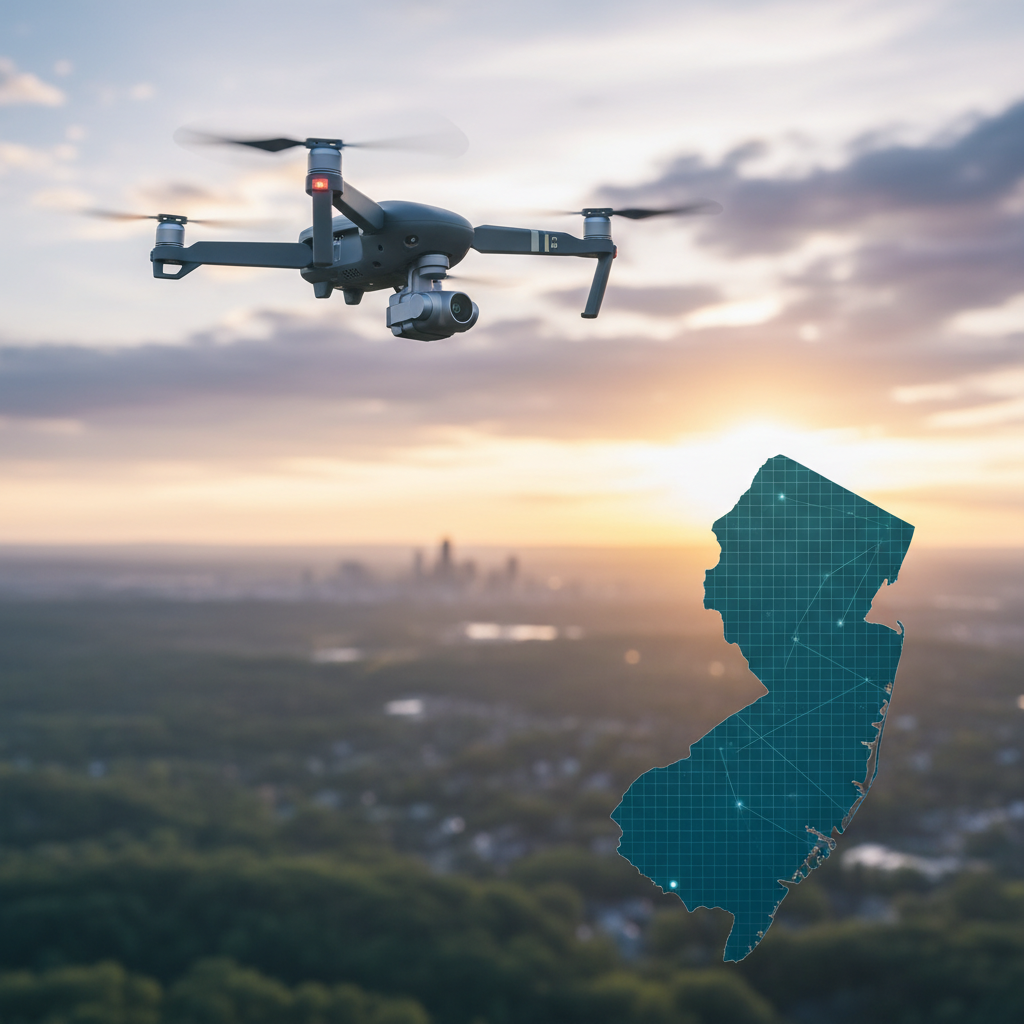
Yes, drones are still a common sight over New Jersey, especially in urban areas and near popular outdoor destinations. As technology advances and regulations evolve, the presence and usage of drones continue to shape the skies above the Garden State. With recreational pilots, commercial operators, and delivery services all contributing to the proliferation of drone activity, New Jersey has become a vibrant hub for aerial innovation and creativity.
Current Drone Usage in New Jersey
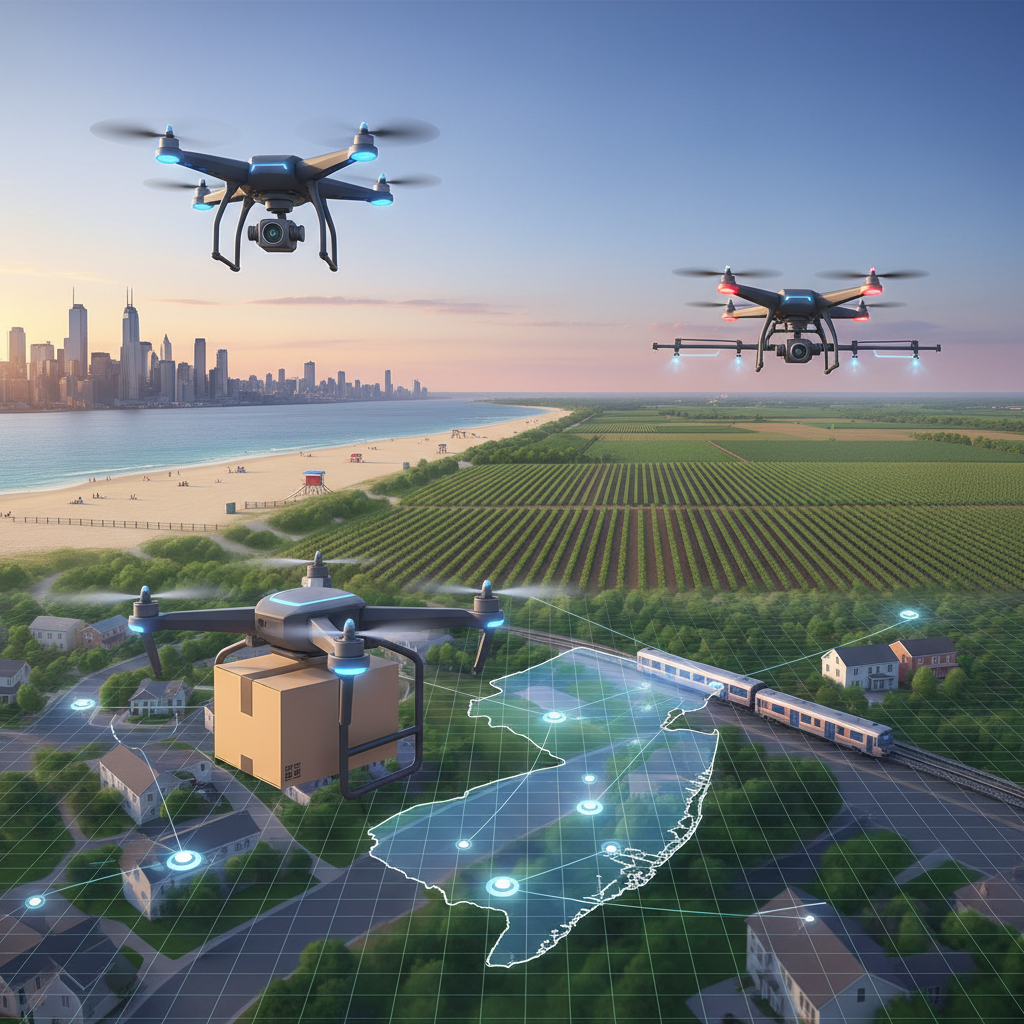
The types of drones commonly seen in New Jersey can be broadly categorized into recreational, commercial, and delivery drones. Recreational drones are often flown by hobbyists who enjoy capturing stunning aerial photography or simply piloting their devices for fun. Popular models include the DJI Mini series and the Parrot Anafi, which are known for their ease of use and portability.
Commercially, drones are being utilized in various industries, including photography, agriculture, and logistics. In the realm of photography, many real estate agents and event planners harness the power of drones to showcase properties and events from unique perspectives. Agricultural sectors use drones for crop monitoring and precision farming, enhancing yield while minimizing resource use. Logistics companies are increasingly exploring drone delivery systems, with Amazon and UPS leading the charge in testing drone applications for last-mile delivery in urban settings.
The versatility of drones has revolutionized traditional practices across these sectors, making them invaluable tools for efficiency and creativity. As New Jersey continues to embrace drone technology, the potential for innovative applications appears boundless.
Regulatory Environment for Drones
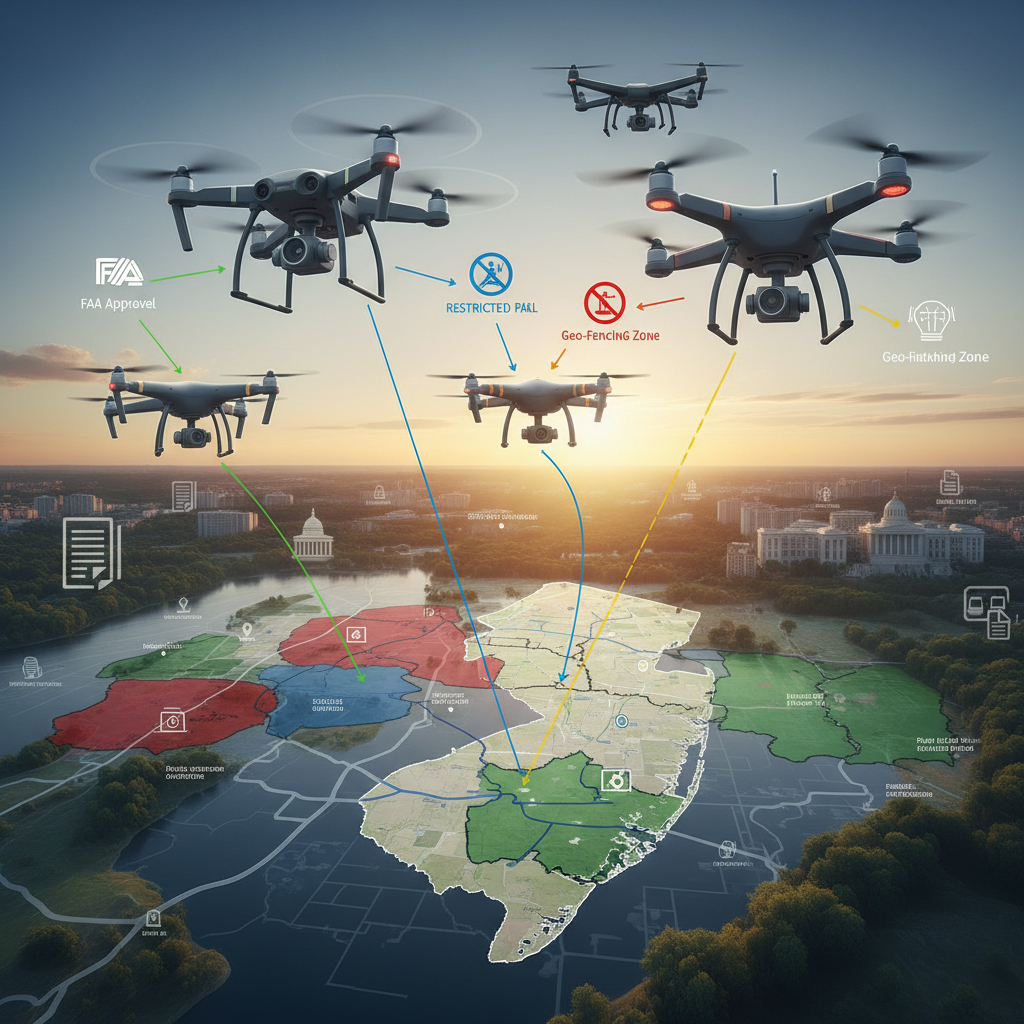
The regulatory framework governing drone operations in New Jersey is shaped by both federal and state guidelines. At the federal level, the Federal Aviation Administration (FAA) is responsible for regulating all aspects of civil aviation, including the operation of drones. The FAA requires drone operators to register their drones, adhere to specific safety guidelines, and, in many cases, obtain waivers for commercial operations. These regulations are crucial for ensuring the safety of manned aircraft and the general public.
On the state level, New Jersey has enacted additional laws to govern drone usage, particularly concerning privacy and public safety. For instance, New Jersey law prohibits the use of drones for surveillance purposes without the consent of the individuals being observed. This legal framework serves to balance the advancement of drone technology with the protection of individual privacy rights.
The importance of airspace regulations cannot be overstated, as they ensure safety for all airspace users while establishing guidelines that promote responsible drone operation. Enhanced awareness of these regulations is essential for both drone operators and the public to mitigate potential risks.
Popular Locations for Drone Activity
New Jersey boasts several hotspots where drone activity is frequently reported. These include scenic parks, coastal beaches, and significant events. Locations such as Liberty State Park, the beaches of Cape May, and the Great Falls in Paterson attract drone pilots due to their breathtaking views and expansive landscapes. Events like music festivals, marathons, and community fairs also see a surge in drone activity, as enthusiasts capture the vibrancy of these gatherings from above.
The appeal of these locations lies in their visual appeal and the opportunity for unique photography and videography. For instance, the iconic skyline of New York City viewed from Liberty State Park provides a striking backdrop for aerial shots, while the Atlantic Ocean waves crashing along the beaches of Cape May create stunning visuals for drone pilots.
However, it is essential for drone operators to be mindful of regulations and local ordinances that may restrict drone usage in certain areas, such as near airports, densely populated regions, or sensitive wildlife habitats.
Safety and Privacy Concerns
As drones have become more prevalent in New Jersey, so have public concerns regarding safety and potential hazards. Issues may arise from drones flying in restricted airspace, posing risks to manned aircraft or causing accidents through careless operation. Moreover, there is growing concern over the potential for drones to malfunction, leading to crashes that could endanger people or property below.
In addition to safety issues, privacy concerns are paramount. The ability of drones to capture high-resolution images and videos raises questions about surveillance and the potential for invasion of privacy. Residents may feel uneasy knowing that drones could be capturing footage of their homes or personal activities without consent. This has led to calls for more stringent privacy regulations and community discussions on the ethical implications of drone usage.
To address these concerns, community engagement initiatives are essential. Educating the public about responsible drone flying practices can help alleviate fears and promote a culture of safety and respect among drone operators and non-operators alike.
The Future of Drones in New Jersey
Looking ahead, the future of drones in New Jersey appears promising, with several predicted advancements in technology and applications. Innovations in drone design, including improved battery life, enhanced payload capabilities, and advanced AI-driven navigation systems, will likely expand the potential uses of drones in various industries.
New applications may include drone-assisted emergency services, where drones can provide crucial support during natural disasters, or in search and rescue operations, helping locate missing persons more efficiently. Additionally, the development of drone traffic management systems could facilitate the integration of drones into the broader airspace, paving the way for more complex operations such as urban air mobility and passenger drones.
With the growing interest in sustainable practices, drones may also play a significant role in environmental monitoring and conservation efforts, providing valuable data on ecosystems and wildlife populations. As New Jersey embraces these advancements, the state will be at the forefront of drone innovation.
Community Engagement and Awareness
Community initiatives aimed at educating the public about drone usage are vital for fostering a responsible drone culture. Organizations such as the Academy of Model Aeronautics and local drone clubs often host workshops and seminars to teach safe flying practices, regulation compliance, and the ethics of drone operation.
Resources for responsible drone flying include online platforms offering courses on drone piloting and safety certifications. These resources are beneficial for both novice and experienced pilots, ensuring they remain informed about the latest regulations and best practices.
Engaging the community in discussions about drone usage can also help establish social norms and guidelines that respect both the rights of drone operators and the concerns of the public. Collaborating with local governments, law enforcement, and community organizations can further enhance awareness and promote responsible drone flying.
In conclusion, drones remain a prevalent part of New Jersey’s landscape, contributing to various sectors while also raising important safety and privacy questions. From recreational use to commercial applications, the impact of drones is undeniable. Staying informed about regulations and community practices can enhance the experience for both drone enthusiasts and the general public, ensuring that the skies above New Jersey continue to be a space of innovation and collaboration.
Frequently Asked Questions
Are drones still flying over New Jersey in 2023?
Yes, drones continue to fly over New Jersey as of 2023. Various factors contribute to this, including recreational use, commercial applications, and law enforcement activities. However, specific areas may have restrictions or regulations in place, so it’s essential to check local laws and guidelines if you’re concerned about drone activity in your vicinity.
Why are drones being used in New Jersey?
Drones are utilized in New Jersey for a variety of purposes, including aerial photography, surveying land, agricultural monitoring, search and rescue missions, and delivering packages. Their ability to provide real-time data and reach remote areas makes drones an invaluable tool for businesses and public agencies alike in enhancing efficiency and effectiveness.
What regulations govern drone usage in New Jersey?
In New Jersey, drone usage is regulated by both federal and state laws. At the federal level, the FAA (Federal Aviation Administration) outlines rules for recreational and commercial drone pilots, such as maintaining a visual line of sight and flying below 400 feet. Additionally, New Jersey has specific restrictions regarding flying drones over certain areas, like schools, parks, and emergency scenes, which pilots must adhere to for safety and privacy.
How can I report illegal drone activity in New Jersey?
If you suspect illegal drone activity in New Jersey, you can report it to local law enforcement or the FAA. Documenting the incident with details such as the time, location, and nature of the drone’s activity can be helpful. Reporting helps authorities investigate potential violations, whether related to privacy concerns, safety hazards, or restricted airspace.
Which companies are leading in drone technology in New Jersey?
Several companies in New Jersey are at the forefront of drone technology, including DJI, a global leader in commercial drones, and local startups focusing on specialized applications like agriculture and surveying. Additionally, universities and research institutions in the state are actively involved in drone research and development, contributing to advancements in this rapidly growing industry.
References
- https://www.nytimes.com/2022/05/12/nyregion/nj-drone-uses.html
- https://www.nj.gov/transportation/airquality/drone.shtml
- https://www.reuters.com/technology/us-drone-operators-gear-up-for-new-faa-rules-2023-01-01/
- https://www.sciencedirect.com/science/article/pii/S2351978922003044
- https://www.bbc.com/news/world-us-canada-58563508
