
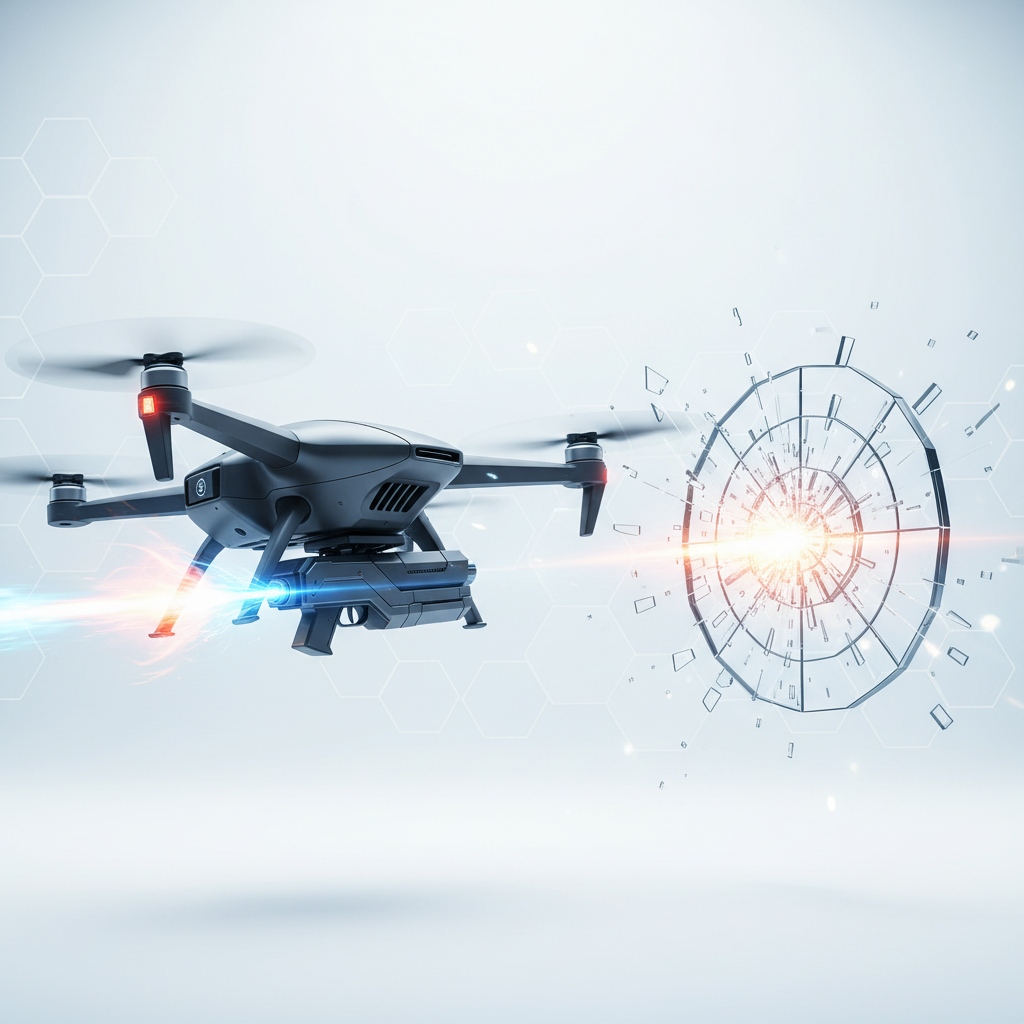
Drones cannot shoot bullets in the traditional sense, but some military drones are equipped with advanced weaponry that can deliver munitions. As technology has evolved, the capabilities of drones in armed conflict have expanded significantly, allowing for precision strikes and a shift in military tactics. This article explores the intricate capabilities of drones regarding armed conflict, the technology behind their weaponry, and the ethical implications of deploying drones as instruments of warfare.
Overview of Drone Technology
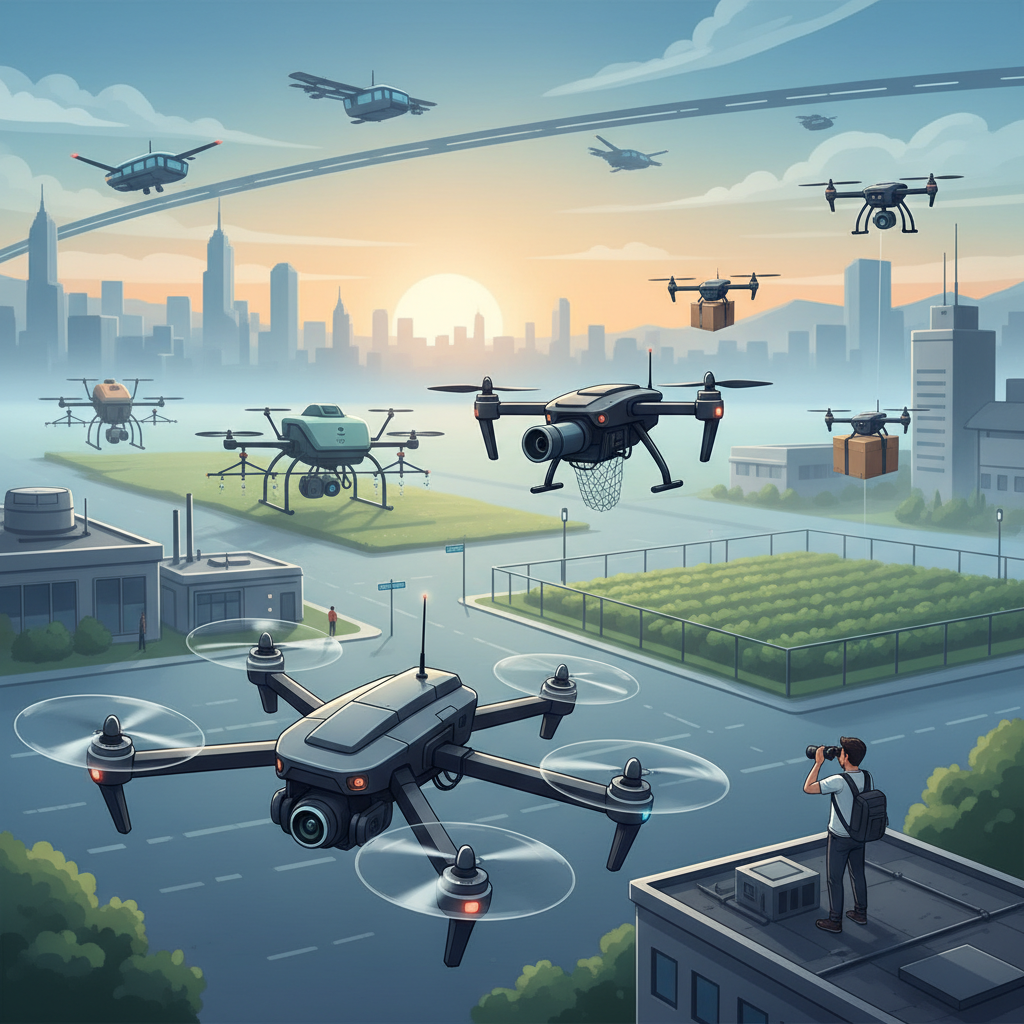
Drones, or unmanned aerial vehicles (UAVs), operate without a human pilot onboard, utilizing a combination of remote control and autonomous systems to navigate and perform tasks. There are various types of drones, broadly categorized into commercial and military applications. Commercial drones are typically used for aerial photography, surveillance, and delivery services, while military drones serve as reconnaissance tools, strike vehicles, or logistical support.
The history of drones in military applications dates back to World War I when the concept of unmanned aerial vehicles was first developed. However, it wasn’t until the late 20th century that drones gained prominence, particularly during the Gulf War, where they were employed for surveillance missions. The subsequent advancements in technology, such as GPS navigation and satellite communications, have led to the development of sophisticated military drones capable of carrying out complex missions with remarkable precision.
Military Drones and Their Capabilities
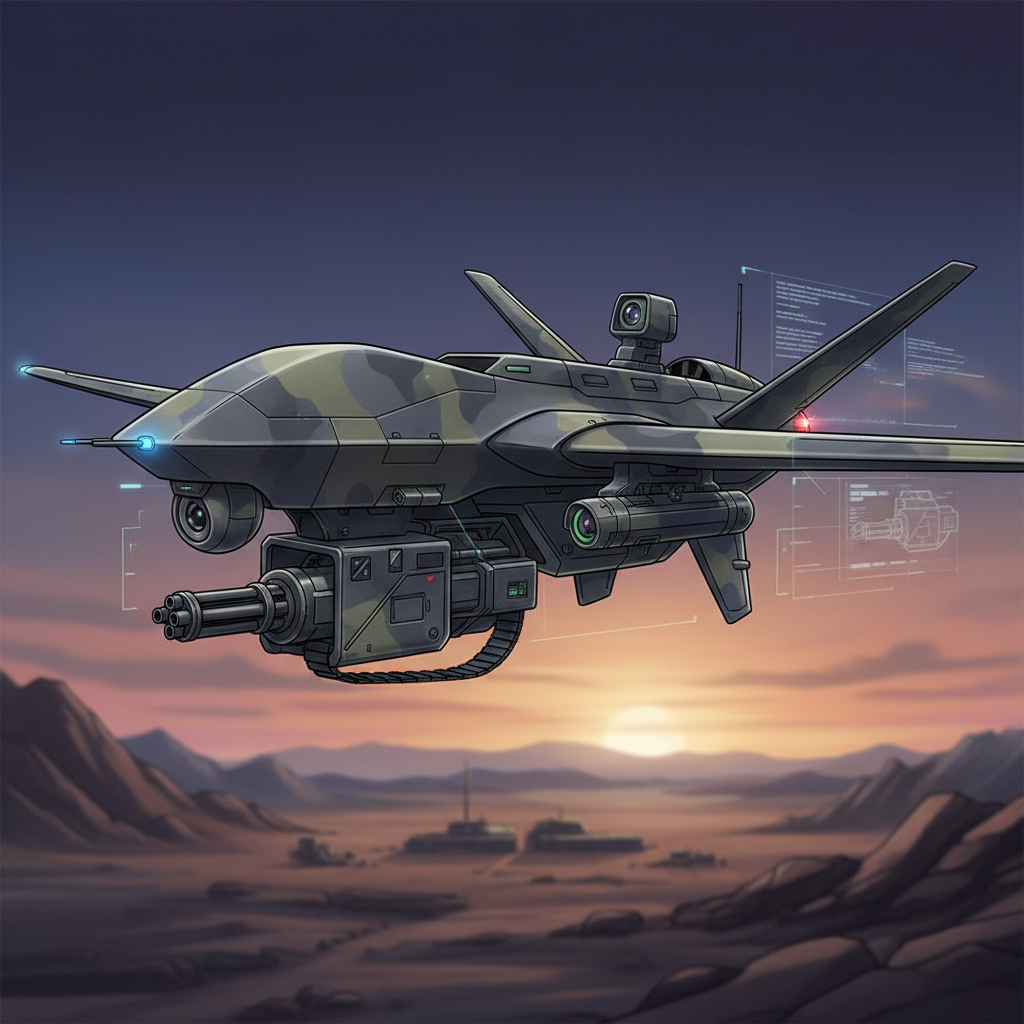
Military drones that can carry weaponry are designed for various roles, including intelligence, surveillance, reconnaissance, and targeted strikes. Notable examples include the General Atomics MQ-1 Predator and MQ-9 Reaper drones, both of which have been extensively used by the United States military. The MQ-9 Reaper, for instance, is equipped with the ability to carry laser-guided munitions, Hellfire missiles, and other advanced weaponry, making it a formidable asset in combat.
Another example is the Northrop Grumman RQ-4 Global Hawk, which primarily serves reconnaissance purposes but can be adapted for other military uses. These drones can monitor vast areas and relay real-time intelligence back to command centers, enhancing situational awareness on the battlefield. The capabilities of these military drones underscore a significant shift in warfare, where unmanned systems are increasingly relied upon for strategic operations.
The Mechanics of Armed Drones
The integration of weapon systems into drones involves a complex mix of engineering and technology. Armed drones are typically fitted with various munitions, including missiles, bombs, and even non-lethal options, depending on the operational requirements. This adaptability allows military drones to engage targets effectively while minimizing collateral damage.
Guidance systems play a crucial role in the precision of armed drones. Many military drones utilize GPS guidance, laser targeting, and advanced sensors to accurately strike targets from considerable distances. The use of these technologies ensures that munitions are deployed with high accuracy, reducing the risk of unintended casualties. For instance, the laser-guided bombs can be directed with precision to hit specific targets while avoiding surrounding areas, demonstrating the potential for drones to engage in ‘surgical strikes’ in combat scenarios.
Legal and Ethical Considerations
The use of drones in warfare raises significant legal and ethical issues, particularly concerning international humanitarian law. International laws, including the Geneva Conventions, dictate the conduct of armed conflict and the protection of civilians. However, the deployment of drones complicates these legal frameworks, as it can be challenging to ascertain accountability for strikes conducted remotely.
Ethically, the implications of using drones for combat are multifaceted. Proponents argue that drones can minimize human casualties by allowing for remote engagement without risking pilots’ lives. Critics, however, highlight the moral concerns surrounding the desensitization of warfare, where killing can occur at a distance with little emotional engagement. This raises questions about the responsibility of operators and manufacturers, as well as the potential for misuse in conflict zones.
Public Perception and Concerns
Public opinion on armed drones is varied and complex. While some view them as essential tools for national security, others express concerns about their use in targeted killings and the potential for civilian casualties. High-profile incidents involving drone strikes have fueled debates about transparency and accountability in military operations.
Concerns over privacy and security also persist. The surveillance capabilities of drones have raised alarms about their potential misuse for domestic spying or unwarranted surveillance of citizens. As drones become more prevalent, discussions about regulation and oversight are increasingly important to address these issues and maintain public trust.
Future Developments in Drone Warfare
The future of drone warfare is poised for significant advancements, driven by rapid technological developments. Artificial intelligence (AI) is expected to play a pivotal role in enhancing the capabilities of military drones, potentially allowing for greater autonomy in decision-making during missions. These advancements could lead to faster response times and improved operational efficiency.
Regulatory frameworks governing drone warfare are also likely to evolve. As nations grapple with the implications of armed drones, there may be a push for international agreements or treaties to establish norms and standards for their use. This could involve discussions around accountability, transparency, and the ethical use of drones in combat.
In conclusion, while drones themselves do not shoot bullets in a conventional manner, advancements in military technology have enabled some drones to carry and deploy weapons. The implications of this capability are profound, raising essential legal and ethical questions that society must address as drone technology continues to evolve. As we look to the future, it is crucial to balance the benefits of drone warfare with the need for responsible use and oversight, ensuring that these powerful tools are employed in a manner consistent with international law and ethical standards.
Frequently Asked Questions
Can drones be equipped to shoot bullets?
Yes, drones can theoretically be equipped to shoot bullets, but this is subject to legal and ethical considerations. Several military and law enforcement agencies have developed drones capable of carrying firearms or launching projectiles. However, the use of such drones raises significant safety and regulatory issues, and civilian use is heavily restricted or outright banned in many jurisdictions.
Why are drones not commonly used for shooting bullets?
Drones are not commonly used for shooting bullets primarily due to legal restrictions, safety concerns, and ethical implications. Many countries have strict regulations governing the use of armed drones, especially in civilian airspace. Additionally, the risk of collateral damage and the potential for misuse contribute to the hesitance in deploying armed drones in non-military contexts.
What types of drones are capable of firing weapons?
Military-grade drones, such as the MQ-9 Reaper and the RQ-170 Sentinel, are designed with capabilities to carry and fire weapons, including missiles and, in some cases, firearms. Some specialized commercial drones have been modified to carry small arms, but these modifications are typically illegal for civilian use. It’s essential to note that any attempt to arm a drone for personal use can lead to severe legal consequences.
How do regulations differ by country regarding armed drones?
Regulations regarding armed drones vary widely by country. In the United States, the Federal Aviation Administration (FAA) prohibits civilians from using drones for armed purposes, while military use is strictly regulated under defense laws. In contrast, some countries may have more lenient regulations, allowing for armed drones in specific contexts, such as national defense or law enforcement. Always check local laws to ensure compliance with regulations concerning drone usage.
What are the ethical implications of using drones to shoot bullets?
The ethical implications of using drones to shoot bullets are profound and multifaceted. Concerns include the potential for increased civilian casualties, the detachment of operators from the consequences of their actions, and the risk of escalating conflicts. Additionally, the use of armed drones raises questions about accountability and oversight, as well as the potential for misuse in domestic settings. Public discourse continues to evolve around these issues, highlighting the need for comprehensive regulations and ethical guidelines.
References
- https://en.wikipedia.org/wiki/Military_drone
- https://www.bbc.com/news/technology-53998966
- https://www.theguardian.com/world/2021/mar/17/us-drone-strike-iraq-syria
- https://www.reuters.com/article/us-usa-drones-idUSKBN2B60ZC
- https://www.sciencedirect.com/science/article/pii/S2212017316300557
- https://www.nytimes.com/2021/02/08/us/politics/drone-strikes.html
- https://www.brookings.edu/research/the-future-of-drones-in-the-us-military/
- https://www.rand.org/pubs/research_reports/RR2823.html
