
Yes, you can fly a drone in New York, but there are specific regulations and restrictions you must follow. Understanding these rules is essential to ensure a safe and legal flying experience. In this article, we will guide you through the regulations set forth by the Federal Aviation Administration (FAA), the additional laws established by New York State, the areas where flying is prohibited, local laws and ordinances, tips for responsible drone usage, and how to apply for special permissions when necessary.
Understanding FAA Regulations
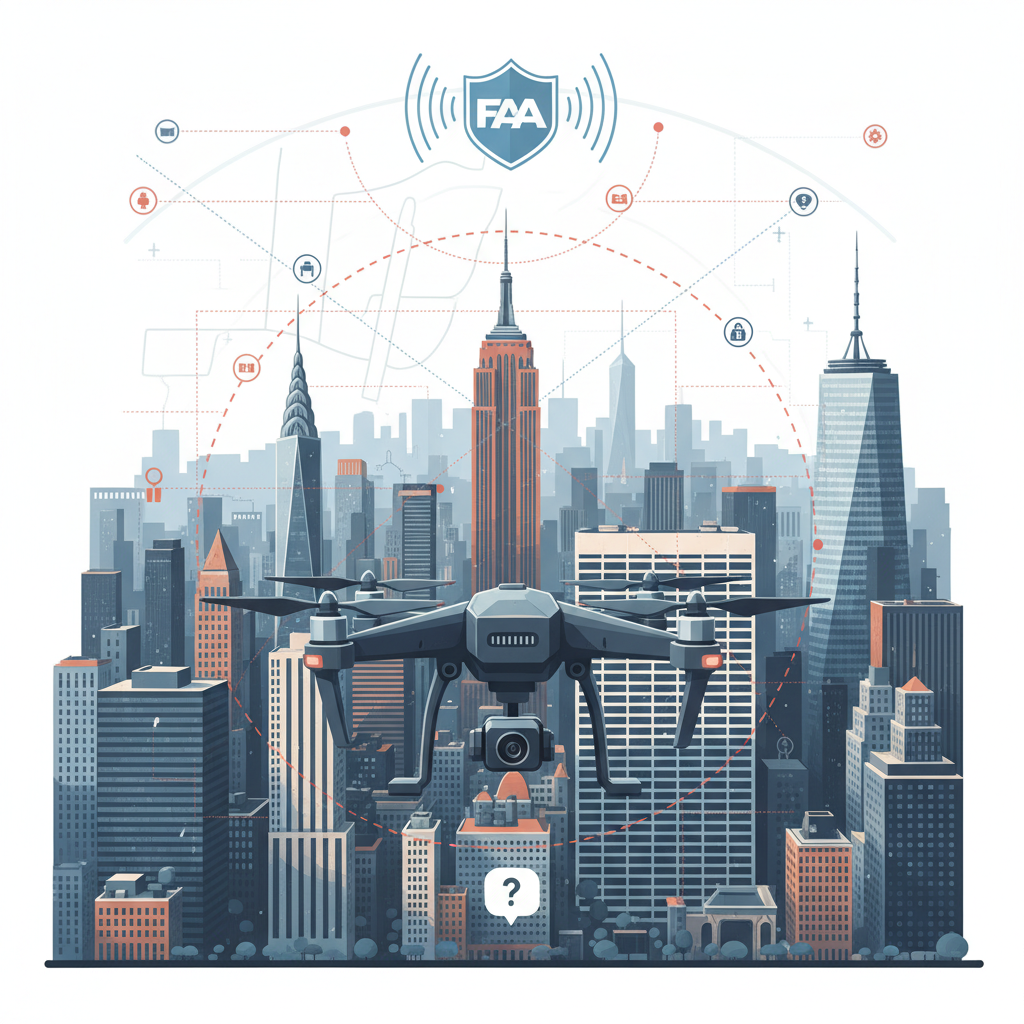
The Federal Aviation Administration (FAA) governs drone use nationwide, including in New York. The FAA’s primary aim is to ensure the safe integration of drones into the national airspace system. As such, every drone operator must comply with the FAA’s guidelines. A crucial requirement is that operators must register their drones if they weigh more than 0.55 pounds (approximately 250 grams). This registration process is straightforward and can be completed online through the FAA’s official website.
Additionally, the FAA mandates that drone pilots adhere to specific operational guidelines. These include restrictions on flying above 400 feet, maintaining a visual line of sight with the drone at all times, and avoiding flying near other aircraft. Drone pilots must also avoid flying at night unless they have appropriate lighting to maintain visibility. By understanding and following these regulations, drone pilots can help ensure the safety of both their operations and the surrounding environment.
New York State Drone Laws
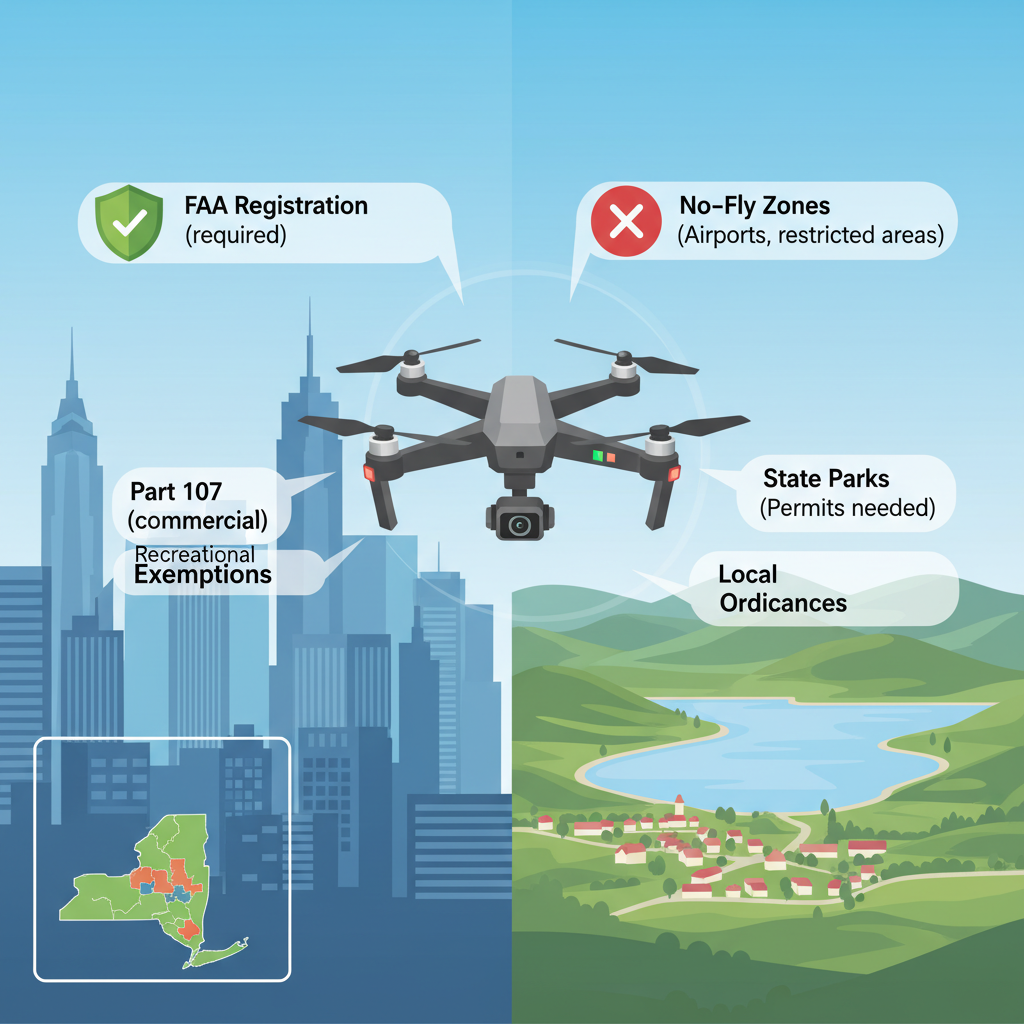
New York State has its own set of laws that complement FAA regulations. These laws are designed to address specific concerns related to drone usage within the state, including privacy rights and public safety. For instance, New York law prohibits the use of drones for surveillance purposes without the consent of the individual being surveilled, thus safeguarding personal privacy. Additionally, drone operators must avoid using their devices in a manner that could interfere with emergency response operations.
Certain state parks and recreational areas impose specific restrictions on drone flights. For example, many parks prohibit drone usage altogether to protect wildlife and the natural environment. It is crucial for drone pilots to familiarize themselves with these state laws, as violations can result in fines or other penalties. Checking the New York State Office of Parks, Recreation and Historic Preservation website can provide valuable insights into which areas have restrictions.
Restricted Areas for Drone Flying
No-fly zones include areas around airports, military bases, and densely populated urban areas. The FAA has designated a five-mile radius around most airports as a no-fly zone for drones, which is crucial for maintaining air traffic safety. In New York City, this restriction is particularly strict due to the high volume of air traffic and the dense urban environment. Drone pilots must also be aware that flying near military installations is prohibited to ensure national security.
Specific landmarks, such as the Statue of Liberty and Central Park, have additional restrictions. For example, the National Park Service regulates drone usage at national parks, including the Statue of Liberty, and typically bans flying drones without a special permit. Central Park, being a heavily trafficked area with many visitors, also restricts drone usage to prevent accidents and privacy infringements. It is essential for drone pilots to research and understand these restricted areas before planning their flights.
Local Laws and Ordinances
Various cities in New York, including New York City, have enacted local laws regarding drone use. These laws can often be more stringent than state or federal regulations and may include bans on flying in certain public spaces or during specific times. For instance, New York City has a comprehensive set of rules that govern drone usage, which includes prohibitions on flying over private property without permission and restrictions on flying in heavily populated areas.
Because local regulations can vary significantly, it is imperative for drone pilots to check their specific city or county’s ordinances before flying. Resources such as city government websites or local law enforcement agencies can provide up-to-date information on drone laws.
Tips for Safe and Responsible Drone Use
To ensure a safe and responsible drone flying experience, there are several best practices that operators should follow. First and foremost, always maintain a visual line of sight with your drone; this not only complies with FAA regulations but also allows you to react quickly to any obstacles or changes in the environment.
Additionally, avoid flying over crowds or private property without permission. This not only respects the rights of others but also minimizes the risk of accidents that could lead to injury or property damage. Consider using a pre-flight checklist to ensure that your drone is in good working condition and that you have all necessary permissions and registrations in place.
Educating yourself on weather conditions is also critical. Strong winds or rain can impact your drone’s performance, potentially leading to crashes. Finally, being courteous and respectful towards others while flying can foster a positive image of the drone community overall.
Applying for Special Permissions
If you plan to fly in restricted areas, you may need to apply for special permits from relevant authorities. For example, if you wish to operate a drone in a no-fly zone or for commercial purposes, obtaining an FAA Part 107 certificate and any required local permits is essential. Document your flight plans and adhere to any specific requirements outlined in your permit application.
The application process may vary based on the specific location and type of operation you intend to conduct. Therefore, it is advisable to start the application process well in advance of your planned flight. Engaging with local authorities early can also help clarify any additional requirements that may not be publicly listed.
Resources for Drone Pilots in New York
To stay informed about the evolving landscape of drone regulations, utilize online resources like the FAA’s website, which provides updates on regulations, safety guidelines, and registration information. Additionally, local drone clubs or forums can offer community support, insights, and shared experiences that could enhance your flying skills and knowledge of the laws.
Online platforms like the New York State Department of Transportation also provide valuable information on state-specific regulations and resources for drone pilots. Engaging with these resources can ensure you remain compliant and informed about any changes in the legal landscape surrounding drone usage.
In conclusion, while flying a drone in New York is permissible, it is crucial to be aware of and comply with both federal and state regulations, as well as local laws. Adhering to these guidelines not only ensures the safety and legality of your operations but also promotes responsible use of drone technology. Always prioritize safety and responsibility while enjoying your drone flying experience. For more information, consult the FAA and local authorities to ensure a smooth operation.
Frequently Asked Questions
What are the regulations for flying a drone in New York City?
In New York City, flying a drone is subject to strict regulations. The FAA prohibits drone flights in densely populated areas, including all five boroughs of NYC, unless you’re a licensed pilot and have received special permission. Additionally, local laws may impose further restrictions, so it’s essential to check with the NYC Department of Transportation and the New York State laws before operating a drone in urban areas.
How can I obtain permission to fly a drone in New York?
To obtain permission for flying a drone in New York, especially in restricted areas like NYC, you need to apply for a waiver through the FAA. This process typically involves demonstrating your experience and safety measures, as well as proving the necessity of your flight. In some cases, you might also need to coordinate with local authorities or obtain additional permits depending on the location and purpose of your drone operation.
Why is it illegal to fly a drone in Central Park?
It is illegal to fly a drone in Central Park primarily due to safety concerns and the park’s high foot traffic. The NYC Parks Department has established regulations to protect public safety and preserve the park’s natural environment. Violating these rules can result in fines and the confiscation of your drone, so it’s crucial to respect these restrictions when considering drone use in popular recreational areas.
Which areas in New York allow drone flying?
While New York City has stringent restrictions, there are areas outside the city where drone flying is permitted. Many parks, rural locations, and designated drone parks in New York State allow for recreational and commercial drone operations, provided you adhere to FAA regulations. Always check local laws and ensure you are at least 5 miles away from airports and other restricted zones to avoid penalties.
What should I know before flying a drone in New York?
Before flying a drone in New York, you should familiarize yourself with both federal and local regulations to ensure compliance. This includes registering your drone with the FAA if it weighs more than 0.55 pounds, understanding no-fly zones, and respecting privacy laws. Additionally, consider the weather conditions and have a flight plan in place to ensure a safe and enjoyable experience. Always prioritize safety and the well-being of others when operating your drone.
References
- https://www.faa.gov/uas/getting_started/registration
- https://www.nyc.gov/site/specialevents/permits/drone.page
- https://www.nyc.gov/assets/nycparks/downloads/pdf/permits/drone-flying-guidelines.pdf
- https://www.nytimes.com/2021/10/29/nyregion/drone-flying-new-york-city.html
- https://www.nps.gov/articles/flying-drones-in-national-parks.htm
- https://www.wired.com/story/drone-regulations-2021/
