
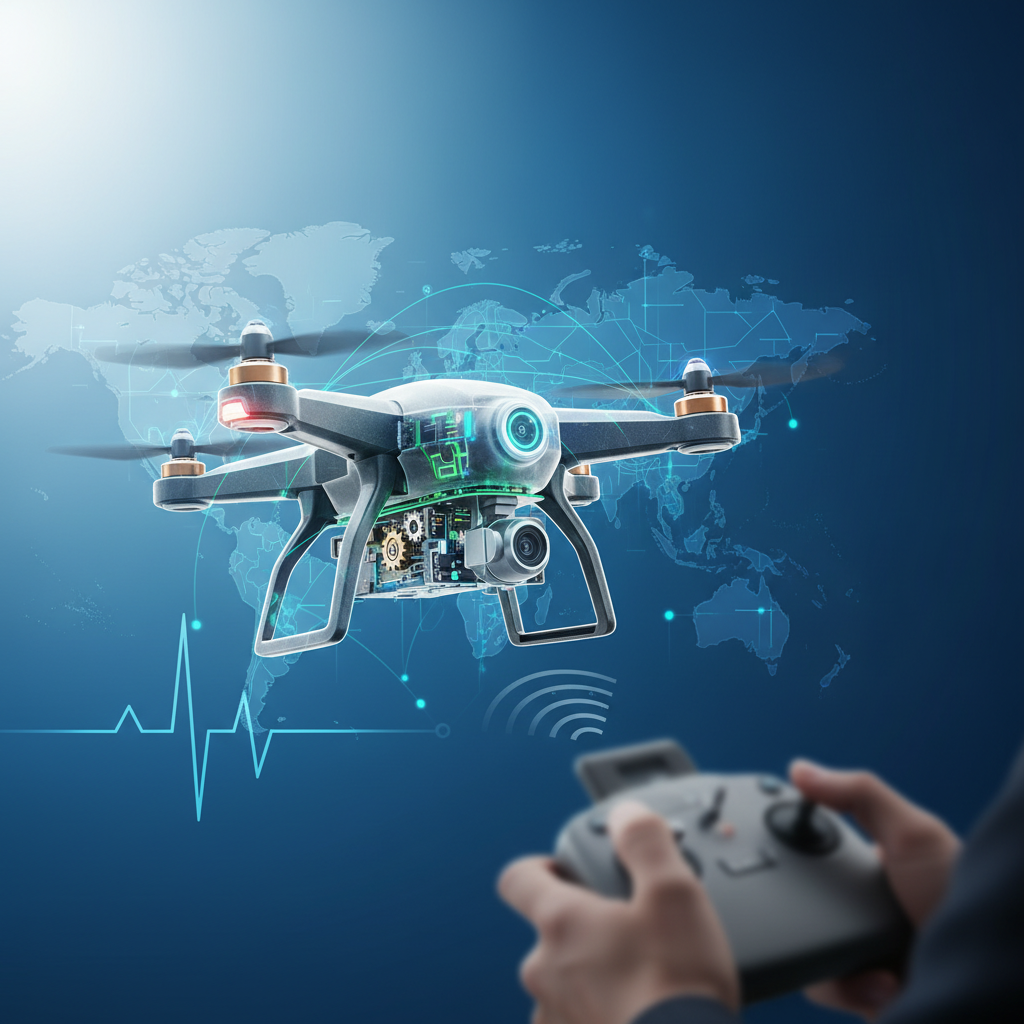
Drones work by using a combination of technologies including rotors, sensors, and control systems to fly autonomously or be remotely operated. These unmanned aerial vehicles (UAVs) utilize a variety of components to navigate and perform tasks like capturing images or delivering packages. This article delves into the essential parts of drone technology and how they function, providing insights into their components, communication methods, navigation systems, and diverse applications.
Understanding Drone Components
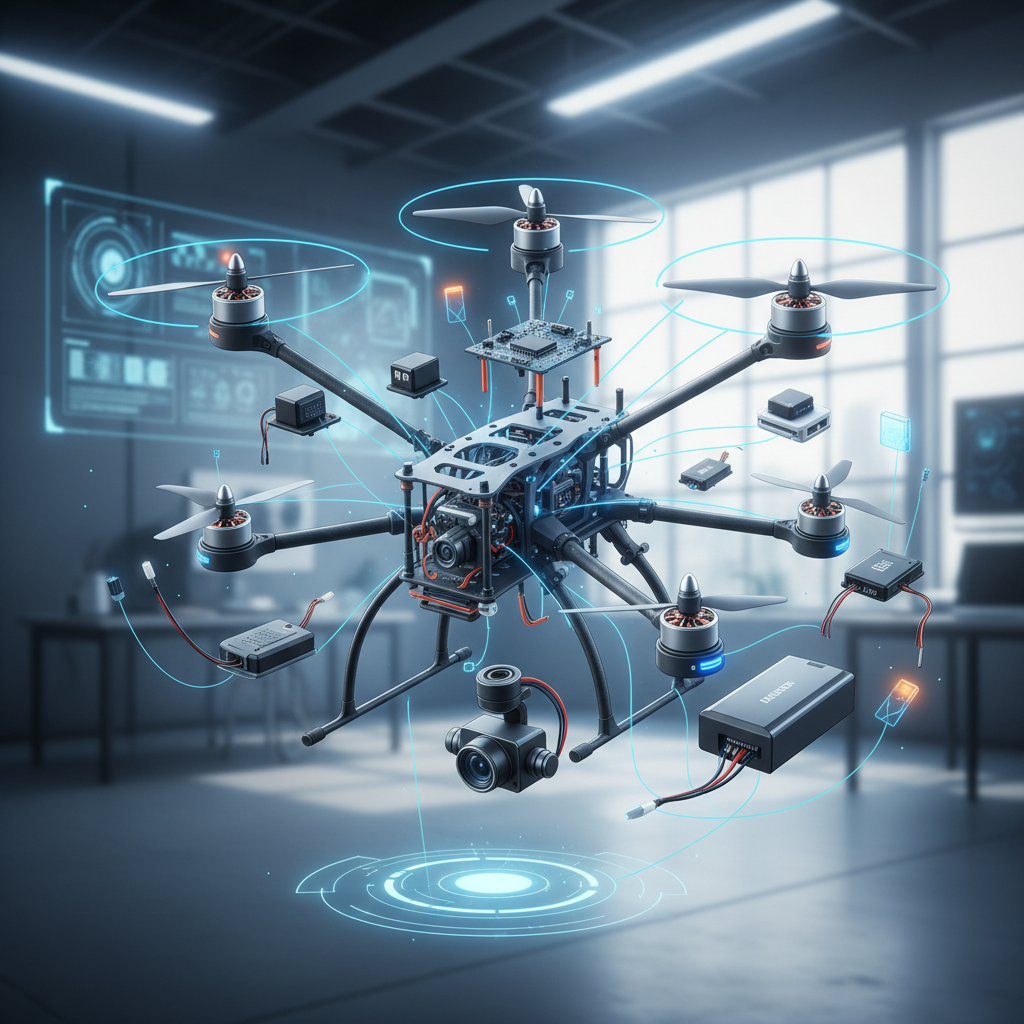
– Propulsion System: At the heart of every drone is its propulsion system, which typically consists of electric motors and rotors. The electric motors convert electrical energy from the drone’s battery into mechanical energy, spinning the rotors to generate lift. Most multirotor drones, such as quadcopters, utilize four rotors, providing exceptional stability and maneuverability. Fixed-wing drones, on the other hand, rely on a different approach, using a wing structure to generate lift through forward motion, similar to traditional airplanes. Understanding the nuances of these propulsion systems is essential for both hobbyists and professionals looking to optimize drone performance.
– Control System: The control system of a drone is crucial for its operation, primarily involving the flight controller. This sophisticated piece of technology processes input from the pilot via remote control and integrates data from various sensors to stabilize the drone during flight. Advanced flight controllers can also support autonomous flying capabilities, allowing drones to execute pre-programmed tasks. Additionally, many drones feature gyroscopic sensors and accelerometers that continuously monitor orientation and speed, providing real-time adjustments to maintain stability and control.
Types of Drones
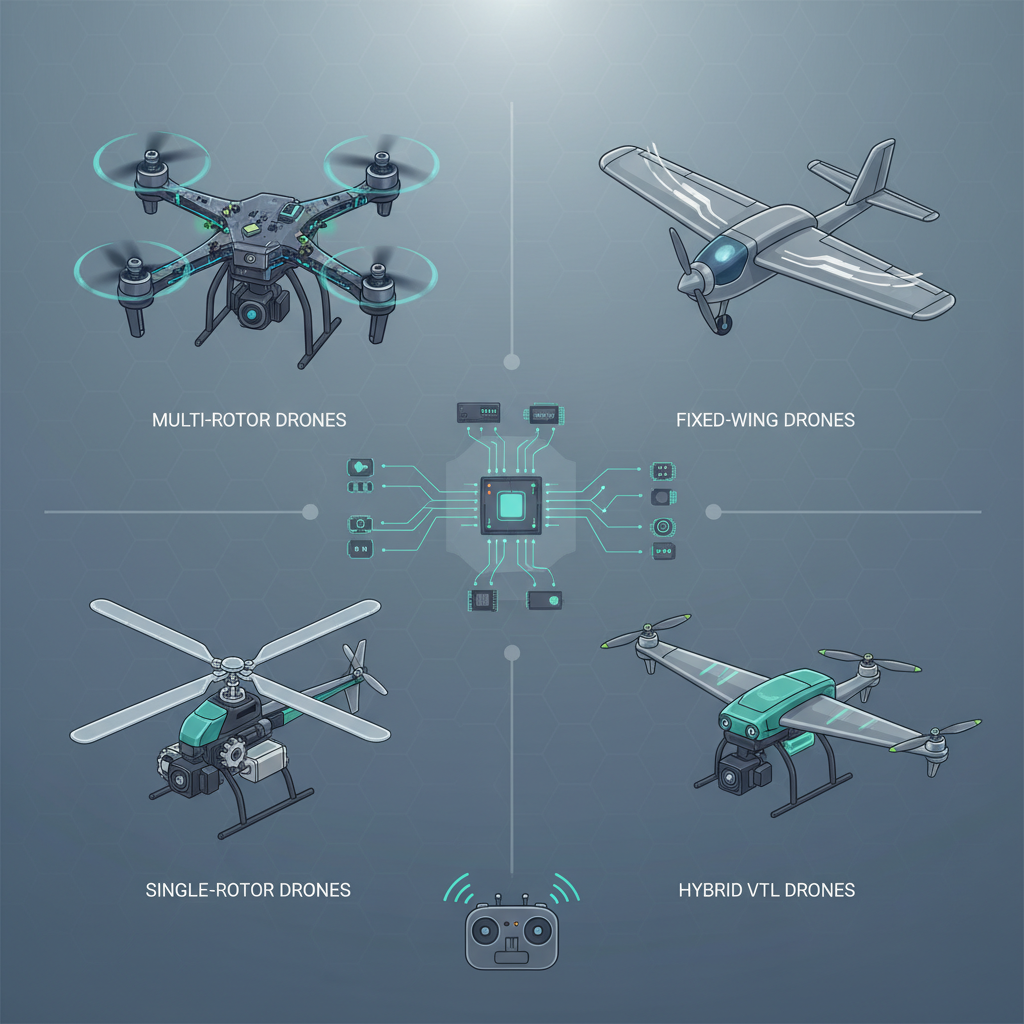
– Multirotor Drones: These are the most common type of drones found in both consumer and professional markets. Multirotor drones, which include quadcopters, hexacopters, and octocopters, are characterized by their multiple rotors that provide enhanced stability and control. They are particularly popular for aerial photography, recreational flying, and inspections due to their ability to hover and maneuver easily in tight spaces. The user-friendly nature of multirotors makes them an ideal choice for beginners and professionals alike.
– Fixed-Wing Drones: Unlike their multirotor counterparts, fixed-wing drones fly like traditional airplanes and are designed for longer flight durations and greater distances. These drones are often used for mapping, surveying large areas, and agricultural applications due to their efficiency and extended range. They are typically more challenging to pilot, requiring a runway for takeoff and landing. However, their ability to cover vast distances without needing to return to recharge makes them invaluable for specific commercial uses.
How Drones Communicate
– Remote Control: Drones are primarily operated through remote controls that transmit signals via radio waves. The pilot sends commands, such as altitude changes or directional movements, which the drone receives and executes. Most consumer drones operate on radio frequencies ranging from 2.4 GHz to 5.8 GHz, allowing for reliable communication within a certain distance. Advanced remote control systems can also incorporate telemetry features, providing real-time data on battery life, altitude, and GPS location to the pilot.
– Autonomous Systems: The evolution of drone technology has led to the development of autonomous systems capable of following pre-programmed flight paths. These systems utilize GPS technology combined with onboard sensors to navigate without human intervention. For instance, many agricultural drones can autonomously fly predetermined routes over fields for crop monitoring and data collection. As the technology continues to advance, fully autonomous drones are expected to play a significant role in various industries, minimizing the need for direct human control.
Sensors and Navigation
– GPS Systems: Global Positioning System (GPS) technology is fundamental to a drone’s navigation capabilities. By receiving signals from multiple satellites, GPS allows drones to determine their precise location and altitude. Most drones are equipped with GPS modules that enable features like waypoints, where users can set specific locations for the drone to fly to, and geofencing, which prevents the drone from flying into restricted airspace. This capability is vital for both recreational and commercial drone users, ensuring safe and efficient flight operations.
– Obstacle Avoidance Sensors: Safety is paramount in drone operation, and many modern drones come equipped with obstacle avoidance sensors. These sensors utilize ultrasonic, infrared, or LiDAR technology to detect objects in the drone’s flight path, allowing the drone to autonomously adjust its course to avoid collisions. For example, DJI’s Phantom series features advanced obstacle detection systems that enable the drone to sense obstacles within a certain range and react accordingly, significantly reducing the risk of accidents during flight.
Applications of Drones
– Aerial Photography: Drones have revolutionized the field of aerial photography, providing access to stunning visuals from angles that were previously difficult or impossible to achieve. They are widely used in filmmaking, real estate, and event photography, allowing photographers to capture sweeping landscapes and dynamic shots. Drones equipped with high-resolution cameras, such as the DJI Mavic series, have become essential tools for professionals looking to enhance their creative projects.
– Delivery Services: Drones are increasingly being explored for package delivery, with companies like Amazon and UPS investing in drone technology to streamline logistics and improve delivery times. Drones offer the potential for rapid transport of goods, especially in urban areas where traffic congestion can delay traditional delivery methods. As regulatory frameworks develop and technology advances, drone delivery systems are expected to become more commonplace, reshaping the future of logistics.
Safety and Regulations
– Airspace Regulations: The use of drones is subject to various local and national regulations to ensure safety in the airspace. In many countries, drone operators must register their drones and adhere to guidelines established by aviation authorities, such as the FAA in the United States. Regulations often include restrictions on flying near airports, over crowds, and at certain altitudes. Adhering to these regulations is essential for responsible drone operation and helps to prevent accidents and conflicts with manned aircraft.
– Safety Features: To enhance safety, manufacturers are incorporating various features into drones that help prevent crashes and other incidents. These safety features often include return-to-home capabilities, which automatically direct the drone back to its launch point if the battery is low or the signal is lost. Additionally, many drones have built-in fail-safes that prevent them from flying beyond a designated range, further ensuring the safety of the operation.
Future of Drone Technology
– Advancements in AI: The integration of artificial intelligence (AI) is transforming drone capabilities, enabling smarter and more autonomous operations. AI-driven algorithms can improve flight path optimization, enhance obstacle detection, and even allow drones to learn from their environment. For instance, companies are developing drones that can autonomously adjust their flight paths based on real-time data analysis, making them more efficient and capable of handling complex tasks.
– Expanding Uses: The potential applications of drones continue to expand, with exciting possibilities emerging in sectors such as agriculture, disaster relief, and surveillance. In agriculture, drones are being used for precision farming, allowing farmers to monitor crop health and optimize resource use. During disasters, drones can assist in search-and-rescue operations, providing real-time imagery of affected areas. The versatility of drones means they are likely to play a crucial role in addressing various challenges across multiple industries in the coming years.
In summary, understanding how drones work involves examining their components, communication methods, navigation systems, and various applications. As technology advances, drones are set to play an even bigger role in numerous industries, revolutionizing how we capture images, deliver goods, and conduct various tasks. For those interested in exploring this technology further, consider researching specific drone models or applications that catch your attention, as the future of UAVs promises unprecedented opportunities and innovations.
Frequently Asked Questions
What are the main components of a drone and how do they work together?
The main components of a drone include the frame, motors, propellers, battery, electronic speed controllers (ESC), flight controller, and sensors. The frame provides structure, while the motors rotate the propellers to generate lift. The battery powers the drone, and the ESCs regulate the speed of the motors. The flight controller processes input from the pilot and various sensors (like GPS and gyroscopes) to maintain stability and control during flight.
How do drones communicate with the pilot and navigate during flight?
Drones communicate with the pilot through radio frequency signals or Wi-Fi, which allows for real-time control and telemetry data transmission. Most drones are equipped with GPS for navigation, enabling them to follow pre-defined flight paths, hover in place, or return home automatically. Advanced drones also use sensors and computer vision to avoid obstacles and enhance their autonomous flying capabilities.
Why do drones have different flight modes, and how do they affect performance?
Drones feature various flight modes to cater to different flying experiences and skill levels. For instance, beginner modes limit speed and altitude to ensure safe operation, while advanced modes allow for full manual control and higher speeds for experienced pilots. These modes affect performance by providing the pilot with options based on their proficiency and the specific requirements of the flight, such as aerial photography or racing.
What is the best type of drone for beginners looking to learn how they work?
The best type of drone for beginners is typically a small, lightweight model with features like altitude hold, headless mode, and one-key takeoff/landing. These features simplify the flying experience and help new pilots concentrate on learning the basics of drone operation. Popular beginner drones include models from brands like DJI, Holy Stone, or Potensic, which offer a balance of ease of use and durability.
Which regulations should I be aware of when flying a drone?
When flying a drone, it’s crucial to be aware of local regulations and guidelines set by aviation authorities, such as the Federal Aviation Administration (FAA) in the United States. Key regulations include flying below 400 feet, maintaining visual line-of-sight with the drone, and avoiding flying near airports or crowded areas. Additionally, many regions require drone operators to register their drones and obtain a Remote Pilot Certificate for commercial use, ensuring safety and compliance during operations.
References
- https://en.wikipedia.org/wiki/Drone
- https://www.nasa.gov/feature/nasa-explores-how-drones-work
- https://www.faa.gov/uas/
- https://www.sciencedirect.com/science/article/pii/S2212017317301074
- https://www.nationalgeographic.com/science/article/drone-technology-explained
- https://www.bbc.com/future/article/20200825-how-drones-are-changing-the-world
- https://theconversation.com/explainer-how-do-drones-work-123740
