
To get a drone license, you need to complete a few key steps, including passing a knowledge test and obtaining a Remote Pilot Certificate from the FAA. This guide will walk you through the necessary requirements and processes to ensure you are prepared to operate your drone legally and safely. With the rise of drone technology and its applications in various fields like photography, agriculture, and delivery services, understanding the licensing process is crucial for aspiring drone pilots.
Understanding the Requirements
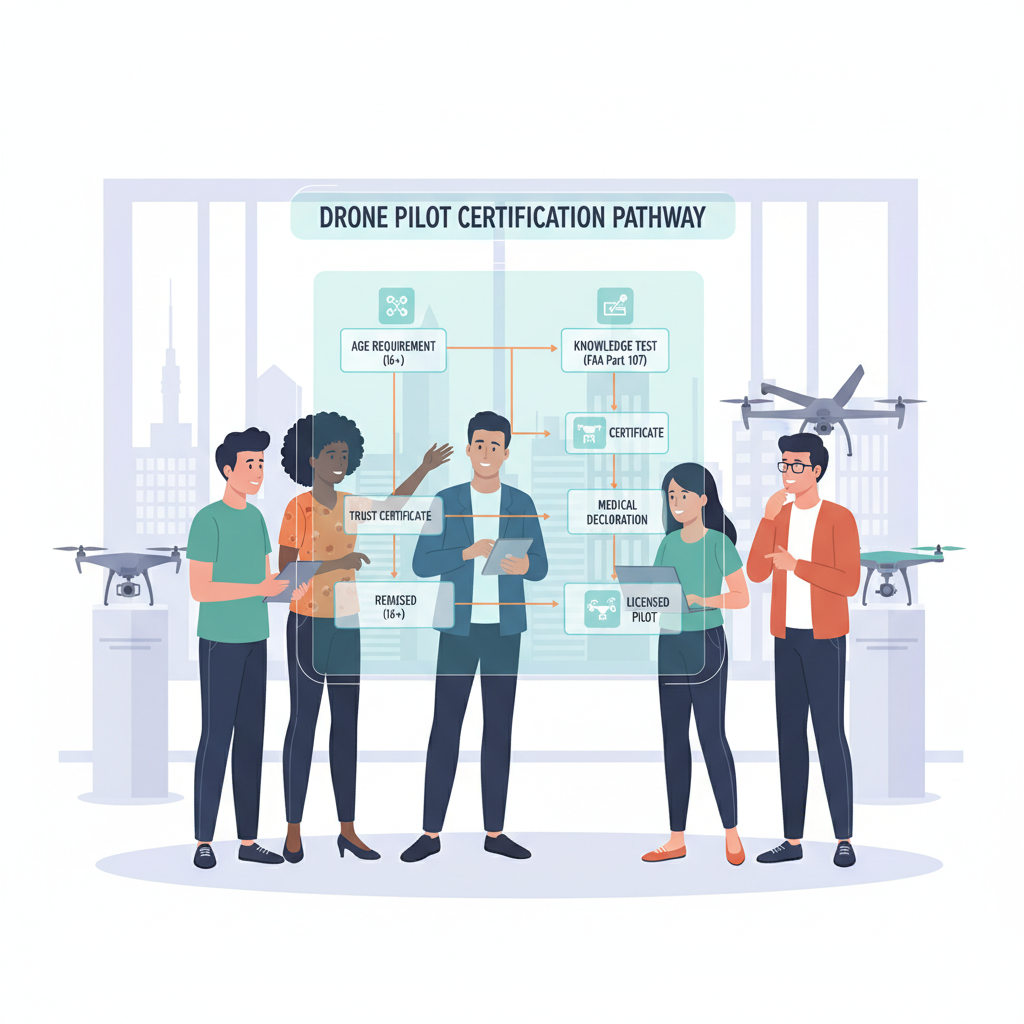
To start your journey towards obtaining a drone license, it is essential to understand the key requirements set forth by the Federal Aviation Administration (FAA). Firstly, you must be at least 16 years old to apply for a drone license, which ensures a basic level of maturity and responsibility. Additionally, you should familiarize yourself with the FAA regulations and guidelines for drone use, including Part 107 of the Federal Aviation Regulations (FAR). This part outlines the operational limitations, airspace classifications, and maintenance requirements that drone operators must adhere to.
Besides age, you should also have a basic understanding of aeronautical knowledge, which encompasses topics such as weather conditions, airspace classification, and drone operation protocols. By grasping these fundamentals, you will not only be able to pass the knowledge test but also operate your drone safely and efficiently in various environments.
Preparing for the Knowledge Test
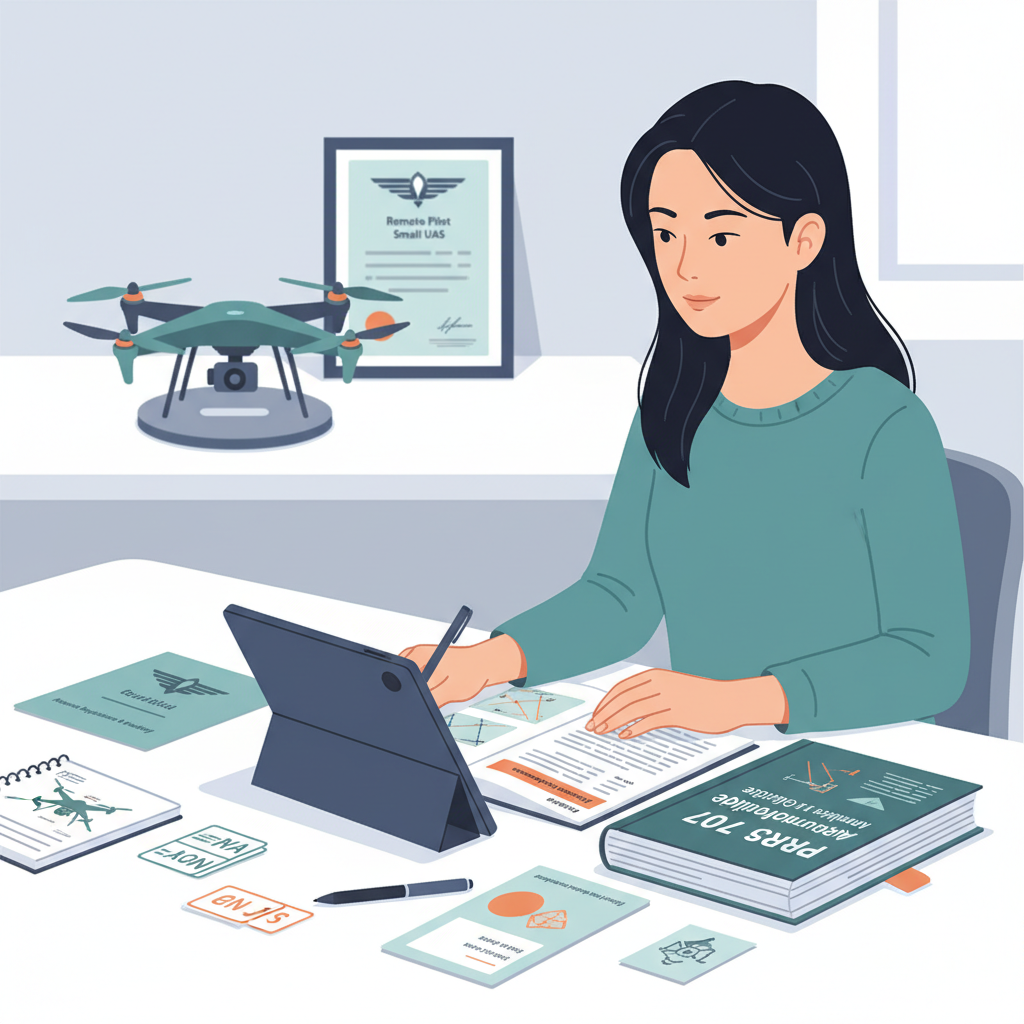
Preparation for the FAA’s knowledge test is a critical step in obtaining your drone license. The FAA provides a comprehensive Remote Pilot – Small Unmanned Aircraft Systems Study Guide, which serves as an essential resource. This guide covers all the necessary topics you will encounter on the test, including regulations, airspace classifications, weather, and emergency procedures.
To enhance your understanding and retention, consider utilizing online courses and practice tests. Numerous platforms offer tailored resources specifically designed to help aspiring drone pilots prepare for the FAA exam. Websites like RemotePilot101 and UAV Ground School provide interactive learning experiences and quizzes that mimic the actual test format. Engaging in these preparatory activities not only solidifies your knowledge but also builds confidence as you approach the exam date.
Registering Your Drone
Once you have adequately prepared for the knowledge test, the next step is to register your drone with the FAA. All drones weighing over 0.55 pounds (approximately 250 grams) must be registered; this includes most consumer drones. The registration process is straightforward and can be completed online through the FAA’s official website. The registration fee is relatively minimal at $5 and is valid for three years.
When registering, you will need to provide specific information about your drone, including its make, model, and serial number. Once your registration is approved, you will receive a unique registration number that must be displayed on your drone. This registration is not only a legal requirement but also serves as a means for the FAA to ensure accountability and safety within the national airspace.
Taking the FAA Knowledge Test
After registering your drone and feeling adequately prepared, it’s time to schedule your FAA knowledge test. Tests are administered at various approved testing centers across the country, and you can find a location near you through the FAA’s website. When you arrive at the testing center, ensure you bring necessary identification, such as a government-issued photo ID, as well as any required documents specified by the testing facility.
The testing fee varies by location but typically ranges from $150 to $200. The exam itself consists of 60 multiple-choice questions, and you will need to achieve a score of at least 70% to pass. It is essential to manage your time wisely during the exam and read each question carefully. Upon passing the test, you will receive a certificate of completion, which is a crucial component of your application for the Remote Pilot Certificate.
Obtaining Your Remote Pilot Certificate
With the knowledge test successfully completed, the next step is to obtain your Remote Pilot Certificate. To do this, you will need to submit your application through the FAA’s Integrated Airman Certification and Rating Application (IACRA) system. This online platform streamlines the application process and ensures that all necessary documentation is collected and processed efficiently.
As part of the application process, you will also need to complete a TSA security background check. This check is mandatory for all individuals seeking to operate drones for commercial purposes and helps ensure that all pilots meet safety and security standards. The TSA will examine your personal history and conduct a thorough review before granting approval. Once your application is approved, you will receive your Remote Pilot Certificate, allowing you to operate drones legally and commercially.
Maintaining Your License
Obtaining your drone license is not the end of the journey; it requires ongoing commitment to maintain your knowledge and skills. The FAA mandates that remote pilots undergo recurrent training every 24 months to ensure they remain informed about any changes in regulations or operational guidelines. This training can involve taking a recurrent knowledge test or participating in an FAA-approved training program.
In addition to the formal requirements, it is essential to stay updated on the latest developments in drone technology and regulations. Joining online forums, subscribing to industry newsletters, and participating in local drone clubs can provide valuable insights and networking opportunities. By actively engaging with the drone community, you can enhance your skills and knowledge, ensuring that you continue to operate your drone safely and responsibly.
In conclusion, obtaining a drone license involves understanding the requirements, preparing for a knowledge test, and following through with registration and application processes. By taking these steps seriously and staying informed of ongoing regulatory changes, you can enjoy flying your drone responsibly and legally. As the drone industry continues to evolve, being a licensed pilot not only opens up professional opportunities but also allows you to contribute to the safe integration of drones into our airspace.
Frequently Asked Questions
What do I need to start the process of getting a drone license?
To begin the process of getting a drone license, you need to determine which type of license you require based on your intended use. For commercial operations, you will need a Remote Pilot Certificate from the FAA, which requires passing the Part 107 knowledge test. Additionally, you should have a government-issued ID, access to study materials, and a basic understanding of aviation regulations.
How do I prepare for the FAA Part 107 exam to obtain my drone license?
Preparing for the FAA Part 107 exam involves studying the relevant materials and understanding key topics such as airspace classifications, weather, drone operations, and regulations. You can use online courses, study guides, and practice tests specifically designed for the Part 107 exam. It’s crucial to familiarize yourself with the FAA’s official resources and consider joining study groups or forums for additional support.
Why do I need a drone license for commercial use?
A drone license is required for commercial use to ensure that operators understand aviation safety and regulations, which helps minimize risks. The FAA mandates the Remote Pilot Certificate to regulate the use of drones in commercial activities such as aerial photography, surveying, and inspections. Holding a license not only enhances your credibility but also ensures compliance with legal standards, protecting both you and your clients.
What is the best way to find a reputable school or course for drone license training?
To find a reputable school or course for drone license training, start by researching programs accredited by the FAA or recognized industry organizations. Look for reviews and testimonials from previous students, and check if the program offers hands-on training and access to experienced instructors. Additionally, online platforms like the FAA’s website or drone training directories can help you compare options and make an informed choice.
Which documents do I need to submit to apply for a drone license?
When applying for a drone license, specifically the FAA Remote Pilot Certificate, you will need to submit a completed FAA Form 8710-13, which can be done online through the Integrated Airman Certification and Rating Application (IACRA) system. You must also provide proof of identity, a valid medical certificate (if required), and pass a background check. Ensuring you have all necessary documentation ready will streamline the application process.
References
- https://en.wikipedia.org/wiki/Drone_license
- https://www.faa.gov/uas/getting_started/part_107/
- https://www.faa.gov/uas/getting_started/
- https://www.nasa.gov/mission_pages/ucav/faq.html
- https://www.astrobotic.com/resources/drone-pilot-certification-guide/
- https://www.nerdwallet.com/article/investing/drone-pilot-license-guide
- https://www.aopa.org/training-and-safety/online-resources/drone-pilot-training
- https://www.faa.gov/uas/
- https://www.suasnews.com/2020/06/the-complete-guide-to-drone-licensing-in-the-usa/
