
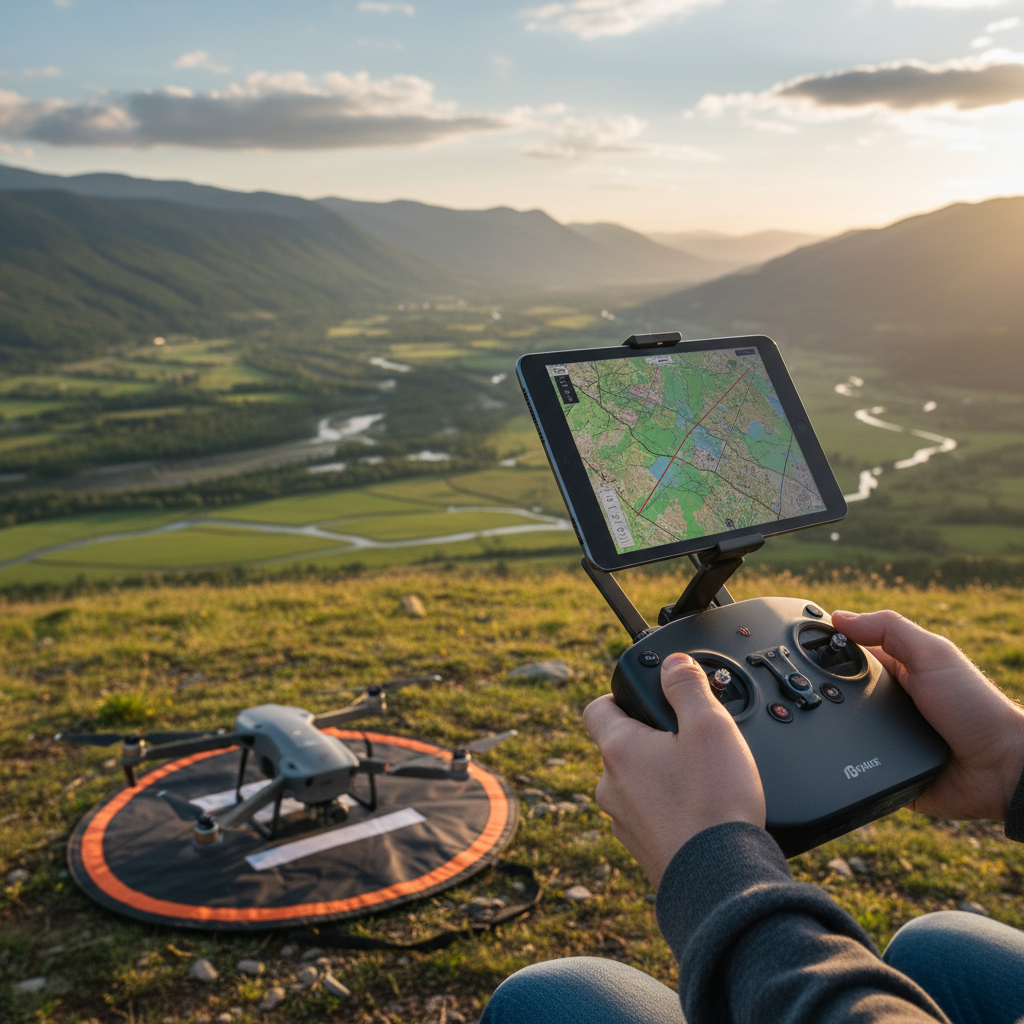
To work a drone effectively, you need to familiarize yourself with its controls, understand the basic flying techniques, and follow safety regulations. Drones have gained immense popularity for personal use, commercial applications, and recreational flying, making it essential for new operators to grasp the fundamental aspects of drone operation. This comprehensive guide will walk you through the necessary components, preparations, controls, and regulations to ensure a safe and enjoyable drone-flying experience.
Understanding Drone Components
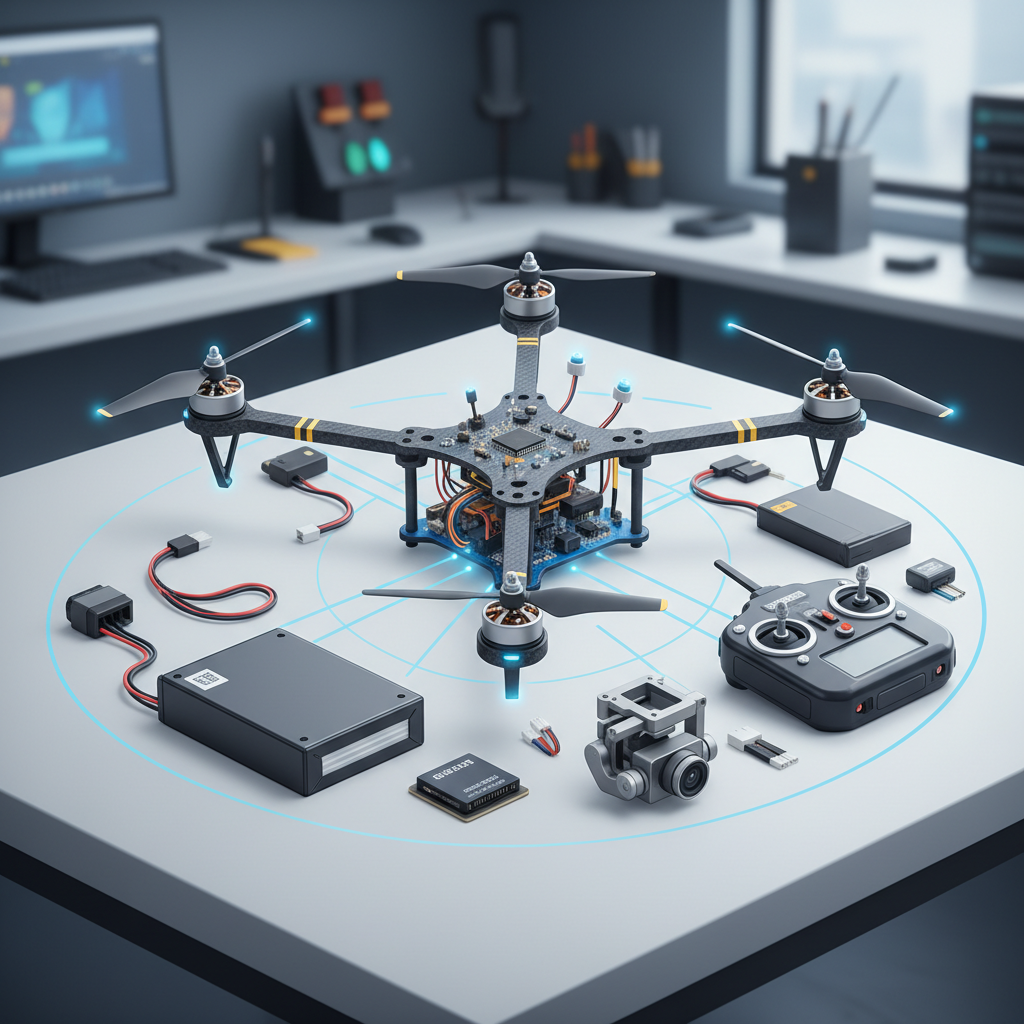
Before taking off, it is crucial to understand the main components of a drone, as each plays a significant role in its performance and control.
1. Propellers: These rotating blades generate lift and allow the drone to ascend, descend, and maneuver in the air. The size and pitch of the propellers can affect the drone’s speed and stability during flight.
2. Battery: The battery powers the drone and directly influences its flight time. High-capacity lithium-polymer (LiPo) batteries are common, and understanding how to charge and maintain them is vital for optimal performance.
3. Camera: Many drones come equipped with cameras for aerial photography and videography. The type of camera can vary significantly, affecting image quality and features such as stabilization and zoom capabilities.
4. Remote Controller: This device allows you to control the drone’s movements and functions. Knowing how to navigate the controller’s layout is essential for smooth operation.
By familiarizing yourself with these components, you’ll better appreciate how they interact to affect flight performance and can make informed decisions when selecting or operating a drone.
Pre-Flight Preparations
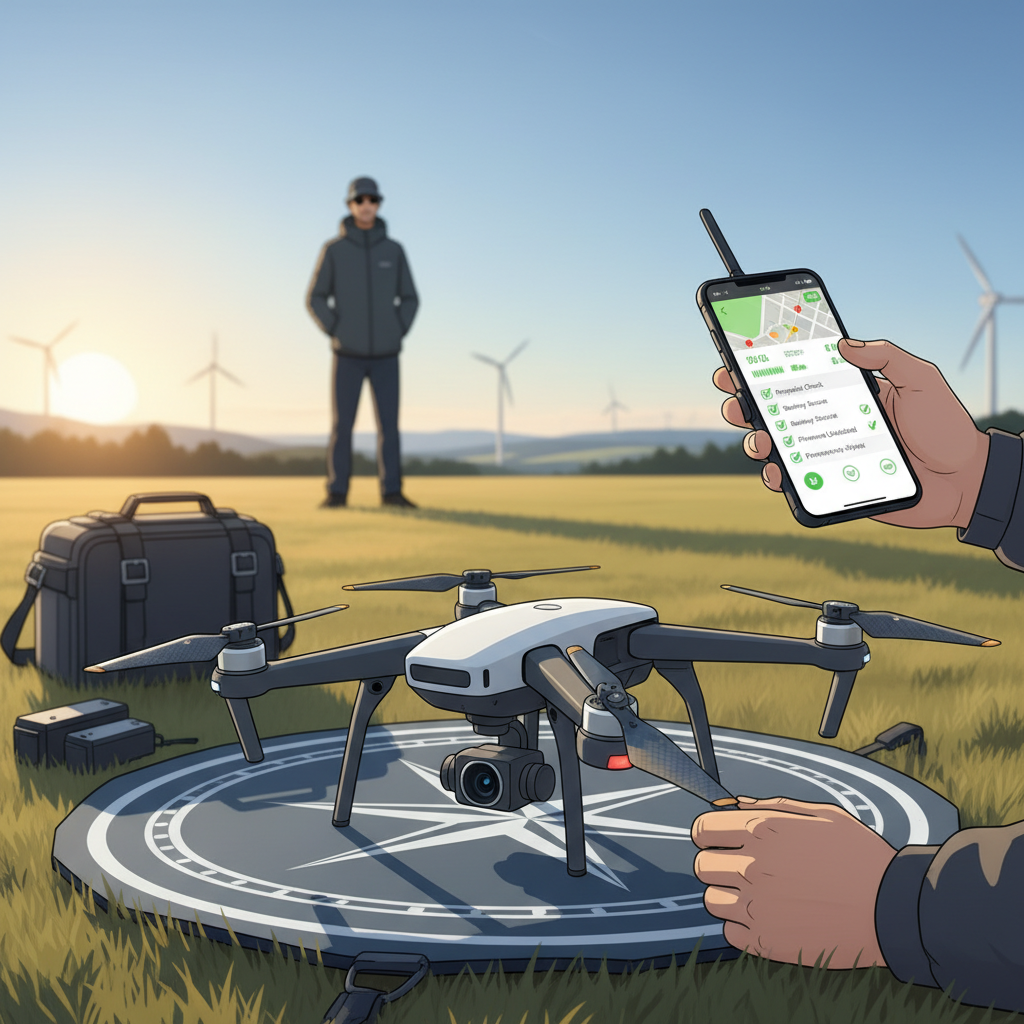
Proper pre-flight preparations are critical to ensure a safe flying experience and to avoid potential accidents.
1. Battery Level Check: Always check the battery level before takeoff. Ensure that it is fully charged to prevent mid-flight power failures, which can lead to crashes or loss of control.
2. Physical Inspection: Inspect the drone thoroughly for any signs of damage, such as cracks on the body, bent propellers, or loose screws. Even minor damage can affect flight stability. Additionally, ensure that the propellers are securely attached and free from debris.
3. Environment Assessment: Evaluate the flying environment for safety. Look for obstacles like trees, buildings, or power lines, and ensure that the area is free of people and pets to minimize risks.
Conducting these pre-flight checks will help you fly confidently and mitigate the chances of accidents.
Mastering the Controls
Understanding the remote controller and its functions is key to becoming a proficient drone pilot.
1. Controller Layout: Familiarize yourself with the controller’s layout, including the throttle (vertical movement), yaw (rotation left or right), pitch (tilt forward or backward), and roll (tilt side to side). Each function allows you to maneuver the drone effectively.
2. Simulator Software: Consider using drone simulator software to practice flying in a virtual environment. This approach enables you to get accustomed to controls without the risk of damaging an expensive drone. Many simulators replicate real-world physics and provide various scenarios to enhance your piloting skills.
3. Dual Control Modes: If your drone has beginner and advanced control modes, start with the beginner mode, which simplifies controls and limits speed, allowing you to build confidence before progressing to more advanced features.
By mastering the controls, you’ll gain the ability to execute precise movements and respond effectively to any flying challenges that may arise.
Basic Flying Techniques
Once you are familiar with the controls, it’s time to practice basic flying techniques that will lay the foundation for more advanced maneuvers.
1. Takeoff and Landing: Start with smooth takeoffs and landings. To take off, gently increase the throttle until the drone lifts off the ground. For landing, gradually decrease the throttle while ensuring you descend slowly and steadily to avoid hard landings.
2. Hovering: After mastering takeoffs, practice hovering in place. This skill is essential for capturing stable images and videos, as well as for navigation in tight spaces. Find a level area and maintain consistent throttle adjustments to stay at a fixed altitude.
3. Turns and Altitude Changes: Gradually introduce turns and altitude changes. Start with slow 90-degree turns and practice ascending and descending at a controlled pace. Focus on maintaining stability and avoiding sudden movements that may disrupt flight.
By developing these basic flying techniques, you’ll build the confidence needed to explore more complex maneuvers.
Understanding Regulations and Safety
Adhering to regulations and safety guidelines is paramount for responsible drone operation.
1. Local Regulations: Familiarize yourself with your local drone regulations, which may include no-fly zones, altitude restrictions, and required permits. Different countries and regions have varying laws, so it’s essential to research and comply with the rules applicable to your area.
2. Visual Line of Sight: Always maintain a visual line of sight with your drone. This practice helps you keep track of its position and avoid obstacles. Flying beyond visual range can lead to loss of control and potential accidents.
3. Crowd Safety: Avoid flying over crowds or private property without permission. Respecting the privacy and safety of others is not only a legal obligation but also a moral one.
By understanding and following these regulations, you’ll contribute to the safe integration of drones into shared airspace.
Troubleshooting Common Issues
Even experienced pilots encounter issues during flights. Knowing how to troubleshoot common problems can save time and prevent accidents.
1. Connectivity Issues: If you experience a loss of signal or connectivity with the drone, ensure that both the remote controller and drone are charged and functioning correctly. Restarting both devices can often resolve minor glitches.
2. GPS Signal Loss: If your drone loses GPS signal, it may enter a ‘failsafe’ mode, which can lead to erratic behavior. Familiarize yourself with your drone’s failsafe procedures, such as automatic return-to-home features.
3. Maintenance Checklist: Develop a maintenance checklist that includes checking propellers, battery health, and firmware updates. Regular maintenance helps ensure the longevity and reliability of your drone.
By being proactive about troubleshooting, you can enhance your flying experience and reduce the likelihood of in-flight issues.
Exploring Advanced Features
Once you feel comfortable with basic operations, consider exploring the advanced features that modern drones offer.
1. GPS Tracking and Follow-Me Modes: Many drones come equipped with GPS tracking capabilities that allow you to track their location or enable follow-me modes, where the drone autonomously follows you. These features are particularly useful for capturing dynamic shots during outdoor activities.
2. Aerial Photography Settings: Experiment with different camera settings for aerial photography, such as adjusting exposure, ISO, and white balance. Understanding how to utilize these settings can significantly improve the quality of your photos and videos.
3. Flight Modes: Take advantage of different flight modes that your drone may offer, such as sport mode for faster speeds or cinematic mode for smoother footage. Each mode can enhance your flying experience depending on your objectives.
By exploring these advanced features, you can expand your capabilities and unlock the full potential of your drone.
In summary, working a drone involves understanding its components, mastering controls, and adhering to safety regulations. By following the steps outlined in this guide, you’ll be well on your way to becoming a proficient drone operator. With practice, knowledge, and respect for the rules, you can enjoy the exhilarating experience of flying a drone while capturing stunning aerial imagery. Happy flying!
Frequently Asked Questions
What are the basic controls for flying a drone?
The basic controls for flying a drone typically include the left and right sticks on the remote controller, which manage altitude and direction. The left stick usually controls the throttle (up and down movement), while the right stick controls the yaw (rotation left or right) and pitch (forward and backward movement). Familiarizing yourself with these controls through practice in open areas can help you build confidence and improve your piloting skills.
How do I prepare my drone for a flight?
To prepare your drone for flight, start by fully charging the battery and ensuring the propellers are securely attached and in good condition. Check the firmware updates on your drone, calibrate the compass, and perform a pre-flight checklist to verify that all systems are functioning correctly. Additionally, ensure you are in an open space away from obstacles and people, and verify that you have enough GPS signal for safe navigation.
Why is it important to read the drone’s manual before flying?
Reading your drone’s manual is crucial because it provides specific instructions regarding the features, safety protocols, and operational guidelines unique to your model. Understanding how to operate the drone effectively and knowing its limitations can prevent accidents, improve flight performance, and ensure compliance with local regulations. A thorough knowledge of your drone can also enhance your overall flying experience.
What are some common mistakes beginners make when flying a drone?
Common mistakes beginners make include failing to conduct a pre-flight check, flying in restricted areas, and not being aware of weather conditions, which can lead to crashes or loss of control. Additionally, many new pilots underestimate the importance of practicing basic maneuvers, resulting in difficulty mastering the controls. Taking the time to learn the rules of drone flying and practicing with simulator software can significantly enhance your skills and safety.
Which drone is best for beginners?
The best drone for beginners typically combines user-friendly controls, stability, and affordability. Models like the DJI Mini SE or the Holy Stone HS720 offer intuitive features such as GPS, altitude hold, and easy return-to-home functions, making them ideal for new pilots. When choosing a beginner drone, consider factors like battery life, camera quality, and the availability of instructional resources to ensure a rewarding flying experience.
References
- https://en.wikipedia.org/wiki/Drone
- https://www.faa.gov/uas/getting_started/
- https://www.nasa.gov/centers/armstrong/news/FactSheets/FS-085-DFRC.html
- https://www.theguardian.com/technology/2021/apr/20/drones-how-they-work-and-what-they-can-do
- https://www.nist.gov/news-events/news/2020/06/using-drones-improve-air-quality
- https://www.usgs.gov/special-topic/drone-mapping
- https://www.ku.edu/ku-drone-research-center
- https://www.wired.com/story/how-to-fly-a-drone/
