

To become a drone operator, you need to acquire knowledge, skills, and certifications relevant to flying drones professionally. This guide will walk you through the essential steps to start your journey in this growing field. With the increasing demand for aerial photography, surveying, and inspection services, becoming a drone operator can be a rewarding career choice. By following the steps outlined in this guide, you can effectively navigate the complexities of entering the drone industry.
Understanding Drone Operation Basics
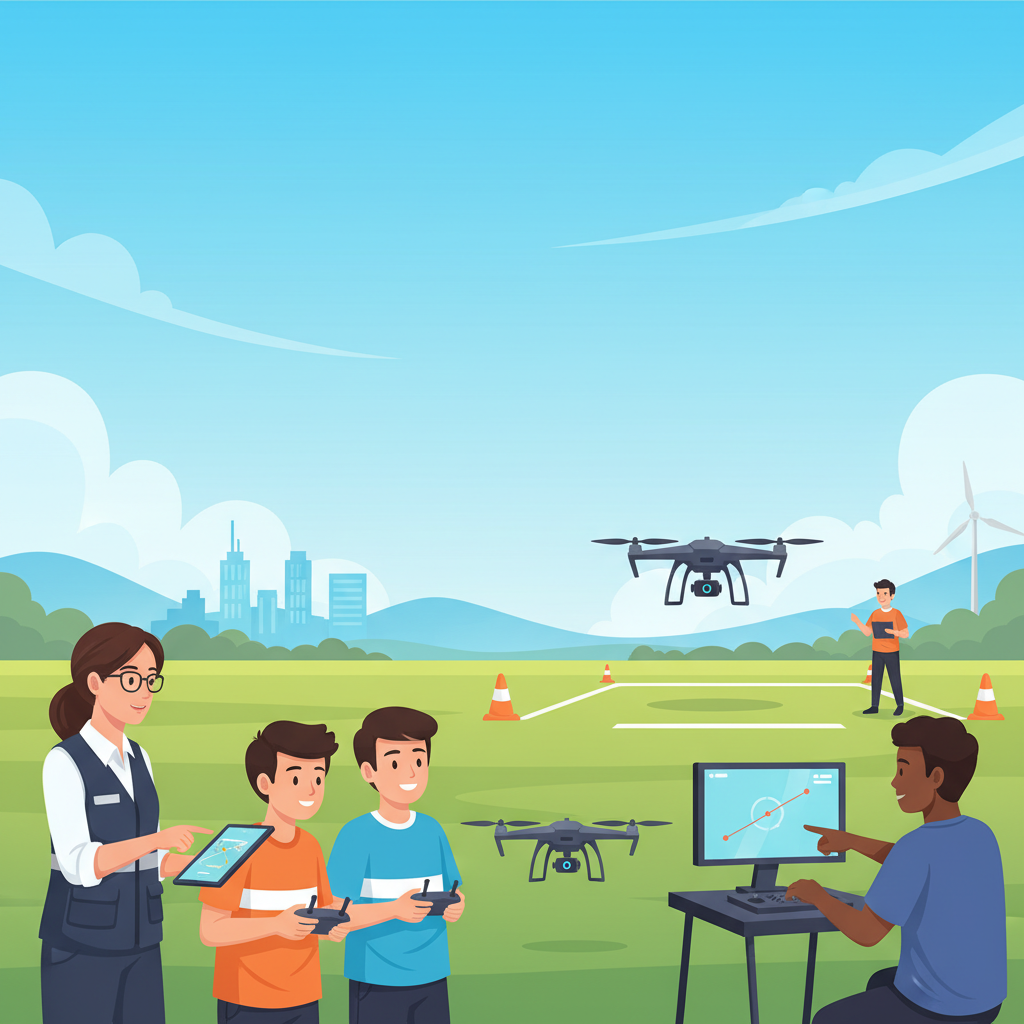
To effectively operate a drone, it is vital to understand the different types of drones available and their specific uses. Drones can be classified into various categories, such as fixed-wing, multi-rotor, and hybrid drones. Each type serves distinct purposes: for instance, fixed-wing drones are often used for long-distance surveying and mapping, while multi-rotor drones are popular for aerial photography due to their stability and maneuverability.
Familiarizing yourself with drone components and technology is equally important. Key components include the flight controller, GPS module, camera systems, and batteries. Understanding how these parts interact will enhance your operational skills and troubleshooting capabilities. Additionally, learning about drone software, such as flight planning and data analysis tools, can further streamline your operations and improve the quality of your work.
Obtaining Necessary Certifications

One of the pivotal steps to becoming a certified drone operator is acquiring the Federal Aviation Administration (FAA) Part 107 certification in the United States. This certification is essential for anyone looking to operate drones commercially, as it ensures that operators understand the regulations and safety protocols involved in flying drones.
To prepare for the written exam and practical flight tests required for the Part 107 certification, consider enrolling in preparatory courses offered by various organizations. These courses typically cover topics such as airspace classification, weather effects on flight, and emergency procedures. Additionally, practice flying your drone to gain hands-on experience, which can help you excel in the practical flight test.
Gaining Flight Experience
Starting with a personal drone is a practical way to hone your flying skills. Invest in a beginner-friendly drone that allows you to practice basic maneuvers and gradually build your confidence. As you become more comfortable, challenge yourself with complex flight patterns and aerial photography techniques.
Joining local clubs or online communities can also provide valuable resources and mentorship opportunities. Many drone enthusiasts are eager to share their knowledge and tips with newcomers. Engaging in these communities can help you learn from experienced operators, receive feedback on your flying skills, and even participate in group flying sessions, enhancing your learning experience.
Exploring Educational Resources
To expand your knowledge and become a proficient drone operator, consider taking online courses or attending workshops focused on drone operation. Many educational platforms, such as Udemy and Coursera, offer specialized courses covering everything from basic flying skills to advanced drone technology applications. Workshops often provide hands-on experience and networking opportunities with industry professionals.
In addition to formal education, reading books and watching tutorials on drone operation can significantly enhance your understanding. Resources like “Drone Pilot’s Handbook” or online YouTube channels dedicated to drone flying can provide insights into best practices and emerging trends, allowing you to stay informed and skilled in your craft.
Building a Portfolio
Building a strong portfolio is crucial for showcasing your skills and attracting potential clients. Document your flight experience and projects through high-quality videos and photos. When capturing aerial footage, focus on different subjects, such as landscapes, events, or construction sites, to demonstrate your versatility as a drone operator.
Creating a website or social media presence to showcase your work can significantly enhance your visibility in the market. Use platforms like Instagram and YouTube to share your aerial photography, highlight your projects, and engage with your audience. A well-curated portfolio not only showcases your skills but also establishes your personal brand within the industry.
Networking and Finding Job Opportunities
Networking is key to finding job opportunities in the drone industry. Attend industry events, conferences, and trade shows to meet professionals and companies in the field. Events like the Commercial UAV Expo or Interdrone provide excellent platforms for networking, learning about new technologies, and discovering job openings.
Additionally, connecting with professionals in the field through LinkedIn and other platforms can open doors to freelance opportunities or full-time positions. Joining specialized groups or forums where drone operators gather can facilitate discussions about job leads and industry insights, making networking an invaluable strategy in your career development.
Staying Updated with Industry Trends
The drone industry is rapidly evolving, with technological advancements and regulatory changes continually shaping the landscape. Following drone technology news and advancements through reputable sources can help you stay informed about the latest trends and innovations. Websites like DroneDJ and sUAS News provide regular updates on industry developments, product launches, and regulatory changes.
Subscribing to relevant magazines and blogs can further enhance your knowledge. Publications such as “DroneLife” and “UAV Coach” offer insightful articles, expert opinions, and case studies that can deepen your understanding of the industry and inspire you to explore new applications for drone technology.
In conclusion, becoming a drone operator involves a comprehensive approach that includes education, certification, and practical experience. By following the steps outlined in this guide—understanding the basics of drone operation, obtaining necessary certifications, gaining flight experience, exploring educational resources, building a portfolio, networking, and staying updated with trends—you can successfully launch a career in this exciting and rapidly growing industry. Start your journey today, and embrace the opportunities that await in the world of drone operation!
Frequently Asked Questions
What qualifications do I need to become a drone operator?
To become a drone operator, you typically need to meet specific qualifications, including obtaining a Remote Pilot Certificate from the Federal Aviation Administration (FAA) if you are in the United States. This involves passing a written knowledge test that covers topics such as airspace rules, weather, and drone operation regulations. Additionally, having a good understanding of drone technology and safety practices is essential for successful operation.
How can I find the best drone training programs?
Finding the best drone training programs involves researching various options, such as online courses, local flight schools, and community colleges. Look for programs that offer hands-on training, comprehensive curriculum covering regulations and technical skills, and certification preparation. Reviews and testimonials from former students can also provide insight into the quality of the training and its effectiveness in preparing you for your drone operator career.
Why is it important to register my drone before operation?
Registering your drone is crucial for compliance with legal requirements set by the FAA and helps ensure safe operation in the national airspace. Registration provides a unique identification number for your drone, which can aid in recovering a lost aircraft and enhance accountability. Failing to register can lead to fines and penalties, making it essential for responsible drone operators to adhere to these regulations.
What are the best drones for beginner operators?
The best drones for beginner operators often include models with user-friendly controls, stability features, and built-in safety mechanisms. Popular choices such as the DJI Mini SE and the Holy Stone HS720 offer excellent camera quality, ease of use, and affordable pricing, making them ideal for new pilots. It’s important to select a drone that matches your skill level and intended use, as this will enhance your learning experience.
Which industries are hiring drone operators?
Numerous industries are hiring drone operators, including real estate, agriculture, construction, and film production. In real estate, drone operators capture aerial images to enhance property listings, while in agriculture, they provide valuable data for crop monitoring. As drone technology continues to evolve, the demand for skilled operators across various sectors is expected to grow, making it a promising career choice.
References
- https://en.wikipedia.org/wiki/Drone_operator
- https://www.faa.gov/uas/getting_started/part_107
- https://www.nasa.gov/aeroresearch/programs/airspace/uas.html
- https://www.ama-assn.org/delivering-care/public-health/drone-uses-public-health
- https://www.suasnews.com/2021/05/how-to-become-a-drone-operator/
- https://www.dronepilotgroundschool.com/drone-pilot-certification-guide/
- https://www.nap.edu/catalog/26072/assessing-the-benefits-of-drones-for-transportation
- https://www.unm.edu/~drones/
- https://www.usda.gov/topics/farming/drone-technology-agriculture
- https://www.ncbi.nlm.nih.gov/pmc/articles/PMC7540741/
