
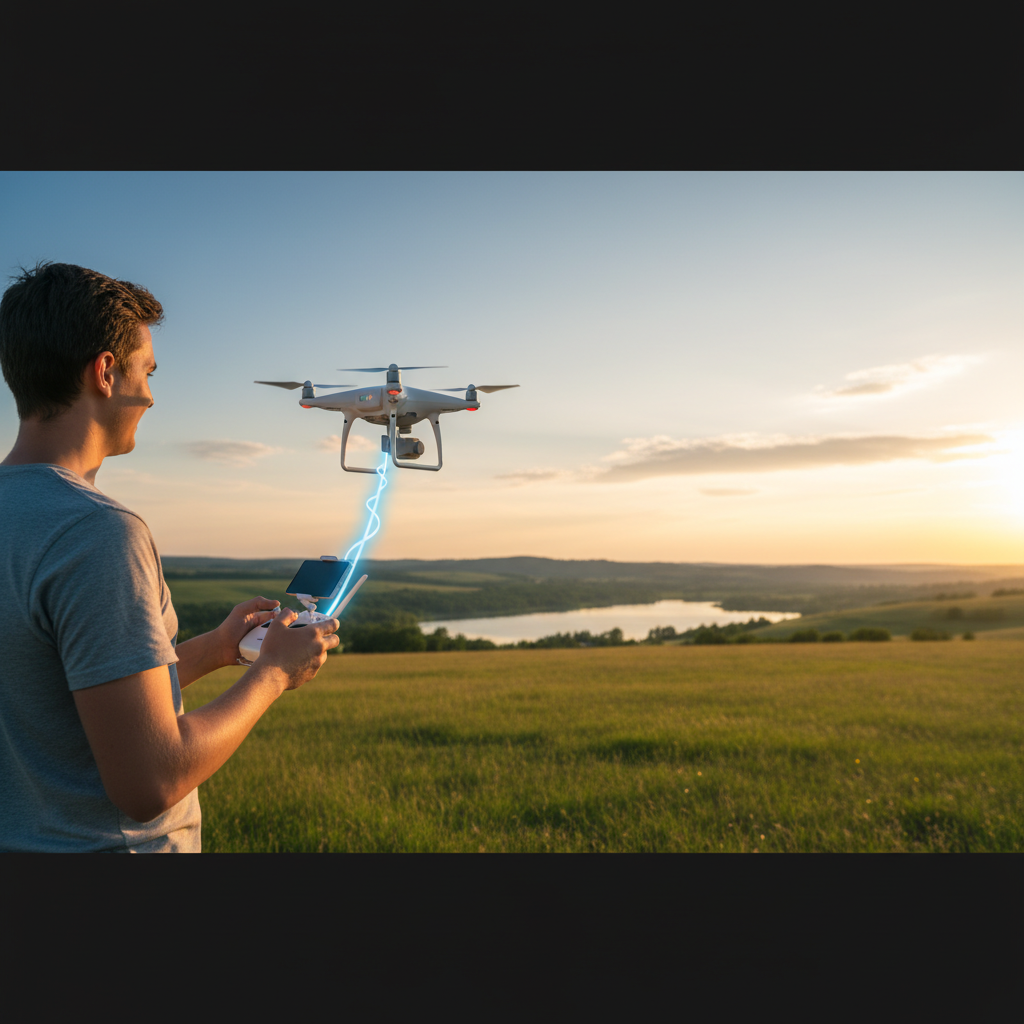
Flying a drone for the first time can be an exhilarating experience, but it requires proper preparation and understanding of your equipment. To embark on this adventure successfully, familiarize yourself with the drone’s controls, practice in a safe and open environment, and comply with local regulations. This guide is designed to equip you with essential tips and insights, helping you navigate your inaugural flight with confidence and ease.
Understanding Your Drone
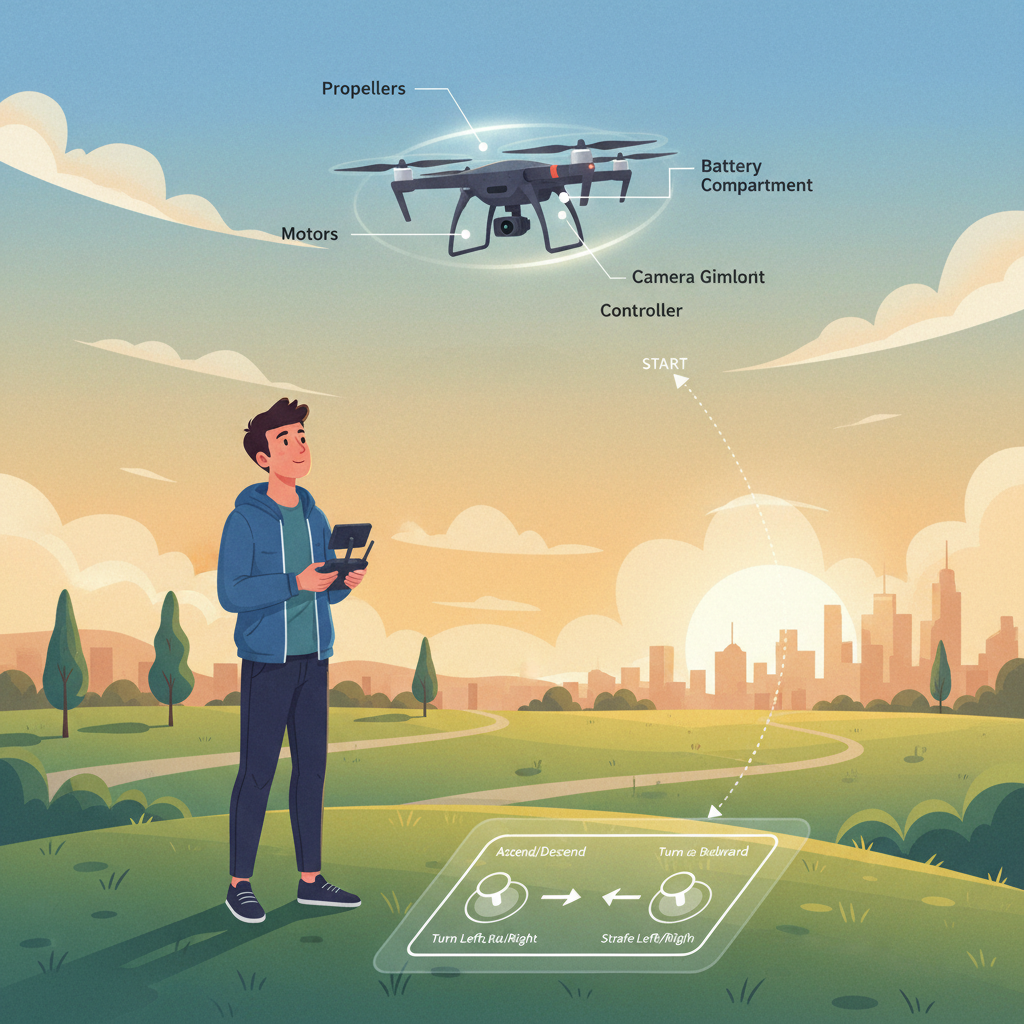
Before you take to the skies, it is crucial to familiarize yourself with the components of your drone. Most consumer drones consist of a main body, rotors, a battery, and a remote control. The remote control typically features a variety of buttons and joysticks that allow you to maneuver the drone effectively. Additionally, many drones come equipped with cameras, enabling you to capture stunning aerial footage.
Understanding the different flight modes available on your drone is equally important. Most models offer modes such as “Beginner,” “Sport,” and “Expert.” The Beginner mode often restricts altitude and speed, making it ideal for first-time flyers. Conversely, the Sport mode unleashes the drone’s full potential, allowing for advanced maneuvers, but requires a higher skill level. Familiarizing yourself with these features will enhance your flying experience and help you progress as a pilot.
Pre-Flight Preparations

Preparation is key to a successful flight. Begin by checking the battery levels of both the drone and the remote control. A fully charged battery is essential for a smooth flight experience, as low battery alerts can lead to unexpected landings or loss of control. Additionally, inspect your drone for any physical damage or obstructions that could affect performance. Look for loose parts, cracked propellers, or dirt that may hinder the drone’s functionality. Ensuring that your equipment is in optimal condition will not only enhance your flying experience but also prolong the lifespan of your drone.
Finding an Ideal Flight Location
Selecting the right location for your first flight is crucial for a successful experience. Look for a spacious, open area that is free from obstacles, such as trees, buildings, and power lines. Parks, fields, and large parking lots are typically excellent choices. When scouting for a location, ensure that it is away from populated areas to minimize the risk of accidents and to respect the privacy of others.
Weather conditions also play a significant role in flight safety. Ideally, aim for a clear day with minimal wind. Windy conditions can lead to difficulties in controlling the drone, especially for beginners. Avoid flying in rain or fog as well, as these conditions can obscure visibility and damage the drone. By choosing the right location and favorable weather, you create an environment conducive to learning and enjoyment.
Basic Flight Controls
Understanding the fundamental flight controls is essential for any new drone pilot. The primary controls include throttle, yaw, pitch, and roll. The throttle controls the altitude of the drone, allowing you to ascend and descend. Yaw refers to the rotation of the drone around its vertical axis, enabling it to turn left or right. Pitch controls the forward and backward tilt, affecting the drone’s direction of movement, while roll manages the tilt from side to side.
As a beginner, you should practice basic maneuvers such as takeoff, landing, and hovering. Start with a gentle takeoff, gradually increasing the throttle until the drone lifts off the ground. Once airborne, practice hovering at a stable altitude, as this will help you gain confidence in controlling the drone. Finally, focus on landing by gradually reducing the throttle, ensuring a smooth descent. Repeated practice of these maneuvers will build your skills and prepare you for more advanced flying techniques.
Safety and Regulations
Safety should always be a top priority when flying a drone. Before your first flight, familiarize yourself with local drone laws and regulations. Many countries have specific guidelines regarding where and how high you can fly, as well as restrictions on flying near airports or crowded areas. In the United States, for example, the Federal Aviation Administration (FAA) requires drone pilots to register their drones and adhere to specific operational guidelines.
Always ensure that your drone remains within your line of sight during flight. This is crucial for maintaining control and avoiding potential collisions. Additionally, be aware of your surroundings and avoid flying near people, animals, or private property. By following these regulations and safety tips, you can enjoy a responsible and enjoyable flying experience.
Troubleshooting Common Issues
Even the most experienced drone pilots encounter issues from time to time. Familiarize yourself with common problems, such as loss of signal or low battery alerts. If you experience a loss of signal, the drone may automatically return to its last known location or land safely, depending on its settings. Always be prepared for such situations by practicing emergency landing techniques.
Low battery alerts should prompt you to land your drone immediately. Prolonging flight after receiving this alert can lead to crashes or loss of control. Make it a habit to monitor your battery levels closely and plan your flights accordingly to avoid running out of power mid-air. By understanding these common issues and knowing how to manage them, you can mitigate risks and ensure a safe flight.
Maintenance and Care
Proper maintenance and care of your drone will enhance its performance and longevity. Regularly clean your drone, paying close attention to the propellers and camera lens, as dirt and debris can affect flight stability and image quality. After each flight, inspect the drone for any signs of wear or damage, and address any issues immediately.
Keeping your drone’s software and firmware up to date is also essential. Manufacturers often release updates that improve performance and safety features. Regularly check the manufacturer’s website or app for updates and install them as needed. By taking these maintenance steps, you can ensure that your drone remains in optimal condition for future flights.
Flying a drone for the first time can be an immensely rewarding experience when approached with the right knowledge and preparation. By understanding your drone, preparing adequately, selecting appropriate flight locations, mastering basic controls, prioritizing safety, troubleshooting common issues, and maintaining your equipment, you can maximize your enjoyment and build your confidence as a pilot. Remember that practice is key; the more you fly, the more proficient you will become. Embrace this exciting hobby, and enjoy the unique perspective that a drone can offer.
Frequently Asked Questions
What are the basic steps to fly a drone for the first time?
To fly a drone for the first time, start by familiarizing yourself with the user manual and understanding the controls. Next, ensure your drone is fully charged and perform a pre-flight check for any damages. Choose a wide, open area with minimal obstacles, power on your drone, and connect it to the remote controller. Gradually practice taking off, hovering, and landing in a controlled manner, ensuring you adjust the throttle and directional controls gently.
How do I choose the best drone for beginners?
When selecting the best drone for beginners, consider factors such as ease of use, flight time, and durability. Look for drones with features like GPS stabilization, one-key takeoff and landing, and beginner-friendly modes. Additionally, check for user-friendly apps that offer a live feed and flight tutorials. Popular beginner drones include the DJI Mini SE and the Holy Stone HS720, which provide great performance without overwhelming complexity.
Why is it important to check local regulations before flying a drone?
Checking local regulations before flying a drone is crucial to ensure compliance with laws that govern airspace and drone operations. Many regions have specific rules regarding where you can fly, maximum altitude limits, and restrictions near airports or populated areas. Understanding these regulations helps prevent legal issues and promotes safe flying practices, ensuring you respect others’ privacy and safety while enjoying your drone experience.
What are some common mistakes to avoid when flying a drone for the first time?
Common mistakes to avoid when flying a drone for the first time include flying in windy conditions, which can make control difficult, and neglecting to perform pre-flight checks, risking damage or malfunction. Additionally, many beginners forget to keep the drone within line of sight, which is essential for safety and control. Finally, avoid overcomplicating your first flights; start with basic maneuvers before attempting advanced features or aerial tricks.
How can I improve my drone flying skills after my first flight?
To improve your drone flying skills after your first flight, practice regularly in various environments and weather conditions while adhering to safety guidelines. Utilize simulators or flight training apps to gain confidence without the risk of crashing your drone. Joining local drone clubs or online communities can also provide valuable insights, tips, and support as you learn from more experienced pilots. Setting specific goals, like mastering different maneuvers or capturing aerial photos, can further enhance your skills.
References
- https://en.wikipedia.org/wiki/Drone_flying
- https://www.faa.gov/uas/getting_started/fly_a_drone
- https://www.nasa.gov/aero/education/understanding_drones
- https://www.sae.org/news/2020/11/how-to-fly-a-drone-101
- https://www.dronepilotgroundschool.com/first-time-drone-flyer-guide/
- https://www.techradar.com/how-to/how-to-fly-a-drone-for-the-first-time
- https://www.nationalgeographic.com/science/article/what-you-need-to-know-to-fly-a-drone
- https://www.aarp.org/home-family/personal-technology/info-2020/how-to-fly-a-drone.html
