
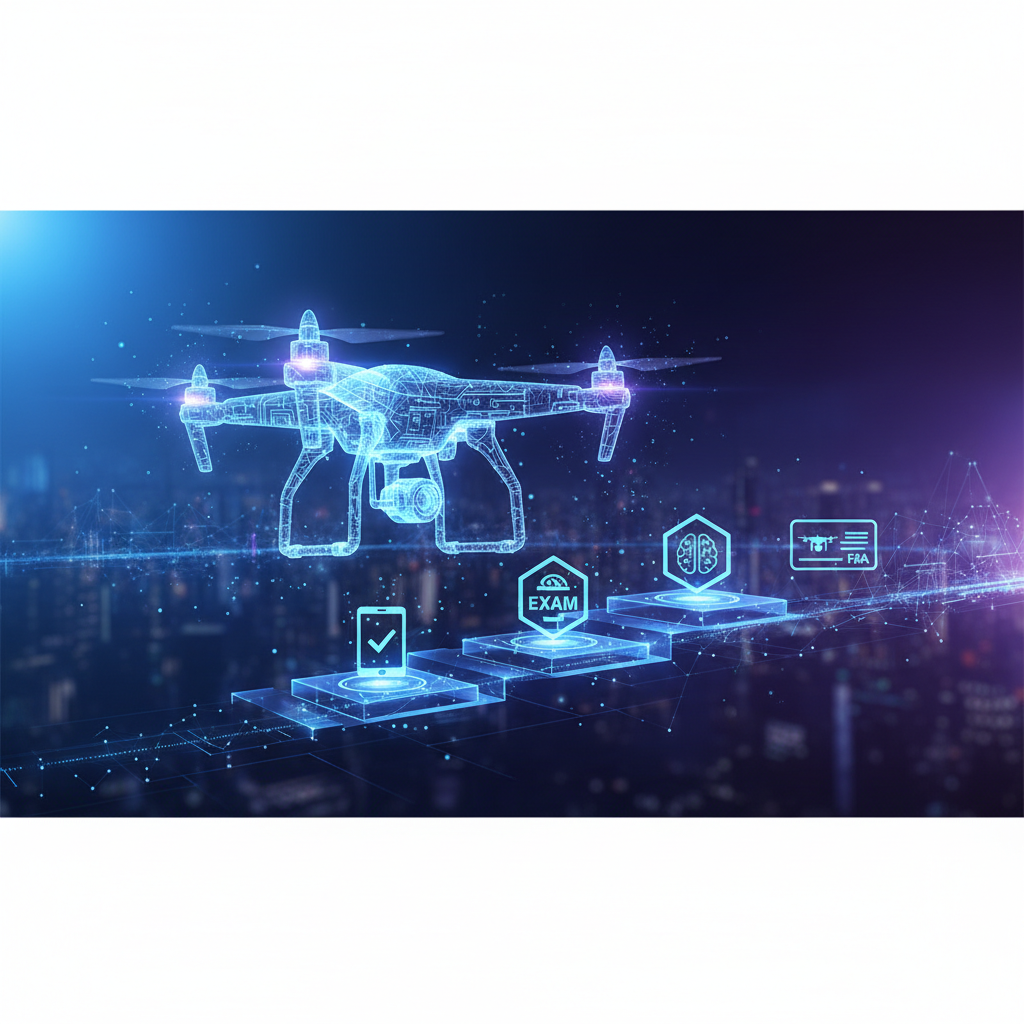
To get a commercial drone license, you must complete the FAA’s Part 107 certification process, which includes passing a knowledge test. This essential process is designed to ensure that you have a thorough understanding of the regulations, safety measures, and operational protocols necessary for commercial drone operations. Whether you’re a budding entrepreneur looking to enter the drone service industry or an established business owner aiming to expand your offerings, obtaining your Part 107 license is a critical first step. Below is a detailed guide on how to navigate this process successfully.
Understanding the FAA Regulations
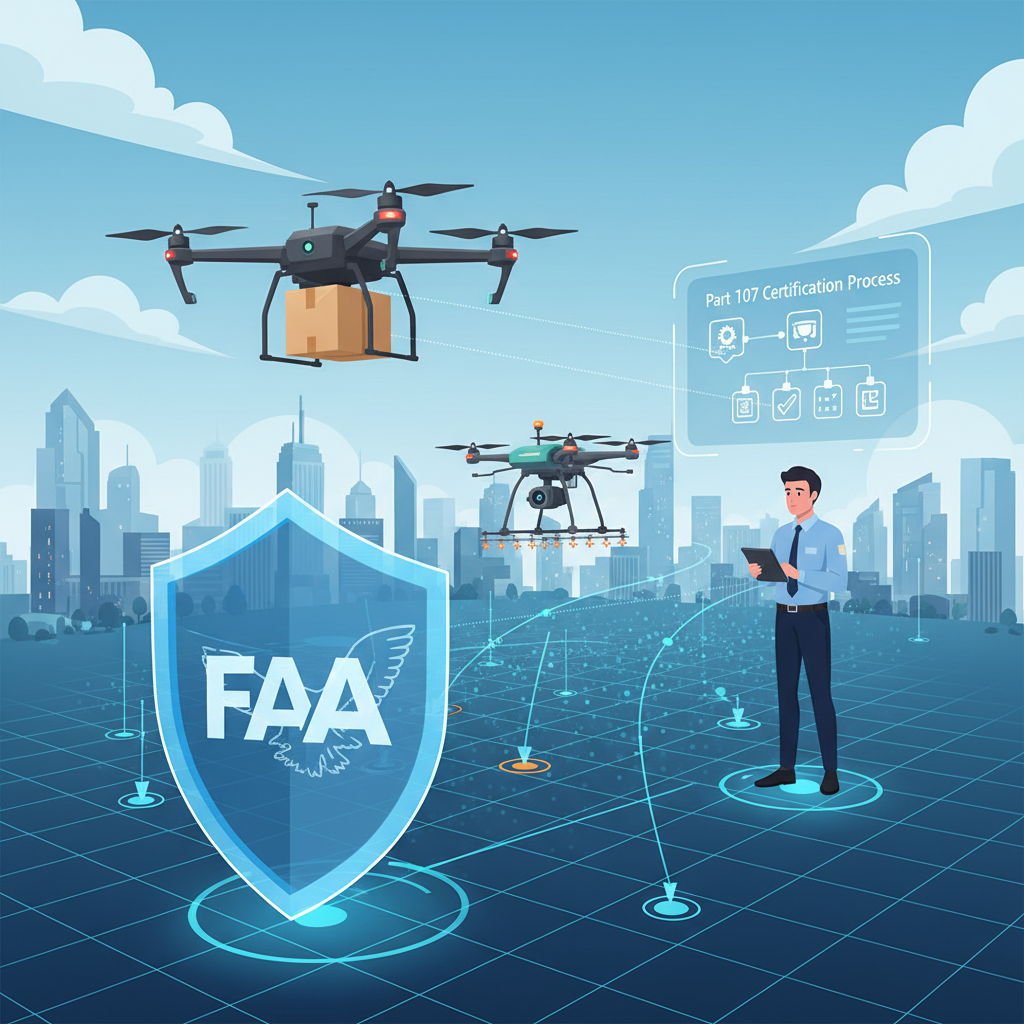
To operate drones legally for commercial purposes, you need to familiarize yourself with the Federal Aviation Administration (FAA) Part 107 rules. These regulations are specific to small unmanned aircraft systems (sUAS) and cover a wide range of operational parameters.
Key aspects of these regulations include limitations on altitude and airspace restrictions. For instance, drones must not fly higher than 400 feet above ground level unless they are within a 400-foot radius of a structure. Additionally, operations are generally restricted to visual line-of-sight, meaning that the pilot must be able to see the drone at all times. Understanding these regulations is crucial, as violations can result in hefty fines or loss of your license.
Moreover, the FAA outlines specific airspace classifications—Class B, C, D, and E—that dictate where you can operate your drone. For instance, flying in controlled airspace typically requires prior authorization from air traffic control. Acquainting yourself with these classifications and associated requirements will help you conduct safe and compliant drone operations.
Eligibility Requirements

Before you embark on the journey to obtain a commercial drone license, it’s important to verify your eligibility. The FAA has established specific requirements that you must meet to qualify for the Part 107 certification.
Firstly, you must be at least 16 years old. This age requirement ensures that you are mature enough to understand and comply with the operational regulations. Additionally, you must be a U.S. citizen or a legal resident. This requirement is in place to maintain safety and accountability within U.S. airspace.
Lastly, you should be in a physical and mental condition that allows you to safely operate a drone. This includes not having any medical conditions that would impair your ability to pilot or make decisions while flying. This is generally assessed through a self-certification process, but you may need to provide documentation if there are any concerns regarding your health.
Preparing for the Knowledge Test
Preparation is key when it comes to passing the FAA’s knowledge test. The test evaluates your understanding of various topics, including drone operation, weather, airspace classification, and emergency procedures.
Start by studying the FAA’s Remote Pilot – Small Unmanned Aircraft Systems Study Guide, which provides an overview of the essential topics covered in the test. This guide is an invaluable resource that breaks down complex regulations into more manageable information.
In addition to the study guide, consider enrolling in a preparatory course. Many organizations offer classes—both in-person and online—that focus on FAA regulations and practical drone operation. These courses often provide simulated testing environments, which can be extremely beneficial in familiarizing yourself with the format and types of questions you will encounter. Online resources, including forums and video tutorials, can also provide additional insights and tips from experienced pilots.
Scheduling the Exam
Once you feel adequately prepared for the knowledge test, the next step is to schedule your exam. The FAA has designated a network of testing centers across the country, and you can easily locate one through the FAA’s website.
After finding a convenient testing center, you will need to register for the exam, which involves filling out an application and paying the required fee. As of October 2023, the testing fee is approximately $175, though prices may vary slightly depending on the testing center. It’s advisable to book your exam well in advance, as spots can fill up quickly, especially during peak times.
Ensure that you keep a record of your registration confirmation, as you will need to present it when you arrive for the test.
Taking the Test
On the day of your exam, arrive at the testing center prepared and on time. Bring valid identification, such as a government-issued ID, and any necessary materials, including a calculator if allowed. Familiarizing yourself with the testing environment beforehand can also help reduce anxiety.
The knowledge test consists of multiple-choice questions, typically ranging from 60 to 100 questions. You’ll be assessed on your understanding of drone operations, safety protocols, federal regulations, and other essential topics. It’s important to read each question carefully and consider all answer choices before making your selection.
A passing score on the test is 70% or higher. If you do not pass, you can retake the exam after a waiting period, but be sure to review your study materials thoroughly before attempting it again.
Receiving Your License
After successfully passing the knowledge test, you will need to complete the FAA’s application process online to receive your commercial drone license. This application involves submitting your test results and any required documentation via the FAA’s Integrated Airman Certification and Rating Application (IACRA) system.
Once your application has been processed, which may take several weeks, you will receive your Remote Pilot Certificate by mail. This certificate will allow you to operate drones commercially, but it is essential to keep it in a safe place and be prepared to present it when required during operations.
Maintaining Your License
Obtaining your commercial drone license is not the end of your responsibilities; maintaining it is equally important. The FAA requires remote pilots to stay updated with any changes in regulations and to renew their licenses every two years.
To renew your license, you will need to pass a recurrent knowledge test that assesses your understanding of current regulations and practices. This test is typically shorter and focuses on any new rules or updates since you received your initial license. Staying informed about changes in the industry and participating in ongoing education or training can help you maintain your competency as a commercial drone operator.
In addition, consider joining professional organizations related to drone operations, which can provide valuable resources, networking opportunities, and updates on the latest industry developments.
Obtaining a commercial drone license is a straightforward but essential process for anyone looking to operate drones for profit. By following these steps, you can ensure that you are prepared to meet all regulatory requirements and fly safely. Start your journey today, and equip yourself with the knowledge and skills necessary to excel in the rapidly growing field of commercial drone operations.
Frequently Asked Questions
What are the requirements to obtain a commercial drone license in the U.S.?
To obtain a commercial drone license in the U.S., you must pass the FAA’s Part 107 exam, which evaluates your knowledge of airspace regulations, weather, and drone operation. Additionally, you need to be at least 16 years old, be a U.S. citizen or legal resident, and be in a physical and mental condition that allows you to operate a drone safely. It’s also essential to register your drone with the FAA if it weighs more than 0.55 pounds.
How do I prepare for the FAA Part 107 exam to get my commercial drone license?
Preparing for the FAA Part 107 exam involves studying key topics such as airspace classifications, weather conditions, and regulations specific to drone flight. You can use online courses, study guides, and practice tests to familiarize yourself with the material. Many candidates also find it helpful to join study groups or take formal classes to reinforce their understanding and ensure they’re well-equipped for the exam.
Why do I need a commercial drone license to fly for profit?
A commercial drone license is required to legally operate a drone for commercial purposes, such as photography, surveying, or any other business-related activities. This regulation ensures that drone operators understand safety protocols and adhere to aviation laws, promoting a safer airspace for everyone. Flying without a license can lead to hefty fines and legal consequences, so obtaining your Part 107 certification is crucial for anyone looking to monetize their drone usage.
What is the best way to study for the commercial drone license exam?
The best way to study for the commercial drone license exam is by using a combination of resources, including online courses, textbooks, and practice exams. Look for courses specifically tailored to the FAA Part 107 content, as they often provide interactive content and quizzes. Additionally, utilizing apps that simulate the exam can help reinforce your knowledge and improve your test-taking skills, ensuring you are well-prepared on exam day.
Which drone models are best suited for commercial operations after obtaining a license?
After obtaining your commercial drone license, the best drone models for commercial operations vary based on your intended use. For aerial photography, models like the DJI Mavic 3 or Phantom 4 Pro are popular due to their high-quality cameras. For surveying or mapping, the senseFly eBee X offers excellent precision. It’s essential to choose a drone that meets your specific operational needs, considering factors like flight time, payload capacity, and the type of sensors required for your projects.
References
- https://www.faa.gov/uas/getting_started/part_107
- https://www.faa.gov/uas/commercial_operators/
- https://www.wikiwand.com/en/Commercial_drone_license
- https://www.nap.edu/catalog/25289/drones-in-agriculture
- https://www.reuters.com/business/aerial-drones-market-expected-exceed-200-billion-2024-2023-05-25/
- https://www.usc.edu/dept/publications/resources/guide-to-drone-licensing.pdf
