
To get your drone license, you need to pass the FAA’s Part 107 exam, which involves understanding regulations, airspace, and safety procedures. This guide will walk you through the essential steps to obtain your license and start flying legally. With the rapid growth of the drone industry, understanding how to navigate the licensing process is crucial for aspiring drone pilots, whether for commercial purposes or personal enjoyment. This guide will break down the steps you need to follow to achieve your drone license with clarity and precision.
Understanding the Requirements
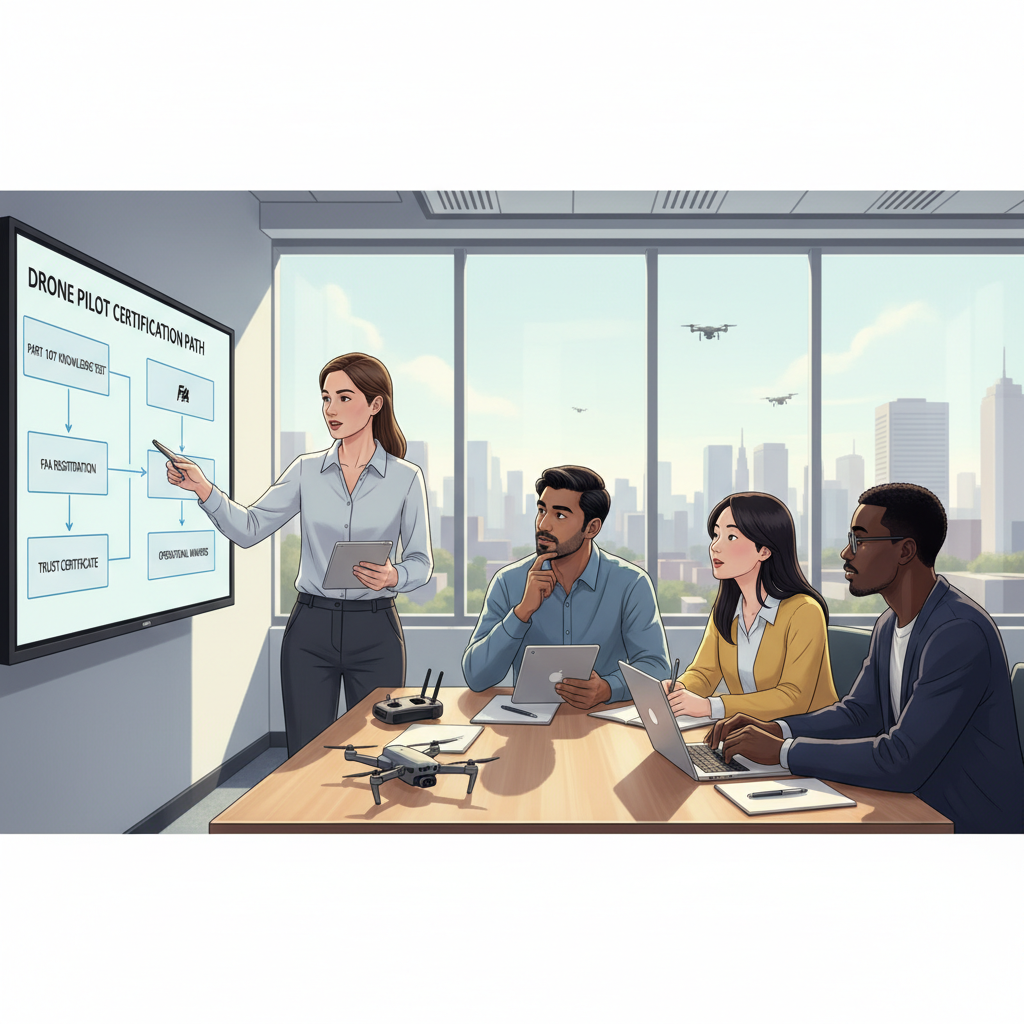
To embark on your journey to obtain a drone license, the first step is to familiarize yourself with the eligibility requirements set forth by the Federal Aviation Administration (FAA). You must be at least 16 years old to apply for a drone license, which ensures that applicants have a mature understanding of the responsibilities associated with operating unmanned aircraft. Additionally, it’s essential to have a basic grasp of the FAA regulations and guidelines concerning drone operations, which cover everything from operational limits to safety protocols. Understanding these regulations will not only enhance your knowledge but also prepare you for the Part 107 exam.
Moreover, you should be aware that proficiency in the English language is required, as all communications regarding flight operations must be conducted in English. This includes reading, writing, and understanding instructions and regulations. Keeping up to date with any changes in the regulations is also vital, as the FAA periodically updates its policies to reflect technological advancements and safety considerations.
Preparing for the Part 107 Exam
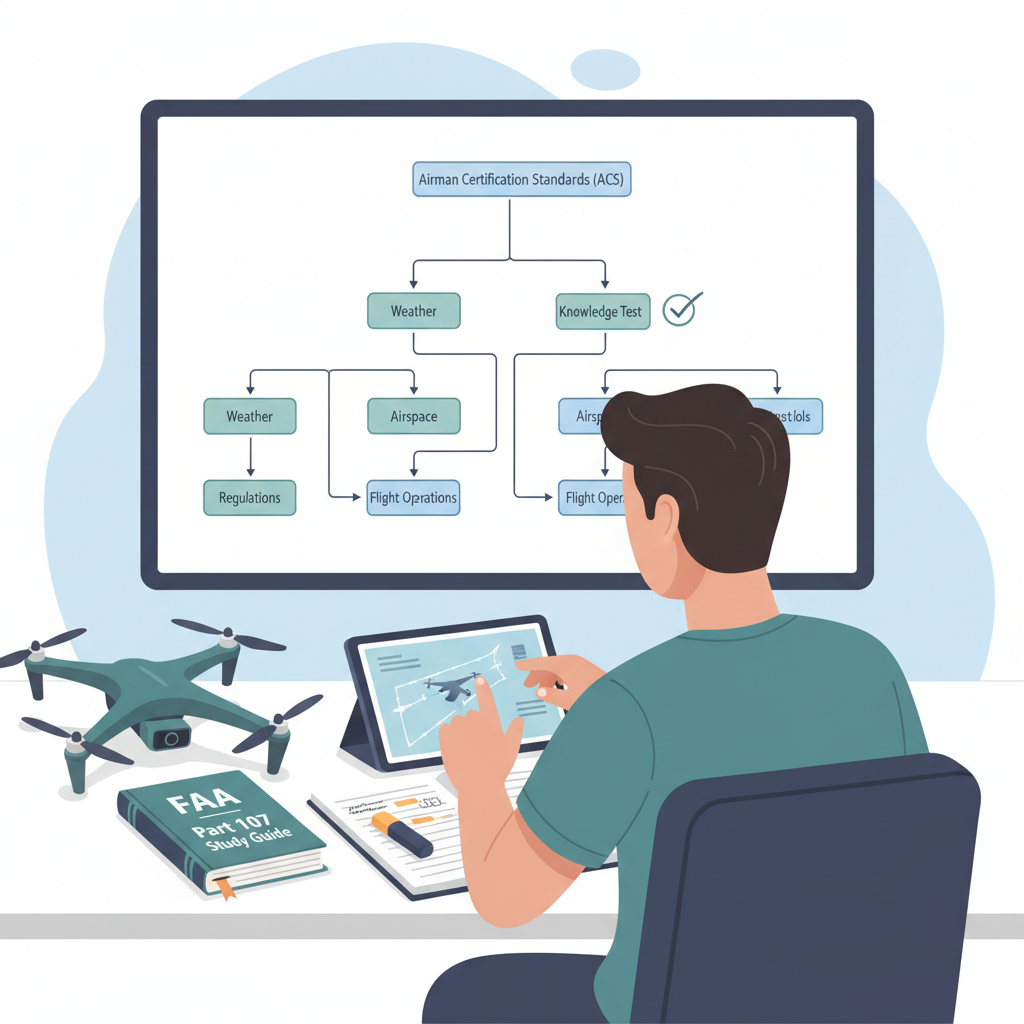
Preparation for the Part 107 exam is a critical step in obtaining your drone license. The FAA provides a comprehensive resource known as the “Remote Pilot—Small Unmanned Aircraft Systems Study Guide.” This guide encompasses all necessary topics, including regulations, airspace classification, weather, and emergency procedures, making it an invaluable tool for your studies.
In addition to the study guide, taking practice exams can significantly boost your confidence and readiness. Several online platforms offer simulated tests that closely resemble the actual Part 107 exam, allowing you to familiarize yourself with the format and types of questions. Utilizing these resources can help you identify areas where you may need further study, ensuring you are well-prepared on exam day.
Joining a local drone club or online forum can also enhance your learning experience. Engaging with other drone enthusiasts allows for the exchange of tips, experiences, and study materials, creating a supportive community that can motivate you throughout your preparation.
Registering Your Drone
Once you are ready to fly, registering your drone with the FAA is a necessary step if it weighs more than 0.55 pounds. This process ensures that your aircraft is documented and that you comply with safety regulations. To register, you will need to visit the FAA’s DroneZone website, create an account, and provide necessary information such as the drone’s make and model, as well as your contact details.
Upon completing the registration process, you will receive a unique registration number. It is crucial to display this number on your drone in a manner that is easily visible, either directly on the aircraft or on a label securely attached to it. Failure to register your drone or display the registration number can result in penalties, so this step is not to be overlooked.
Taking the Part 107 Exam
Scheduling your Part 107 exam is the next significant milestone in acquiring your drone license. You can take the exam at an FAA-approved knowledge testing center, which are located across the United States. To find a testing center near you, visit the FAA’s official website and use their search tool.
On the day of your exam, ensure you bring a valid form of identification, such as a government-issued ID, and be prepared to pay the exam fee, which typically ranges around $175. The test consists of 60 multiple-choice questions, and you must score at least 70% to pass. The exam will cover various topics, including drone regulations, airspace classifications, weather, and safety protocols. It’s advisable to arrive early to ensure you have ample time to settle in and mentally prepare for the test.
Understanding Operational Limitations
After passing the Part 107 exam, it is essential to understand the operational limitations that come with your drone license. One of the key aspects of drone operation is the different classifications of airspace, which dictate where you can legally fly. For example, Class G airspace is uncontrolled and typically allows for more freedom, while Class B, C, and D airspaces are controlled and require specific permissions or adherence to regulations.
Additionally, you should develop a keen awareness of weather conditions that may affect your flight operations. Factors such as wind speed, visibility, and precipitation can significantly impact the safety and effectiveness of your flights. The FAA recommends checking weather reports and forecasts prior to any drone operation to ensure optimal flying conditions. Understanding these limitations not only helps you comply with regulations but also enhances your safety and the safety of others during your flights.
Maintaining Your License
Maintaining your drone license is an ongoing responsibility that requires diligence and commitment. The FAA mandates that you stay informed about any updates to regulations that may affect your operations. Regulations can evolve with new technologies or emerging safety concerns, making it essential to keep your knowledge current.
Additionally, you are required to take recertification exams every 24 months to ensure that your license remains valid. This process reinforces your understanding of essential regulations and operational best practices. Participating in ongoing education, whether through workshops, online courses, or drone community events, can further enhance your skills and knowledge, ensuring that you operate your drone safely and responsibly.
In conclusion, obtaining your drone license may seem daunting, but by following these steps and preparing adequately, you can successfully earn your certification. From understanding the requirements and preparing for the Part 107 exam to registering your drone and maintaining your license, each step is crucial to your journey as a drone pilot. Start your journey today and enjoy the exciting world of drone flying, equipped with the knowledge and skills to navigate the skies responsibly.
Frequently Asked Questions
What are the steps to get a drone license in the United States?
To obtain a drone license, specifically a Remote Pilot Certificate from the FAA, you need to follow these steps: First, ensure you meet the eligibility requirements, which include being at least 16 years old and proficient in English. Next, you must pass the FAA’s Aeronautical Knowledge Test at an approved testing center. After passing, you’ll need to complete the application process via the FAA’s Integrated Airman Certification and Rating Application (IACRA) system, and then you can receive your certificate.
How long does it take to get a drone license?
The time it takes to get a drone license can vary, but generally, you can expect the process to take a few weeks. This includes time for studying for the exam, scheduling, and taking the FAA’s Aeronautical Knowledge Test. Once you pass the test and submit your application, it can take an additional 1-3 weeks for the FAA to process and issue your Remote Pilot Certificate.
Why do I need a drone license?
A drone license, specifically the Remote Pilot Certificate, is required by the FAA to operate drones for commercial purposes. This regulation ensures that drone pilots are knowledgeable about airspace rules, safety protocols, and operational procedures, which helps mitigate risks associated with drone flight. Without this license, you could face legal penalties and be restricted from using your drone for any business-related activities.
What is the best way to prepare for the FAA drone license test?
The best way to prepare for the FAA drone license test is to utilize a combination of study materials and practice exams. Resources like the FAA’s Remote Pilot – Small Unmanned Aircraft Systems Study Guide, online courses, and mobile apps can provide valuable information. Additionally, taking practice exams will help familiarize you with the test format and types of questions you’ll encounter, boosting your confidence and knowledge ahead of the actual test.
Which drones require a license to fly commercially?
In the U.S., any drone weighing more than 0.55 pounds (250 grams) requires a Remote Pilot Certificate to fly commercially. This includes all types of drones used for commercial operations, whether for aerial photography, surveying, or inspection services. It’s essential to register your drone with the FAA if it exceeds this weight threshold, as compliance with regulations is critical for safe and legal drone operation.
References
- https://en.wikipedia.org/wiki/Unmanned_aerial_vehicle#Regulation
- https://www.faa.gov/uas/getting_started/part_107/
- https://www.faa.gov/uas/getting_started/remote_pilot_certification
- https://www.nasa.gov/initiatives/uas/education.html
- https://www.suasnews.com/2020/01/how-to-get-your-drone-pilot-licence-in-the-uk/
- https://www.nc.gov/aviation/drone-licenses-101
- https://www.dronepilotgroundschool.com/drone-license-guide/
- https://www.aopa.org/training-and-safety/online-resources/drone-pilot-training-guide
