
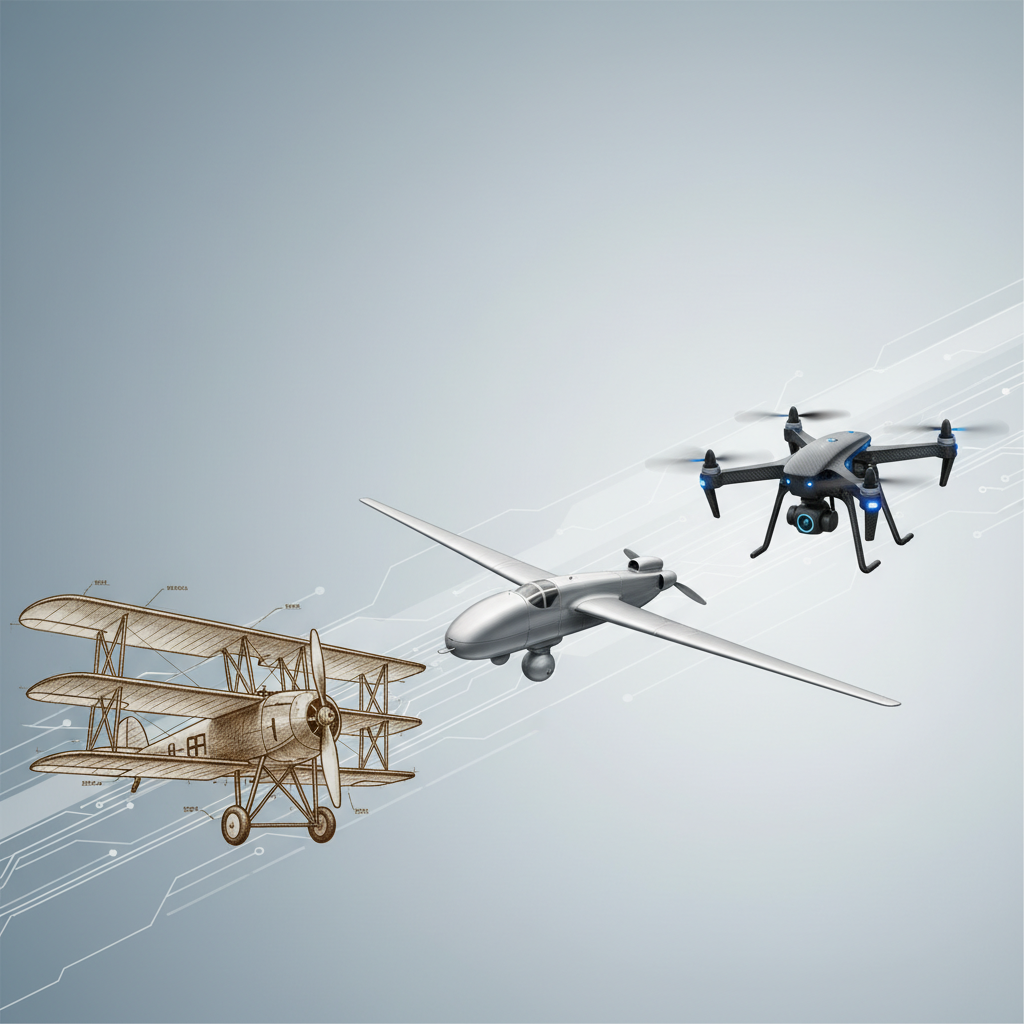
The original inventor of drones can be traced back to the early 20th century with the development of the Kettering Bug by Charles Kettering in 1918. This unmanned aerial vehicle laid the foundation for what we now recognize as drones, marking a pivotal moment in aviation history. The Kettering Bug was not merely a technological advancement; it represented a revolutionary concept of unmanned flight that would evolve into today’s sophisticated drones used in various industries. In this article, we will explore the history, evolution, and key figures in the development of drones.
The Early Concepts of Unmanned Flight
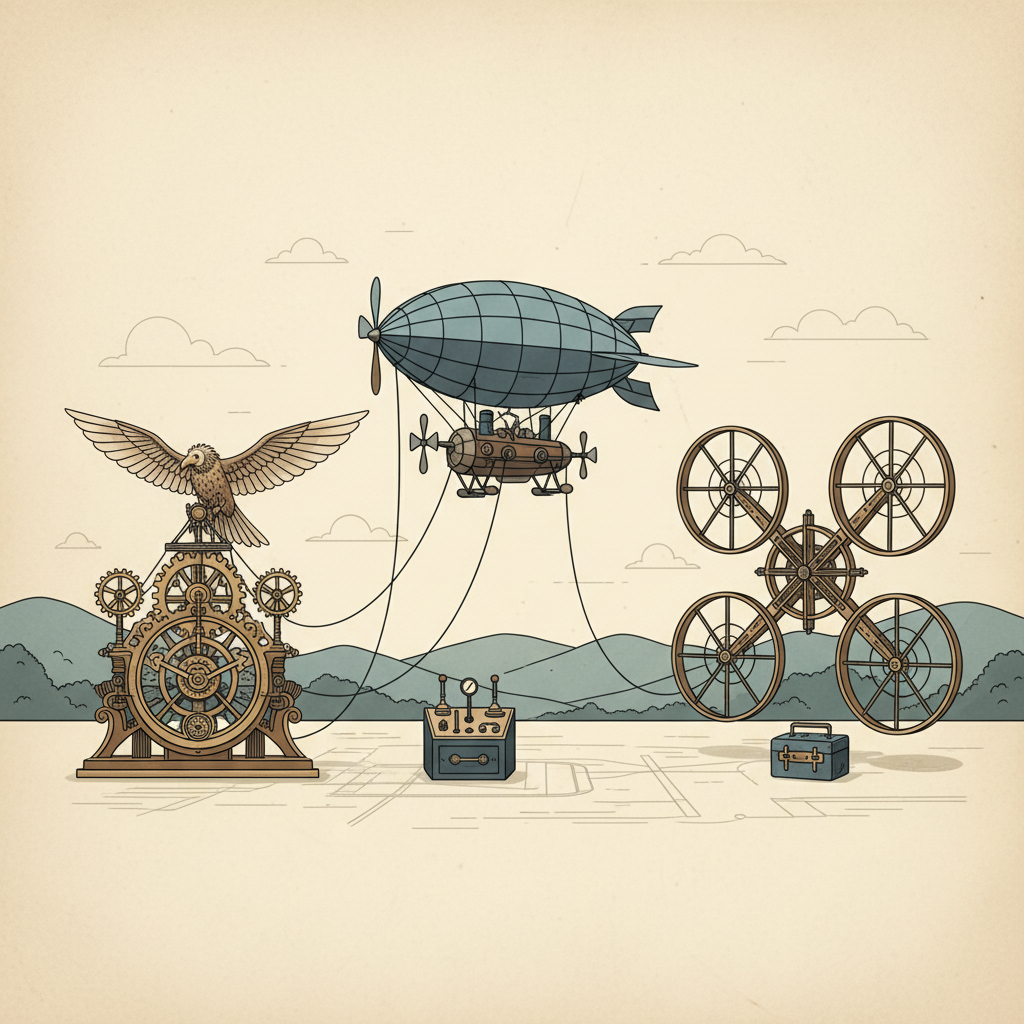
The idea of unmanned flight is not a modern phenomenon; it has roots stretching back to ancient civilizations. Concepts like balloons and kites illustrate humanity’s early desire to conquer the skies without being physically present. For instance, Chinese inventors utilized kites as early as 400 BC, using them for military signaling and reconnaissance purposes.
As we moved into the 1900s, the burgeoning field of aviation saw various experimental designs aimed at creating unmanned vehicles. These early innovations served as precursors to the more sophisticated drones we know today. The military played a significant role in these developments, as they sought methods to enhance their reconnaissance capabilities and minimize human risk in aerial operations. These early concepts laid the groundwork for the technological advancements that would come with the invention of the Kettering Bug.
Charles Kettering and the Kettering Bug
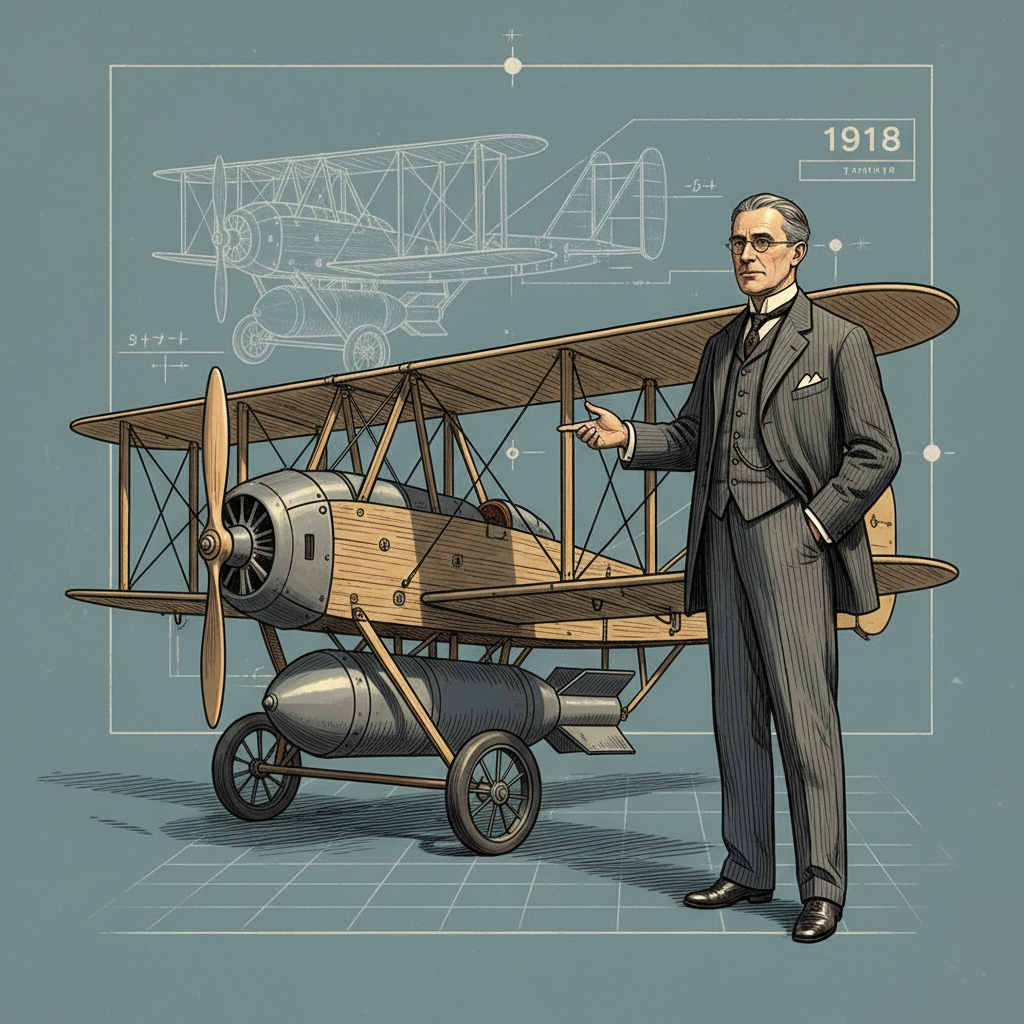
Charles Kettering was an American inventor and engineer whose contributions to aviation were groundbreaking. In 1918, he developed the Kettering Bug, which is widely regarded as the first successful drone. This unmanned aerial vehicle was designed for military use during World War I and was essentially a flying bomb intended to deliver explosives to enemy targets without risking pilot lives.
The Kettering Bug was a significant advancement in aviation technology, employing a simple yet revolutionary design that included a wooden frame, a 40-horsepower engine, and a wingspan of 12 feet. It was launched from a ramp and utilized a predetermined flight path, showcasing early principles of remote control and automation. Although the Kettering Bug did not see combat due to the war’s end, its development marked a crucial milestone in the trajectory of unmanned flight and laid the foundational technology for future drones.
The Evolution of Drones in the Military
Following the Kettering Bug, the use of drones gained prominence during World War II. The military recognized the potential of unmanned aerial vehicles for reconnaissance missions, leading to the development of various models, such as the Radioplane OQ-2. This drone, designed by actor and inventor Howard Hughes, was used extensively by the U.S. military for target practice and surveillance, further refining drone technology.
The Cold War era saw significant advancements in drone technology as military needs evolved. The advent of jet propulsion and improved guidance systems allowed for more sophisticated UAVs, such as the Ryan Firebee and the Lockheed D-21. These drones played critical roles in intelligence gathering and surveillance missions, showcasing their effectiveness in reducing risks to human pilots while providing invaluable information.
Post-war developments continued to push the boundaries of drone capabilities. Research and investment in UAV technology by military and defense agencies led to the creation of advanced systems that incorporated cutting-edge technologies like GPS navigation and real-time data transmission. This evolution paved the way for the modern drones we see today, which serve not only military purposes but also have expanded into civilian applications.
The Rise of Civilian Drones
As technology advanced, particularly in the late 20th century, drones became increasingly accessible to civilian users. The miniaturization of electronics, coupled with the proliferation of computer technology, allowed for the development of smaller, more affordable drones. This democratization of drone technology opened up an array of applications beyond military use.
Today, civilian drones are utilized in various fields, including photography, agriculture, surveillance, and recreational flying. The rise of aerial photography, for instance, has transformed industries such as real estate, where drone footage provides stunning visuals of properties. Agricultural drones equipped with sensors can monitor crop health, optimizing yield and reducing resource waste. The versatility of drones has led to an explosion of interest and innovation in civilian applications, creating a burgeoning drone industry with endless possibilities.
Key Figures in Drone Development
While Charles Kettering was a pivotal figure in the early development of drones, many other inventors and engineers have contributed to the technology’s evolution. Nikola Tesla, for instance, envisioned the concept of remote-controlled devices in the early 1900s, laying the intellectual groundwork for drone technology. His ideas about wireless communication and automation significantly influenced later advancements in unmanned flight.
Another key figure is Rafael Yanushevsky, whose work in the 1990s focused on the development of UAVs for surveillance and reconnaissance. His innovative designs incorporated advanced control systems and sensors that enhanced the capabilities of drones for military and civilian uses.
In recent years, innovators like Chris Anderson, co-founder of 3D Robotics and former editor of Wired magazine, have played instrumental roles in popularizing drone technology and advocating for open-source frameworks that allow hobbyists and professionals alike to create and customize their own UAVs. These contributions reflect an ongoing legacy of innovation in drone technology, with many individuals pushing the boundaries of what is possible.
Current Trends and Future of Drones
The drone industry is rapidly evolving, driven by advancements in artificial intelligence, automation, and robotics. These technologies are enhancing the capabilities of drones, enabling them to perform complex tasks autonomously. For example, AI algorithms can analyze data collected by drones in real time, improving decision-making in various applications from agriculture to logistics.
Future applications of drones are vast and promising. In the realm of delivery services, companies like Amazon and Google are exploring the potential of drone delivery systems that could revolutionize the logistics industry by significantly reducing delivery times. In agriculture, drones equipped with advanced sensors can monitor crop health and optimize irrigation, contributing to sustainable farming practices. Furthermore, drones are increasingly being used in disaster response scenarios, providing critical aerial support for search and rescue operations.
As regulations evolve and technology continues to advance, the future of drones appears bright. With ongoing research and investment, we can expect to see drones integrated into everyday life in ways that enhance efficiency, safety, and accessibility across multiple sectors.
In conclusion, the original inventor of drones, Charles Kettering, set the stage for a technology that has evolved dramatically over the past century. From the Kettering Bug’s military origins to the diverse applications we see today, understanding this history provides valuable insights into the future of drone technology. The continuous innovation and expanding capabilities of drones promise to play a crucial role in shaping industries and enhancing our everyday lives. Stay updated on the latest trends and innovations in the drone industry!
Frequently Asked Questions
Who invented the first drone and when was it created?
The first instance of a drone can be traced back to the early 20th century, specifically during World War I. The development of the Kettering Bug, an unmanned aerial vehicle created by Charles Kettering in 1918, is often recognized as the original drone. This early prototype was designed for military use, aiming to deliver explosives to enemy targets without risking pilot lives.
What were the initial uses of drones when they were first invented?
Initially, drones were developed for military purposes, primarily for reconnaissance and target practice. The Kettering Bug, the first drone, was intended to serve as a flying bomb. Over the decades, drones evolved and were repurposed for surveillance, mapping, and training, eventually expanding into commercial and recreational use in the 21st century.
Why is the history of drone invention important for understanding modern drones?
Understanding the history of drone invention sheds light on the technology’s evolution and its application in various fields today. It highlights how early military innovations paved the way for advancements in civilian uses, including aerial photography, agriculture, and emergency services. This context allows us to appreciate the sophisticated technologies and regulations surrounding drones in contemporary society.
Which inventors contributed to the development of drone technology after the Kettering Bug?
Following the Kettering Bug, several inventors and engineers contributed to the evolution of drone technology. Notably, in the 1930s, the Radioplane OQ-2, developed by Howard Hughes, became one of the first mass-produced drones used for military training. Additionally, advancements in the 1990s by inventors like Abraham Karem, who created the Predator UAV, further revolutionized drone technology for both military and civilian applications.
How have drones evolved from their original invention to today’s technology?
Drones have significantly evolved from their original military applications to versatile tools utilized across various sectors. Today’s drones are equipped with advanced technologies such as GPS, high-resolution cameras, and sensors, enabling them to perform tasks ranging from aerial photography and agricultural monitoring to search-and-rescue operations. This evolution reflects ongoing innovations in engineering and electronics, making drones more accessible and efficient for both commercial and personal use.
References
- https://en.wikipedia.org/wiki/Drone
- https://www.bbc.com/news/technology-49603691
- https://www.history.com/topics/inventions/drone
- https://www.sciencedirect.com/science/article/pii/S2352146517301605
- https://www.nytimes.com/2013/12/10/science/drones-in-war-and-peace.html
- https://www.theguardian.com/technology/2017/jun/05/drone-inventor-revolutionary-aircraft-technology
- https://www.airforcemag.com/the-history-of-drones-from-wwi-to-today/
- https://www.nasa.gov/centers/langley/news/factsheets/Drone.html
