
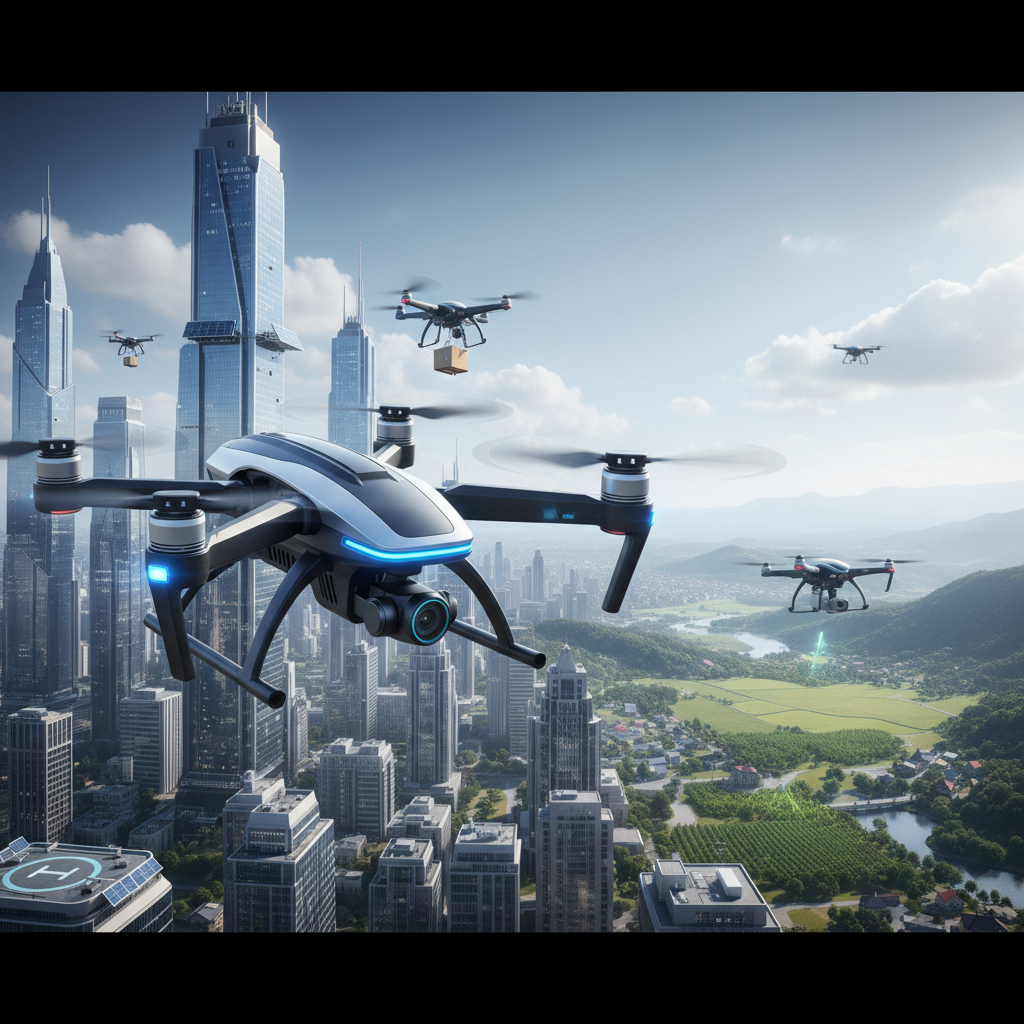
Drones are everywhere today due to their versatility, affordability, and the rapid advancements in technology. These unmanned aerial vehicles (UAVs) have transitioned from niche gadgets to essential tools across various industries, from agriculture to real estate, becoming increasingly integrated into our daily lives. Their widespread adoption can be attributed to improved technology, decreasing costs, and a growing number of applications that highlight their utility and efficiency.
The Rise of Drone Technology
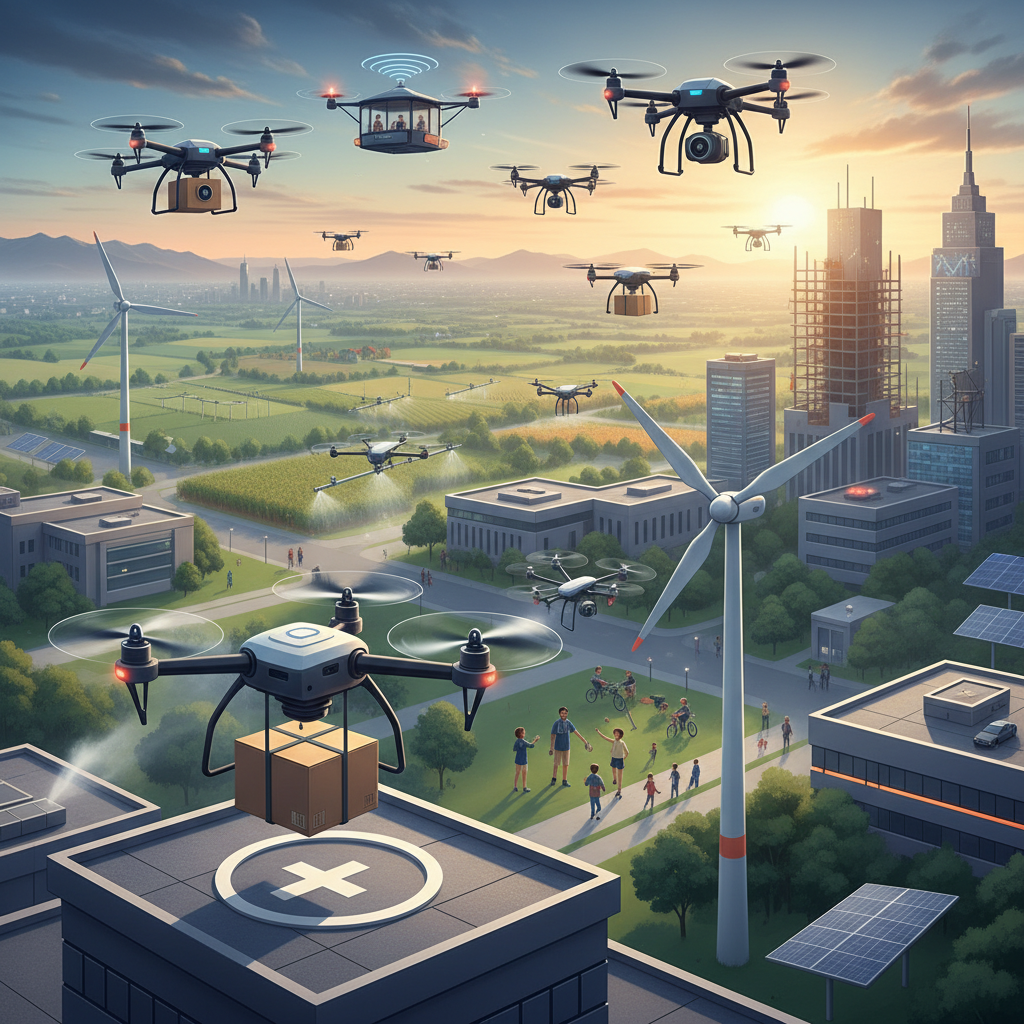
The rise of drone technology has been marked by significant advancements in battery life and camera quality. Modern drones are equipped with high-capacity batteries that allow for longer flight times, some reaching up to 30 minutes or more on a single charge. This progression is crucial for applications that require extended aerial coverage, such as agricultural monitoring or surveying large areas of land. Furthermore, camera technology has evolved dramatically, with many drones now featuring 4K resolution cameras and advanced stabilization systems that enhance image quality and provide professional-grade output.
Additionally, the cost of drones has experienced a remarkable decline over the past decade, making them accessible not only to businesses but also to individual consumers. Hobbyist drones can be purchased for a few hundred dollars, while more advanced models designed for commercial use are available at competitive prices. This reduction in cost, coupled with increased availability through online retailers and local shops, has led to a surge in drone ownership and usage.
Applications Across Industries
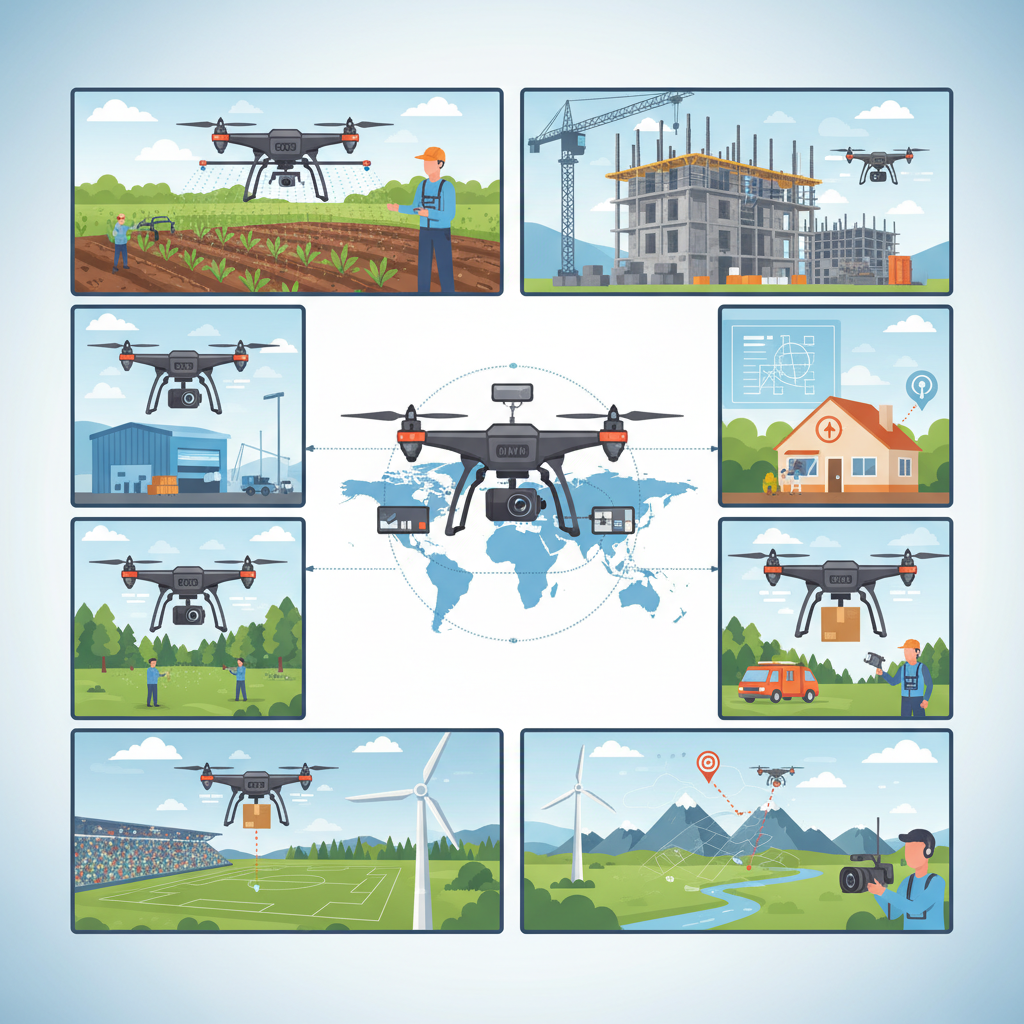
Drones have found applications in a multitude of industries, showcasing their versatility and effectiveness. In agriculture, for instance, drones are employed for crop monitoring and mapping. They provide farmers with real-time data on crop health, allowing for more precise resource allocation and quicker interventions. Drones equipped with multispectral cameras can capture data that is invisible to the naked eye, helping agricultural professionals make informed decisions about irrigation, fertilization, and pesticide application.
In the realm of aerial photography and videography, drones have revolutionized how real estate agents showcase properties and how events are documented. High-quality aerial shots offer a unique perspective that traditional photography cannot match, making properties more appealing to potential buyers and clients. Similarly, drones are increasingly used in cinematic productions, providing filmmakers with dynamic shots that enhance storytelling.
Regulations and Safety Concerns
With the rapid proliferation of drones, regulations have become essential to ensure safety and privacy. In the United States, the Federal Aviation Administration (FAA) regulates drone usage, requiring commercial operators to obtain a license and adhere to specific guidelines, such as maintaining visual line of sight and not flying above 400 feet. These regulations aim to prevent accidents and ensure the safe integration of drones into the national airspace.
Moreover, the importance of safe flying practices cannot be overstated. As more individuals take to the skies with drones, the risk of accidents increases, potentially leading to property damage or injury. Education and awareness campaigns are crucial for promoting responsible drone usage, encouraging operators to familiarize themselves with local laws and best practices to mitigate risks.
Drones in Emergency Services
Drones have proven invaluable in emergency services, particularly in search and rescue operations. Their ability to cover large areas quickly and access hard-to-reach locations makes them essential tools for locating missing persons or assessing emergency situations. For instance, during natural disasters, drones can provide aerial views of affected areas, helping rescue teams plan their operations more effectively.
In disaster relief efforts, drones are increasingly used to deliver supplies and assess damage. After hurricanes or earthquakes, drones equipped with thermal imaging can identify survivors trapped under rubble, while others can transport medical supplies to isolated communities. This efficiency not only saves lives but also enables responders to allocate resources more effectively based on real-time data.
The Impact on Employment and Economy
The rise of drone technology has led to significant job creation in manufacturing and related services. As demand for drones increases, so does the need for skilled professionals in areas such as design, engineering, and maintenance. Companies specializing in drone technology are expanding rapidly, contributing to local economies and providing career opportunities in a burgeoning field.
Furthermore, businesses that utilize drone technology benefit economically through increased efficiency and reduced operational costs. For example, construction companies employing drones for site surveying can complete projects faster while minimizing manpower and resources. This cost-effectiveness is particularly appealing in competitive industries, encouraging more companies to adopt drone technology.
Public Perception and Acceptance
Public perception of drones has evolved, with growing acceptance of their presence in everyday life. Initially met with skepticism and concerns regarding privacy, drones are increasingly recognized for their positive contributions to society. Demonstrations of their usefulness, such as in agricultural efficiency or disaster response, have helped shift public opinion.
However, concerns about privacy and surveillance remain prevalent. Many individuals worry about the potential for drones to invade personal space or collect data without consent. Addressing these concerns through transparent regulations and responsible usage is crucial for fostering public trust and acceptance.
Future Trends in Drone Technology
As technology continues to advance, future trends in drone technology promise to further expand their applications. One of the most anticipated developments is the rise of delivery drones, which could revolutionize the logistics industry by facilitating rapid, cost-effective deliveries. Companies such as Amazon are already testing drone delivery systems, aiming to enhance customer service through faster shipping options.
Moreover, the potential integration of artificial intelligence (AI) and autonomous systems into drone technology is on the horizon. This could lead to fully automated drones capable of navigating complex environments and performing tasks without human intervention. Such advancements could increase efficiency in various applications, from industrial inspections to delivery services.
As drones continue to evolve and become more integrated into various sectors, their presence is likely to grow even further. Understanding their applications and implications can help us navigate this changing landscape. The increasing acceptance of drones, coupled with their expanding capabilities, positions them as a transformative force in numerous industries. As we embrace this technology, it is essential to balance innovation with safety and privacy considerations to ensure a future where drones enhance, rather than complicate, our lives.
Frequently Asked Questions
Why are drones becoming so popular in various industries?
Drones have surged in popularity due to their versatility, efficiency, and cost-effectiveness across multiple industries. From agriculture to construction, drones are used for tasks such as crop monitoring, surveying, and delivering goods. Their ability to capture high-resolution images and perform data analytics quickly has made them indispensable tools for businesses looking to improve productivity and reduce operational costs.
How are drones transforming the delivery industry?
Drones are revolutionizing the delivery industry by enabling faster and more efficient shipping solutions. Companies like Amazon and UPS are investing in drone technology to facilitate last-mile delivery, allowing packages to be dropped off directly at customers’ doorsteps. This innovation not only reduces delivery times but also lowers transportation costs and minimizes environmental impact, making it a win-win for both businesses and consumers.
What are the key benefits of using drones for photography and videography?
Drones offer unique advantages for photography and videography, including the ability to capture stunning aerial shots that would be difficult or impossible to achieve from the ground. They provide filmmakers and photographers with an affordable way to gather dynamic footage over large areas and can reach challenging locations, making them a favorite tool for real estate, events, and nature photography. Furthermore, drone technology continues to improve, with better cameras and stabilization features enhancing image quality.
Which regulations should drone operators be aware of?
Drone operators must adhere to specific regulations set by aviation authorities, such as the Federal Aviation Administration (FAA) in the United States. Key regulations include registering drones that weigh over 0.55 pounds, flying below 400 feet, and maintaining a visual line of sight during operations. Additionally, operators should be aware of restricted airspaces and local laws regarding drone use to ensure compliance and safe flying practices.
How can businesses effectively integrate drones into their operations?
To effectively integrate drones into business operations, companies should start by identifying specific use cases that align with their objectives, such as aerial surveys or inventory management. It is crucial to invest in proper training for staff to ensure safe and efficient drone operation, as well as to stay updated on regulations and best practices. Additionally, businesses should evaluate different drone technologies and platforms available in the market to find solutions that fit their operational needs and budget.
References
- https://en.wikipedia.org/wiki/Drone_usage
- https://www.bbc.com/news/technology-54821615
- https://www.reuters.com/technology/why-drones-are-everywhere-2022-04-25/
- https://www.nytimes.com/2021/06/22/technology/drones-usage.html
- https://www.sciencedirect.com/science/article/pii/S0968090X19305073
- https://www.nap.edu/catalog/25580/the-future-of-drones-implications-for-the-us-economy-and-society
- https://www.aaas.org/news/drones-everywhere-what-they-mean-our-future
- https://www.wired.com/story/drones-everywhere-why-they-matter/
