
If you’re planning to fly a drone, the short answer is: it depends. In many cases, you will need a drone license, especially if you are flying for commercial purposes. However, recreational users may have different regulations to consider. Understanding these intricacies is crucial for ensuring compliance and safety while operating a drone. This blog post will delve into the specific requirements surrounding drone licenses, providing a clear overview of when and why you might need one.
Understanding Drone Regulations
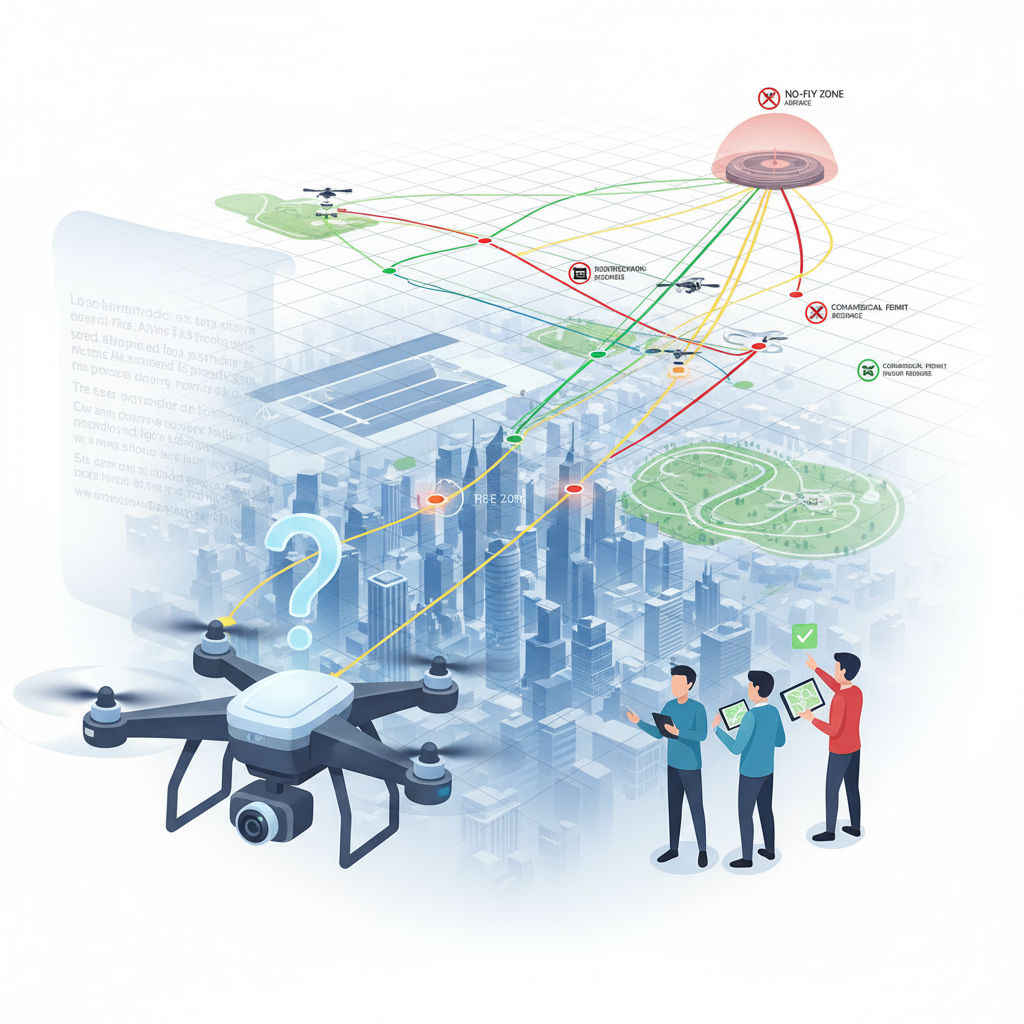
The Federal Aviation Administration (FAA) governs drone usage in the United States through a set of comprehensive regulations designed to ensure safety and efficiency in the national airspace. The primary framework for drone operation is found in Part 107 of the FAA regulations, which outlines the rules for commercial drone pilots. It is essential to differentiate between recreational and commercial flying, as this distinction dictates the licensing requirements.
Recreational users are permitted to fly drones for personal enjoyment, provided they adhere to specific guidelines. These include flying below 400 feet, keeping the drone within visual line of sight, and not operating the drone in restricted airspace without prior authorization. On the other hand, commercial drone pilots, those who use drones for purposes such as aerial photography, surveying, or delivery services, are subject to stricter regulations and must obtain the appropriate license.
Types of Drone Licenses
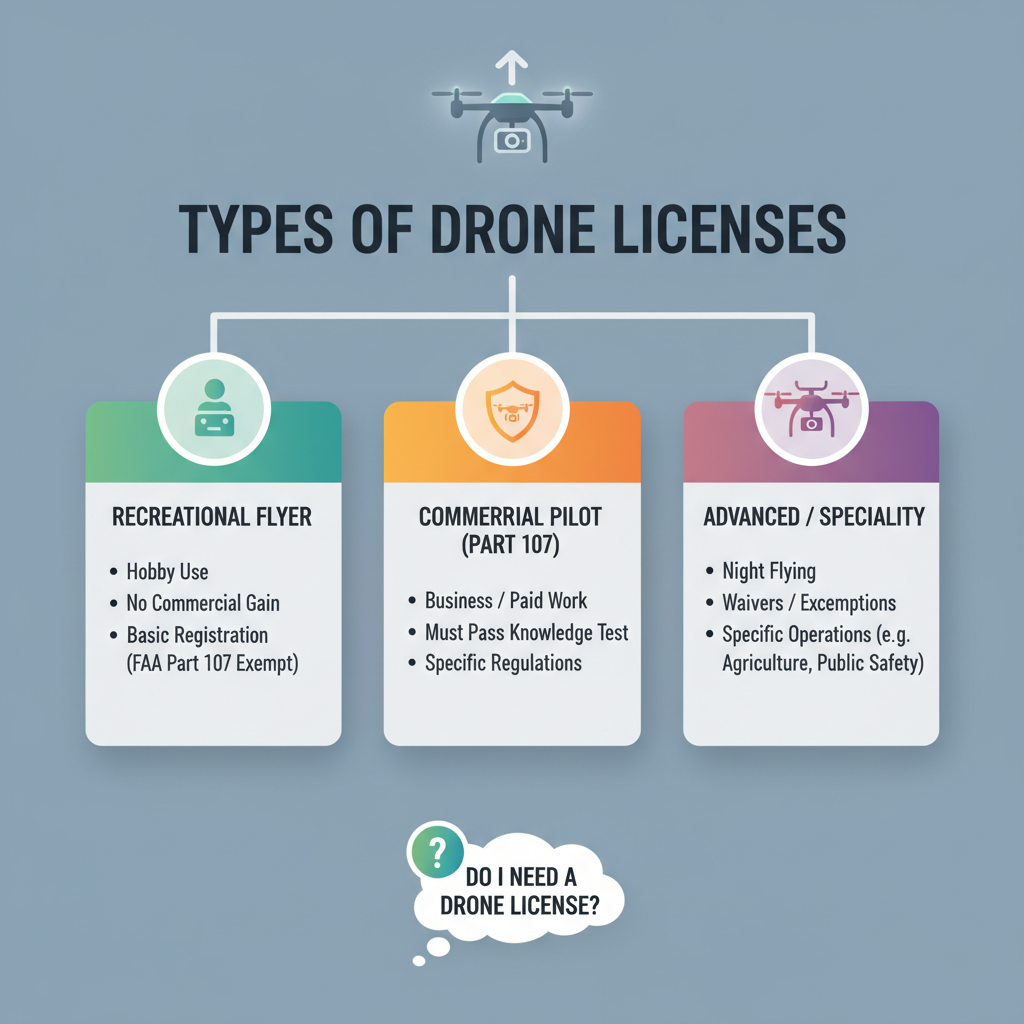
For those flying drones commercially, the FAA requires the acquisition of a Part 107 license. This license allows individuals to operate drones for commercial purposes, provided they meet a set of criteria, including being at least 16 years old and passing an aeronautical knowledge test. The Part 107 license is essential for anyone looking to monetize their drone services and is recognized nationwide.
In contrast, hobbyists have the option to obtain a Recreational Flyer Certificate, which is not a formal license but serves as a means to ensure that drone enthusiasts understand the basic rules and regulations governing recreational drone flight. To obtain this certificate, users must complete a safety test that covers the key regulations affecting recreational drone use. This certificate is particularly important for those who want to ensure they are flying legally and responsibly.
When a License is Required
A drone license is mandatory in several scenarios. For instance, if you are using a drone for commercial purposes—such as filming a wedding, conducting a real estate aerial survey, or delivering goods—you must possess a Part 107 license. Furthermore, if you plan to fly within restricted airspace, such as near airports or military installations, a license is also required to obtain the necessary permissions from the FAA.
Conversely, recreational users may not need a license if they adhere to the FAA’s guidelines for hobbyist drone operation. These guidelines include flying only for personal enjoyment, keeping the drone within visual line of sight, and not exceeding altitudes of 400 feet. However, even hobbyists should be mindful of local regulations, as some municipalities may impose additional restrictions on drone usage.
How to Obtain a Drone License
Acquiring a Part 107 license involves several key steps. First, candidates must prepare for the aeronautical knowledge test, which covers topics such as airspace classification, weather, and drone operation. Many online courses and resources are available to help aspiring pilots study for the test, including FAA-approved training programs.
Once adequately prepared, candidates can schedule their test through the FAA’s designated testing centers. The test consists of 60 multiple-choice questions, and a passing score of at least 70% is required to obtain the license. After passing the exam, applicants must complete a TSA security background check before receiving their Part 107 certification.
For those interested in recreational flying, obtaining a Recreational Flyer Certificate is relatively straightforward. The FAA provides a free online safety test that covers essential regulations and best practices. Upon successful completion, users can print their certificate, demonstrating their understanding of safe drone operation.
Consequences of Flying Without a License
Flying a drone without the appropriate license can lead to severe consequences. The FAA imposes fines that can reach thousands of dollars for individuals who violate drone regulations. In addition to financial penalties, unlicensed operators may face legal actions, including potential criminal charges, depending on the severity of the offense.
Moreover, operating a drone without a license can significantly impact insurance and liability coverage. Most insurance policies require operators to have the necessary licenses to be eligible for coverage. Therefore, flying without a license could leave individuals exposed to financial risks in the event of an accident or incident involving their drone.
Additional Considerations
In addition to FAA regulations, it is crucial to consider local laws that may affect drone licensing and operation. Many states and municipalities have enacted specific drone legislation that imposes additional restrictions, such as prohibiting drone flights over private property without permission or limiting operation in certain public areas. Researching local laws is essential for compliance and safe operation.
Staying updated on drone laws is equally important, as regulations can change frequently. The FAA regularly revisits and revises its policies to adapt to the evolving landscape of drone technology and airspace use. Joining drone enthusiast groups, subscribing to aviation news outlets, or regularly checking the FAA’s website can help drone pilots remain informed about any changes that may impact their flying activities.
In conclusion, whether you need a drone license largely depends on how you intend to use your drone. If you’re flying commercially, obtaining a license is essential to comply with federal regulations and ensure safety. For recreational use, it is vital to understand the specific regulations that apply to your situation. Always check both federal and local laws to stay compliant and fly safely, as this knowledge not only protects you legally but also enhances the overall flying experience.
Frequently Asked Questions
Do I need a drone license to fly for recreational purposes?
Yes, in the United States, while you do not need a specific drone license for recreational flying, you must adhere to the FAA’s guidelines for hobbyists. This includes registering your drone if it weighs more than 0.55 pounds and following community-based safety guidelines. It’s essential to stay updated on local regulations as they may vary by state or municipality.
What type of drone license do I need to fly commercially?
To fly a drone commercially, you need to obtain a Remote Pilot Certificate under Part 107 from the FAA. This involves passing an aeronautical knowledge test that covers various topics, including airspace classification, weather, and drone operations. Once certified, you can legally offer services such as aerial photography, surveying, or inspection using your drone.
How do I apply for a drone license?
To apply for a drone license, you need to follow these steps: first, familiarize yourself with the FAA’s Part 107 regulations and study for the knowledge test. You can then schedule an appointment at an FAA-approved testing center to take the exam. Upon passing, you will need to complete a TSA security background check before receiving your Remote Pilot Certificate, which allows you to operate a drone for commercial purposes.
Why is it important to have a drone license if I plan to use my drone for business?
Having a drone license is crucial for legal compliance and safety if you plan to use your drone for business. Operating without the necessary certification can lead to hefty fines and legal repercussions, as well as jeopardizing your business reputation. Moreover, being licensed demonstrates your professionalism and knowledge of safe flying practices, which can build trust with clients.
Which drone license is best for my specific needs?
The best drone license for you depends on your intended use. If you plan to fly drones recreationally, you do not need a formal license but should still register your drone. For commercial use, the Remote Pilot Certificate under Part 107 is essential. If you are interested in advanced operations, such as flying beyond visual line of sight (BVLOS) or over people, you may also want to explore additional waivers and certifications provided by the FAA.
References
- https://en.wikipedia.org/wiki/Unmanned_aerial_vehicle#Regulation
- https://www.faa.gov/uas/getting_started/registration
- https://www.faa.gov/uas/commercial_operators/
- https://www.faa.gov/uas/training_testing/
- https://www.nasa.gov/technology/urban-air-mobility/understanding-drone-licensing
- https://www.theguardian.com/technology/2021/jul/07/drone-pilot-licensing-uk-regulations
- https://www.abc.net.au/news/2021-01-24/drone-licensing-what-you-need-to-know/13068670
- https://www.natlawreview.com/article/drone-licensing-and-permitting-requirements
- https://www.suasnews.com/2020/06/drone-licenses-what-you-need-to-know/
