
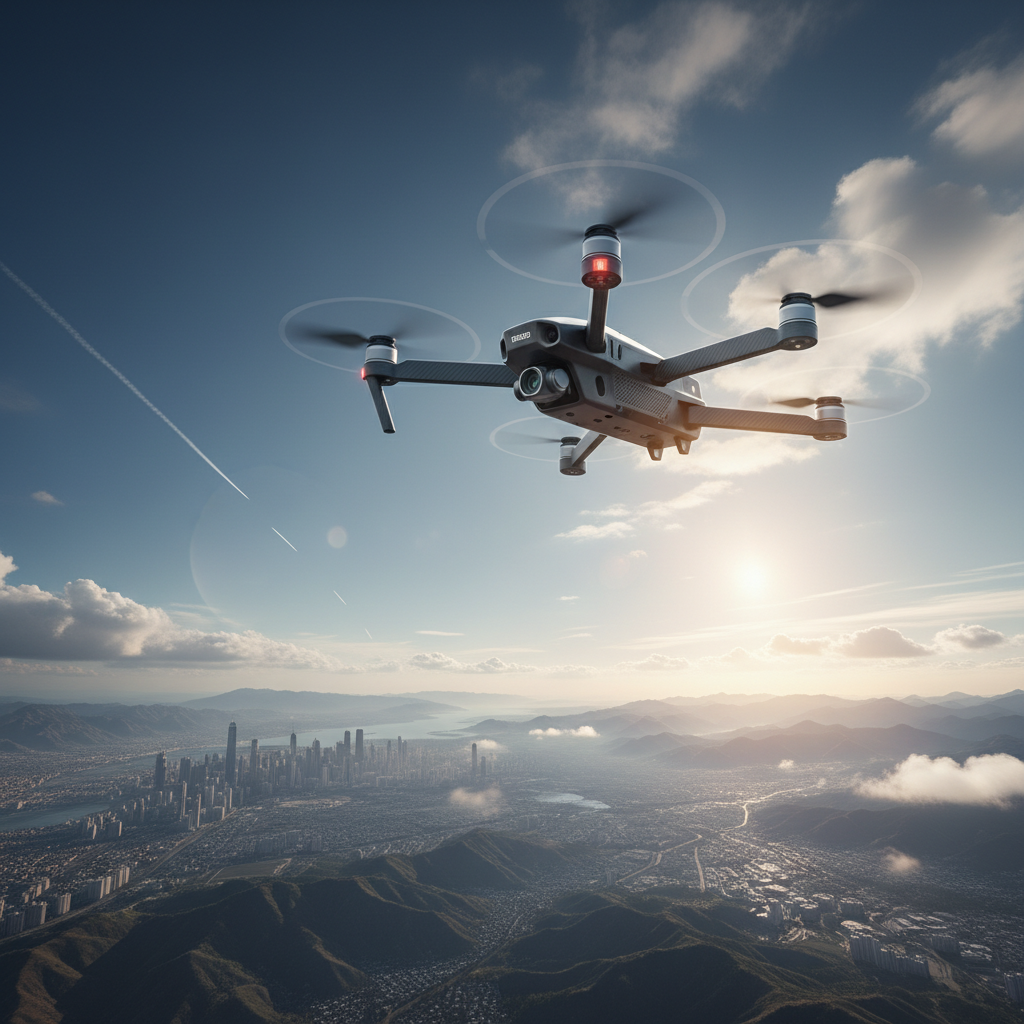
Drones can typically fly up to 400 feet (120 meters) in the United States, which is the maximum altitude allowed by the Federal Aviation Administration (FAA). However, several factors, including the type of drone, local regulations, and environmental conditions, can significantly influence how high you can fly. Understanding these factors is essential for both recreational and commercial drone operators to ensure compliance with legal requirements and maintain safe flying practices. In this article, we will explore these critical aspects in detail to provide a comprehensive understanding of drone altitude limits.
Understanding FAA Regulations
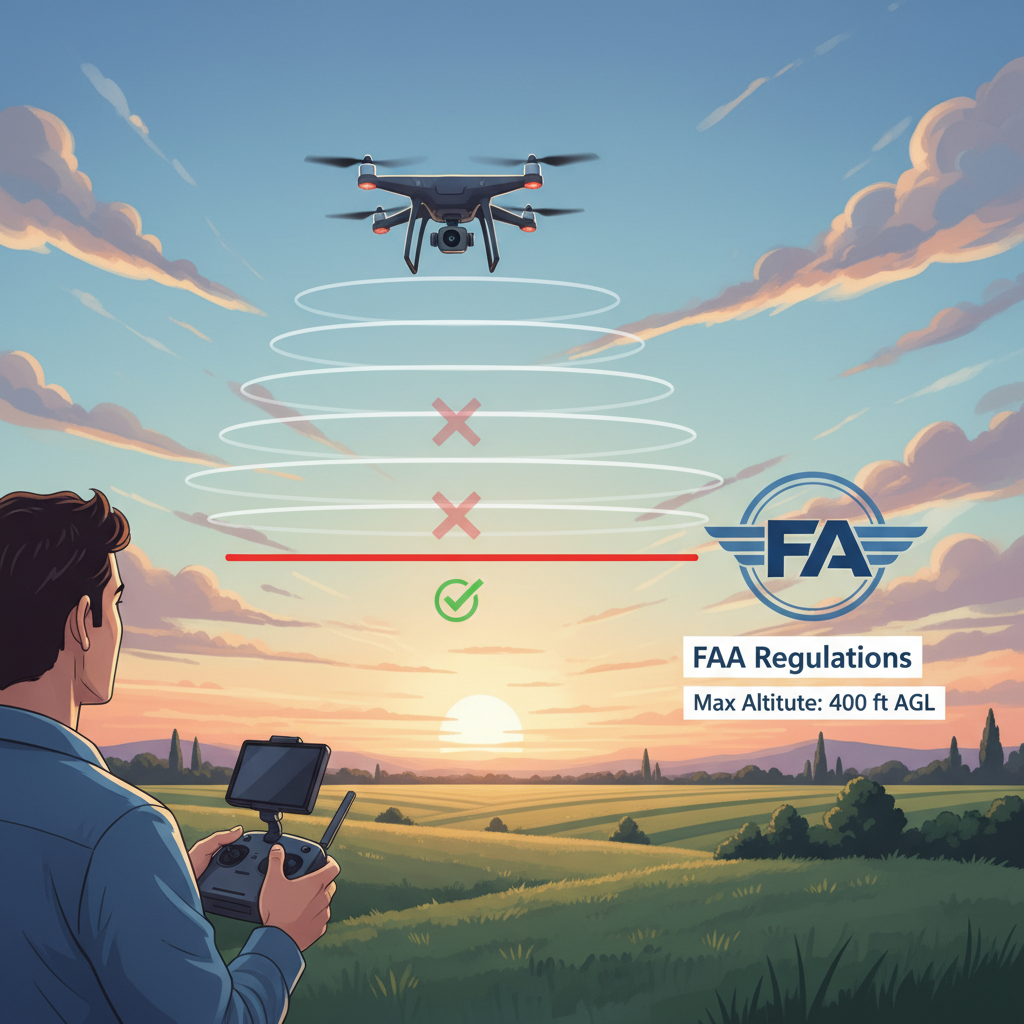
The Federal Aviation Administration (FAA) plays a crucial role in regulating the use of drones in the U.S. One of the primary mandates is the established maximum altitude of 400 feet for recreational drone use. This regulation is designed to minimize risks associated with manned aircraft and ensure safe airspace management. Pilots are also required to maintain visual line-of-sight (VLOS) with their drones, meaning they must be able to see the drone with their own eyes at all times during flight. This requirement is vital for avoiding collisions and maintaining control.
There are exceptions to the 400-foot limit. Drones operating in controlled airspace, such as near airports, may require special permission from the FAA. Additionally, if a drone is flying within 400 feet of a structure, it can legally exceed the 400-foot altitude limit, allowing for greater flexibility in urban settings. For commercial drone operators, obtaining a Part 107 certification can open up further possibilities, including flying in higher altitudes under specific conditions and with appropriate waivers.
Types of Drones and Their Capabilities
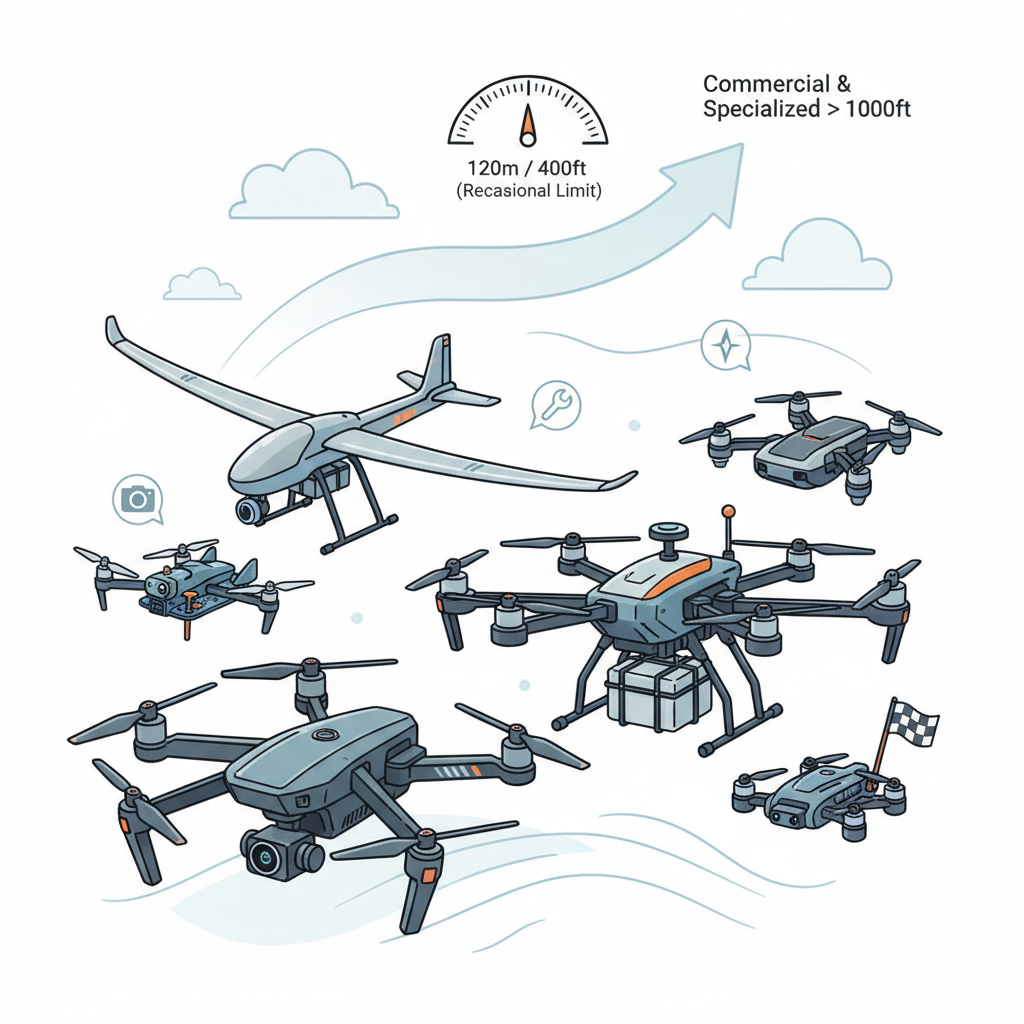
The type of drone you are flying significantly impacts your altitude capabilities. Consumer drones, which are primarily designed for hobbyists and amateur photographers, generally adhere strictly to the 400-foot limit. These drones are equipped with basic features and are intended for ease of use.
On the other hand, professional drones designed for commercial applications often have advanced capabilities that allow them to fly higher. For example, drones used in agriculture, surveying, or construction might have specialized sensors and equipment that enable them to operate effectively at altitudes exceeding 400 feet, provided they have the necessary permissions.
Racing drones, characterized by their lightweight design and powerful motors, can also achieve higher altitudes. These drones are built for speed and agility, making them capable of flying higher than typical consumer drones, although they are usually flown in competitive environments where specific regulations may apply.
Local Laws and Restrictions
In addition to federal regulations, local laws can impose further restrictions on drone altitude. Many states and municipalities have enacted their own drone regulations, which can vary significantly. It is essential for drone operators to be aware of these local laws, as they may impose altitude limits that are lower than the FAA’s maximum.
For example, flying near airports is heavily regulated, with strict altitude restrictions to protect air traffic safety. In some urban areas, local governments may prohibit drone flights in certain parks or residential neighborhoods, further complicating the flying landscape. As a responsible drone pilot, it is advisable to consult local ordinances and regulations before taking off to avoid potential fines or legal repercussions.
Environmental Factors Affecting Flight Altitude
Environmental conditions play a significant role in determining how high a drone can safely fly. Weather conditions, such as wind speed and visibility, can greatly affect flight altitude. High winds can destabilize a drone, making it challenging to maintain altitude or control. Similarly, poor visibility due to fog or heavy rain can pose risks, as operators may struggle to maintain VLOS.
Flying at high altitudes presents unique challenges as well. For instance, drones operating in mountainous or high-altitude locations may experience reduced performance due to thinner air. This reduction in air density can affect the drone’s lift capabilities, battery efficiency, and overall flight stability. Therefore, pilots must consider these environmental factors and adjust their flying practices accordingly.
Obstacles in the environment, such as tall buildings, trees, or power lines, can also limit flight altitude. A pilot must be aware of their surroundings and plan their flight path to avoid these hazards, ensuring both safe operation and compliance with regulations.
Safety Considerations When Flying High
Flying at higher altitudes introduces several safety considerations that all drone operators should be aware of. One of the primary risks is the increased likelihood of losing signal and control as the drone ascends. Many consumer-grade drones have a limited range, and flying too high can push them beyond their operational limits, resulting in potential crashes.
Additionally, the risk of collision with manned aircraft rises as altitude increases. Drones operating above 400 feet may inadvertently enter airspace designated for commercial or private pilots, leading to dangerous situations. To mitigate these risks, drone pilots should always conduct thorough pre-flight checks to ensure that their equipment is functioning correctly and that they are familiar with the airspace they intend to fly in.
Best Practices for Maximizing Altitude Safely
To maximize altitude safely while adhering to regulations, drone operators should implement best practices. Utilizing altitude-limiter settings on the drone can help control flight elevation and prevent unintentional altitude breaches. This feature allows pilots to set a maximum altitude, ensuring they remain compliant with FAA regulations and local laws.
Planning flight paths in advance is another critical practice. By mapping out a route that avoids obstacles and restricted areas, pilots can enhance safety and efficiency. Additionally, staying informed about the latest updates in drone technology and regulations can empower operators to make informed decisions.
Regularly attending workshops, seminars, or online courses related to drone operation can also provide valuable insights into how to fly safely and effectively. Engaging with the drone community through forums or social media can help share knowledge and experiences, further improving flying practices.
In conclusion, while the general rule permits flying drones up to 400 feet, numerous factors can influence this limit. A thorough understanding of FAA regulations, local laws, environmental conditions, and safety practices is essential for responsible drone flying. By adhering to these guidelines and remaining informed, operators can ensure a safe and enjoyable flying experience.
Frequently Asked Questions
What is the maximum legal altitude for flying a drone in the United States?
In the United States, the Federal Aviation Administration (FAA) allows drone operators to fly their drones at a maximum altitude of 400 feet above ground level. This regulation is in place to ensure safety and avoid interference with manned aircraft. However, if you are flying in a controlled airspace or near a building that is taller than 400 feet, you may need to adjust your flight plan accordingly and possibly obtain special permissions.
How can I determine the best altitude for flying my drone for photography?
The best altitude for aerial photography with a drone typically ranges from 100 to 400 feet, depending on the desired effect and the subject matter. Flying at around 200-300 feet offers a good balance of detail and context, allowing for clear, expansive shots without losing important details. Factors such as the lens used, lighting conditions, and the landscape will also influence your optimal flying altitude, so it’s wise to experiment at different heights.
Why is there a height limit for drone flights?
The height limit for drone flights is primarily established for safety reasons. Limiting drones to a maximum altitude of 400 feet helps prevent collisions with manned aircraft, which generally fly at higher altitudes. Additionally, it minimizes the risk of drones interfering with emergency response operations and protects sensitive airspace, ensuring that drones can coexist safely alongside traditional aviation.
Which factors should I consider when deciding how high to fly my drone?
When determining the appropriate height for flying your drone, consider factors such as local regulations, the purpose of your flight, and the surrounding environment. Always check for any temporary flight restrictions or no-fly zones in your area, and assess the visibility and potential obstacles like trees, buildings, or power lines. Additionally, if you’re capturing images or videos, the altitude will significantly affect the quality of your shots, so plan accordingly based on your creative objectives.
What are the consequences of flying a drone above the legal altitude?
Flying a drone above the legal altitude of 400 feet can lead to serious consequences, including fines and penalties from the FAA. Violating airspace regulations can also put your drone at risk of colliding with manned aircraft, potentially causing accidents and endangering lives. Additionally, repeated infractions may result in the suspension or revocation of your drone pilot certificate, making it crucial to adhere to the established altitude limits for safe and responsible flying.
References
- https://en.wikipedia.org/wiki/Unmanned_aerial_vehicle#Regulations
- https://www.faa.gov/uas/getting_started/part_107
- https://www.faa.gov/uas/
- https://www.ncbi.nlm.nih.gov/pmc/articles/PMC6930626/
- https://www.theguardian.com/technology/2021/jul/15/drone-flying-regulations-what-you-need-to-know
- https://www.reuters.com/technology/what-you-need-know-about-flying-drones-us-2021-07-19/
- https://www.nasa.gov/aeroresearch/programs/airspace/uas
- https://www.abc.net.au/news/2021-04-01/drone-regulations-in-australia/100033358
