
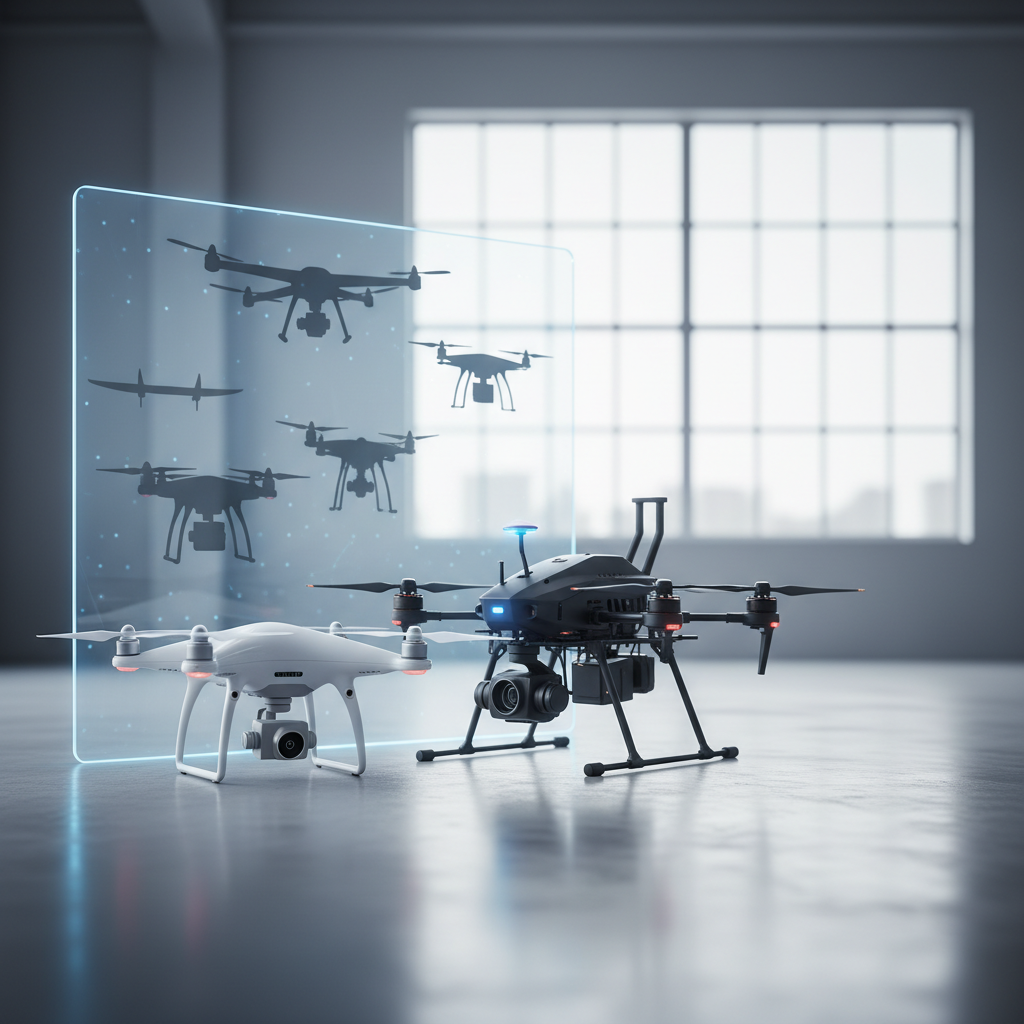
Drones, often resembling small aircraft or flying robots, can be identified by their various shapes, sizes, and designs tailored to specific functions. While many drones feature a quadcopter design with four propellers for enhanced stability and maneuverability, the diversity in drone technology means there are numerous variations suited for different applications. This article delves into the visual characteristics of various types of drones, their components, and the innovations that shape their appearance.
Types of Drones
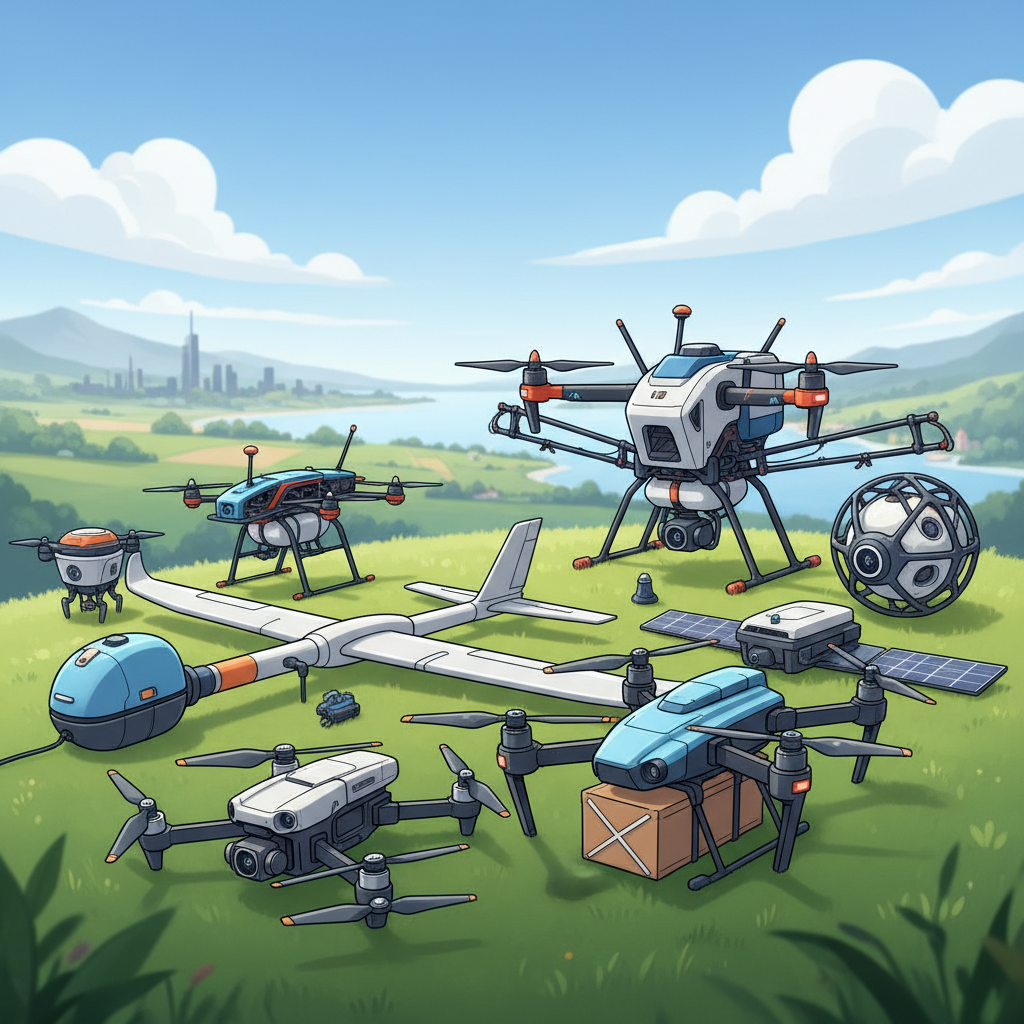
– Quadcopters: Among the most ubiquitous drones in the market, quadcopters are characterized by their four rotors positioned in a square formation. This design allows for a stable flight experience, making them ideal for aerial photography, recreational flying, and even commercial applications. Notable examples include the DJI Phantom series and the Parrot Anafi, both known for their user-friendly interfaces and high-quality camera capabilities.
– Fixed-Wing Drones: Unlike quadcopters, fixed-wing drones are designed similarly to traditional airplanes, featuring wings that allow for efficient long-distance flights. These drones are typically used in applications such as agricultural monitoring, mapping, and surveillance. The senseFly eBee and the senseFly Albris are prime examples, offering extended flight times and the ability to cover large areas efficiently.
Drone Components

– Propellers: The propellers on drones vary widely in size, shape, and number, playing a crucial role in generating lift and enabling maneuverability. For instance, while most quadcopters utilize four propellers, some larger drones may employ six or eight to handle heavier payloads or enhance stability in challenging conditions. This variation can significantly affect the drone’s performance and suitability for specific tasks.
– Camera Systems: Many drones come equipped with sophisticated camera systems that can range from basic integrated cameras to high-end, interchangeable lenses capable of capturing professional-grade imagery. For example, the DJI Mavic 2 Pro features a Hasselblad camera with a 1-inch sensor, allowing for stunning aerial shots, while more basic models may include simpler, lower-resolution cameras suitable for casual use or beginners.
Commercial vs. Recreational Drones
– Commercial Drones: These drones are engineered for specific tasks such as delivery, surveying, or inspection and generally possess more robust designs and advanced features. For instance, the DJI Matrice series is tailored for industrial applications, offering modular payload options and enhanced flight capabilities. Such drones often come equipped with specialized sensors and software that enable them to operate efficiently in professional environments.
– Recreational Drones: Typically smaller and more user-friendly, recreational drones are designed with hobbyists and enthusiasts in mind. Models like the Holy Stone HS720 and the Ryze Tech Tello are perfect examples, allowing users to enjoy flying and capturing footage without the complex setups required for commercial drones. These drones often prioritize ease of use and portability, making them accessible to a broader audience.
Aesthetic Features
– Color and Design: Drones are available in a vast array of colors and styles, ranging from sleek, modern aesthetics to rugged, utilitarian designs. Some brands offer customizable skins or color options, allowing users to personalize their drones further. For example, the colorful designs of the Parrot Mambo drone attract younger audiences, while the more subdued and professional look of the DJI Inspire series appeals to commercial users.
– Branding: Branding plays a significant role in the visual identity of drones. Many commercial drones feature distinct logos and designs that reflect the manufacturer’s ethos and product focus. For instance, DJI, a leading drone manufacturer, is known for its clean, minimalist designs with recognizable branding that conveys innovation and reliability.
Size Variations
– Mini Drones: Compact and lightweight, mini drones are often used for indoor flying or small-scale photography projects. Their small size makes them convenient for travel and easy to maneuver in tight spaces. The Ryze Tech Tello is a popular choice among beginners, offering an accessible entry point into the world of drones with its small footprint and simple controls.
– Large Drones: In contrast, larger drones are typically utilized for industrial applications, such as agriculture, construction, and search and rescue operations. These drones can be significantly bigger and equipped with advanced technology, such as thermal imaging cameras or multispectral sensors. The DJI Matrice 600, for example, is a large drone designed for carrying heavy payloads, suitable for professional filmmakers and industrial inspection tasks.
Technological Innovations
– Autonomous Features: Many modern drones come equipped with advanced sensors and artificial intelligence (AI) capabilities that influence their design and functionality. These features enable drones to perform tasks autonomously, such as obstacle avoidance, path planning, and automatic return-to-home functions. The Skydio 2 is a leading example of a drone that utilizes AI to navigate complex environments, significantly enhancing its usability in dynamic scenarios.
– Foldable Designs: Portability is a growing trend in drone design, with many manufacturers developing foldable models that can be compactly stored and easily transported. Drones like the DJI Mavic Air 2 exemplify this trend, allowing users to fold the drone’s arms and propellers for convenient travel without sacrificing performance. This innovation appeals to travelers and outdoor enthusiasts seeking a high-quality drone that is easy to carry.
In conclusion, drones present a fascinating array of visual characteristics influenced by their type, purpose, and technological advancements. From the compact mini drones designed for beginners to the robust commercial models tailored for industrial applications, each category has its unique aesthetic features and components. Understanding what drones look like not only enhances our appreciation of their functionality but also informs potential buyers about the options available to suit their specific needs. Whether you are a hobbyist, a photographer, or a professional in need of aerial solutions, recognizing the visual distinctions among drones will guide you in making an informed decision.
Frequently Asked Questions
What do drones typically look like?
Drones come in various shapes and sizes, but most commonly, they have a quadcopter design, featuring four rotors arranged in an X or “+” shape. They usually have a central body that houses the battery, camera, and other electronic components, while the arms extend outwards to support the rotors. Some drones are designed for specific purposes, such as racing drones that have a streamlined shape for speed, or agricultural drones that may be larger and equipped with specialized sensors.
How can I differentiate between different types of drones?
To differentiate between various types of drones, consider their design, size, and intended use. Consumer drones often have a compact, lightweight design with features like high-definition cameras for photography and videography. In contrast, commercial drones may be bulkier and equipped with advanced technology for surveying or mapping. Additionally, racing drones are typically smaller and built for agility, while fixed-wing drones resemble small airplanes and are used for long-range flights.
Why do some drones have multiple rotors, and how does this affect their appearance?
Drones with multiple rotors, such as quadcopters (four rotors) or hexacopters (six rotors), are designed for better stability and control during flight. The number of rotors can impact their appearance; for example, quadcopters have a more compact form, while hexacopters may appear larger and more robust. The additional rotors also provide redundancy, allowing the drone to remain airborne even if one rotor fails, making them a popular choice for both hobbyists and professionals.
What are the most visually striking drones on the market?
Some of the most visually striking drones on the market include the DJI Mavic Air 2, known for its sleek and foldable design, and the Parrot Anafi, which features a unique camera tilt mechanism and vibrant color options. Additionally, racing drones, such as the EMAX Tinyhawk, often sport a bold and aggressive design that appeals to enthusiasts. A visually appealing drone not only enhances aesthetics but can also indicate advanced engineering and technology.
Which drone features should affect my purchasing decision based on appearance?
When considering drone features based on appearance, look for the design that aligns with your intended use. If you’re interested in aerial photography, a drone with a gimbal-stabilized camera and a sleek, aerodynamic design may be ideal. For recreational flying, a compact and lightweight drone that is easy to transport is preferable. Additionally, consider the build quality and materials used, as a robust construction can enhance durability and performance during flights.
References
- https://en.wikipedia.org/wiki/Drone
- https://www.faa.gov/uas/
- https://www.nasa.gov/mission_pages/innovation/techtransfer/drones.html
- https://www.bbc.com/future/article/20200130-how-drones-are-changing-the-world
- https://www.sciencedirect.com/topics/engineering/unmanned-aerial-vehicle
- https://www.nationalgeographic.com/science/article/drones-are-transforming-science-and-conservation
- https://www.theguardian.com/technology/2020/jan/07/drones-in-2020-what-to-expect
- https://www.airspacemag.com/technology/the-future-of-drones-180973733/
