
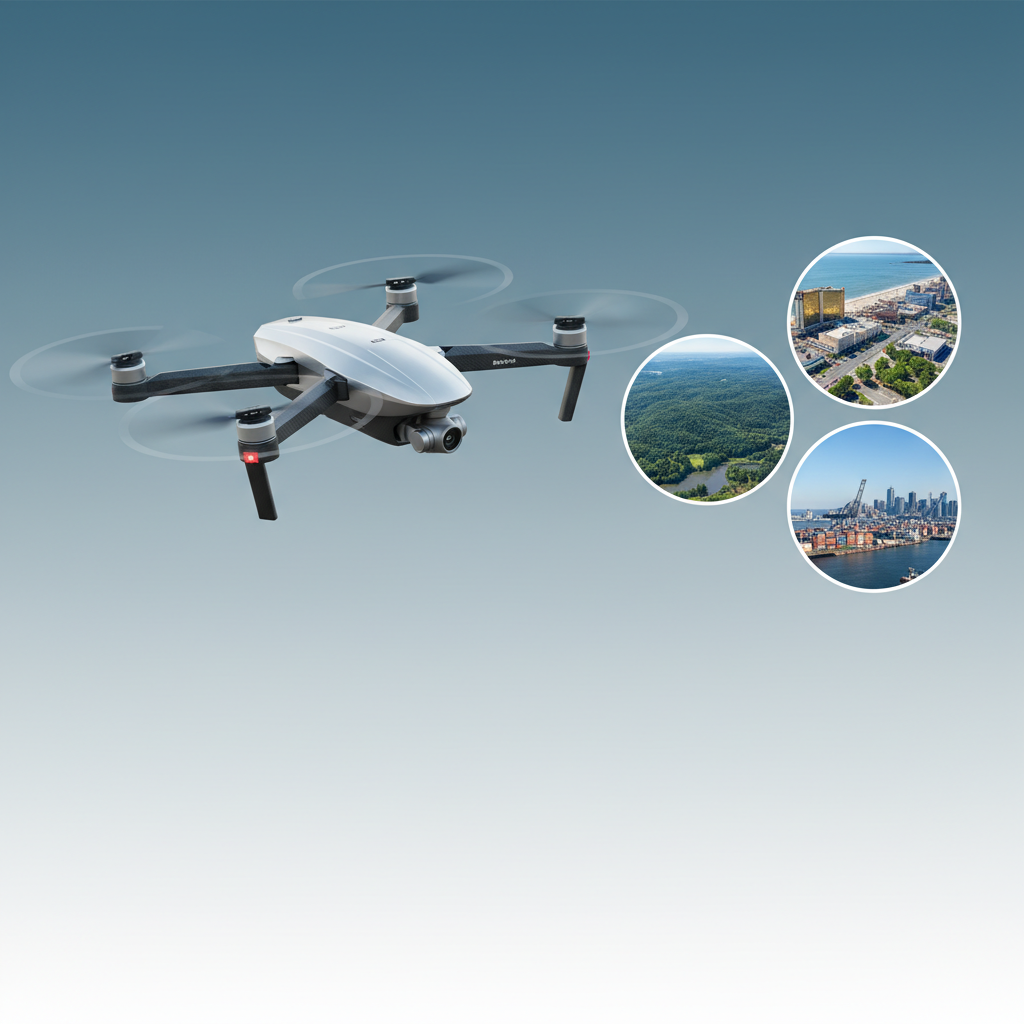
Drones in New Jersey vary significantly in appearance, catering to a wide range of uses from recreational flying to commercial applications. Their designs can be as simple as compact quadcopters or as complex as larger fixed-wing models. This visual guide will delve into the diverse types of drones commonly seen in NJ, their features, and the regulations that shape their design, providing a comprehensive understanding of what to expect when spotting a drone in the skies above the Garden State.
Types of Drones

Drones can be categorized into several types, each serving distinct functions and exhibiting unique designs.
– Quadcopters: These are the most prevalent type of recreational drones, characterized by their four propellers. Quadcopters are favored by hobbyists for their ease of use and maneuverability. Popular models like the DJI Mini and the Holy Stone HS720 are compact, lightweight, and equipped with user-friendly controls, making them ideal for beginners and experienced pilots alike. The stability offered by the four propellers allows for smooth flight, making them perfect for capturing stunning aerial photography and video footage.
– Fixed-Wing Drones: In contrast to quadcopters, fixed-wing drones resemble small airplanes and are designed for long-distance flights. These drones are ideal for applications like agricultural monitoring, surveying large areas, and conducting aerial mapping. Models such as the senseFly eBee X demonstrate the capability of fixed-wing drones to cover extensive ground efficiently, providing valuable data for industries ranging from agriculture to construction. Their aerodynamic design allows for extended flight times and higher speeds, making them suitable for professional use.
Popular Brands in NJ
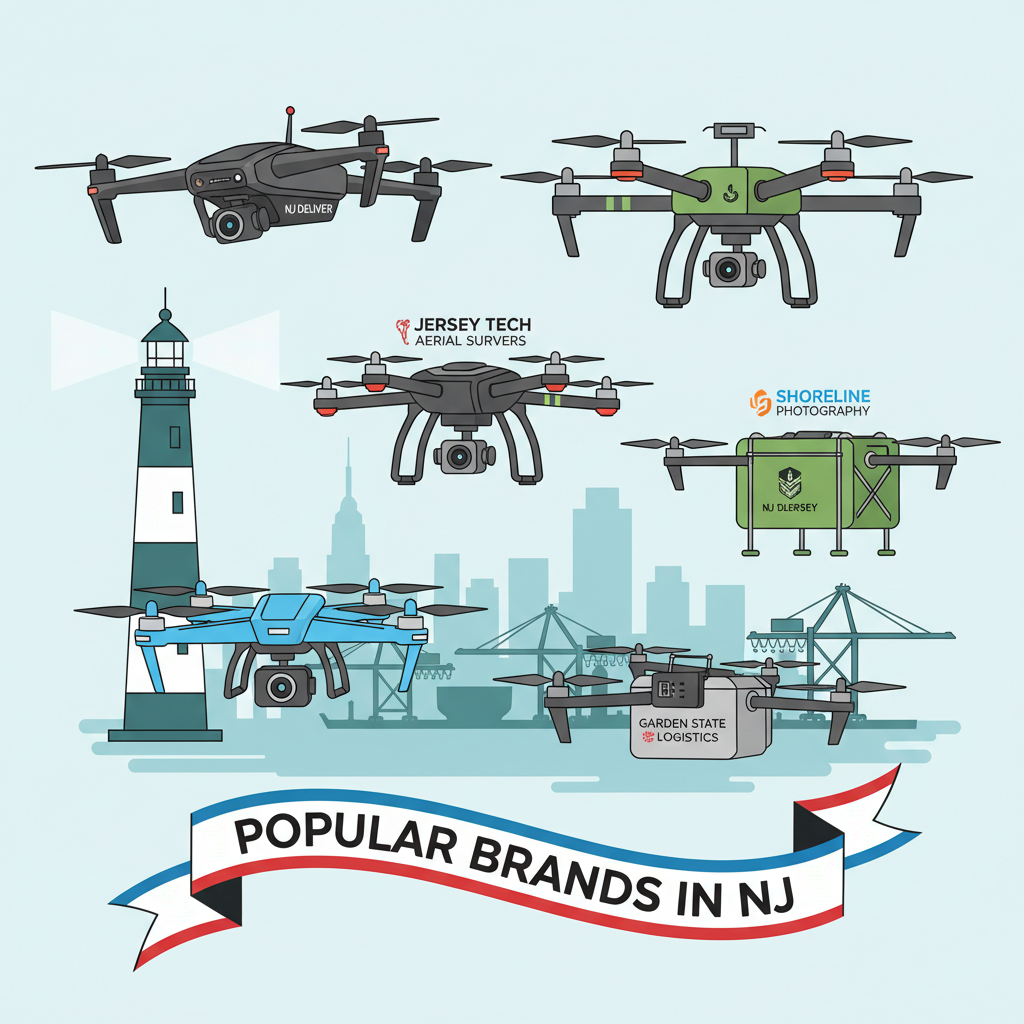
The New Jersey drone market is dominated by several well-known brands that offer a range of models suitable for various applications.
– DJI: This brand is synonymous with consumer and professional drones, recognized for its innovation and quality. Models like the Mavic Air 2 and the Phantom 4 Pro are highly popular in NJ for their advanced camera capabilities and intelligent flight modes. DJI drones are equipped with features like obstacle avoidance, automated flight paths, and high-resolution cameras, appealing to both enthusiasts and professionals. The brand’s commitment to user-friendly technology has made it a go-to choice for many drone users in New Jersey.
– Parrot: Known for its unique designs and innovative features, Parrot offers a range of drones that cater to hobbyists and beginners. The Parrot Anafi, for instance, features a compact design, foldable arms, and a 4K HDR camera, making it an attractive option for those interested in photography. Parrot’s emphasis on creativity and ease of use allows users to explore aerial videography without the steep learning curve often associated with more complex drones.
Drone Features and Designs
Drone designs are not only aesthetically pleasing but also functional, enhancing their usability across various applications.
– Camera Capabilities: A significant feature of many drones is their camera systems. High-resolution cameras are essential for capturing detailed images and videos from the sky. Drones like the DJI Mavic 3 are equipped with dual-camera systems, including a Hasselblad camera capable of shooting 20MP stills and 5.1K video. This capability is invaluable for professional photographers, filmmakers, and surveyors who require high-quality aerial imagery.
– Color and Build: Drones come in a variety of colors and materials, often designed to enhance visibility or camouflage depending on their intended use. Recreational drones often feature bright colors, making them easier to spot in the sky, while commercial drones may have more subdued tones. Additionally, lightweight materials such as carbon fiber and durable plastics contribute to the drones’ overall performance, ensuring they can withstand various weather conditions while remaining agile in the air.
Regulations Affecting Drone Appearance
Understanding the regulations surrounding drone usage in New Jersey is crucial for both recreational and commercial operators.
– Registration Requirements: The Federal Aviation Administration (FAA) mandates that drones weighing over 0.55 pounds must be registered before flight. This requirement influences the design of drones, as manufacturers often include features that facilitate compliance with these regulations. Such features may include built-in identification systems or markings that display registration numbers, ensuring that operators adhere to legal requirements.
– Local Restrictions: In addition to federal regulations, New Jersey has specific local laws that affect drone design, particularly for commercial use. Certain municipalities may enforce restrictions on drone operations, such as designated no-fly zones or requirements for drone markings. As a result, companies may design drones that comply with these local regulations, ensuring they can operate legally while serving their intended purpose.
Drones in Action
Drones are increasingly utilized in various sectors, showcasing their versatility and the diverse designs tailored to specific applications.
– Public Events: Drones have become a staple at public events in New Jersey, providing aerial coverage for festivals, concerts, and sporting events. Their ability to capture unique angles and perspectives enhances promotional efforts and audience engagement. For instance, during the annual New Jersey State Fair, drones can be seen soaring above, delivering breathtaking views of the festivities and producing dynamic video content for social media platforms.
– Emergency Services: Drones equipped with thermal imaging cameras are invaluable tools for emergency services in search and rescue operations. For example, the New Jersey State Police have deployed drones to assist in locating missing persons or assessing disaster-stricken areas. The specialized designs of these drones often include rugged builds and advanced sensor technologies, enabling them to perform effectively in challenging conditions.
Future Trends in Drone Design
As technology evolves, so too do the designs and capabilities of drones, with several trends emerging in the industry.
– Innovative Features: Upcoming drone models are expected to incorporate advanced artificial intelligence (AI) capabilities, enhancing their autonomy and decision-making processes. Features such as obstacle recognition, automated flight planning, and real-time data analysis will become more prevalent, allowing drones to operate with minimal human intervention. Additionally, improvements in battery technology promise longer flight times, making drones even more efficient for various applications.
– Environmental Considerations: As environmental concerns grow, there is a noticeable shift toward eco-friendly drone designs. Manufacturers are increasingly focusing on sustainable materials and energy-efficient technologies, such as solar-powered drones. This trend not only addresses environmental issues but also appeals to a growing demographic of eco-conscious consumers who seek to minimize their carbon footprint.
In conclusion, drones in New Jersey display a rich diversity in design and functionality, catering to a wide range of needs and preferences. From quadcopters used for recreational flying to specialized fixed-wing drones for commercial applications, the landscape of drone technology is continually evolving. Understanding the various types, features, and regulations associated with drones can enhance your appreciation of this innovative technology. Whether you’re an avid hobbyist or simply intrigued by the drone revolution, observing the dynamic array of drones in the skies above NJ offers a fascinating glimpse into the future of aerial technology.
Frequently Asked Questions
What types of drones are commonly used in New Jersey?
In New Jersey, a variety of drones are commonly used across different sectors. Consumer drones, like the DJI Mavic and Phantom series, are popular for recreational use, photography, and videography. On the commercial side, drones such as the Skydio and Parrot Anafi are utilized for inspection, agriculture, and surveying. Additionally, public safety drones are increasingly used by law enforcement and emergency services for search and rescue operations.
How do New Jersey regulations impact drone appearance and use?
New Jersey regulations dictate specific guidelines that affect how drones look and operate. For instance, drones must be registered with the FAA if they exceed 0.55 pounds, and operators must adhere to local laws regarding airspace and privacy. While the appearance of the drone itself may not be regulated, compliance with safety features like lights and markings is essential for commercial operations to ensure visibility and identification during flight.
Why are drones used for environmental monitoring in New Jersey?
Drones are increasingly used for environmental monitoring in New Jersey due to their ability to capture high-resolution aerial imagery and collect data efficiently. They can assess wildlife habitats, monitor water quality, and detect changes in land use or vegetation cover. This technology helps researchers and conservationists make informed decisions to protect ecosystems while providing valuable insights into environmental changes.
What are the best drone models for beginners in New Jersey?
For beginners in New Jersey, some of the best drone models include the DJI Mini SE and the Holy Stone HS720. These drones are user-friendly, compact, and equipped with features like GPS and automated flight modes, making them ideal for novice pilots. Additionally, they offer good camera capabilities for capturing aerial photos and videos without overwhelming new users with complex controls.
Which drone features are most important for commercial use in New Jersey?
When selecting a drone for commercial use in New Jersey, several features are crucial. High-quality cameras with 4K video and thermal imaging capabilities are essential for industries like real estate and construction. Additionally, long battery life, robust GPS systems, and obstacle avoidance technology enhance safety and efficiency during operations. Compliance with FAA regulations and the ability to carry additional payloads for specialized tasks are also important factors to consider.
References
- https://en.wikipedia.org/wiki/Drone
- https://www.nj.gov/state/home.shtml
- https://www.nj.gov/transportation/airports/drones.shtml
- https://www.sciencedirect.com/science/article/pii/S2351978917301008
- https://www.nytimes.com/2021/01/15/technology/drones-new-jersey.html
- https://www.bbc.com/news/technology-58648033
- https://www.nap.edu/catalog/25334/drones-in-the-21st-century-a-national-strategy-for-advancing-the-technology
- https://www.theguardian.com/us-news/2020/nov/10/drones-policing-privacy-new-jersey
