
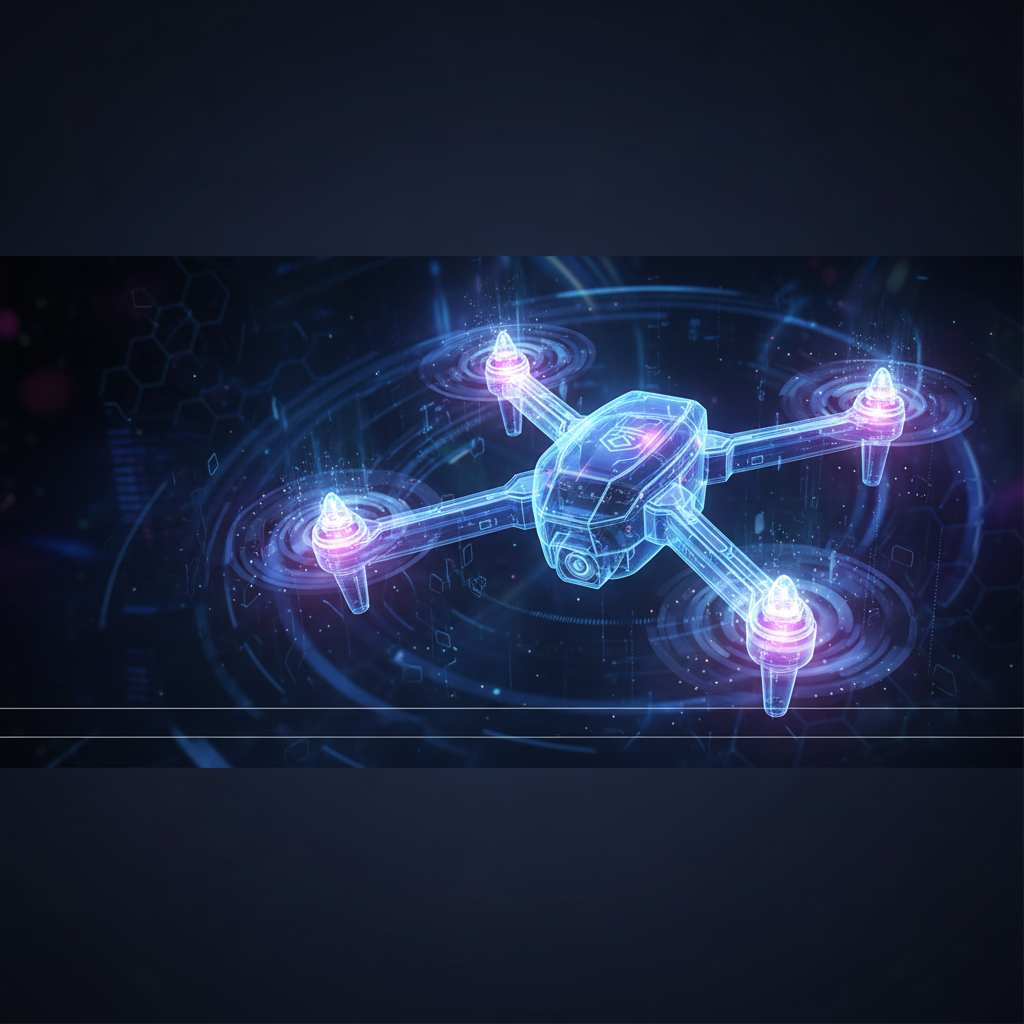
Drones typically have a compact, quadcopter design with four rotors and a distinct body that houses various components such as cameras and sensors. However, the appearance can vary widely based on the type and purpose, as there are numerous designs tailored to specific applications. Understanding the common shapes, components, materials, and innovations in drone design provides valuable insights for anyone interested in this rapidly evolving technology.
Common Drone Shapes and Designs
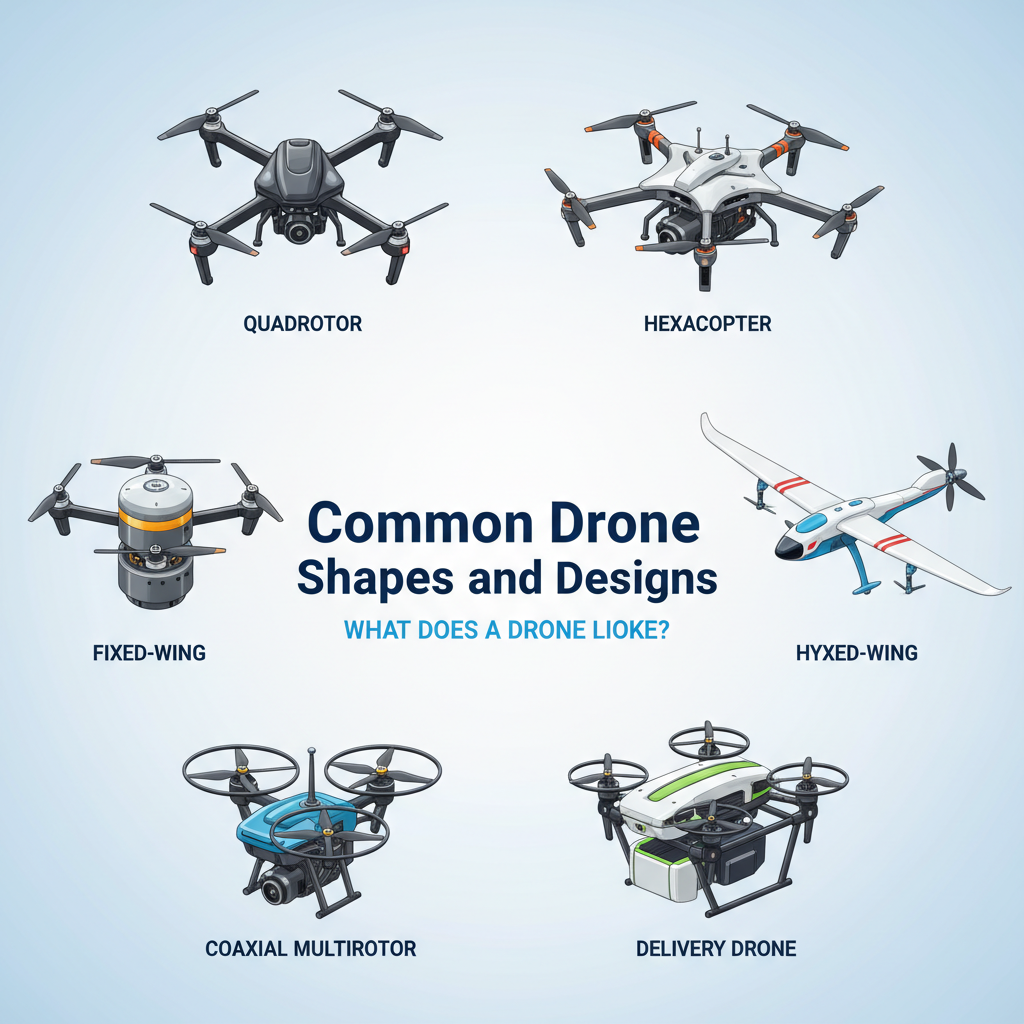
Most consumer drones are quadcopters, which feature a symmetrical design with four arms extending from a central body, each equipped with a rotor. This configuration allows for exceptional stability and maneuverability, making quadcopters the most popular choice among hobbyists and professionals alike. The balanced design not only facilitates easy takeoffs and landings but also enables agile flight capabilities, which are essential for filming and aerial photography.
In contrast, some drones utilize a fixed-wing design that resembles small airplanes. These types of drones are often employed for longer flight durations and cover more extensive areas, making them ideal for applications like agricultural monitoring and surveying. Fixed-wing drones can achieve greater efficiency in terms of battery life and speed, allowing them to fly longer distances without needing to recharge or land frequently.
Key Components of a Drone

Understanding the key components of a drone is crucial for recognizing its functionality and capabilities.
– Rotors and Motors: The rotors, typically four in number for quadcopters, are vital for generating lift and allowing the drone to maneuver in three-dimensional space. Each rotor is powered by a motor, which adjusts its speed to control the drone’s altitude and direction. The efficiency of the rotors and motors directly affects flight performance, stability, and battery life.
– Camera and Sensors: Many modern drones are equipped with high-definition cameras that cater to various photography and videography needs. Advanced models may include gimbals for stabilizing the camera during flight, ensuring smooth video capture. Additionally, drones often feature sensors such as GPS for navigation, obstacle avoidance systems to prevent collisions, and various environmental sensors for data collection in fields like agriculture and environmental monitoring.
Color and Material Varieties
Drones are typically constructed from lightweight materials like plastic, carbon fiber, or aluminum, which contribute to their durability while minimizing weight. This balance is essential for maintaining flight efficiency and battery life. The choice of materials also impacts the drone’s resistance to environmental factors such as wind and temperature changes.
In terms of aesthetics, drones come in a wide range of colors and finishes. While many consumer models adopt a sleek black or white design for a professional look, others feature bright neon colors or unique patterns that enhance visibility during flight. This is especially important for recreational drones, where visibility can be crucial for safety and ease of tracking.
Size Variations in Drones
The size of drones can vary significantly, from miniature models that can fit in the palm of your hand to large commercial units designed for professional use. Mini drones are typically lightweight and easy to maneuver, making them ideal for beginners or casual users. They are often used for indoor flying, racing, or simple aerial photography.
On the other hand, larger drones are designed for specific applications, such as surveying, agricultural monitoring, or search and rescue operations. These models may require specialized transport and can carry advanced sensors and cameras that enhance their functionality. The size of a drone often correlates with its intended use; for example, racing drones are generally smaller and built for speed, while agricultural drones are larger to accommodate necessary technology for crop analysis.
Specialized Drone Designs
Some drones are engineered for specific tasks, showcasing unique designs tailored to their functions. For instance, agricultural drones often feature large bodies equipped with advanced imaging technologies to monitor crop health and optimize agricultural practices. These drones may have specialized payloads, such as sprayers or sensors that can detect plant stress or nutrient levels.
Delivery drones are another example of specialized designs, often incorporating compartments for storing packages. These drones are optimized for efficiency and speed, with aerodynamic shapes that enhance their ability to navigate urban environments.
Underwater drones, which are designed for marine exploration and research, exhibit entirely different characteristics. They are often cylindrical or spherical to withstand the pressures of deep water. Their design focuses on stability and maneuverability in aquatic environments, with features such as propellers and buoyancy controls that allow for precise navigation underwater.
Popular Drone Models and Their Looks
When discussing the appearance of drones, specific models often stand out due to their iconic designs. The DJI Phantom series is renowned for its white body and distinctive camera gimbal, which has become synonymous with high-quality aerial photography. Its sleek, minimalist design is both functional and visually appealing, positioning it as a favorite among professional photographers and videographers.
In contrast, racing drones tend to feature a more aggressive design with exposed frames to reduce weight and improve speed. These drones often have a more rugged appearance, emphasizing performance over aesthetics. The open frame design allows for easy customization and maintenance, which is essential for competitive racing applications.
Future Trends in Drone Design
The drone industry is continuously evolving, leading to exciting innovations in design and functionality. One significant trend is the development of compact, foldable drones that enhance portability. These models cater to the needs of travelers and outdoor enthusiasts, allowing for easy transport without sacrificing performance or capabilities.
Furthermore, the rise of hybrid drones that combine features of both quadcopters and fixed-wing models is changing traditional design paradigms. These hybrid drones can take off and land vertically like a quadcopter while transitioning to fixed-wing flight for greater efficiency over long distances. This adaptability opens up new possibilities for various applications, including commercial delivery and emergency response.
As technology continues to advance, we can expect drones to become even more sophisticated, with improved materials, enhanced battery life, and advanced autonomous features that allow for greater operational capabilities.
In summary, drones exhibit a wide variety of shapes, sizes, and designs, each tailored to specific functions and user preferences. From quadcopters to fixed-wing models, understanding the common features and innovations in drone design can enhance your ability to choose the right drone for your needs. Whether you’re interested in photography, racing, or professional applications, the diverse landscape of drones offers something for everyone. Exploring specific models and their applications can further enrich your understanding of this fascinating technology.
Frequently Asked Questions
What does a typical consumer drone look like?
A typical consumer drone usually features a compact, quadcopter design with four propellers, a lightweight plastic or carbon fiber body, and a camera mounted on a gimbal for stability. Most consumer drones have a sleek, modern appearance, often with LED lights for visibility and aesthetics. They come in various colors and sizes, usually ranging from palm-sized models to larger units that can carry professional cameras.
How can I identify different types of drones?
You can identify different types of drones by examining their design and functionality. For instance, racing drones are typically smaller, with a streamlined shape for speed, while aerial photography drones are larger and equipped with high-quality cameras. Additionally, some drones may have unique features like foldable arms for portability or specialized sensors for specific tasks, such as surveying or agricultural monitoring.
Why do drones come in different shapes and sizes?
Drones come in different shapes and sizes to cater to various applications and user needs. For example, hobbyist drones are often smaller and designed for easy maneuverability, while commercial drones may be larger to support complex payloads like cameras or sensors. The design variations ensure that users can find a drone that fits their specific requirements, whether for leisure, photography, or professional use.
What are the best drones for beginners, and what do they look like?
The best drones for beginners typically have a user-friendly design, such as a lightweight frame, durable materials, and simplified controls. Examples include the DJI Mini series and the Holy Stone HS series, which feature a compact form that is easy to handle and transport. These drones generally come with integrated cameras, intuitive apps for piloting, and safety features like altitude hold and one-key takeoff, making them ideal for novices.
Which features should I look for when buying a drone based on its appearance?
When buying a drone, look for features that enhance its usability and durability based on its appearance. Consider factors like the size and weight of the drone, as a lightweight design is often easier to maneuver. Additionally, check for the quality of materials used, such as reinforced plastic or carbon fiber, which can indicate durability. Look for visual elements like a stabilizing gimbal for cameras, LED lights for night flying, and protective frames for propellers to ensure a safe and enjoyable flying experience.
References
- https://en.wikipedia.org/wiki/Drone
- https://www.nasa.gov/audience/foreducators/topnav/materials/listbytype/what_is_a_drone.html
- https://www.theguardian.com/technology/2019/nov/14/drone-technology-explained
- https://www.faa.gov/uas/
- https://www.sciencedirect.com/topics/engineering/drone
- https://www.aaai.org/ojs/index.php/aimagazine/article/view/2579
- https://www.ntu.edu.sg/home/yangzhong/what-is-a-drone.html
- https://www.bbc.com/future/article/20200323-how-drones-are-changing-the-world
