

Yes, someone can fly a drone over your house, but there are specific regulations and privacy laws that govern this activity. Understanding these rules is crucial for protecting your rights and knowing what to expect should you encounter a drone in your airspace. Drones have become increasingly popular for various uses, from photography to surveying land, and therefore it is essential for homeowners and drone operators alike to be informed about the legal framework surrounding drone usage.
Understanding Drone Regulations
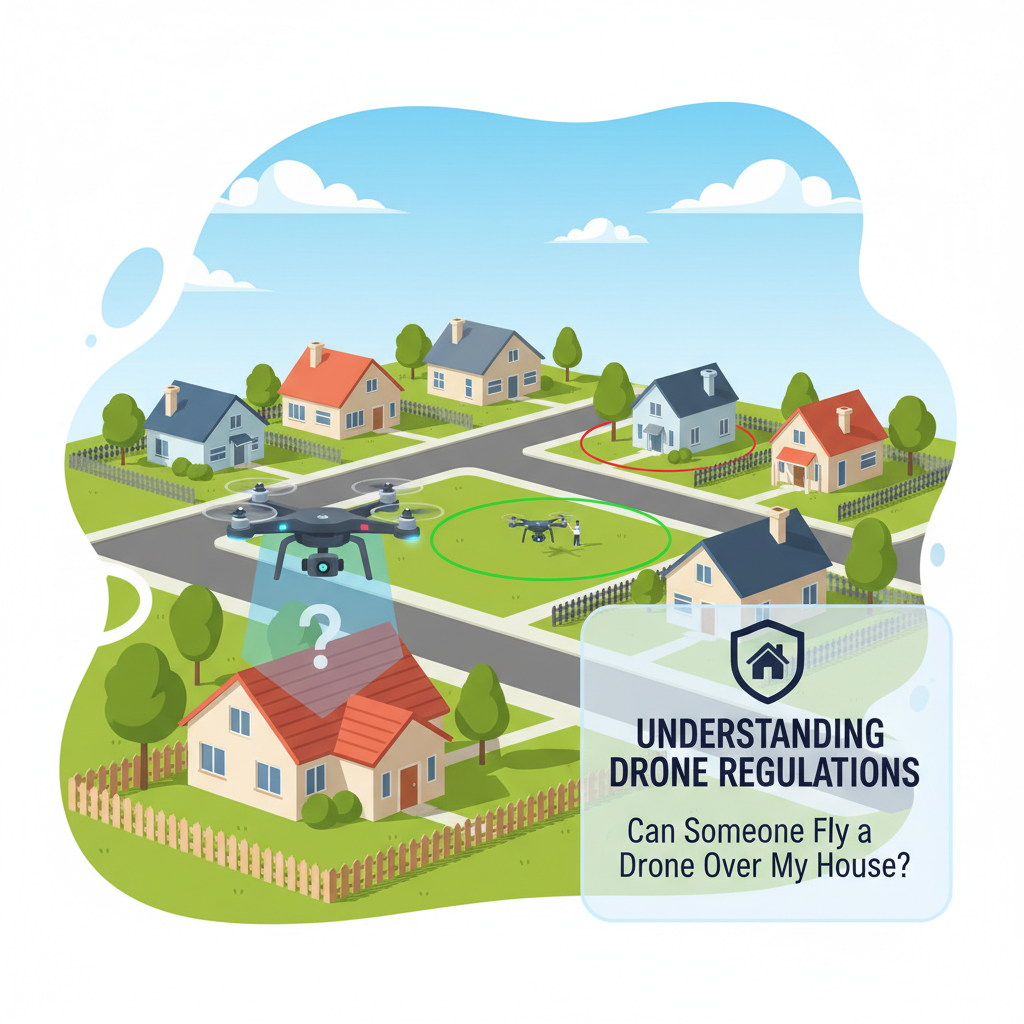
In the United States, the Federal Aviation Administration (FAA) is the primary authority overseeing the operation of unmanned aerial systems, commonly known as drones. The FAA has established a set of regulations that all drone pilots must adhere to in order to ensure the safety and efficiency of national airspace.
One of the fundamental rules is that drones must operate within the visual line of sight of the operator and cannot exceed an altitude of 400 feet. This guideline is designed to prevent drones from interfering with manned aircraft and to minimize safety risks. Furthermore, commercial drone operators are required to obtain a Remote Pilot Certificate, which demonstrates their understanding of the rules and regulations governing drone flight.
For recreational users, the FAA has implemented the “Fly Safe” program, which encourages responsible flying. This includes not flying near airports, avoiding restricted airspaces, and adhering to local laws. It is also important to note that the operator must not fly a drone recklessly or carelessly, which can lead to legal consequences.
Privacy Concerns
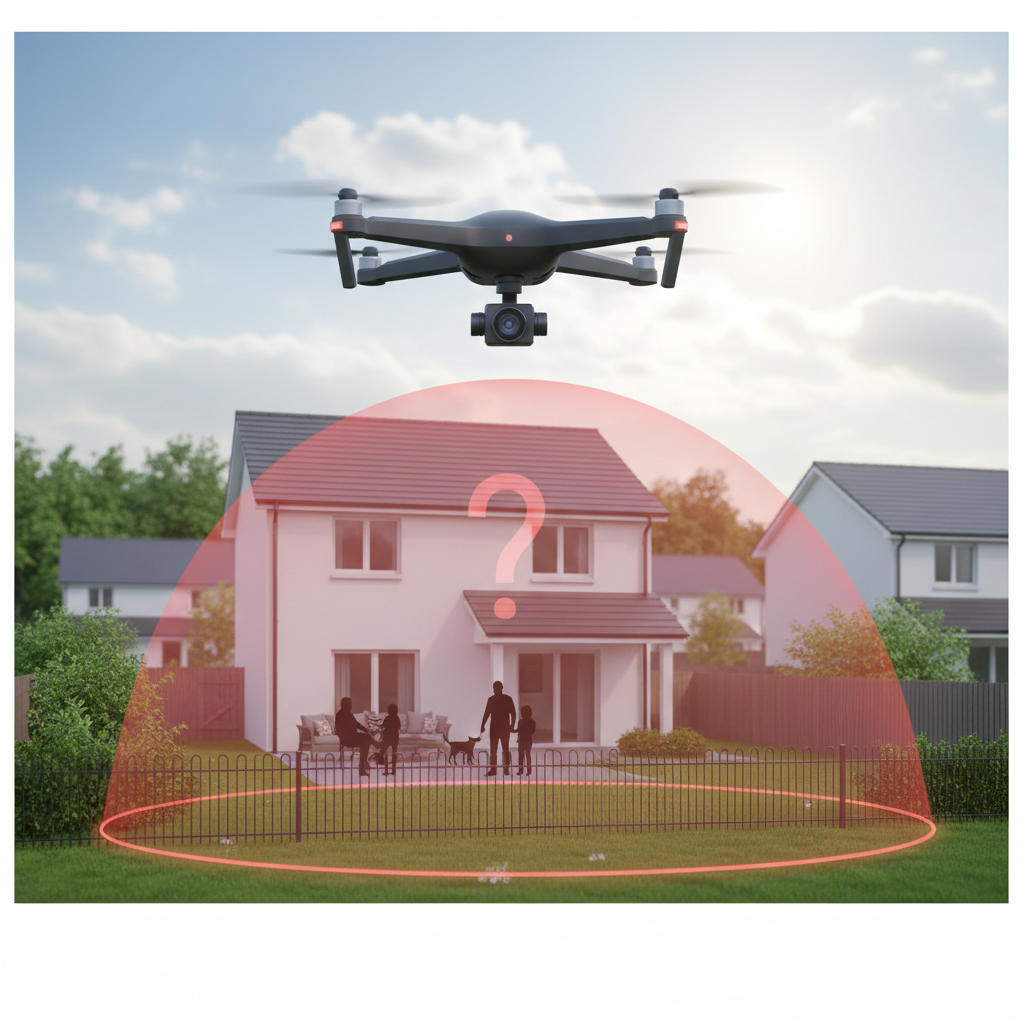
The presence of drones flying over private property can lead to significant privacy concerns. Many individuals may feel uncomfortable or threatened by the idea of being surveilled from above. While the FAA regulates airspace, privacy rights are governed by state and local laws, which can vary widely.
Several states have enacted laws specifically addressing drone surveillance and privacy. For instance, California has passed legislation that prohibits the use of drones for surveillance purposes without consent from the property owner. Similarly, Florida has laws that restrict drone use for capturing images or video of individuals or private property without permission.
These privacy laws are designed to protect individuals from unwanted surveillance and to ensure that drone operators respect people’s personal space. Homeowners should be aware of their state’s specific regulations to understand their rights and what actions can be taken if they feel their privacy is being invaded.
Local Laws and Ordinances
In addition to federal regulations, local laws and ordinances may impose stricter restrictions on drone usage in residential areas. Many municipalities have recognized the potential for conflict between drone operators and residents, leading to the establishment of local guidelines that go beyond FAA requirements.
For example, some cities have instituted no-fly zones over certain areas, such as parks, schools, and private residences, to minimize disturbances. Other municipalities may require drone operators to register with local authorities or obtain specific permits before flying in particular zones.
Homeowners should take the initiative to research their local regulations regarding drone usage. Local government websites often provide detailed information about any ordinances that may impact drone operations, ensuring that both residents and drone operators can coexist harmoniously.
Responsible Drone Use
Responsible drone operators play a crucial role in fostering a positive relationship with the communities in which they fly. Many drone enthusiasts are members of organizations that promote safe and respectful flying practices. These entities often provide resources and training to help operators understand their responsibilities and the importance of adhering to regulations.
Respecting property lines and privacy is a fundamental aspect of responsible drone usage. Operators should be mindful of their surroundings and avoid flying over private property without permission. This not only helps to build goodwill within the community but also mitigates the risk of conflicts arising from misunderstandings.
Moreover, drone operators should be aware of weather conditions and environmental factors that could affect their flight. By ensuring safe and responsible flying practices, drone operators can contribute to the positive perception of drone technology and its applications.
What to Do If You Feel Unsafe
If you feel unsafe due to a drone flying over your property, there are several steps you can take. First, it is essential to document any incidents involving the drone, including the time, date, and nature of the activity. Taking photographs or videos can provide valuable evidence should you need to report the incident to local authorities.
Next, consider reaching out to local law enforcement or your neighborhood watch program to express your concerns. Most police departments have protocols for handling complaints about drone activity, and they may be able to assist you in resolving the issue.
If it is safe to do so, you may also consider speaking directly with the drone operator. Open communication can often help clarify intentions and alleviate concerns. Many drone operators may not be aware that their activities are causing distress, and a simple conversation can lead to a better understanding.
Understanding Your Rights
As a property owner, you have rights concerning the airspace above your home, but these rights can be somewhat complex. Generally, you have rights to the airspace that is directly above your property, but the extent of those rights can be influenced by federal and state laws.
Under the FAA regulations, property owners do not have absolute control over the airspace above their homes. However, this does not mean that drone operators can fly freely without regard for privacy or safety. Understanding both federal and state laws is crucial for property owners to know their protections and the actions they can take if those rights are violated.
Consulting with a legal professional who specializes in property and aviation law may also provide clarity, allowing homeowners to make informed decisions regarding any drone-related issues they encounter.
Resources for More Information
For those seeking to navigate the complex world of drone regulations, several resources are available. The FAA’s website provides extensive guidelines for both drone operators and the general public, including information on registration, safety, and regulations. These resources are crucial for anyone interested in understanding the legal framework surrounding drone usage.
Additionally, local government websites often outline specific regulations for drone use in residential areas. Many municipalities provide contact information for local authorities who can clarify any questions or concerns regarding drone operations.
Online communities and forums for drone enthusiasts can also serve as a valuable resource for both drone operators and concerned citizens. Engaging with these communities can lead to the sharing of best practices and a better understanding of local drone culture.
In conclusion, while someone can legally fly a drone over your house, it is vital to recognize that there are important regulations and privacy considerations to keep in mind. By staying informed about your rights and the laws that apply in your area, you can navigate the complexities of drone activity with confidence. Engaging with local authorities or drone communities can also help clarify any uncertainties and promote responsible drone use in your neighborhood.
Frequently Asked Questions
Can someone legally fly a drone over my house without permission?
Yes, in many jurisdictions, it is legal for a person to fly a drone over private property, including your house, as long as they are following FAA regulations and local laws. This typically includes flying at a safe altitude, not exceeding certain weight limits, and keeping the drone within the operator’s line of sight. However, privacy laws may vary by state, so it’s important to check local regulations.
What can I do if a drone is flying over my house frequently?
If a drone is frequently flying over your house and it’s causing you concern, the first step is to document the incidents, noting the dates and times. You can then contact local law enforcement or your homeowners’ association for advice on how to address the situation. Additionally, understanding local drone laws can empower you to know your rights regarding privacy and property.
Why do drones fly over residential areas?
Drones may fly over residential areas for various reasons, including aerial photography, surveying property, inspections, or recreational activities. Many drone enthusiasts enjoy flying their devices in open areas, and sometimes residential neighborhoods offer the space they need. However, it’s essential for drone operators to be aware of and adhere to local laws to ensure they are not infringing on anyone’s privacy.
What are the best practices for drone operators flying near homes?
Drone operators should always prioritize safety and privacy when flying near homes. Best practices include maintaining a safe distance from residential structures, avoiding flying directly over people, and respecting local privacy laws. Additionally, operators should consider notifying neighbors before conducting flights, especially for activities like photography or surveying, which may raise privacy concerns.
Which regulations should drone pilots follow when flying near private property?
Drone pilots must adhere to the Federal Aviation Administration (FAA) regulations, which include flying below 400 feet, keeping the drone within visual line of sight, and not flying over people or moving vehicles. Additionally, state and local laws may impose further restrictions, such as no-fly zones or requirements for obtaining permission to fly over private property. Familiarizing oneself with these regulations helps ensure compliance and respect for privacy.
References
- https://en.wikipedia.org/wiki/Drone_regulations_in_the_United_States
- https://www.faa.gov/uas/getting_started/
- https://www.nolo.com/legal-encyclopedia/drone-laws-your-state-29771.html
- https://www.privacyrights.org/resources/drone-privacy
- https://www.aclu.org/issues/privacy-technology/surveillance-technologies/drone-surveillance
- https://www.nytimes.com/2021/06/01/us/drones-privacy-laws.html
