
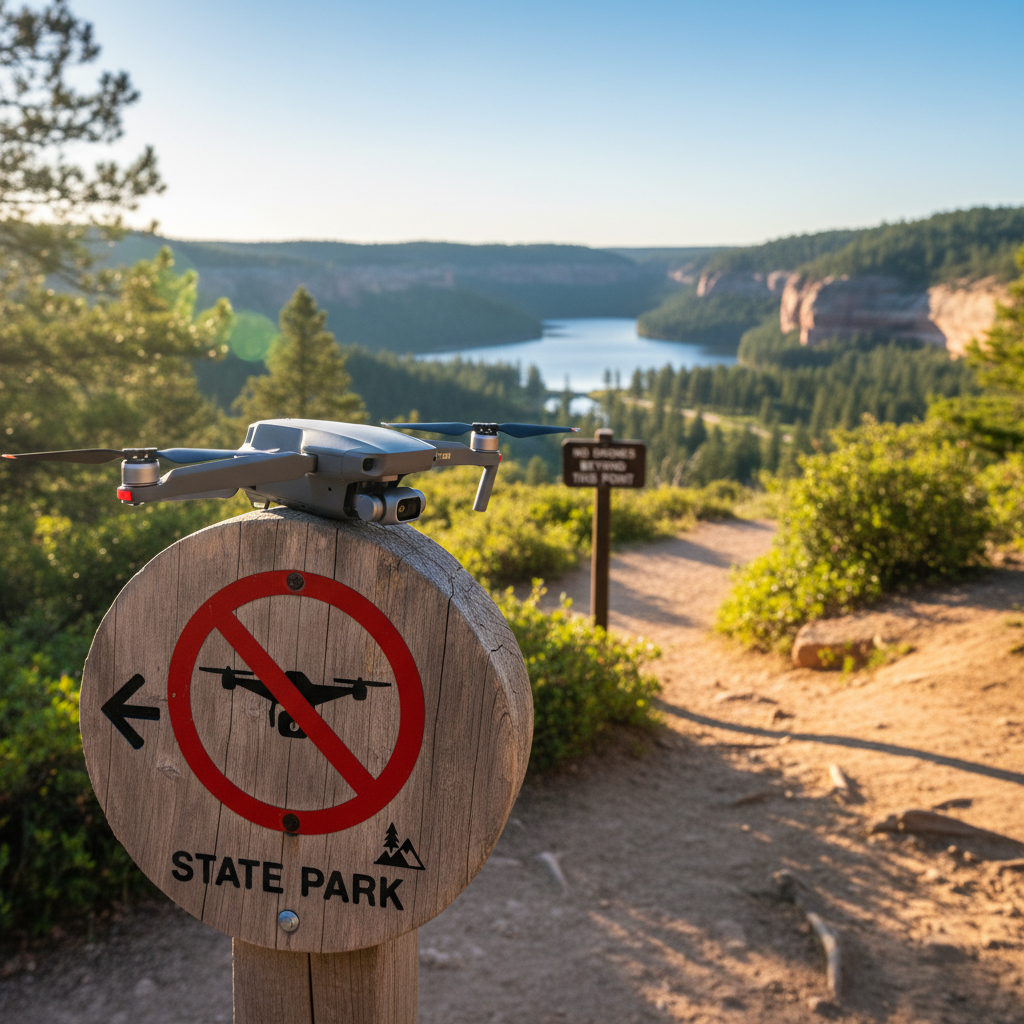
Yes, you can fly a drone in some state parks, but regulations vary widely by location. It is essential to check specific park rules and local laws, as many state parks impose restrictions to protect wildlife and maintain the visitor experience. In this article, we will guide you through the considerations and regulations for flying drones in state parks, ensuring you are well-informed before taking your drone on your next outdoor adventure.
Understanding State Park Regulations
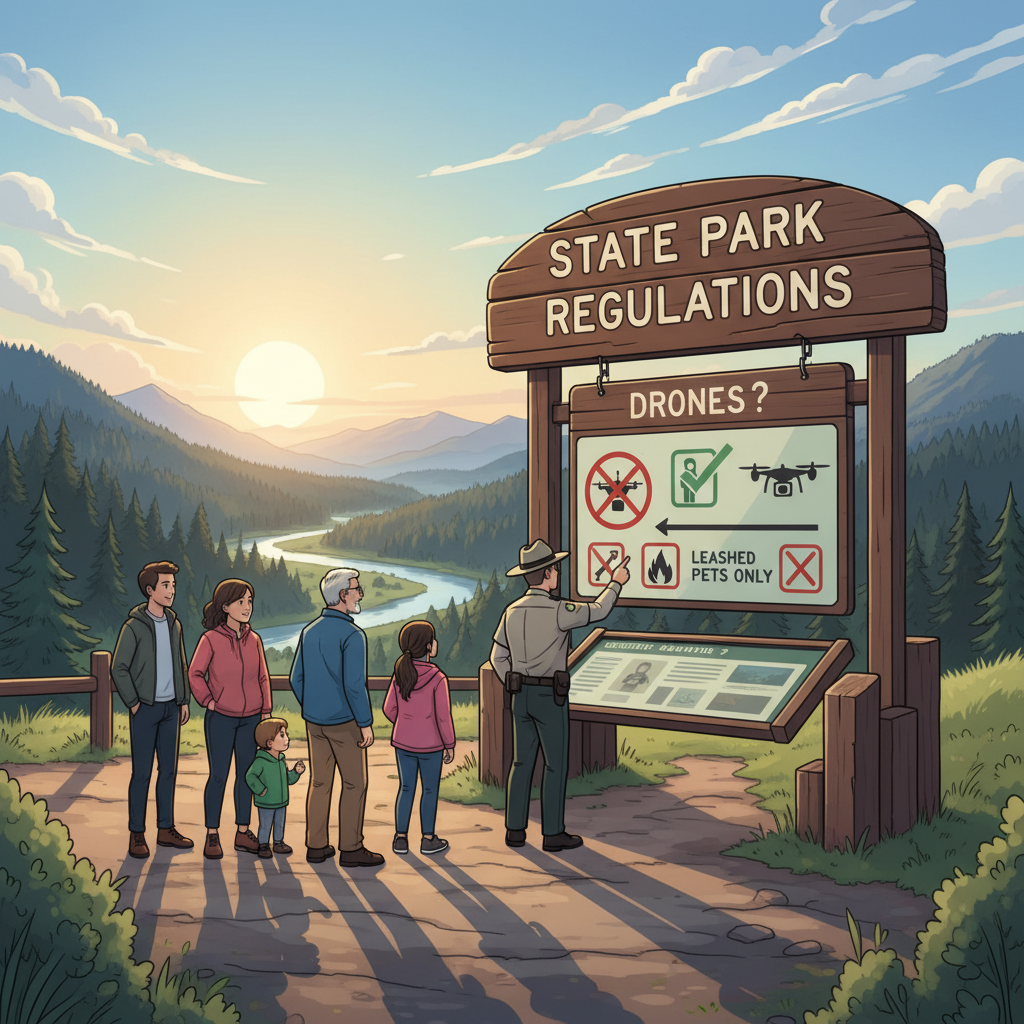
State parks are not uniform; each has its own set of guidelines concerning drone usage. Many state parks have implemented specific drone policies to enhance the safety and enjoyment of all visitors while taking into account the potential impact on the local environment. For instance, parks like the California State Parks system generally prohibit drone flights to preserve the tranquility of nature and to protect sensitive habitats. Conversely, some parks may allow drone operation within designated areas or under specific conditions. Always check the park’s official website or contact park management directly before flying to avoid unexpected fines or penalties.
Federal and State Law Considerations
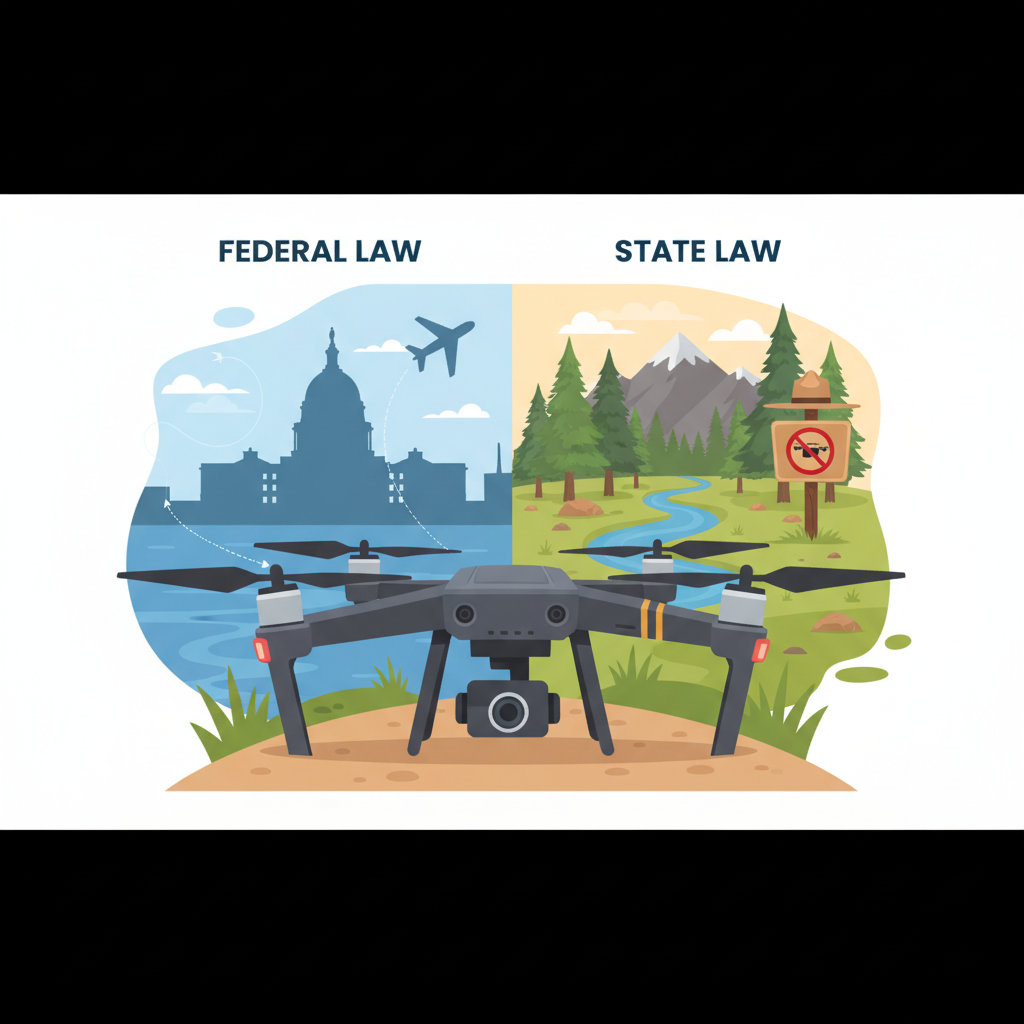
In addition to state park regulations, federal regulations set forth by the Federal Aviation Administration (FAA) apply universally to all drone operations across the United States. The FAA mandates that drone operators must register their drones, adhere to altitude limits, and maintain a visual line-of-sight with their drones at all times. Furthermore, state laws can impose additional restrictions, such as prohibiting flights over private property or certain sensitive areas. Understanding both federal and state regulations is crucial for responsible drone flying, ensuring compliance and safety during your aerial exploration.
Areas Where Drones Are Allowed
While many state parks have restrictions, some designate specific areas where drone flying is permitted. For example, parks like the Custer State Park in South Dakota have areas that are more accommodating to drone enthusiasts, allowing for a unique opportunity to capture stunning aerial views of the landscape. When planning your visit, research parks that have designated flying zones to enhance your experience. Additionally, many parks offer facilities or events dedicated to drone enthusiasts, providing a supportive environment for learning and sharing experiences with fellow drone pilots.
Obtaining Necessary Permits
In some cases, state parks may require permits for drone operations, especially for commercial use or special events. It is advisable to check with park management well in advance of your planned visit to determine whether a permit is necessary, what the application process entails, and any associated fees. For instance, the Florida State Parks system requires a special use permit for drone operations, which can involve submitting a detailed plan for your flight. Being proactive in obtaining permits ensures a smooth and lawful flying experience.
Safety Guidelines for Flying Drones
Safety should always be a top priority when flying drones, particularly in state parks where visitors and wildlife coexist. To ensure a safe flying experience, always maintain a visual line-of-sight with your drone and avoid flying near crowds or populated areas. Additionally, it’s critical to respect any posted signage regarding drone use and to be aware of potential hazards such as power lines or changing weather conditions. Adhering to these guidelines not only protects your equipment but also ensures the safety and enjoyment of fellow park visitors.
Respecting Wildlife and Nature
Drones can significantly impact wildlife, particularly during sensitive times such as nesting or migration seasons. To minimize disturbances, always be mindful of your surroundings and avoid flying near known wildlife habitats. Observing “Leave No Trace” principles is essential; this means departing from your drone flight area without leaving any impact on the environment. Additionally, consider the local flora and fauna, as loud drones can be distressing to wildlife and may disrupt their natural behaviors. Respecting the natural environment is crucial for preserving the beauty and integrity of state parks for future generations.
Tips for Responsible Drone Flying
Responsible drone flying involves staying informed about regulations, weather conditions, and local no-fly zones. Before you head out, check the weather forecast and potential airspace restrictions, as certain areas may be subject to temporary flight restrictions. Joining local drone communities or online forums can be an invaluable resource for staying updated on regulations and sharing experiences with fellow drone enthusiasts. Engaging with these communities can also provide insights into the best practices for flying in state parks and help you connect with other like-minded individuals.
In conclusion, while you can fly a drone in some state parks, it is essential to understand and follow the specific regulations and guidelines of each location. Always prioritize safety and environmental respect, ensuring a positive experience for yourself and the natural surroundings. By checking local rules and being mindful of wildlife and fellow visitors, you can enjoy your drone adventures responsibly. Before your next trip, take the time to research and prepare, so you can make the most of your aerial exploration in the great outdoors!
Frequently Asked Questions
Can you fly a drone in a state park without permission?
Flying a drone in a state park typically requires prior permission, as many state parks have specific regulations regarding drone usage. It’s essential to check the website or contact the park management directly to understand their rules and obtain any necessary permits. Violating these regulations can result in fines or confiscation of the drone.
What are the general rules for flying drones in state parks?
The general rules for flying drones in state parks often include restrictions on altitude, designated flying zones, and the prohibition of flying near wildlife or crowded areas. Additionally, operators must comply with FAA regulations, which include keeping the drone within visual line of sight and flying below 400 feet. Checking specific park regulations is crucial, as rules can vary significantly from one location to another.
Why are there restrictions on flying drones in state parks?
Restrictions on flying drones in state parks are primarily implemented to protect wildlife, preserve natural landscapes, and ensure the safety of visitors. Drones can disturb animals, particularly during nesting seasons, and may interfere with the experience of other park-goers seeking tranquility in nature. These regulations help maintain the integrity of the park environment and promote respectful use of outdoor spaces.
Which state parks are most drone-friendly in the United States?
Some of the most drone-friendly state parks in the United States include parks like Valley of Fire State Park in Nevada, where wide-open spaces and stunning landscapes allow for aerial photography. Other examples include Custer State Park in South Dakota and Big Bend State Park in Texas, which offer more lenient drone policies. However, it’s essential to verify current regulations before planning your flight, as policies can change.
How can I find out if a specific state park allows drone flying?
To find out if a specific state park allows drone flying, visit the official state park website or contact the park directly for the most accurate and updated information. Many state parks provide detailed regulations regarding drone use and may also have online resources or downloadable documents outlining their policies. Checking the FAA’s website can also provide insights into federal regulations that may apply.
References
- https://www.nps.gov/subjects/drones/index.htm
- https://www.fs.usda.gov/managing-land/fire/drone-use
- https://www.americanground.com/drone-regulations-in-state-parks
- https://www.nytimes.com/2020/09/03/us/drone-rules-national-parks.html
- https://www.faa.gov/uas/where_to_fly/parks/
- https://www.nps.gov/articles/drone-use-in-national-parks.htm
- https://www.wildlife.org/drone-use-in-wildlife-research-and-management/
