
To get a remote ID for your drone, you need to ensure your drone is compliant with current FAA regulations, register it if necessary, and utilize available technology to connect it to the remote ID system. The process can differ based on your drone’s specifications and the technology you choose. Understanding these factors is crucial for both compliance and safety in the rapidly evolving airspace.
Understanding Remote ID Requirements
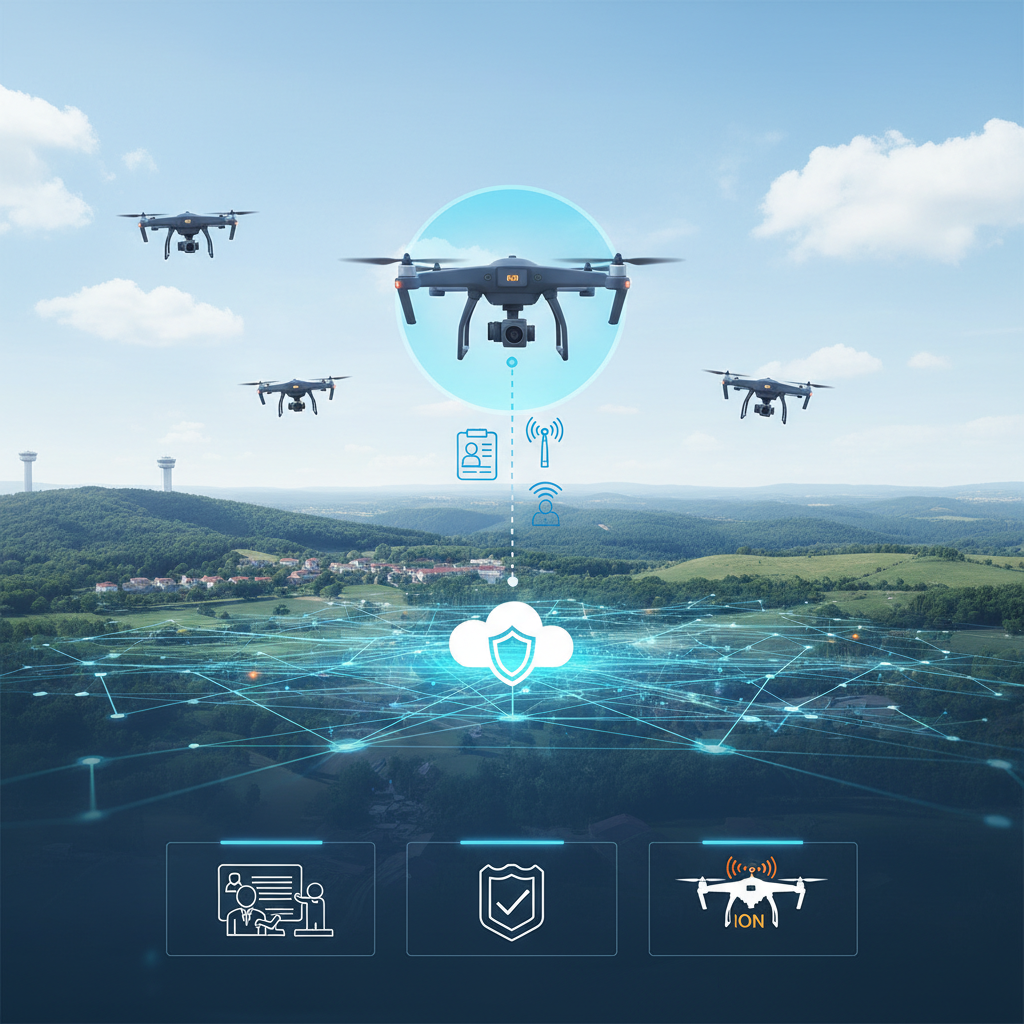
The Federal Aviation Administration (FAA) has established clear regulations mandating remote identification (Remote ID) for drones operating in U.S. airspace. Remote ID essentially functions like a digital license plate for drones, transmitting information such as the drone’s location, altitude, and identification to authorized receivers, including law enforcement and air traffic management systems. This regulatory framework was enacted to enhance safety and accountability, allowing for better airspace management and reducing the risks associated with unauthorized or unsafe drone operations.
The importance of remote ID cannot be overstated. As the number of drones continues to soar, so does the potential for conflicts in the airspace. Remote ID serves as a critical tool for ensuring that both manned and unmanned aircraft can operate safely and efficiently. By providing a means for tracking drones in real-time, Remote ID helps to mitigate risks associated with reckless flying and enhances overall public safety.
Steps to Register Your Drone
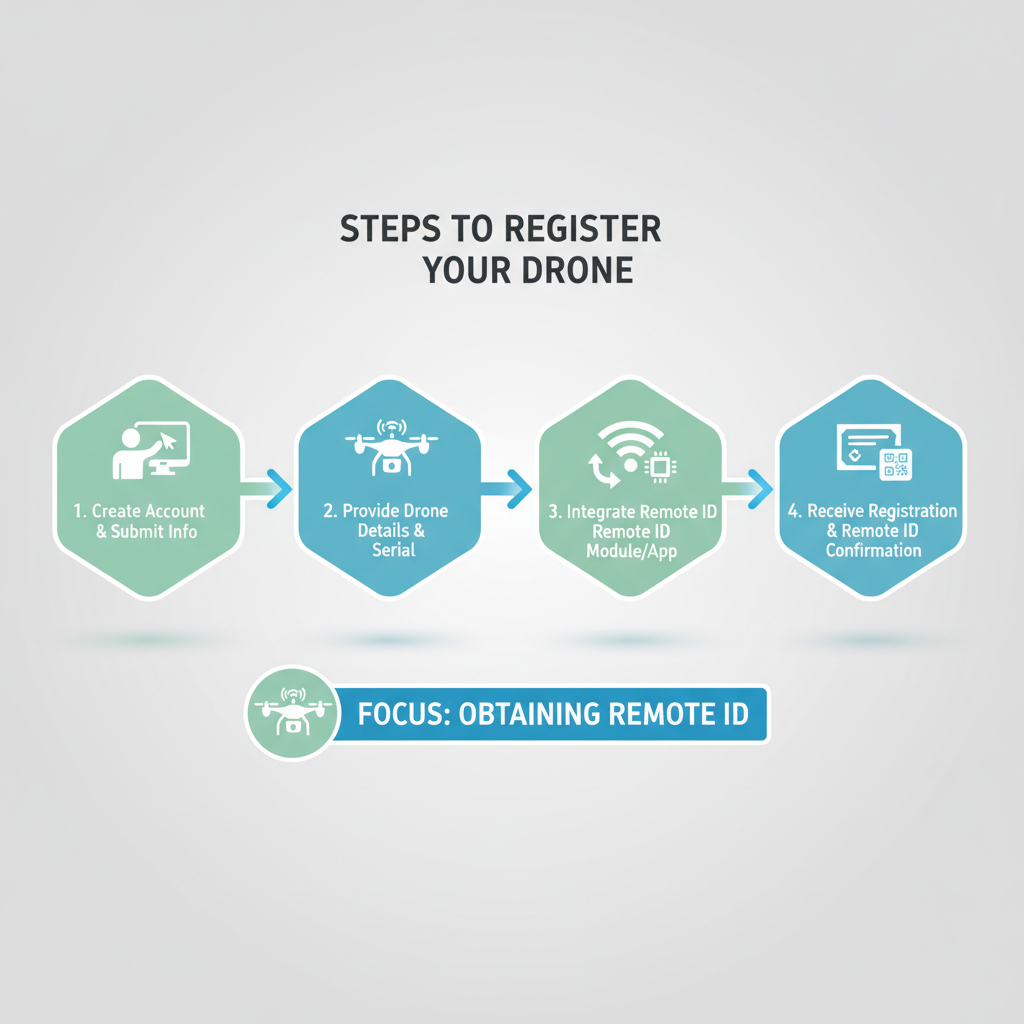
Before you can obtain Remote ID, it is essential to register your drone with the FAA if it qualifies for registration. All drones weighing more than 0.55 pounds must be registered. The registration process is straightforward and can be completed online through the FAA’s dedicated portal. To begin, you will need to provide specific information about yourself and your drone, including your name, address, email, and the drone’s make and model.
The registration fee is currently set at $5, and your registration is valid for three years. Once registered, you will receive a unique registration number that must be marked on your drone. This step is crucial, as it connects your drone to your identity, reinforcing accountability in the airspace.
Choosing the Right Remote ID Technology
When it comes to Remote ID technology, there are primarily two types: broadcast and network. Broadcast Remote ID systems transmit identification information directly from the drone to nearby receivers using radio frequencies, which can include other drones, law enforcement, and the general public. This method is relatively straightforward and does not require internet connectivity.
Network Remote ID, on the other hand, requires an internet connection and transmits data to a centralized server, allowing for broader tracking capabilities and real-time updates. Each type has its advantages and disadvantages, depending on your operational needs and drone model.
To evaluate compatibility with your drone, check the manufacturer’s specifications and ensure that the chosen Remote ID technology aligns with your drone’s capabilities. Some drones come with built-in Remote ID systems, while others may require additional equipment. Researching and selecting the right system is vital for seamless integration and compliance with FAA regulations.
Setting Up Your Drone for Remote ID
Equipping your drone with Remote ID technology involves a few essential steps. If your drone does not have built-in capabilities, you may need to purchase a Remote ID module that meets FAA specifications. These modules are available from various manufacturers and must be installed according to the provided guidelines.
Once the Remote ID technology is integrated, it is critical to test your drone’s functionality. Conduct flight tests in a controlled environment to ensure that the Remote ID system is transmitting data accurately. Utilize apps or devices that can detect Remote ID signals to verify that your drone is broadcasting the required information. This testing phase is crucial not only for compliance but also for ensuring that you can operate your drone safely and responsibly in shared airspace.
Staying Updated with Regulations
Drone regulations are continually evolving, making it essential for drone operators to stay informed about the latest requirements and changes. Regularly checking the FAA’s official website and subscribing to their newsletters can help you remain updated. Additionally, joining online forums and local drone clubs can provide valuable insights and information about new regulations and best practices within the drone community.
Understanding the implications of regulatory changes can significantly affect your operations. As laws shift or technological advancements arise, ensuring that you remain compliant will help you avoid penalties and contribute to a safer airspace environment.
Troubleshooting Common Issues
While obtaining and implementing Remote ID may seem straightforward, several common issues may arise during the process. One frequent problem is the failure of the Remote ID system to transmit data correctly. This could be due to improper installation of the technology or compatibility issues with the drone model. If you encounter this issue, refer to the manufacturer’s troubleshooting guide or seek assistance from customer support.
Another common issue is misunderstanding FAA regulations. Ensuring that you grasp the current requirements, including registration and Remote ID specifications, is crucial. If you are unsure about specific regulations, consult the FAA’s FAQ section or reach out to a knowledgeable resource within the drone community.
Additionally, frequent software updates for your drone or Remote ID module may be necessary to maintain functionality. Regularly check for updates and apply them as needed to ensure optimal performance.
In conclusion, obtaining a remote ID for your drone is essential for compliance with regulations and enhancing safety in the skies. By understanding the requirements, properly registering your drone, selecting the appropriate Remote ID technology, and staying informed about ongoing regulations, you can ensure your drone is ready for the new airspace requirements. This proactive approach not only enhances your operational capabilities but also contributes to a safer and more accountable aviation environment for all drone operators and the public.
Frequently Asked Questions
What is Remote ID for drones and why is it important?
Remote ID is a system designed to provide identification and location information about a drone in flight to authorities and other parties. It is important because it enhances safety and accountability in the airspace, helping to prevent accidents, unauthorized activities, and ensuring compliance with regulations. With Remote ID, drone operators can demonstrate their adherence to safety standards and facilitate better integration of drones into the national airspace.
How can I get a Remote ID for my drone?
To obtain Remote ID for your drone, you need to ensure that your drone is equipped with a Remote ID device or has built-in Remote ID capabilities, as per the FAA regulations. You can purchase a compliant Remote ID module from various manufacturers or check if your drone model supports Remote ID through firmware updates. After installation, you should register your drone with the FAA to receive a unique identifier, which is essential for the Remote ID system.
Which drones are required to have Remote ID?
According to the FAA rules, most drones that are operated in the United States must have Remote ID capabilities. This includes drones weighing over 0.55 pounds (250 grams) and those used for commercial purposes. It’s crucial for drone operators to check their specific model’s compliance with Remote ID regulations and ensure they are abiding by the latest requirements to avoid potential penalties.
What are the best Remote ID solutions available for drones?
Some of the best Remote ID solutions for drones include modules from reputable manufacturers such as DJI, Parrot, and RemoteID.io. These solutions typically provide easy installation, reliable performance, and compatibility with various drone models. When evaluating your options, consider factors such as range, ease of use, integration capabilities, and compliance with FAA regulations to find the best fit for your needs.
Why do I need to register my drone for Remote ID and how do I do it?
Registering your drone for Remote ID is necessary to ensure that your drone’s unique identifier is recognized and can be tracked by law enforcement and other entities. To register, visit the FAA’s DroneZone website, create an account, and provide details about your drone, including its make, model, and serial number. After completing the registration, you’ll receive a confirmation and must adhere to the ongoing requirements to maintain compliance with Remote ID regulations.
References
- https://www.faa.gov/uas/getting_started/remote_id
- https://www.faa.gov/uas/getting_started/remote_id/faq
- https://www.faa.gov/uas/getting_started/remote_id/implementation
- https://www.npr.org/2021/12/28/1066778259/drone-remote-id-faa
- https://www.law.cornell.edu/wex/remote_id
- https://www.dronepilotgroundschool.com/remote-id-faa/
- https://www.techradar.com/news/faa-drone-remote-id-explained
- https://www.wired.com/story/faa-drone-remote-id-regulations/
- https://www.theverge.com/2020/12/29/22197941/faa-drone-remote-id-rules-explained
