
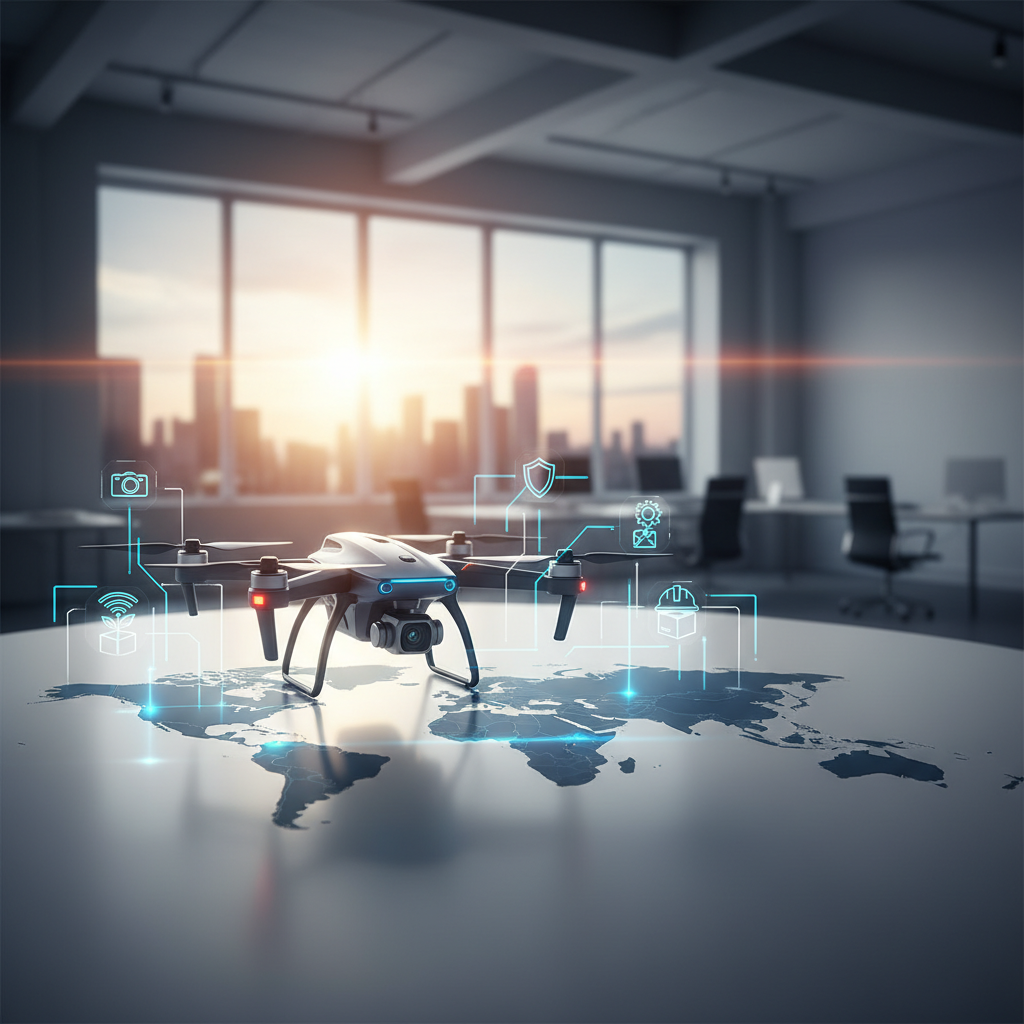
With a drone license, you can engage in a variety of activities such as aerial photography, surveying, and commercial deliveries. This certification not only provides you with the legal authorization to operate drones for commercial purposes but also unlocks numerous opportunities across various industries. From enhancing your business capabilities to exploring new recreational avenues, having a drone license allows you to harness the power of drone technology effectively and lawfully, ensuring that you stay compliant with regulations while maximizing your potential.
Benefits of Having a Drone License
Obtaining a drone license offers multiple benefits that can significantly enhance your professional standing and operational efficiency. First and foremost, it legitimizes your operations, ensuring compliance with local and national regulations. In many countries, operating a drone for commercial purposes without proper certification can result in hefty fines and legal repercussions. Thus, a drone license serves as a safeguard against such risks.
Additionally, having a drone license increases trust among clients and customers. It demonstrates your commitment to safety and professionalism, which is essential in industries such as real estate, construction, and media. For instance, businesses that hire licensed operators can confidently portray themselves as compliant and responsible, enhancing overall business credibility. This trust can lead to more contracts, repeat business, and referrals, which are invaluable in a competitive market.
Aerial Photography and Videography
One of the most popular applications of licensed drone operation is aerial photography and videography. Drones equipped with high-resolution cameras can capture stunning images and videos for various purposes. For real estate agents, high-quality aerial shots can showcase properties from unique angles, highlighting features that may not be visible from the ground. This can lead to faster sales and higher selling prices.
In the wedding and event industry, drones can create breathtaking cinematic footage, providing couples and organizers with unforgettable memories. Furthermore, businesses can utilize drone videography to produce promotional and marketing content that stands out in a crowded digital landscape. For example, tourism boards can create engaging videos showcasing their destinations, enticing potential visitors while effectively leveraging the visual appeal of drone technology.
Surveying and Mapping
Drones have revolutionized the fields of surveying and mapping, enabling professionals to conduct land surveys and create topographic maps with unprecedented speed and accuracy. Licensed drone operators can gather data for construction projects, providing critical information about land contours, vegetation, and existing infrastructure. This data is invaluable for architects and engineers when planning new developments.
In agriculture, drones equipped with specialized sensors can be utilized for precision farming. By assessing crop health and soil conditions, farmers can make informed decisions that enhance yield and sustainability. For environmental monitoring, drones facilitate the collection of data over large areas, helping researchers track changes in ecosystems and assess the impacts of climate change.
Inspection Services
Another significant application of drone technology is in inspection services. Drones allow operators to perform inspections of hard-to-reach structures, such as roofs, bridges, and communication towers, without the risks associated with traditional methods. This capability not only saves time and resources but also enhances safety by minimizing the need for scaffolding or ladders.
For instance, utility companies can use drones to monitor power lines and pipelines, identifying potential issues before they escalate into costly repairs or hazardous situations. By incorporating thermal imaging technology, licensed drone operators can detect heat anomalies, which may indicate electrical issues or gas leaks, ensuring the maintenance of critical infrastructure without unnecessary disruptions.
Delivery and Logistics
The advent of drone technology has opened up new frontiers in the delivery and logistics sectors. With a drone license, you can participate in commercial drone delivery services, facilitating the rapid transportation of goods and packages. This application is particularly beneficial for businesses seeking to enhance their distribution methods, offering customers quicker service and reducing operational costs.
For example, companies like Amazon and UPS are already exploring drone delivery systems to streamline last-mile logistics. Licensed operators can work with these companies to provide last-minute services or deliveries in remote areas where traditional transport may be inefficient. As regulations evolve, the potential for drone delivery services will only continue to expand, providing exciting opportunities for licensed drone pilots.
Recreational Uses
In addition to professional applications, having a drone license allows for a variety of recreational uses. Enthusiasts can fly drones for leisure, enjoying the thrill of piloting advanced technology while capturing breathtaking aerial views. Moreover, licensed pilots can participate in drone racing competitions, which have gained popularity in recent years. These events not only provide an adrenaline rush but also foster a sense of community among participants.
Furthermore, joining drone enthusiast communities can lead to networking and skill development opportunities. Many local clubs and online forums offer resources, workshops, and meet-ups that enable drone pilots to share experiences and improve their flying skills. Engaging with these communities can also keep you updated on the latest industry trends and technological advancements.
Future Opportunities with Drone Technology
The future of drone technology is promising, with continuous advancements leading to new applications across various sectors. As industries adopt drones for innovative purposes, licensed operators will find themselves at the forefront of emerging markets. Maintaining a drone license positions you to take advantage of these developments, whether they be in agriculture, logistics, or environmental monitoring.
Staying updated on regulations is equally crucial. As drone technology evolves, so too will the legislation governing its use. Being informed about these changes will allow you to adapt and capitalize on new opportunities as they arise. For example, as urban air mobility becomes a reality, licensed drone operators may play a pivotal role in developing air taxi services or emergency response missions.
In conclusion, obtaining a drone license can significantly expand your professional capabilities and recreational options. Whether you are interested in aerial photography, inspections, or logistics, the possibilities are vast and continually evolving. By embracing the potential of drone technology and enhancing your skills, you can position yourself for success in this dynamic field. As the industry grows, so too will the opportunities for those prepared to navigate its complexities.
Frequently Asked Questions
What can you do with a drone license?
With a drone license, specifically a Part 107 certification in the United States, you can legally operate drones for commercial purposes. This includes a wide range of activities such as aerial photography and videography, surveying and mapping, agriculture monitoring, real estate marketing, and even drone deliveries. Having a drone license not only allows you to monetize your skills but also ensures compliance with federal regulations.
How can I use my drone license to start a business?
You can leverage your drone license to launch various business ventures, such as offering aerial photography services for weddings or events, providing inspections for roofs, bridges, or power lines, and conducting agricultural assessments. To succeed, you can create a strong online presence, utilize social media for marketing, and network with local businesses that may require drone services. Additionally, understanding your target market will help you tailor your offerings effectively.
Why is it important to have a drone license for commercial use?
Having a drone license is crucial for commercial use because it ensures that you are operating within the law. The Federal Aviation Administration (FAA) mandates that all commercial drone pilots obtain a Part 107 license to promote safety and accountability in the airspace. Operating without a license can lead to hefty fines and legal repercussions, and it compromises safety for both the operator and the public.
What are the best uses for a drone license in the real estate industry?
In the real estate industry, a drone license can be highly beneficial for providing aerial photography and videography of properties, which can enhance listings and attract potential buyers. Drones can also be used for creating virtual tours, capturing panoramic views of the surrounding areas, and conducting property inspections. By showcasing properties from unique perspectives, licensed drone operators can help realtors differentiate themselves in a competitive market.
Which types of drones can I operate with a drone license?
With a drone license, you can operate a wide range of commercial drones, including multirotors, fixed-wing drones, and hybrid models. The type of drone you choose will depend on the specific application and requirements; for instance, multirotors are ideal for aerial photography due to their stability and maneuverability, while fixed-wing drones are better suited for surveying large areas due to their longer flight times. Always ensure that your drone meets the FAA’s safety regulations and guidelines for commercial use.
References
- https://en.wikipedia.org/wiki/Unmanned_aerial_vehicle
- https://www.faa.gov/uas/getting_started/part_107/
- https://www.nytimes.com/2020/01/23/technology/drone-licenses.html
- https://www.suasnews.com/2021/05/what-can-you-do-with-a-drone-license/
- https://www.nasa.gov/mission_pages/innovation_incubator/technology/uas.html
- https://www.dronepilotgroundschool.com/drone-license-applications/
- https://www.ncbi.nlm.nih.gov/pmc/articles/PMC7210994/
- https://www.southampton.ac.uk/engineering/research/uas.page
