
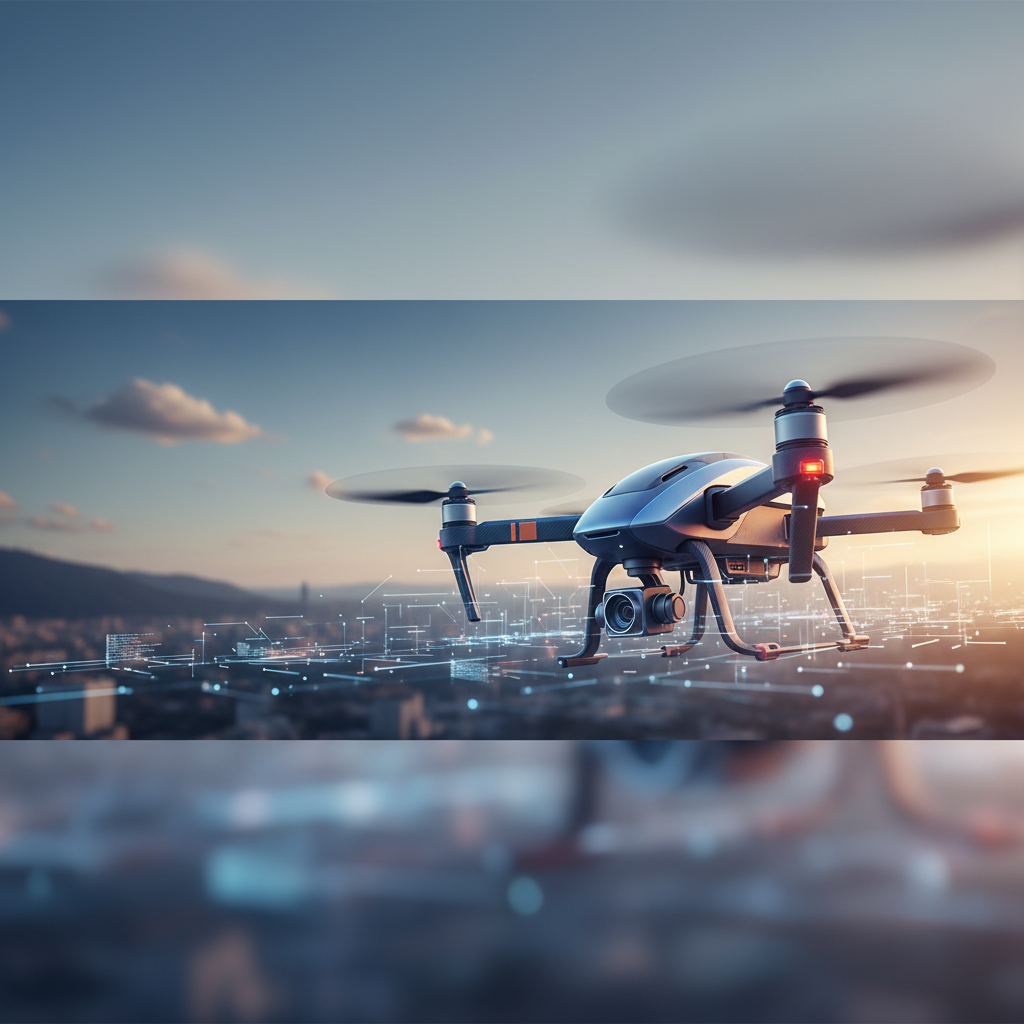
Drones are unmanned aerial vehicles (UAVs) that can be remotely controlled or fly autonomously using software-controlled flight plans. These innovative machines have transformed numerous industries by providing unique solutions for tasks ranging from photography to delivery and surveillance. As technology advances, drones continue to evolve, offering enhanced capabilities and new applications that impact various sectors. This article will explore the different types of drones, their uses, technology, regulations, and future potential.
Types of Drones
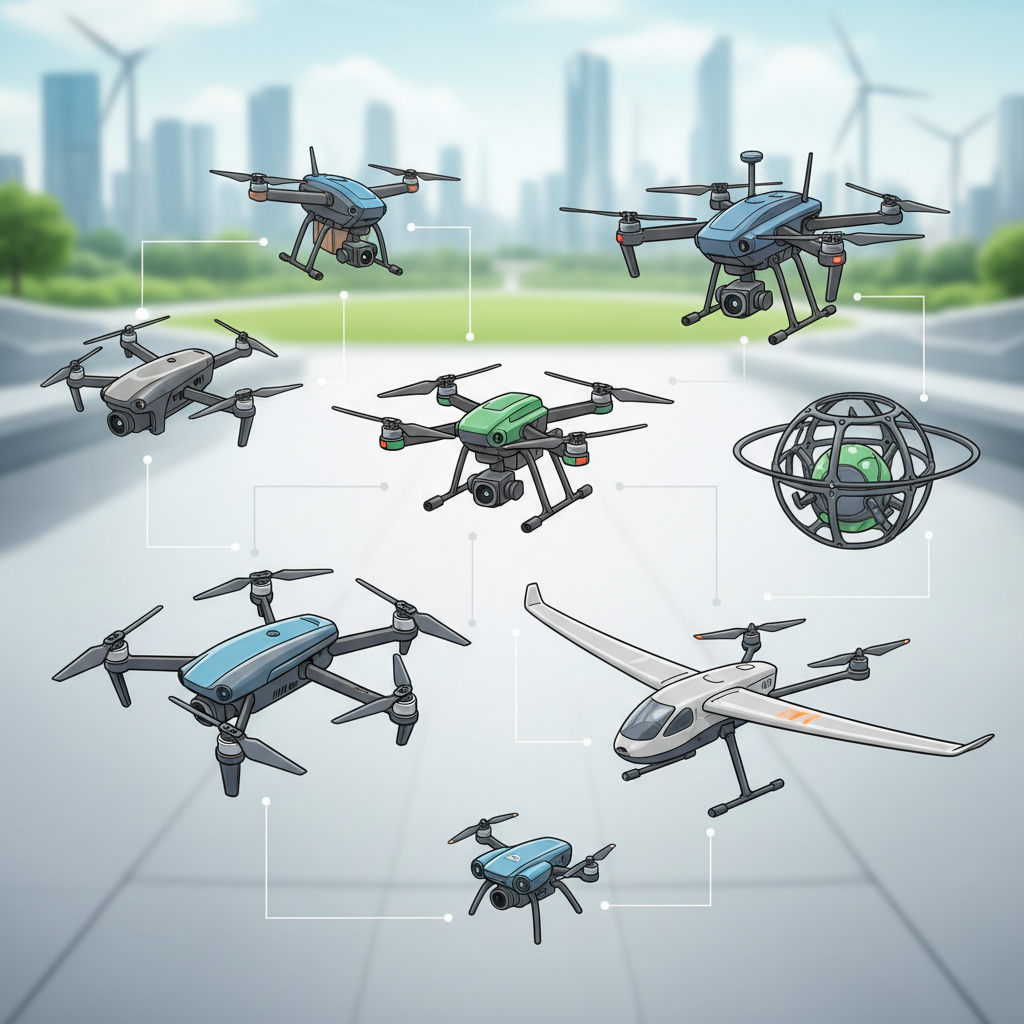
– Consumer Drones: These are primarily designed for recreational purposes and are often popular among hobbyists and enthusiasts. Consumer drones are equipped with high-resolution cameras, making them ideal for capturing stunning aerial photographs and videos. Models like the DJI Mini and Mavic Air have gained significant attention for their compact size, affordability, and user-friendly interfaces. Additionally, racing drones have emerged as a niche market, where speed and agility are paramount for competitive pilots.
– Commercial Drones: Commercial drones are utilized across various industries, including agriculture, construction, and delivery services. In agriculture, drones equipped with multispectral sensors can monitor crop health, assess irrigation needs, and optimize pesticide application, thus enhancing productivity. In construction, drones are used for surveying land, monitoring project progress, and conducting inspections, significantly reducing time and labor costs. Delivery services, exemplified by companies like Amazon and UPS, are exploring drone technology to facilitate faster and more efficient package delivery.
Key Uses of Drones
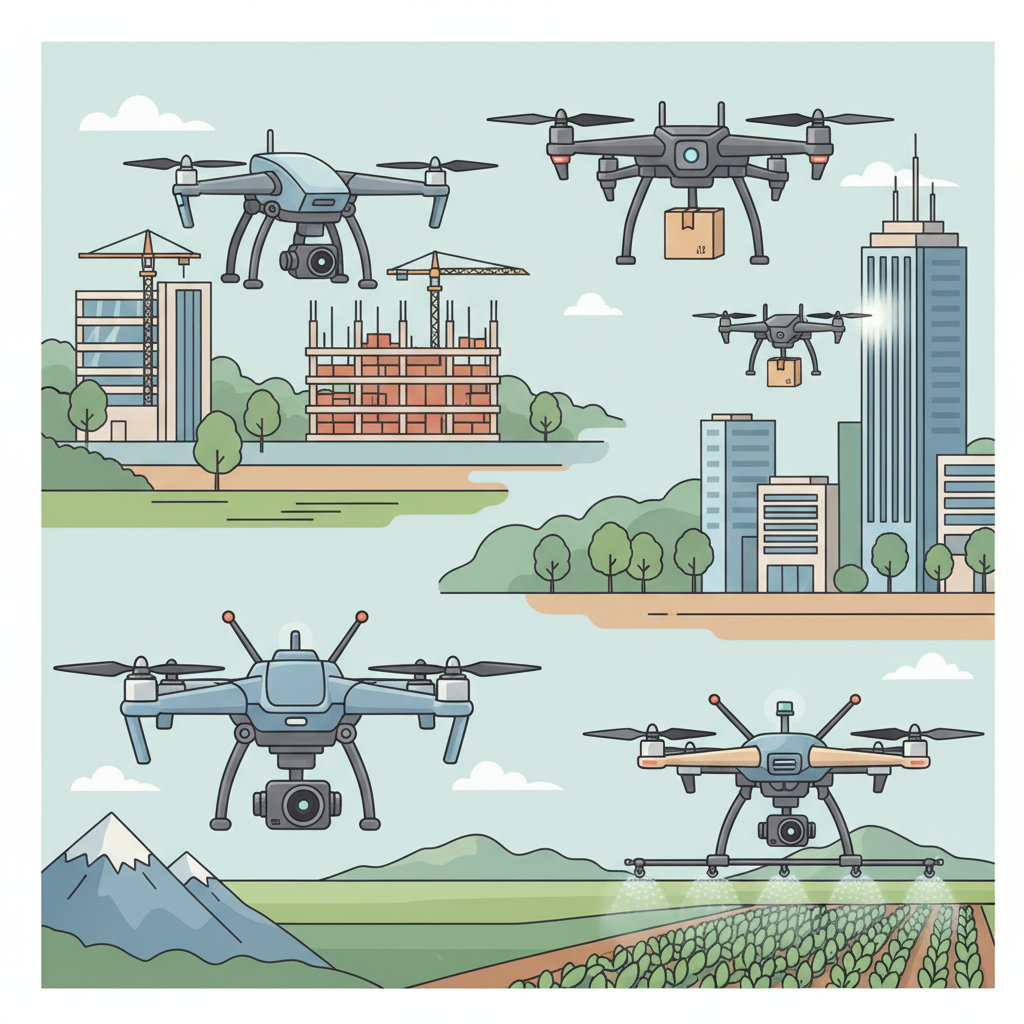
– Aerial Photography: One of the most popular applications of drones is in aerial photography and videography. Drones enable users to capture breathtaking images from unique perspectives that were previously challenging to achieve. Real estate agents utilize drones to showcase properties, while filmmakers employ them to obtain dramatic aerial shots. Events such as weddings and sports can also benefit from aerial coverage, offering a fresh narrative angle.
– Surveillance and Security: Drones have become invaluable tools for surveillance and security. Law enforcement agencies use drones for monitoring public events, gathering intelligence, and conducting search and rescue operations in hard-to-reach areas. For instance, drones equipped with thermal imaging cameras can locate missing persons in remote locations, significantly enhancing rescue efforts. Additionally, businesses and homeowners deploy drones for property surveillance, enabling real-time monitoring and increased security.
Drone Technology
– Components of Drones: Drones consist of several essential components, including cameras, sensors, GPS, and communication systems. Cameras vary in quality, ranging from basic models to high-resolution professional-grade cameras capable of capturing 4K video. Sensors, such as LiDAR and infrared cameras, enable drones to gather critical data for mapping and surveying applications. GPS technology allows drones to navigate accurately, ensuring they follow predetermined flight paths.
– Autonomous Flight Systems: Modern drones incorporate sophisticated autonomous flight systems that enable them to navigate and operate independently. These systems rely on software algorithms and artificial intelligence to process environmental data, avoid obstacles, and adjust flight paths in real-time. For example, drones equipped with computer vision can identify and respond to changes in their surroundings, making them safer and more efficient in various applications.
Regulations and Legal Considerations
– FAA Regulations: The Federal Aviation Administration (FAA) has established comprehensive regulations governing the operation of drones in the United States. These regulations include requirements for drone registration, pilot certification, and adherence to designated airspace restrictions. For commercial drone operators, obtaining a Remote Pilot Certificate is mandatory to ensure safety and compliance with federal guidelines. Furthermore, operators must adhere to height restrictions and cannot fly drones over people or moving vehicles without proper waivers.
– Privacy Issues: As drones become more prevalent, concerns regarding privacy and data collection have emerged. The ability of drones to capture high-resolution images and video poses potential risks to individuals’ privacy rights. Many states have introduced legislation to address these concerns, establishing guidelines for drone usage in public and private spaces. It is essential for drone operators to understand and respect these privacy regulations to avoid legal repercussions and foster public trust.
Challenges in Drone Usage
– Technical Limitations: Despite their advances, drones still face several technical limitations. Battery life remains one of the most significant challenges, as many consumer and commercial drones can only operate for 20 to 30 minutes before needing recharging. Additionally, factors such as weather conditions, including wind and rain, can adversely affect drone performance and safety. Operators must remain aware of these limitations and plan their operations accordingly to mitigate risks.
– Public Perception: The societal impact of drones is a double-edged sword. While many individuals appreciate the benefits that drones bring, such as improved efficiency and innovation, others harbor concerns about safety, privacy, and noise pollution. These varying opinions can lead to resistance against drone technology, particularly in residential areas. Engaging with the public and educating them about the safety measures and benefits of drone usage is essential for fostering acceptance and understanding.
Future Trends in Drone Technology
– Advancements in AI: As artificial intelligence continues to evolve, drones are becoming smarter and more capable. AI-powered drones can analyze data in real-time, enabling them to make autonomous decisions based on environmental conditions. For example, in agriculture, AI can help drones identify crop diseases and optimize resource allocation, thereby improving sustainability. Moreover, advancements in machine learning are enhancing drones’ ability to navigate complex environments, making them more versatile for various applications.
– Potential Applications: The future of drone technology holds exciting possibilities, especially in emerging fields such as urban air mobility and delivery systems. Companies like Urban Aeronautics are developing air taxis that could revolutionize urban transportation, reducing congestion and travel times. Additionally, the integration of drones into logistics networks for last-mile delivery is gaining traction, with several companies conducting pilot programs to assess feasibility and efficiency. As technology progresses, the potential applications for drones will continue to expand, reshaping industries and everyday life.
In conclusion, drones represent a transformative technology with diverse applications across multiple sectors. Their ability to capture data, enhance efficiency, and improve safety is reshaping industries ranging from agriculture to transportation. As regulations adapt and technology advances, the impact of drones on society will likely increase, offering both opportunities and challenges. Whether for personal enjoyment or professional development, exploring the world of drones opens up a realm of possibilities that is worth considering.
Frequently Asked Questions
What are drones and how do they work?
Drones, also known as unmanned aerial vehicles (UAVs), are aircraft that operate without a human pilot onboard. They utilize a combination of sensors, cameras, and GPS technology to navigate and carry out specific tasks, ranging from aerial photography to agricultural monitoring. By communicating with a ground control system, drones can autonomously follow pre-programmed flight paths or be operated manually via remote control.
How are drones used in various industries?
Drones are increasingly being utilized across numerous industries for their versatility and efficiency. In agriculture, they help monitor crop health and optimize irrigation, while in construction, they provide aerial site surveys and progress monitoring. Additionally, drones play critical roles in emergency response, delivering medical supplies, and conducting search and rescue operations, showcasing their potential to save time and resources in various applications.
Why should I consider purchasing a drone?
Purchasing a drone can offer several benefits, including enhanced photography and videography capabilities, the ability to gather data in hard-to-reach areas, and even the potential for commercial applications like surveying and inspections. For hobbyists, drones provide a thrilling flying experience and the opportunity to explore the skies. However, it’s essential to consider your intended use, budget, and local regulations before making a purchase to ensure you choose the right model.
What are the best drones for beginners?
The best drones for beginners typically include models that are easy to fly, durable, and affordable. Options like the DJI Mini SE, Ryze Tello, and Holy Stone HS110D are highly recommended due to their user-friendly interfaces, built-in safety features, and decent camera quality. Investing in a beginner-friendly drone allows new users to gain flying experience without overwhelming complexities, making it easier to transition to more advanced models later.
Which regulations should I be aware of when flying a drone?
When flying a drone, it is crucial to adhere to the regulations set forth by aviation authorities, such as the Federal Aviation Administration (FAA) in the United States. Key regulations include registering drones over a certain weight, maintaining visual line-of-sight, and avoiding restricted airspace. Additionally, drone operators must respect privacy laws and local ordinances to ensure safe and responsible flying, which helps foster a positive perception of the drone community.
References
- https://en.wikipedia.org/wiki/Drone
- https://www.faa.gov/uas/
- https://www.nasa.gov/aeroresearch/programs/airspace/drones
- https://www.bbc.com/news/technology-44255623
- https://www.un.org/en/observances/drones
- https://www.ncbi.nlm.nih.gov/pmc/articles/PMC7436069/
- https://www.sciencedirect.com/topics/engineering/drone
- https://www.itu.int/en/ITU-T/focusgroups/ai4good/Pages/drones.aspx
- https://www.theguardian.com/technology/2022/mar/02/what-is-a-drone-and-how-do-they-work
