
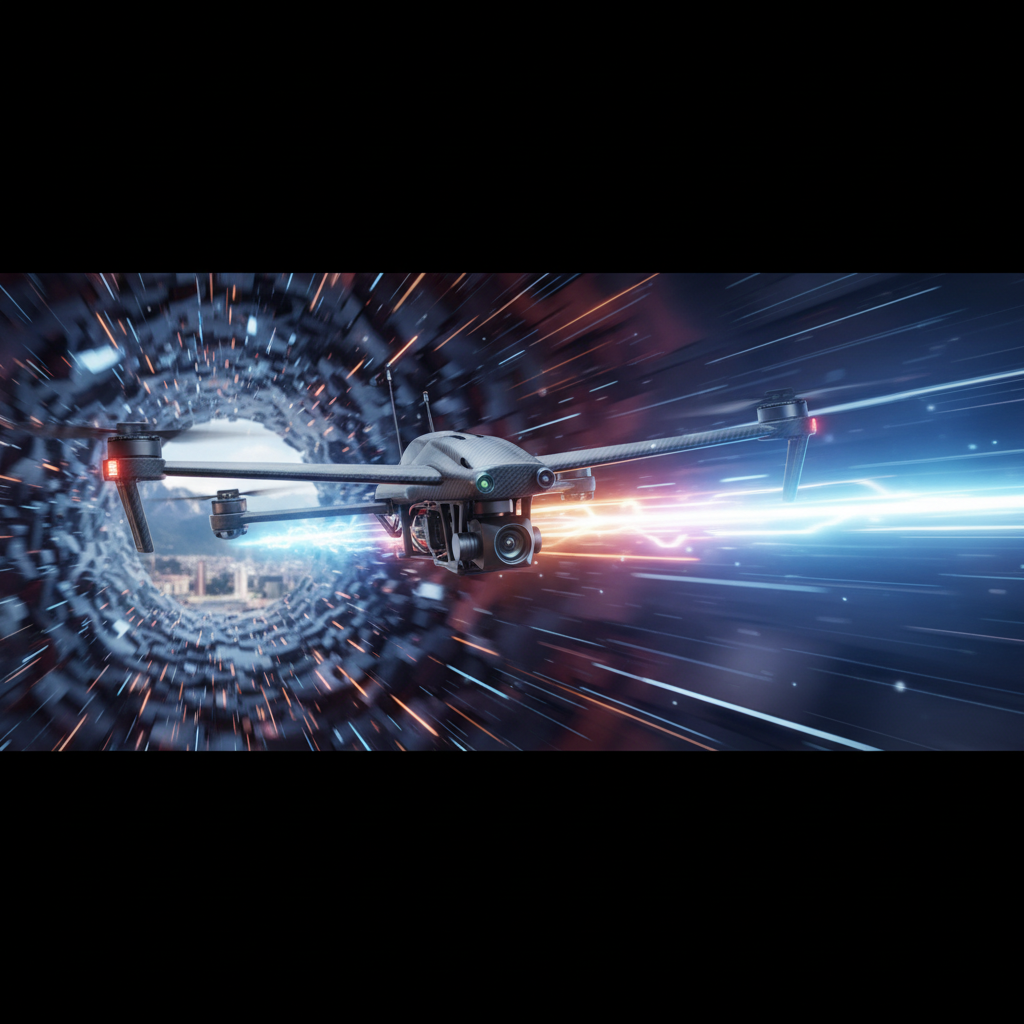
An FPV (First Person View) drone is a type of unmanned aerial vehicle (UAV) that allows users to experience the thrill of flying from the drone’s perspective via a live video feed transmitted to goggles or a screen. This immersive technology has surged in popularity, appealing to both hobbyists seeking an exhilarating experience and professionals using drones for various applications, such as filmmaking and surveying. Understanding FPV drones can provide insights into their components, types, and how to operate them effectively.
Understanding FPV Drones

FPV drones differ significantly from traditional drones primarily in the way they convey the flying experience. While standard drones usually provide a bird’s-eye view through a smartphone or tablet, FPV drones offer a first-person perspective that makes the pilot feel as if they are onboard the aircraft. This unique view is facilitated by a camera mounted on the drone that streams live video to the pilot’s goggles or monitor, creating an engaging and immersive environment.
The components that make up an FPV drone include the airframe, motors, electronic speed controllers (ESCs), flight controller, camera, video transmitter, and batteries. Each of these components plays a crucial role in the overall performance and reliability of the drone. The airframe provides the structure, while motors and ESCs control movement and speed. The flight controller stabilizes the drone and processes inputs from the pilot, ensuring smooth flying. Together, these elements create a cohesive system that enhances the FPV flying experience.
Types of FPV Drones

There are three primary types of FPV drones: racing drones, freestyle drones, and cinematic drones, each with distinct characteristics tailored to different flying styles and applications.
– Racing Drones: Designed for speed and agility, racing drones are built to navigate through obstacle courses at high velocities. They are typically lightweight, have powerful motors, and feature minimal drag designs. While they offer an exhilarating experience and are often used in competitive racing, their speed can make them challenging for beginners.
– Freestyle Drones: These drones are designed for maneuverability and acrobatics, allowing pilots to perform tricks and creative aerial stunts. Freestyle drones usually have a robust build to withstand crashes and are equipped with high-quality cameras for capturing stunning footage. However, their complexity can pose a learning curve for novice pilots.
– Cinematic Drones: Designed primarily for filmmaking and photography, cinematic drones feature high-resolution cameras capable of capturing stable, high-quality footage. They often come with advanced gimbal systems for stabilization, making them ideal for professional video production. On the downside, these drones can be heavier and more expensive than their racing and freestyle counterparts.
Key Components of FPV Drones
To fully appreciate the FPV experience, it is essential to understand the key components that make up an FPV drone:
– Camera: The camera is a critical component, as it provides the live video feed to the pilot. High-definition cameras with low latency are preferred for a better flying experience. Popular options include the RunCam and GoPro cameras.
– Transmitter: This device transmits the video signal from the camera to the pilot’s goggles or screen. A good transmitter ensures a stable connection and minimal lag, which is crucial for maintaining control during flight.
– Receiver: The receiver is typically integrated into the goggles or display and picks up the video signal sent by the transmitter. It is important to choose a receiver that is compatible with the transmitter for optimal performance.
– Goggles: FPV goggles provide an immersive viewing experience by displaying the live feed from the drone’s camera directly in front of the pilot’s eyes. Some popular models include the Fat Shark and DJI FPV goggles, which offer varying degrees of resolution and features.
Each of these components plays a vital role in enhancing the FPV experience, and understanding their functions can help users make informed decisions when building or purchasing an FPV drone.
How to Fly an FPV Drone
For beginners looking to start flying an FPV drone, there are several essential steps to follow:
1. Pre-Flight Preparation: Before taking off, ensure the drone is fully charged and all components are functioning correctly. Familiarize yourself with the controls and the drone’s features.
2. Simulator Practice: Using a flight simulator can help new pilots practice their skills in a risk-free environment. Many simulators offer realistic physics and control responses, making them an invaluable tool for beginners.
3. First Flight: Start with a slow, open area free of obstacles. Gradually increase altitude and practice basic maneuvers like hovering and gentle turns.
4. Mastering Controls: Focus on smooth, gradual inputs to the controls rather than abrupt movements. This can help prevent crashes and improve overall control.
5. Join a Community: Engaging with local FPV communities or online forums can provide valuable insights, tips, and support from experienced pilots.
By following these steps and consistently practicing, beginners can become proficient FPV pilots over time.
Regulations and Safety
As the popularity of FPV drones continues to grow, so does the need for regulation. In many countries, FPV drone operators must adhere to specific legal guidelines to ensure safety and compliance.
– Legal Regulations: In the United States, the Federal Aviation Administration (FAA) requires drone operators to register their drones if they weigh over 0.55 pounds. Additionally, pilots must adhere to the rules set out in the Part 107 regulations, which include maintaining visual line of sight and not flying over people or moving vehicles.
– Safety Tips: To fly FPV drones responsibly, pilots should always conduct pre-flight checks, maintain situational awareness, and respect the privacy of others. It is also advisable to avoid flying in adverse weather conditions and to keep the drone away from restricted airspace.
By understanding and following these regulations and safety tips, FPV drone operators can enjoy their flying experience while minimizing risks.
Popular FPV Drone Models
There is a wide variety of FPV drone models available on the market, catering to different needs and budgets. Some of the top-rated models include:
– DJI FPV Combo: This model combines the ease of use with high-end features such as a 4K camera and a robust transmission system. Priced around $1,299, it is ideal for both beginners and advanced users.
– EMAX Tinyhawk II: A great entry-level racing drone, the Tinyhawk II is lightweight, durable, and comes with a built-in camera. It retails for approximately $100, making it an affordable choice for beginners.
– BetaFPV Beta65 Pro: For those interested in indoor flying and racing, the Beta65 Pro is compact yet powerful, featuring a 720p camera. Its price point of roughly $120 makes it a solid option for those looking to start small.
Each of these models offers unique features and capabilities, allowing pilots to select the best option based on their experience level and intended use.
Future of FPV Drones
The future of FPV drones looks promising, with advancements in technology likely to enhance their capabilities further. Some anticipated developments include:
– Improved Battery Technology: Innovations in battery efficiency and energy density could lead to longer flight times and reduced charging times, allowing for extended flying sessions.
– Enhanced AI Integration: The incorporation of artificial intelligence may lead to smarter drones that can autonomously navigate complex environments, making them easier to fly for novice users.
– Broader Applications: As industries continue to adopt drone technology, FPV drones may find new applications in areas such as agriculture, search and rescue operations, and real estate marketing. Their ability to provide real-time data and immersive visual experiences could revolutionize how these sectors operate.
The potential for growth and innovation in the FPV drone market is vast, indicating a bright future for both enthusiasts and professionals alike.
In conclusion, FPV drones offer an exhilarating and immersive flying experience that appeals to a diverse audience, from hobbyists seeking adventure to professionals utilizing the technology for practical applications. By understanding the various types of FPV drones, their essential components, and how to operate them safely and effectively, users can fully enjoy and leverage this innovative technology. As advancements continue to shape the future of FPV drones, the possibilities for exploration and creativity are virtually limitless.
Frequently Asked Questions
What is an FPV drone and how does it work?
An FPV (First Person View) drone is a type of unmanned aerial vehicle that provides a live video feed from the drone’s camera directly to the pilot, usually through a pair of goggles or a monitor. This immersive experience allows the pilot to see from the drone’s perspective, enhancing the flying experience and making it ideal for racing, aerial photography, and videography. FPV drones typically feature a lightweight design, advanced stabilization systems, and high-quality video transmission capabilities.
How do I choose the best FPV drone for beginners?
When selecting the best FPV drone for beginners, consider factors such as ease of use, durability, flight time, and camera quality. Look for models with beginner-friendly features like altitude hold, GPS stabilization, and one-button takeoff/landing. Additionally, a drone that comes with a ready-to-fly (RTF) package, including the necessary goggles and controller, can simplify the learning process for new pilots.
Why should I consider using an FPV drone for aerial photography?
Using an FPV drone for aerial photography allows for unique and dynamic shots that traditional drones may not capture. The immersive experience of flying from the drone’s perspective enables photographers to navigate challenging environments and capture creative angles. With high-quality cameras and stabilization technology, FPV drones can produce stunning visuals, making them an excellent choice for both hobbyists and professional photographers.
What are the legal requirements for flying an FPV drone?
The legal requirements for flying an FPV drone vary by country and region, but generally include registering the drone with aviation authorities and adhering to guidelines for safe flying. In the U.S., for example, the Federal Aviation Administration (FAA) mandates that drone operators maintain visual line-of-sight with their drones, even when using FPV gear. Additionally, pilots should familiarize themselves with local laws regarding airspace restrictions, no-fly zones, and privacy regulations to ensure responsible flying.
Which FPV drone accessories are essential for an optimal flying experience?
Essential FPV drone accessories include high-quality goggles for an immersive viewing experience, a reliable controller for improved maneuverability, extra batteries for extended flight times, and a good set of propellers for enhanced performance. Additionally, carrying a portable charger, protective cases, and tools for maintenance can enhance your overall flying experience and help you keep your equipment in top condition.
References
- https://en.wikipedia.org/wiki/FPV_drone
- https://www.nasa.gov/feature/nasa-uses-drones-to-help-with-firefighting
- https://www.faa.gov/uas/getting_started/remote_id
- https://www.ncbi.nlm.nih.gov/pmc/articles/PMC6833480/
- https://www.theguardian.com/technology/2020/jun/30/drones-the-future-of-flying
- https://www.techrepublic.com/article/fpv-drones-what-you-need-to-know-about-first-person-view-flying/
- https://www.sciencedirect.com/science/article/pii/S2352864816300323
- https://www.nist.gov/news-events/news/2021/01/using-drones-rescue-civilian-lives
