
To operate a drone legally for commercial purposes or certain recreational uses, you typically need a drone license. Understanding the specific conditions that necessitate a license is crucial for avoiding fines and promoting safe flying practices. Familiarizing yourself with drone regulations, the differences between commercial and recreational use, and the necessary steps to obtain a license can significantly enhance your flying experience and ensure compliance with your local laws.
Understanding Drone Regulations
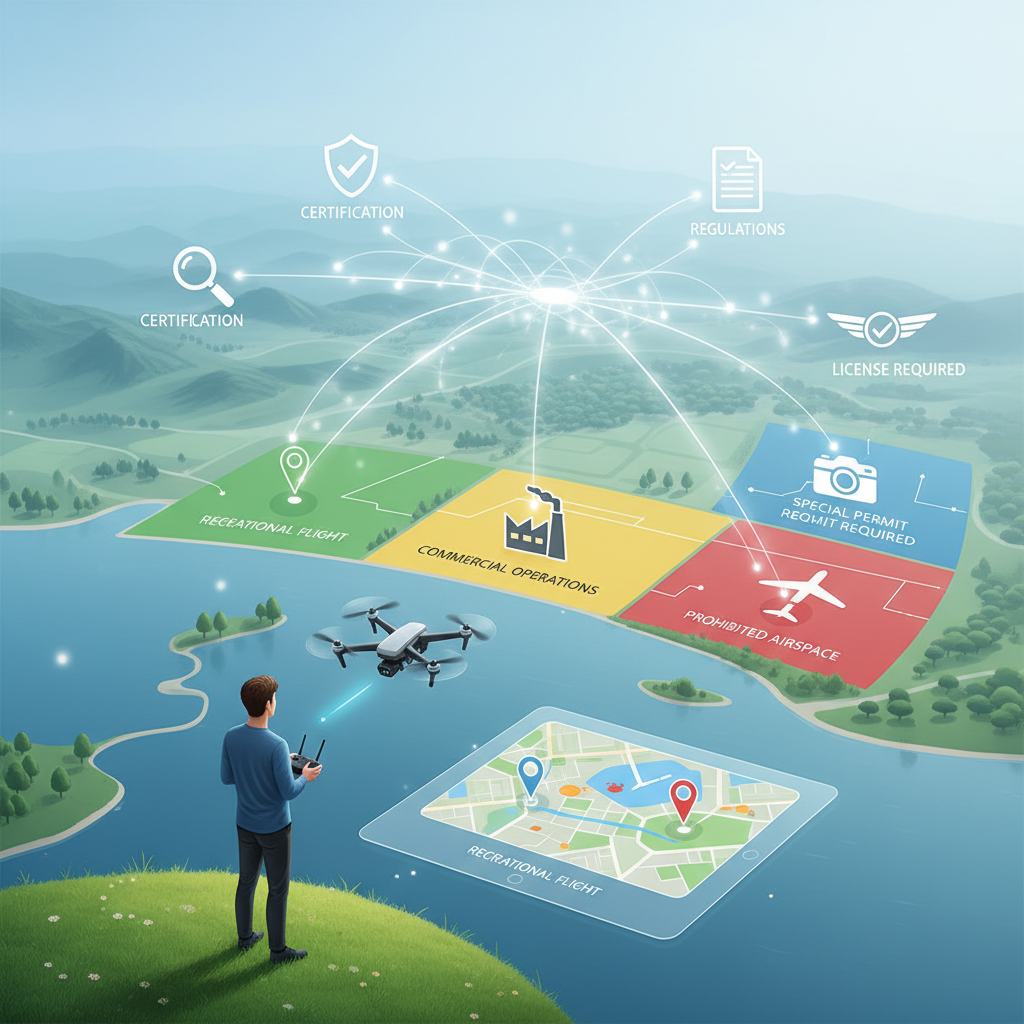
Drone regulations vary significantly across different countries, making it essential for operators to familiarize themselves with local laws and guidelines. In the United States, the Federal Aviation Administration (FAA) oversees drone use, providing clear rules that must be followed. For example, in the U.S., the FAA mandates that all drones used for commercial purposes must be registered and operated by a certified pilot. In contrast, countries like the United Kingdom have their own Civil Aviation Authority (CAA) regulations, which may include different registration requirements and licensing structures.
It’s critical to research and understand the specific regulations applicable in your area, as neglecting to do so can result in hefty fines or legal repercussions. Many countries require drone operators to pass written examinations and obtain specific licenses based on the intended use of the drone, whether for recreational enjoyment or commercial endeavors.
Commercial vs. Recreational Use
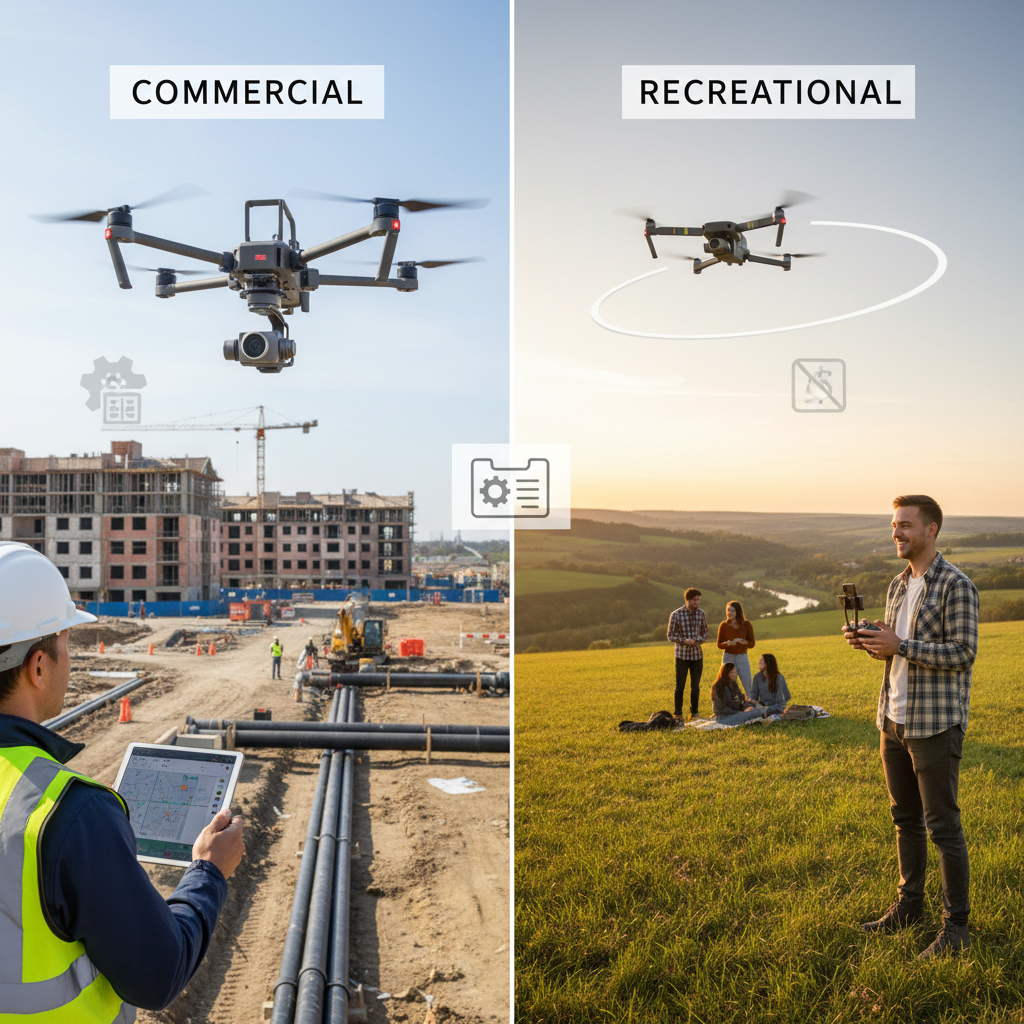
The distinction between commercial and recreational drone use is a pivotal factor in determining whether a license is required. Commercial drone operations—including activities such as aerial photography, surveying, real estate marketing, and agricultural monitoring—mandate a license. In the U.S., for instance, this entails obtaining a Remote Pilot Certificate from the FAA, which involves passing a knowledge test covering regulations, airspace classification, weather, and operational procedures.
Conversely, recreational flying may not require a license unless certain conditions are met. For instance, the FAA allows recreational drone pilots to fly without a license as long as they adhere to specific guidelines, such as keeping the drone within visual line of sight and not exceeding an altitude of 400 feet. However, if your recreational drone exceeds a certain weight (over 0.55 pounds) or if you engage in activities that could be deemed commercial in nature, you may find yourself needing a license after all.
Weight Classifications Matter
Weight classifications play a crucial role in determining the licensing and registration requirements for drone operators. In the United States, drones weighing over 0.55 pounds (250 grams) must be registered with the FAA. This registration is a straightforward process and can be completed online.
However, drones that fall into heavier categories may face stricter licensing requirements. For example, drones weighing more than 55 pounds (25 kilograms) are subject to additional regulations due to their potential to cause significant harm or damage in the event of an accident. These heavier drones typically require not only registration but also compliance with more rigorous safety standards and operational protocols. Understanding the weight classifications of your drone can help ensure that you comply with the necessary regulations and obtain the appropriate licenses.
Special Use Cases
Certain activities and scenarios necessitate special consideration regarding drone licensing. For instance, flying in controlled airspace or near populated areas often requires a specific license due to the increased risks involved. Controlled airspace refers to areas where air traffic is regulated, such as near airports, and operating a drone in these areas typically demands prior authorization from the relevant aviation authority.
Additionally, events like drone races or exhibitions may have unique licensing requirements. Organizers of such events might require participants to possess specific certifications or insurance policies to ensure safety and compliance with local regulations. Understanding the context of your drone use is vital to determine whether additional licenses or permissions are needed.
Steps to Obtain a Drone License
Obtaining a drone license involves several steps, which can vary depending on your country and the type of operation you plan to conduct. In the U.S., the process for obtaining a Remote Pilot Certificate from the FAA includes the following key steps:
1. Familiarize Yourself with Training Requirements: Prospective pilots should seek out training courses that cover FAA regulations, airspace management, and safety protocols. Numerous online and in-person training programs are available.
2. Pass the Knowledge Test: Candidates must pass a written test that evaluates their understanding of essential drone operation principles and regulations. The test is administered at FAA-approved testing centers.
3. Complete the Application Process: After passing the test, you will need to submit an application through the FAA’s Integrated Airman Certification and Rating Application (IACRA) system. This application requires personal information, test results, and acknowledgment of regulatory requirements.
4. Receive Your Remote Pilot Certificate: Once your application is processed and approved, you will receive your Remote Pilot Certificate, allowing you to legally operate drones for commercial purposes in compliance with FAA regulations.
Following these steps will help ensure that you are properly licensed and prepared for safe and legal drone operation.
Consequences of Flying Without a License
Operating a drone without the necessary license can lead to significant consequences, including fines and penalties that can be quite steep. In the U.S., for example, individuals operating drones without a Remote Pilot Certificate can face fines exceeding $1,000 per violation. In addition to financial repercussions, serious cases of illegal drone use may result in criminal charges, especially if the operation poses a threat to public safety or breaches national security.
Furthermore, flying without a license can also lead to the revocation of any existing permits or privileges, making it more difficult to obtain future certifications. Understanding these potential consequences underscores the importance of adhering to local regulations and obtaining the necessary licenses.
Staying Updated on Regulations
Drone regulations are subject to change, and staying informed is crucial for all operators. Continuous education about regulatory updates, technological advancements, and operational best practices is essential for maintaining compliance. Joining drone pilot organizations or forums can provide valuable resources, including access to updated information and community support.
Participating in local drone clubs or online communities can also enhance your knowledge and connect you with experienced pilots who can share insights and advice. Staying engaged with the drone flying community ensures you are aware of any changes in legislation and best practices, allowing you to operate your drone more safely and effectively.
In conclusion, knowing when you need a drone license is critical for safe and legal operation. By understanding the regulations, differentiating between commercial and recreational use, and following the necessary steps to obtain a license, you can ensure compliance and avoid potential penalties. Staying informed about ongoing regulatory changes and participating in the drone community will further enhance your flying experience, allowing you to enjoy your drone responsibly and legally.
Frequently Asked Questions
When do I need a drone license to fly commercially?
You need a drone license to fly commercially when your operations involve any form of compensation, whether monetary or in-kind. In the United States, this typically means you must obtain a Remote Pilot Certificate from the Federal Aviation Administration (FAA) under Part 107 regulations. This certification ensures that you understand the rules and safety requirements for commercial drone usage.
What are the steps to obtain a drone license for recreational flying?
For recreational flying, a drone license is not required; however, you must follow the FAA’s safety guidelines, which include registering your drone if it weighs more than 0.55 pounds and flying below 400 feet. Additionally, you should pass an online safety test and adhere to the community-based guidelines set by organizations like the Academy of Model Aeronautics (AMA). Understanding these requirements can help ensure safe and responsible flying.
Why do I need a drone license if I’m just using it for personal use?
If you are using your drone purely for personal use and not for any commercial purposes, you do not need a drone license. However, it is crucial to register your drone if it weighs more than 0.55 pounds and comply with local laws and regulations concerning airspace and privacy. Safety and responsible flying are essential, even for recreational users, to avoid potential legal issues.
Which types of drone operations require a license?
Operations that require a drone license include any commercial use, such as aerial photography, surveying, mapping, or inspections, where you are compensated or receive any benefit. Additionally, flying in controlled airspace, conducting research projects, or using drones for public service purposes (like firefighting or search and rescue) also necessitates a drone license. Understanding these categories can help you determine when to seek certification.
How can I prepare for the drone license test?
To prepare for the drone license test, you can take advantage of various online courses and study materials specifically designed for the FAA’s Part 107 exam. Familiarizing yourself with topics such as airspace regulations, weather, and drone operations will be beneficial. Additionally, practicing with sample questions and using FAA resources will help solidify your knowledge and boost your confidence before taking the test.
References
- https://en.wikipedia.org/wiki/Drone_license
- https://www.faa.gov/uas/getting_started/part_107/
- https://www.faa.gov/uas/
- https://www.nasa.gov/feature/what-you-need-to-know-about-drone-licenses
- https://www.cnet.com/tech/services-and-software/drone-license-requirements-what-you-need-to-know/
- https://www.nolo.com/legal-encyclopedia/drone-licensing-requirements-29915.html
- https://www.theverge.com/2019/6/10/18660922/drone-licensing-requirements-faa-regulations-what-you-need-to-know
