
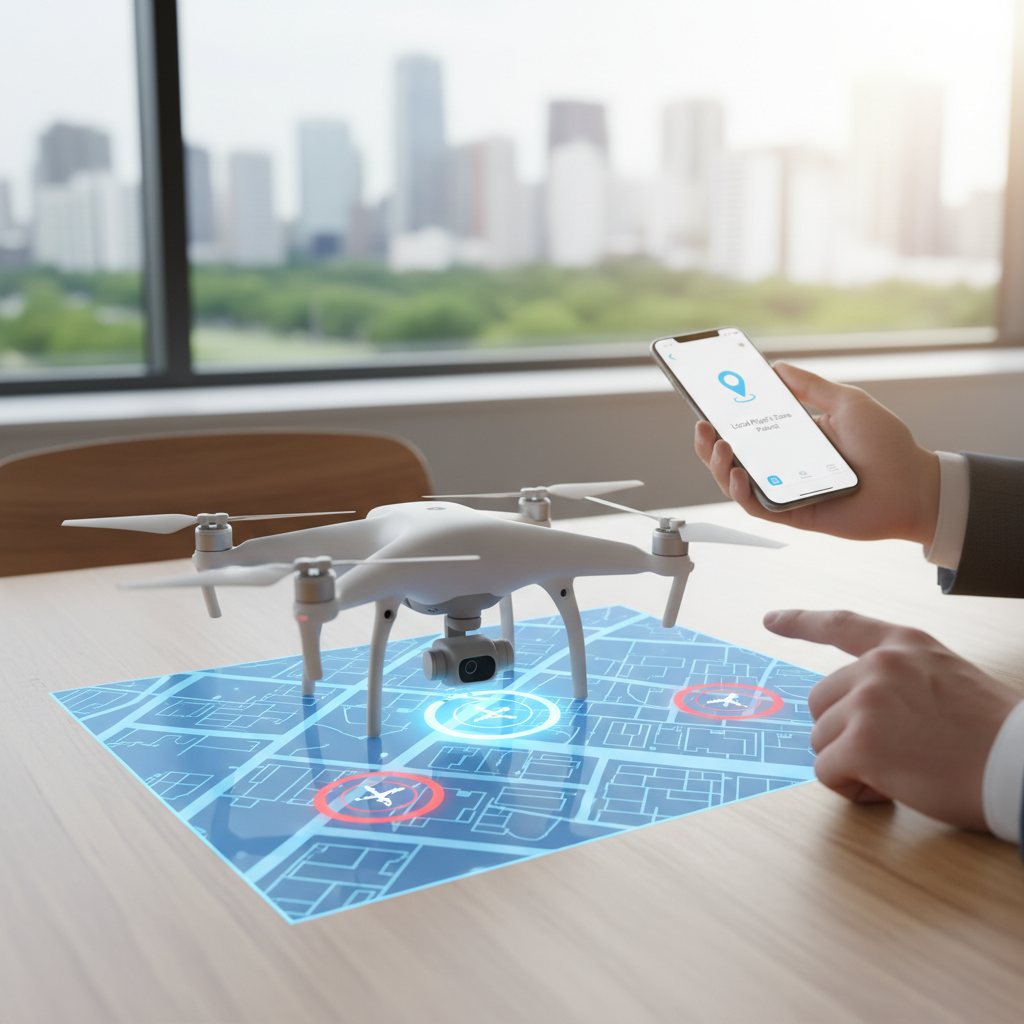
You can fly your drone in various locations, including parks, open fields, and designated flying zones. To ensure a safe and enjoyable experience, it’s essential to know the regulations and suitable areas near you. This guide will help you identify the best places to fly your drone while adhering to local laws, maximizing both your flying experience and compliance with necessary guidelines.
Understanding Local Regulations
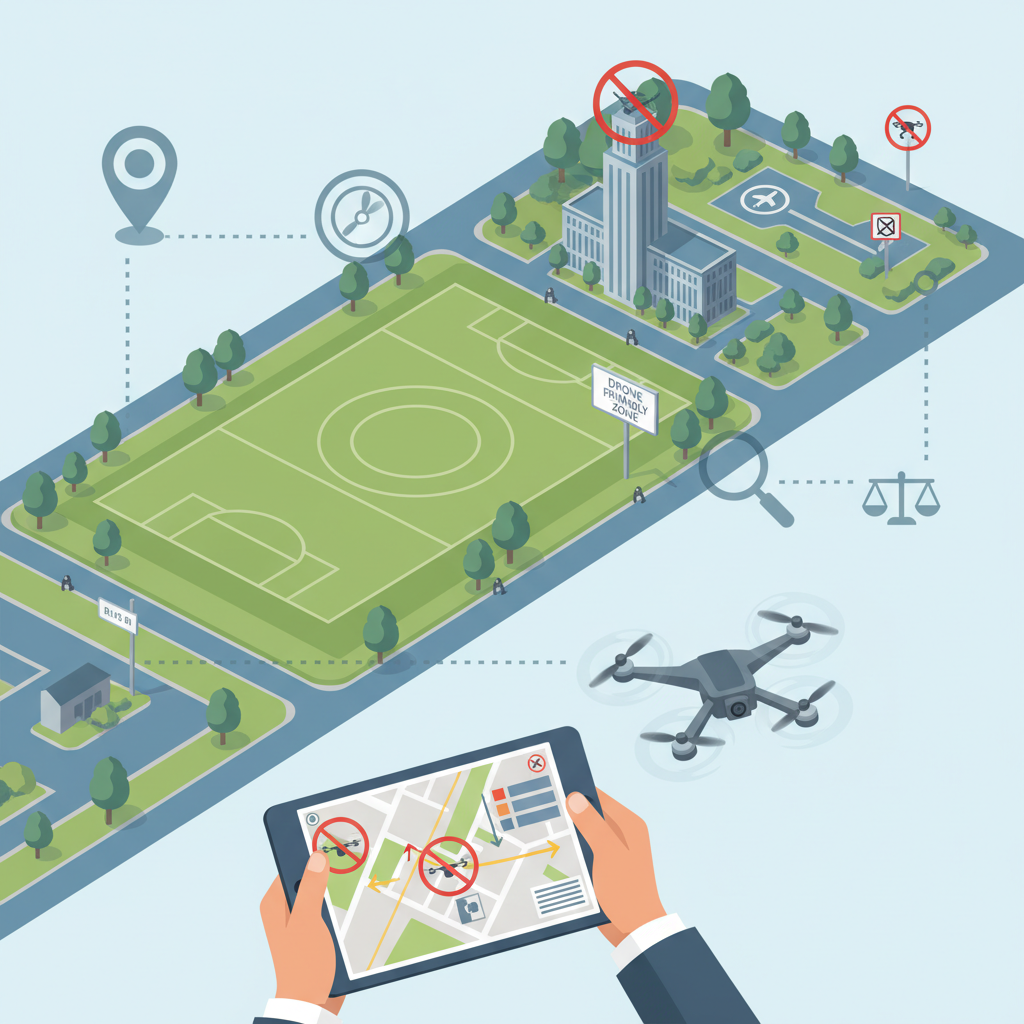
Before taking to the skies, it’s crucial to familiarize yourself with the Federal Aviation Administration (FAA) regulations regarding drone use. The FAA mandates that all drone operators must adhere to specific rules, which include flying below 400 feet, maintaining visual line-of-sight, and avoiding flight near airports or crowded areas. Additionally, you must register your drone if it weighs over 0.55 pounds.
Researching local laws is equally important, as municipalities may impose additional restrictions that could affect where you can legally fly your drone. For example, some cities may have enacted ordinances that restrict drone usage in parks or residential neighborhoods. It is beneficial to check the local government websites or contact community officials to gather this information. Furthermore, certain areas, such as national parks, may have strict no-fly policies, so always ensure you are aware of these specifics to avoid fines or other penalties.
Popular Drone Flying Locations
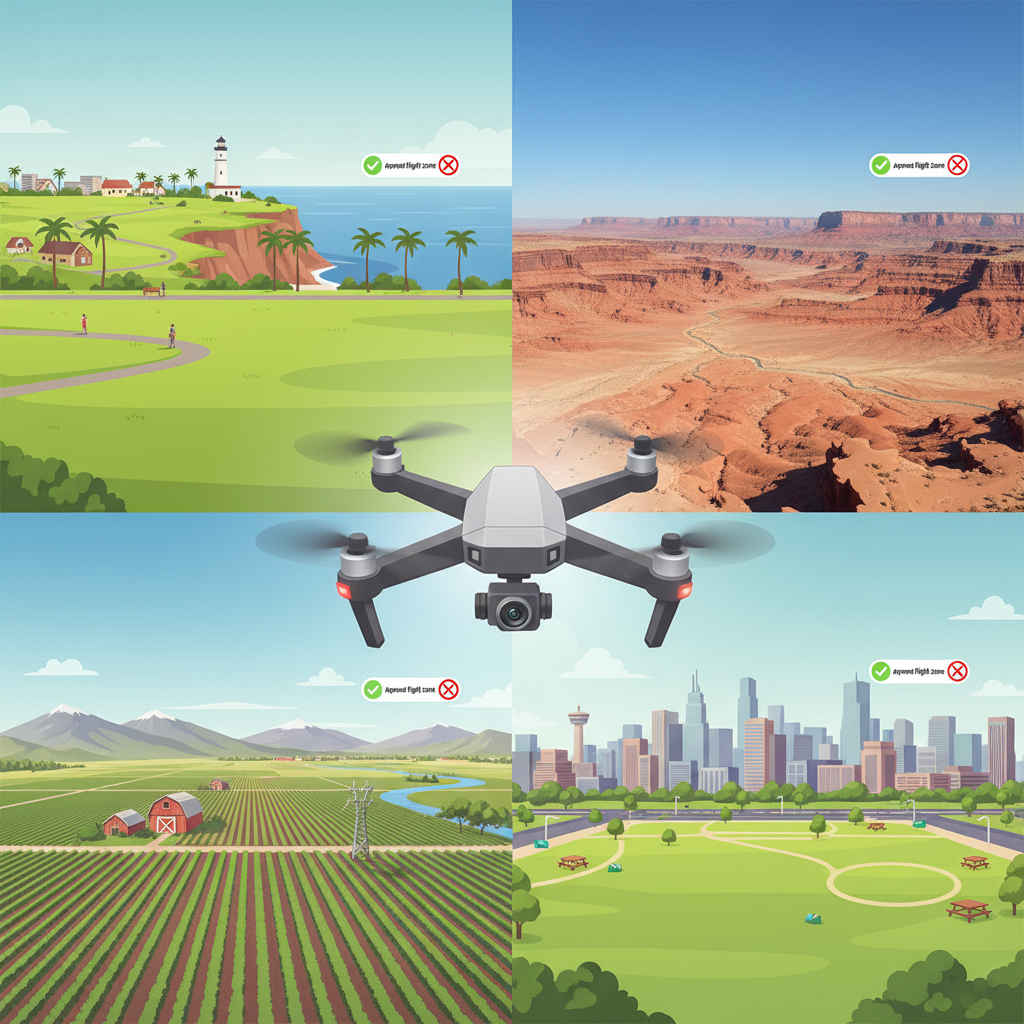
Finding ideal locations to fly your drone can enhance your experience significantly. Many local parks are designed specifically for recreational activities, including drone flying. These parks often provide ample open space, scenic views, and are less likely to be crowded, allowing for a safer flying environment. For instance, parks like Central Park in New York City, while having restrictions, have designated areas nearby that are drone-friendly.
Open fields and nature reserves also make excellent choices. These locations allow for a broader range of flying maneuvers and provide stunning backdrops for photography and videography. State parks, such as the Joshua Tree National Park in California, offer vast expanses of land perfect for drone operation, but be sure to check for specific regulations regarding drone use in these areas. Websites like Airmap or the FAA’s B4UFLY app can help you pinpoint these locations and confirm their status for drone flying.
Using Drone Flight Apps
In the age of technology, leveraging drone flight apps can significantly enhance your flying experience. Applications like DroneBuddy and AirMap are designed to help drone operators identify nearby flying spots and understand airspace restrictions. These apps provide detailed maps highlighting no-fly zones, temporary flight restrictions, and controlled airspace, making it easier for you to plan your flights.
Moreover, these applications often include real-time weather conditions, allowing you to assess whether it’s a good day for flying. Wind speed, precipitation, and visibility can greatly affect your drone’s performance, so having access to current weather data is invaluable. By utilizing these tools, you can make informed decisions about when and where to fly, ensuring both safety and compliance.
Joining Local Drone Communities
Connecting with local drone clubs or online forums can provide invaluable insights and recommendations for great flying spots. These communities are often filled with experienced operators who are eager to share their knowledge and experiences, helping newcomers navigate their local flying environment. Websites like Meetup.com can help you find groups in your area, where you can participate in local events and meetups.
In addition to gaining knowledge about the best flying locations, these groups often organize events, competitions, and training sessions. Participating in these gatherings can enhance your flying skills and introduce you to new friends who share the same passion for drone flying. Through these connections, you may discover hidden gems for flying that you wouldn’t have found on your own.
Safety Tips for Drone Flying
Safety should always be your top priority when flying a drone. Before each flight, perform a thorough pre-flight check to ensure your drone is in good working condition. This includes checking battery levels, ensuring all propellers are secure, and confirming that your camera and other equipment are functioning properly.
It is also crucial to maintain a safe distance from people and property. The FAA recommends keeping your drone at least 25 feet away from individuals and structures, which helps minimize the risk of accidents and legal issues. In crowded areas, consider flying at times when foot traffic is lower or choosing less-populated locations altogether.
Additionally, familiarize yourself with emergency procedures, such as how to safely land your drone in case of a malfunction. Having a plan in place can help you react quickly and effectively to unforeseen circumstances, ensuring a safer flying experience for yourself and those around you.
Respecting Privacy and Wildlife
When flying your drone, it’s essential to be mindful of privacy laws and ethical considerations. Respect the privacy of individuals by avoiding flights over private property without explicit permission. This not only keeps you compliant with regulations but also fosters goodwill within the community.
Furthermore, always be considerate of local wildlife. Many animals can be easily disturbed by the presence of drones, so it’s important to maintain a respectful distance from their habitats. This is especially critical in areas where wildlife conservation is a priority. Understanding the impact of your drone on the environment and its inhabitants is crucial for responsible flying.
In conclusion, there are many great places to fly your drone near you, but it’s vital to stay informed about local regulations and safety guidelines. By understanding the rules, leveraging technology, and connecting with local communities, you can enhance your flying experience while respecting the community and environment. Happy flying!
Frequently Asked Questions
What are the best places to fly my drone near me?
The best places to fly your drone depend on local regulations and available open spaces. Popular spots often include parks, rural areas, and designated drone flying zones. It’s essential to check local laws and restrictions, as many urban areas have specific rules regarding drone usage. Websites like the FAA’s B4UFLY app can help you identify safe flying locations based on your current GPS coordinates.
How can I find drone-friendly locations in my area?
To find drone-friendly locations near you, utilize online resources such as drone community forums, local drone clubs, and apps specifically designed for drone pilots. Websites like AirMap and Hover provide interactive maps that show no-fly zones, airspace restrictions, and recommended flying spots. Additionally, local government websites may have information on parks and recreation areas where drones are permitted.
Why is it important to know where I can legally fly my drone?
Knowing where you can legally fly your drone is crucial to ensure safety and compliance with aviation regulations. Flying in restricted areas, such as near airports or over populated regions, can lead to legal penalties, fines, or even criminal charges. Furthermore, understanding local laws helps protect you from potential accidents and promotes responsible drone flying, which contributes to the overall acceptance of drone technology in your community.
Which apps can help me locate drone flying zones?
Several apps can assist you in locating drone flying zones, including B4UFLY, AirMap, and Drone Buddy. These apps provide real-time information about airspace regulations, no-fly zones, and even weather conditions, enhancing your flying experience. By utilizing these tools, you can confidently plan your flights while ensuring adherence to local laws and regulations.
What should I do if I encounter a no-fly zone while flying my drone?
If you encounter a no-fly zone while flying your drone, it’s essential to immediately land your drone safely and refrain from flying in that area. Always respect the boundaries set for safety and legal reasons. To avoid such situations, make sure to check airspace maps and regulations before planning your flight. If you’re uncertain about the specific rules, consult local authorities or drone flying communities for guidance.
References
- https://www.faa.gov/uas/getting_started/where_to_fly
- https://www.nps.gov/subjects/drones/index.htm
- https://www.dronepilotgroundschool.com/drone-flying-regulations/
- https://www.ustruckingregistry.org/drone-regulations/
- https://www.flylitchi.com/drone-flying-site-finder
- https://www.smithsonianmag.com/innovation/where-you-can-fly-your-drone-in-the-us-180973045/
- https://www.nationalgeographic.com/science/article/drone-flying-where-to-fly-and-where-not-to-fly
