
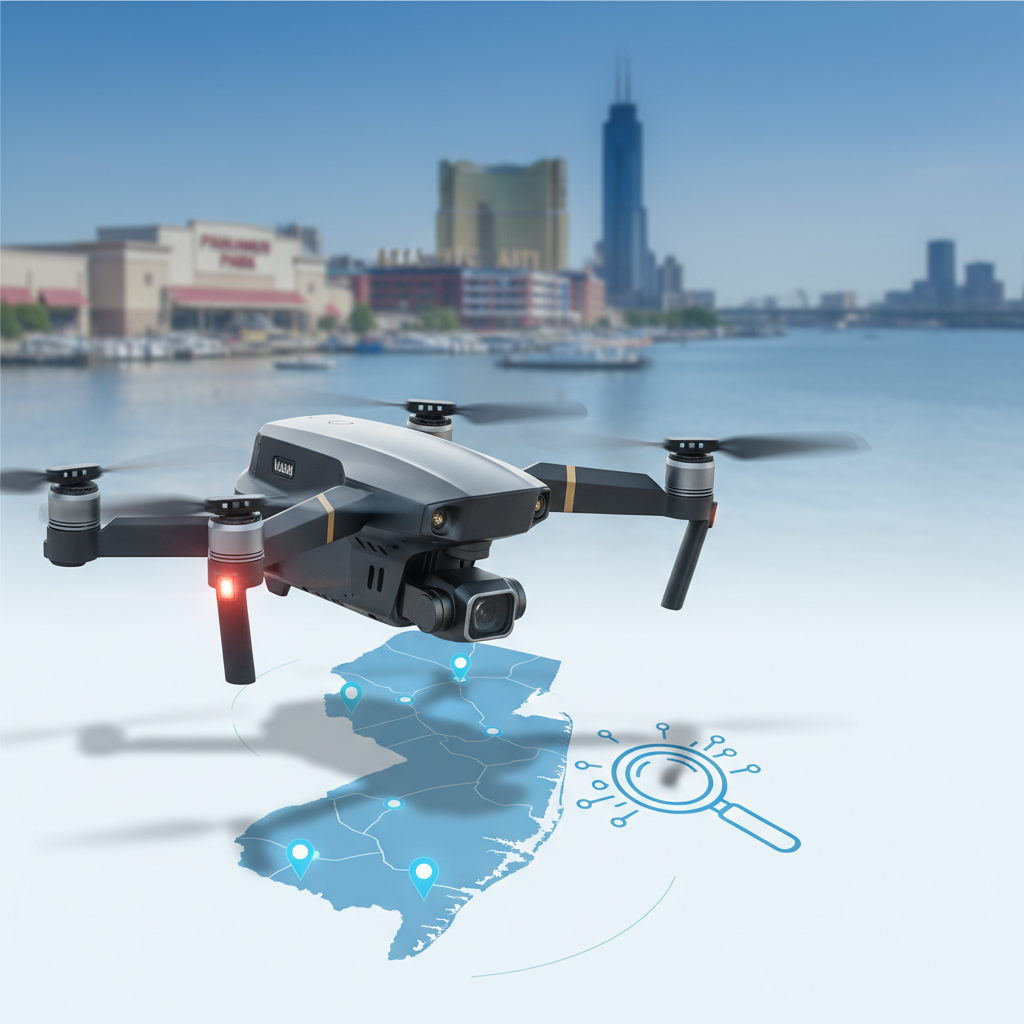
Drones are flown over New Jersey by a diverse array of operators, including hobbyists, commercial enterprises, and law enforcement agencies. This article delves into the various individuals and organizations utilizing drones, their specific purposes, and the regulatory landscape governing drone operations in the state.
Who are the Drone Operators?
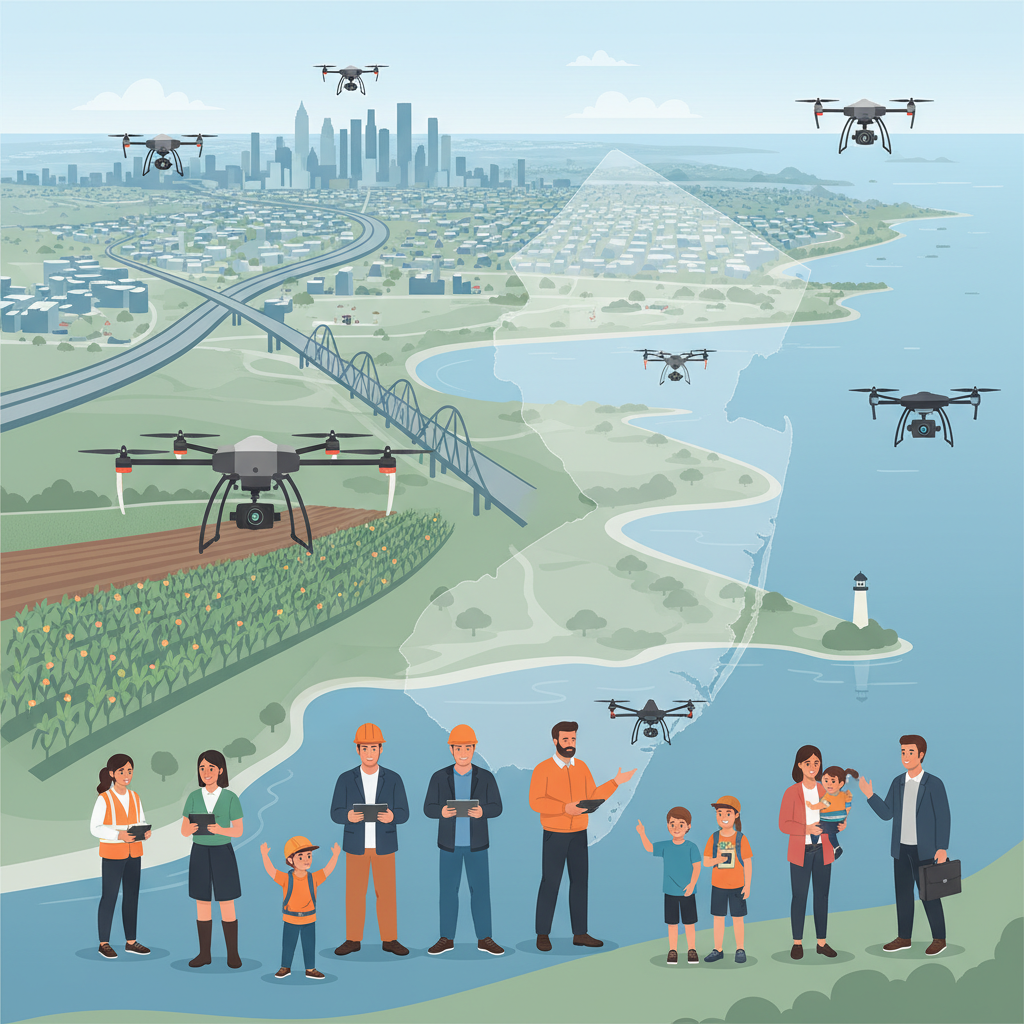
In New Jersey, drone operators range from casual hobbyists who enjoy flying drones for personal recreation and photography to commercial operators leveraging drone technology for business applications.
Hobbyists and enthusiasts often take to the skies for leisure, utilizing drones to capture stunning aerial photographs and videos, explore vast landscapes, or participate in drone racing. Many local clubs and meetups exist where these individuals can share tips, showcase their skills, and connect with like-minded peers. The accessibility of consumer-grade drones has made it easy for anyone to start flying, with models available at various price points and capabilities.
On the commercial side, professional operators employ drones for a range of applications that significantly enhance operational efficiency. For example, real estate agents use drones to produce high-quality aerial imagery that showcases properties from unique perspectives, giving potential buyers a comprehensive view of the surroundings. Similarly, agricultural firms in New Jersey are utilizing drones equipped with specialized sensors to monitor crop health, optimize resource use, and assess land conditions, which can lead to increased yield and reduced expenses.
Law Enforcement and Public Safety Drones
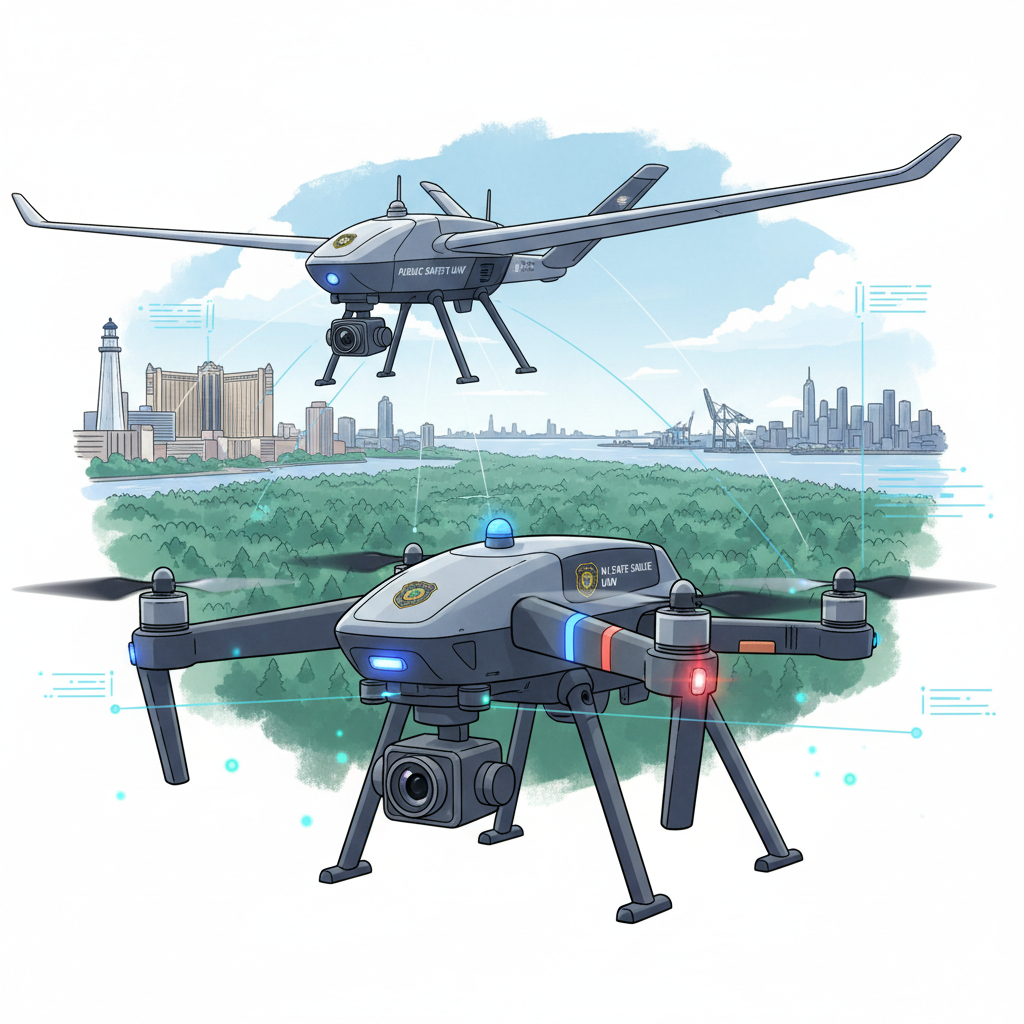
Law enforcement agencies in New Jersey are increasingly adopting drone technology to bolster public safety and operational effectiveness. Police departments are utilizing drones for various purposes, including surveillance, search and rescue operations, and traffic monitoring. Drones offer a bird’s-eye view that can be invaluable in critical situations—such as locating missing persons or assessing the scene of a crime—while also ensuring officer safety by reducing the need for ground-level exposure in potentially dangerous scenarios.
Moreover, fire departments have recognized the advantages of drones in emergency situations. Firefighters can deploy drones equipped with thermal imaging cameras to evaluate fire scenes more effectively, allowing them to determine hotspots and assess the extent of damage. This capability significantly enhances situational awareness, allowing for better strategic planning during emergencies.
Commercial Uses of Drones in NJ
The commercial sector in New Jersey is experiencing a surge in drone usage, driven by technological advancements and an increasing recognition of their benefits. One of the most promising applications is in the delivery services industry, where companies are testing drone technology for package transport. For instance, major retailers and logistics companies are exploring the feasibility of utilizing drones for last-mile delivery, which could revolutionize shipping efficiency and speed.
Construction companies are another key sector benefiting from drone technology. Drones are employed for site inspections, allowing project managers to monitor construction progress, track timelines, and ensure compliance with safety regulations. With the ability to capture detailed aerial imagery and generate 3D models, these tools have become essential in modern construction management.
Regulatory Framework for Drones
The operation of drones in New Jersey is governed by a comprehensive regulatory framework designed to ensure safety and compliance. The Federal Aviation Administration (FAA) oversees national drone regulations, which dictate that all drone operators must adhere to guidelines concerning altitude restrictions, no-fly zones, and registration requirements for certain drone types. Operators must also undergo training and, in many cases, obtain a Remote Pilot Certificate.
In addition to federal regulations, New Jersey has specific state laws and local ordinances that further shape drone usage within its jurisdiction. For example, certain municipalities may have enacted additional restrictions on drone flights over public parks or residential areas to address community concerns. It is crucial for drone operators to familiarize themselves with these regulations to avoid penalties and ensure responsible use of the technology.
Safety and Privacy Concerns
As drone usage becomes more prevalent, concerns regarding safety and privacy have emerged. Many members of the public express apprehension about potential privacy infringements, fearing that drones may invade personal space or collect data without consent. This public sentiment has led to calls for greater transparency and accountability among drone operators, particularly in the commercial and law enforcement sectors.
To mitigate these concerns, drone operators are encouraged to adhere to established safety protocols. This includes maintaining visual line-of-sight with the drone, avoiding crowded areas, and respecting no-fly zones. Additionally, obtaining necessary permissions when operating in sensitive areas can help build community trust and minimize conflicts.
Future Trends in Drone Usage
The future of drone usage in New Jersey is poised for growth, fueled by ongoing innovations in technology. Developments in artificial intelligence and machine learning are opening new avenues for drone applications, such as autonomous flight capabilities and advanced data analysis. These innovations are likely to enhance the efficiency of commercial operations, from agriculture to construction.
Moreover, the integration of drones with other technologies, such as the Internet of Things (IoT), is expected to create sophisticated systems for real-time monitoring and data collection. As companies continue to explore these advancements, we may see an expansion in drone services, including environmental monitoring, infrastructure inspections, and emergency response.
Predictions suggest that drone usage will become more commonplace in New Jersey, with potential regulatory adaptations to accommodate new technologies and applications. As the industry matures, collaboration between public agencies, private operators, and community stakeholders will be crucial in shaping a sustainable and responsible drone ecosystem.
In conclusion, a diverse range of individuals and organizations are operating drones over New Jersey, each with unique purposes and regulatory considerations. From hobbyists capturing breathtaking imagery to commercial operators enhancing efficiency and law enforcement agencies improving public safety, the landscape of drone usage is multifaceted. By understanding who is flying these drones and the associated regulations, we can address community concerns and foster the safe, responsible use of this transformative technology.
Frequently Asked Questions
Who is allowed to fly drones over New Jersey?
In New Jersey, drone operators must comply with both federal and state regulations. The Federal Aviation Administration (FAA) governs airspace and requires drone pilots to either have a Remote Pilot Certificate under Part 107 for commercial use or fly recreationally under the guidelines for hobbyists. Additionally, certain areas may have restrictions, such as near airports or sensitive locations, so it’s crucial for operators to check local laws and airspace maps.
Why are drones flying over my neighborhood in New Jersey?
Drones may be flying over neighborhoods in New Jersey for various reasons, including aerial photography, surveying land, monitoring wildlife, or conducting inspections for construction and infrastructure projects. Some drones are also used by law enforcement for surveillance or search and rescue operations. If you notice frequent drone activity, you might consider checking local news or community forums for information on specific projects or events.
How can I report unauthorized drone activity in New Jersey?
If you suspect unauthorized drone activity in New Jersey, you can report it to local law enforcement or the FAA. Collect as much information as possible, including the time, location, and any photos or videos of the drone. The FAA has a reporting system for unsafe or illegal drone operations, and local authorities can help address any privacy concerns or disturbances caused by the drone.
What are the rules for drone flying in New Jersey parks?
In New Jersey, drone flying in state parks is subject to specific regulations, which may vary by location. Generally, drone pilots are required to follow FAA guidelines and obtain any necessary permits from park authorities. Some parks may have restrictions or bans on drone usage to protect wildlife and ensure visitor safety, so it’s essential to check the specific rules for each park before flying.
Which drones are popular for recreational use in New Jersey?
Popular drones for recreational use in New Jersey include models from brands like DJI, such as the Mavic Mini and the Air 2, known for their user-friendly features and excellent camera quality. Other options include the Parrot Anafi and the Autel Robotics EVO Lite, which offer portability and advanced photography capabilities. When choosing a drone, consider factors like flight time, ease of use, and camera specifications to find the best fit for your needs.
References
- https://www.nj.gov/dep/airmon/air-monitoring.html
- https://www.nj.gov/state/aviation/drones.shtml
- https://www.nj.gov/state/police/news/release/2020/20201201.shtml
- https://www.nytimes.com/2021/06/14/nyregion/drone-regulations-new-jersey.html
- https://www.nj.com/news/2020/06/new-jersey-drone-law-could-be-signed-into-law.html
- https://www.reuters.com/article/us-usa-drones-new-jersey-idUSKBN2A40B9
