
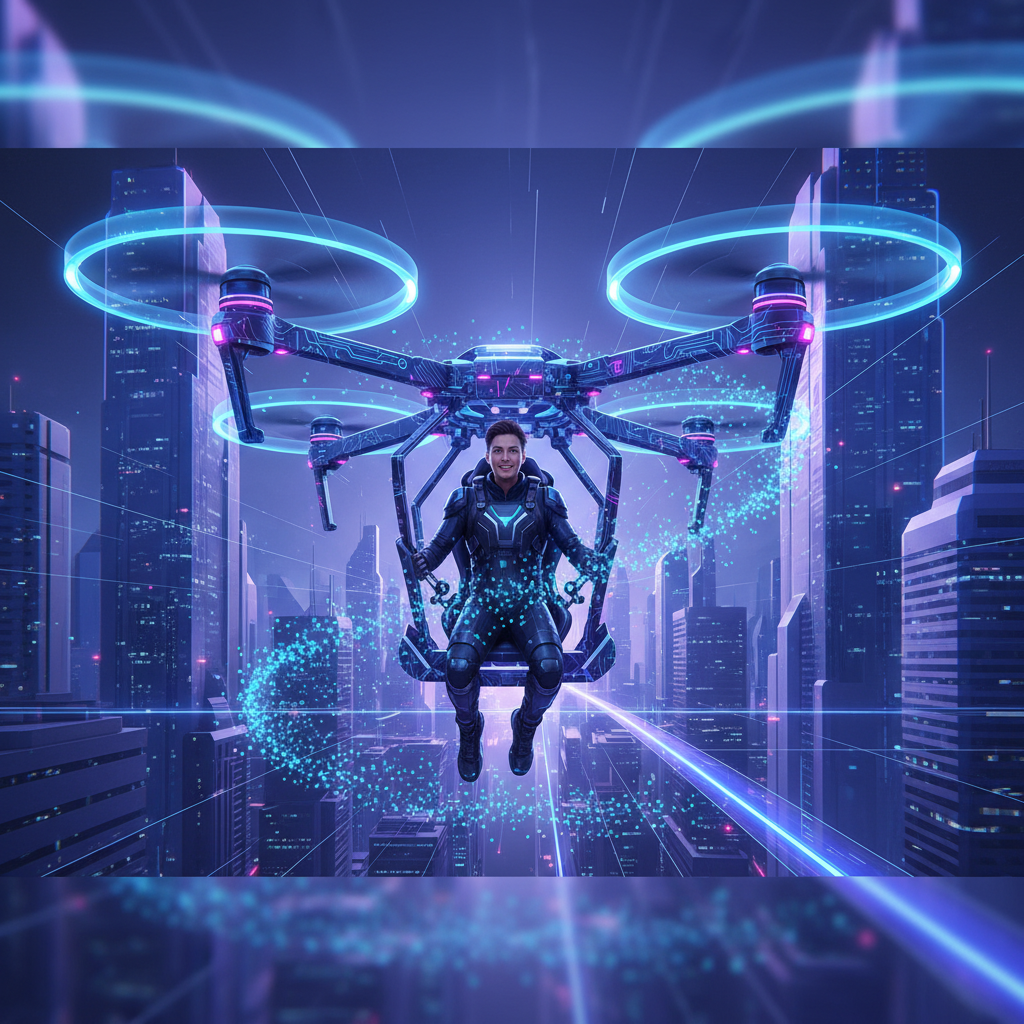
The future of personal air travel is being shaped by the development of drones capable of carrying passengers, marking a revolutionary shift in urban transportation. As advancements in technology and design continue to emerge, these personal aerial vehicles offer a promising solution to the challenges of urban congestion, potentially transforming how we navigate our cities.
Understanding Personal Drones
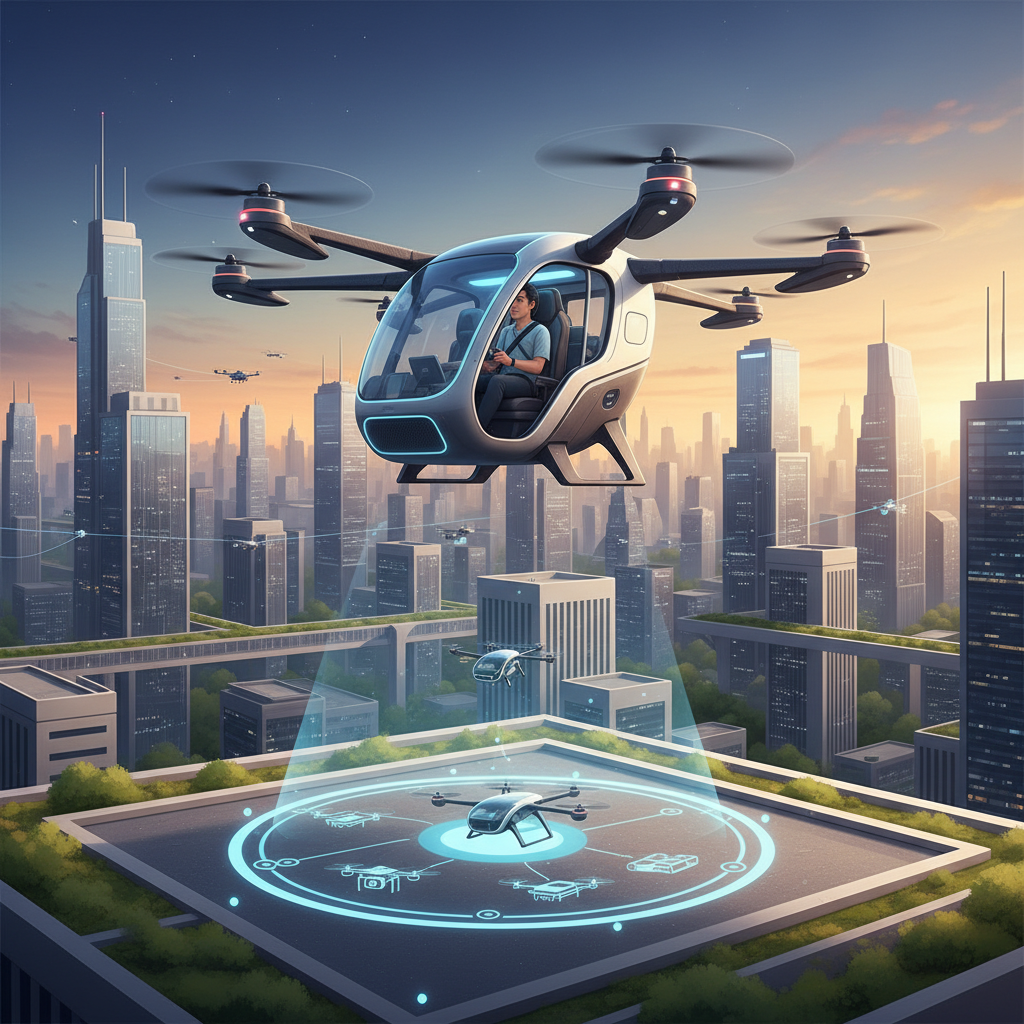
Personal drones, often referred to as passenger drones or air taxis, are unmanned aerial vehicles designed to transport individuals safely across urban landscapes. Unlike traditional drones primarily used for photography or delivery, personal drones are engineered with enhanced safety features and passenger comfort in mind. These vehicles utilize cutting-edge technology, including electric propulsion systems and autonomous navigation capabilities, to ensure a smooth and efficient flight experience. With the capacity to carry one or more passengers, they aim to redefine personal mobility, particularly in densely populated areas where ground transportation is often hindered by traffic.
The technology behind these passenger-carrying drones primarily involves electric Vertical Take-Off and Landing (eVTOL) systems. These systems enable the drones to take off and land vertically, making them ideal for urban environments where space is at a premium. As battery technology advances, the range and efficiency of these drones continue to improve, paving the way for practical applications in personal air travel.
Key Players in the Industry
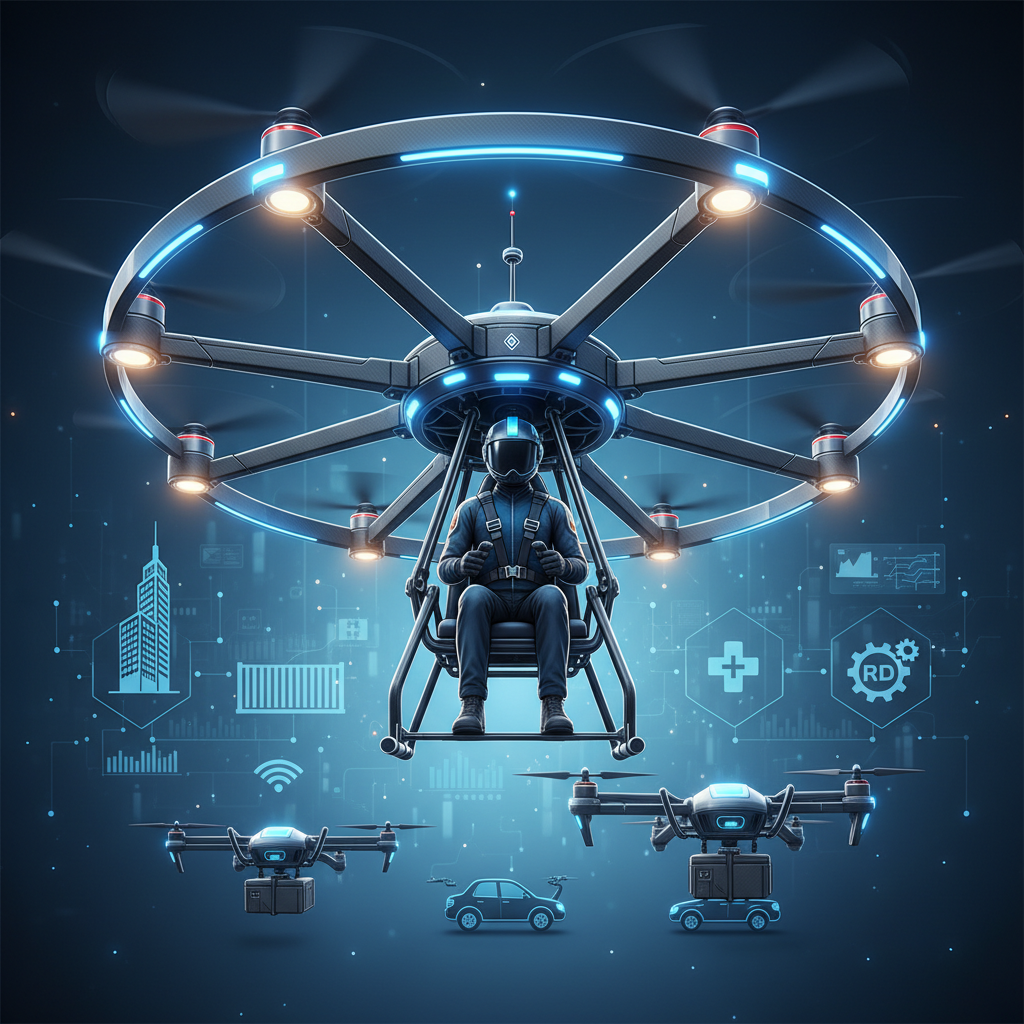
Several companies are at the forefront of developing personal drones, each contributing unique innovations and designs. Ehang, a Chinese company, has gained significant attention with its Ehang 216, an autonomous aerial vehicle designed for air taxi services. This drone can carry up to two passengers and is equipped with a range of safety features, making it a strong contender in the emerging market.
Another notable player is Joby Aviation, which has developed a fully electric air taxi capable of traveling up to 150 miles on a single charge. With a maximum speed of 200 mph, Joby’s aircraft is designed for efficiency and comfort, featuring a spacious cabin and noise-reduction technology. Other companies, such as Volocopter and Archer Aviation, are also innovating in this space, each offering distinct models tailored to specific market needs.
The specifications of these drones vary widely, but common features include multiple rotor systems for redundancy, advanced navigation systems, and robust safety measures that comply with aviation regulations. As competition in the sector intensifies, we can expect further advancements and increased performance across various models.
Safety Regulations and Standards
As personal drones emerge, the establishment of safety regulations and standards is paramount. Currently, aviation authorities such as the Federal Aviation Administration (FAA) in the United States and the European Union Aviation Safety Agency (EASA) are working to create frameworks that ensure the safe operation of passenger drones in urban airspace.
Regulations focus on several key factors, including pilot certification, airworthiness standards, and operational limitations. Safety measures implemented in drone designs include redundant systems that can take over in case of a malfunction, advanced collision avoidance technologies, and strict adherence to air traffic control protocols. These measures aim to ensure that passenger drones operate safely alongside traditional aircraft and other vehicles in crowded urban environments.
Additionally, public acceptance of personal drones hinges on perceived safety. Transparent communication regarding safety protocols and successful test flights will be crucial to gaining the trust of potential passengers.
The Technology Behind Passenger Drones
The propulsion systems employed in passenger drones are primarily based on electric motors, which provide a cleaner and more efficient means of flight compared to traditional combustion engines. These electric Vertical Take-Off and Landing (eVTOL) systems leverage advanced battery technology and lightweight materials to optimize performance and energy consumption.
Navigation and control systems are equally vital for safe flight operation. Most passenger drones utilize a combination of GPS, inertial navigation systems, and sophisticated software algorithms to ensure precise positioning and route planning. Autonomous flight capabilities allow these drones to navigate complex urban environments while adhering to safety regulations. Some designs incorporate remote piloting options for added safety, allowing human operators to take control if necessary.
Potential Applications of Passenger Drones
The rise of passenger drones has the potential to significantly impact urban air mobility, offering a solution to the congestion that plagues major cities. These drones could provide a rapid mode of transportation, drastically reducing travel times and easing pressure on ground transit systems. Urban air mobility could help connect underserved areas with major urban centers, fostering economic growth and accessibility.
Beyond personal transportation, passenger drones hold promise in emergency services and medical transport. For instance, they could be deployed to deliver medical supplies to remote areas or transport patients quickly in critical situations. As the technology matures, the applications for passenger drones will continue to expand, offering innovative solutions across various sectors.
Challenges Facing the Industry
Despite the exciting potential of passenger drones, several challenges remain. Technically, creating drones that are not only safe but also reliable and efficient is a significant hurdle. Battery technology must advance to provide longer flight times and faster charging capabilities, while the integration of drones into existing airspace poses logistical challenges.
Regulatory hurdles also present obstacles, as authorities work to develop frameworks that accommodate this new mode of transport. Public acceptance is another critical factor; concerns about noise, safety, and privacy may hinder widespread adoption. Additionally, the environmental impact of drone operations must be considered, especially in terms of energy consumption and potential wildlife disruption.
The Future of Personal Air Travel
The passenger drone market is poised for substantial growth in the coming years. Industry analysts predict that by 2030, the market could be worth billions, driven by technological advancements and increasing urbanization. As companies continue to innovate and refine their products, we can expect a broader acceptance of personal air travel.
Integration with existing transportation systems will be crucial for the successful implementation of passenger drones. Collaboration with public transit agencies and urban planners will ensure that these aerial vehicles complement ground transport, creating a seamless experience for users. With ongoing advancements and regulatory clarity, the dream of personal air travel through drones may soon become a reality.
As the technology for drones capable of carrying people continues to evolve, it signifies a transformative shift in how we think about travel and urban mobility. Keeping an eye on developments in this field could reveal exciting opportunities in the near future, reshaping our landscapes and redefining the way we move.
Frequently Asked Questions
What are the current regulations for drones that can carry a person?
Regulations for passenger-carrying drones vary by country and region. In the United States, the Federal Aviation Administration (FAA) requires that these drones comply with Part 135 for commercial operations, ensuring safety and airworthiness. Additionally, operators must obtain special pilot certifications and adhere to specific operational guidelines. Always check with local aviation authorities for the most current regulations, as this technology is rapidly evolving.
How much does a passenger-carrying drone cost?
The cost of a passenger-carrying drone can range significantly based on its design, features, and manufacturer. Entry-level models may start around $200,000, while advanced, fully operational eVTOL (electric vertical takeoff and landing) aircraft could exceed $1 million. Factors such as technology, range, payload capacity, and regulatory compliance also influence pricing, making it crucial for potential buyers to assess their specific needs and budget.
Why are drones that can carry people considered the future of transportation?
Drones that can carry people, also known as eVTOL aircraft, are seen as the future of transportation due to their potential to alleviate urban congestion and reduce travel times. They offer a new dimension of mobility, especially in densely populated areas where traditional road infrastructure is strained. Additionally, advancements in battery technology and automation are making these vehicles more efficient and accessible, aligning with the global shift towards sustainable transport solutions.
What are the safety concerns associated with drones that can carry a person?
Safety concerns for passenger-carrying drones include potential mechanical failures, mid-air collisions, and cybersecurity threats. Manufacturers are addressing these issues through advanced redundancy systems, rigorous testing, and adherence to strict aviation safety standards. Furthermore, public acceptance and regulatory frameworks are crucial in ensuring the safe integration of these drones into existing air traffic systems, which remains a priority for developers and authorities alike.
Which companies are leading the development of person-carrying drones?
Several companies are at the forefront of developing person-carrying drones, including Joby Aviation, Volocopter, and Archer Aviation. These innovators are focusing on creating eVTOL aircraft that prioritize safety, efficiency, and user experience. Additionally, major aerospace manufacturers like Boeing and Airbus are investing in this technology, indicating strong industry interest and the potential for widespread adoption in the near future.
References
- https://en.wikipedia.org/wiki/Passenger_drone
- https://www.bbc.com/news/technology-55489627
- https://www.reuters.com/technology/flying-taxis-are-here-2021-05-06/
- https://www.sciencedirect.com/science/article/pii/S2352864821000861
- https://www.nasa.gov/aeroresearch/technology/urban-air-mobility
- https://www.theguardian.com/technology/2021/jun/29/aerial-taxis-how-they-will-change-urban-transport
- https://www.wired.com/story/flying-car-drone-technology/
- https://www.nytimes.com/2021/05/18/business/flying-taxis.html
