
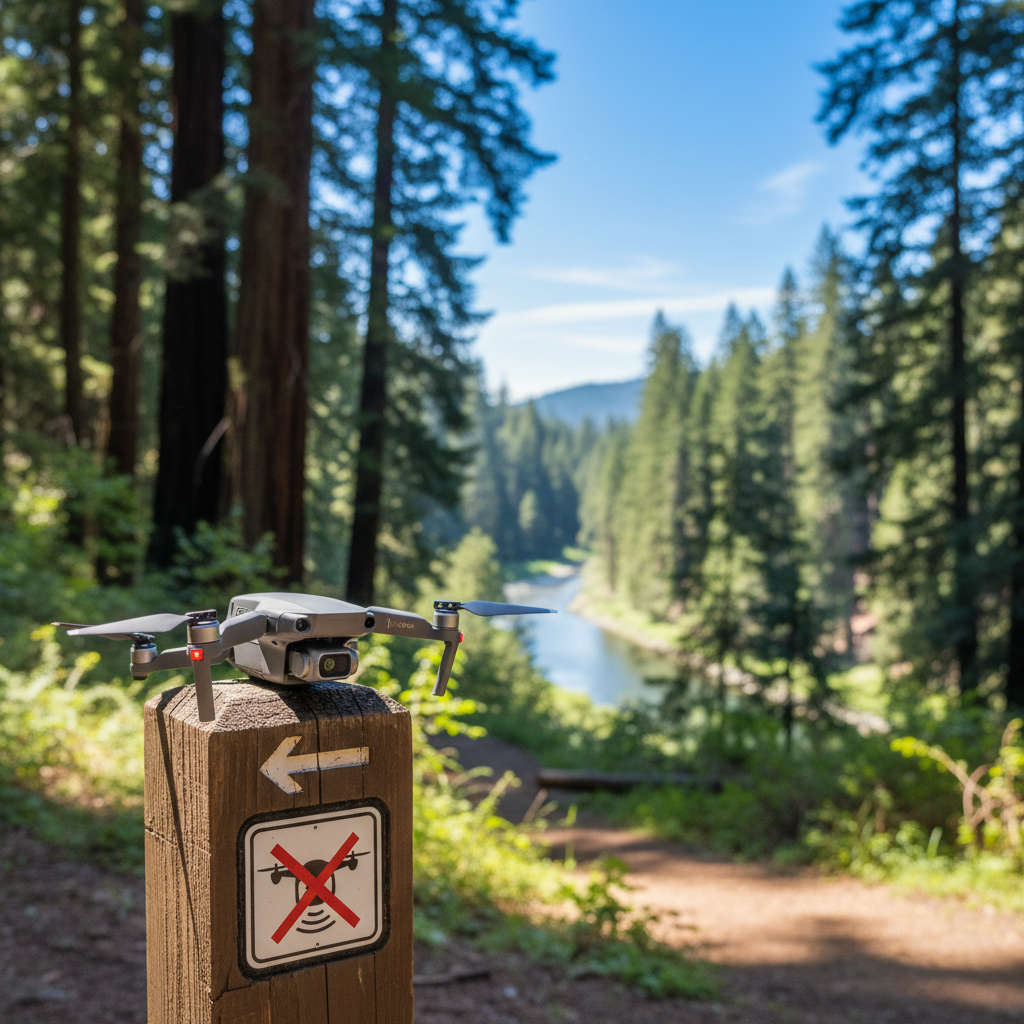
Yes, you can fly a drone in some state parks, but regulations vary widely depending on the specific park and state laws. With the increasing popularity of drone photography and recreational flying, many state parks have developed regulations to manage their use. Understanding these rules is crucial to ensure compliance, protect wildlife, and preserve the natural environment.
Understanding State Park Regulations
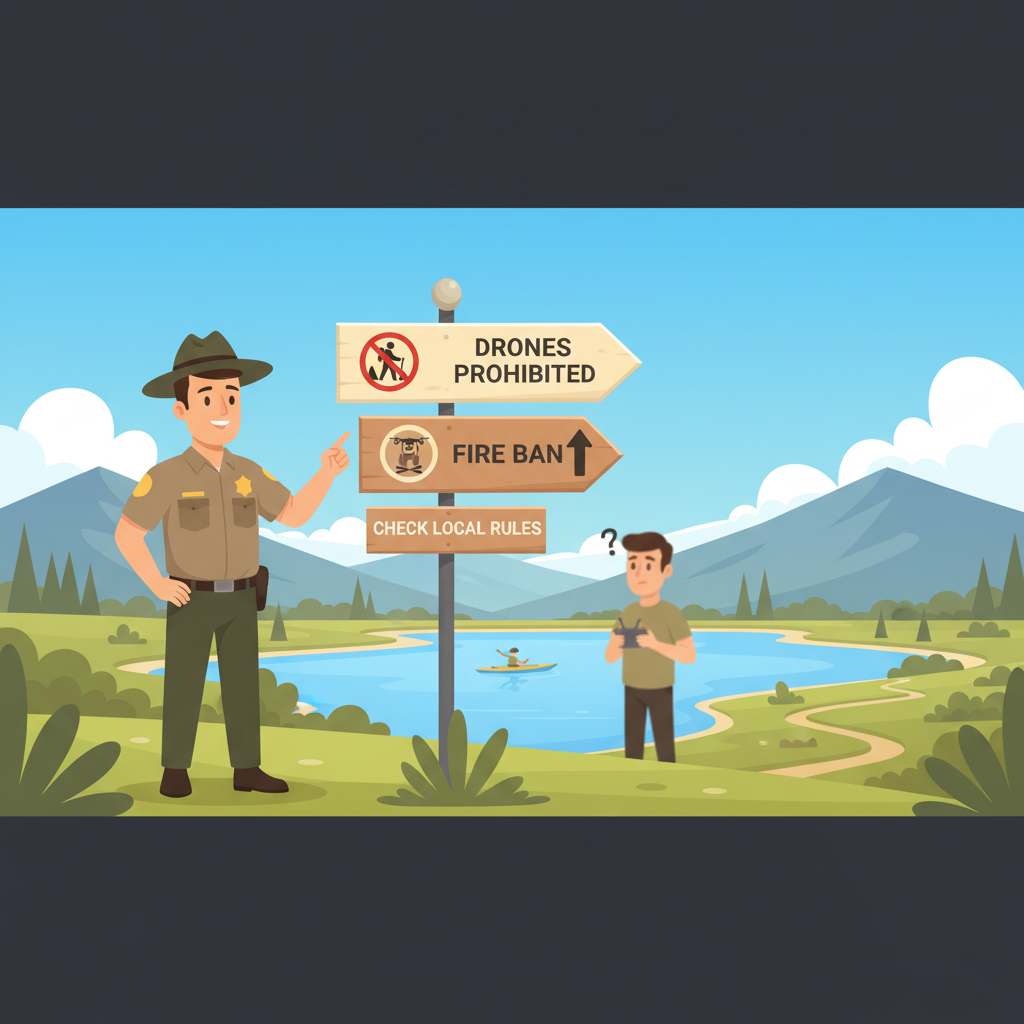
Each state park has its own set of rules regarding drone usage, which can lead to confusion for drone operators. Generally, these regulations are established to ensure safety and protect the natural resources within the park. For instance, some parks may allow drone usage in designated areas but require permits for operation. In contrast, others may have outright bans on drone flights due to the potential for disturbances to wildlife and visitors.
For example, the California State Parks system has varied regulations across its parks. In some parks like the Anza-Borrego Desert State Park, drone use is prohibited entirely, while in others, such as the Joshua Tree National Park, limited drone flying is allowed with a permit. It’s essential for drone pilots to check the specific regulations of the state park they plan to visit before attempting to fly.
Federal Guidelines on Drones
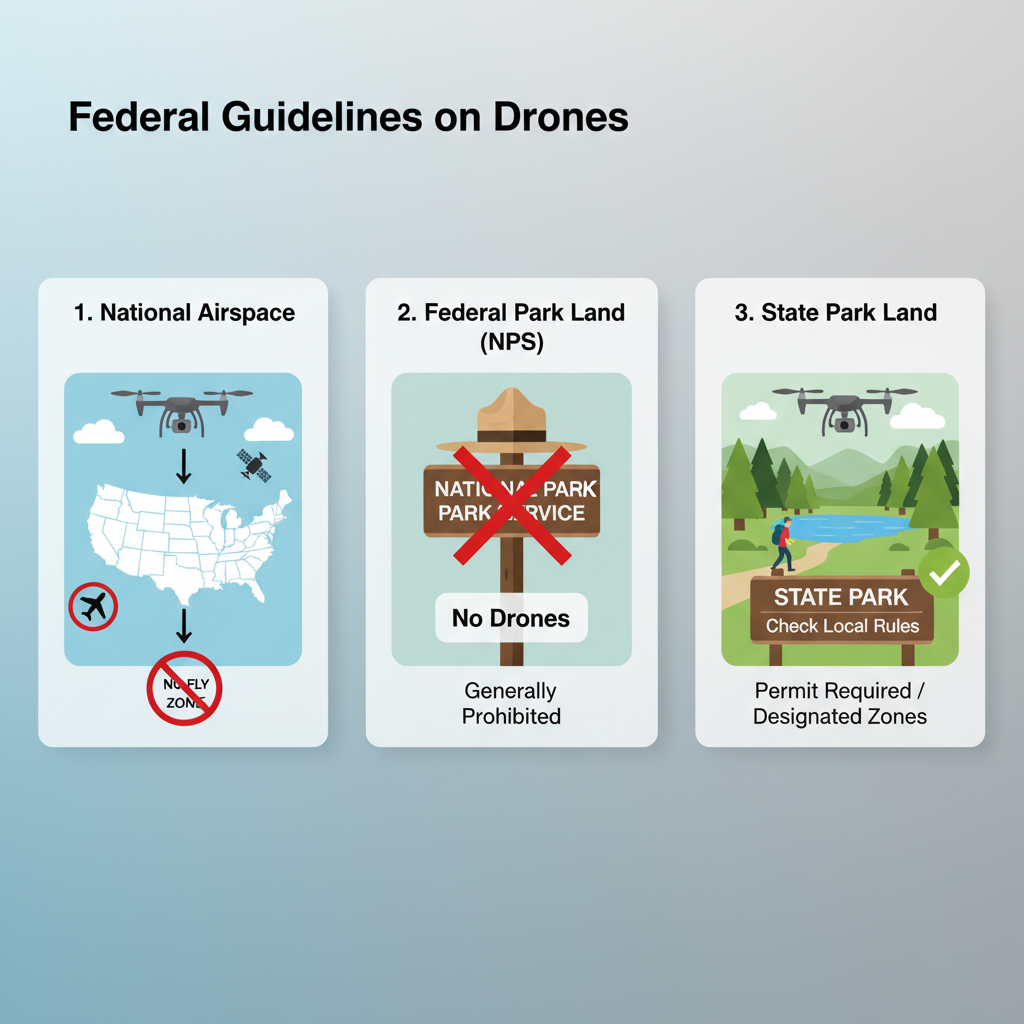
The Federal Aviation Administration (FAA) plays a significant role in regulating airspace, including drone operations in national parks and state lands. Pilots must adhere to the FAA’s Part 107 rules when flying commercially, which requires obtaining a remote pilot certificate and following strict operational guidelines. For recreational users, the FAA outlines specific guidelines that include flying below 400 feet, maintaining visual line of sight, and avoiding restricted airspace.
Moreover, the FAA has imposed restrictions on flying drones in certain national parks, which can be informative for state park regulations. Consequently, understanding FAA regulations is crucial when planning to fly a drone in any park setting, as state regulations often align with federal guidelines to ensure consistency in drone management.
Environmental Considerations
Drones can disturb wildlife, particularly during nesting seasons when disturbances can have detrimental effects on animal populations. For example, the sound and presence of a drone can cause stress in birds, leading to abandonment of nests or disruption of feeding behaviors. Therefore, it’s crucial for drone pilots to maintain a respectful distance from wildlife and their habitats while flying.
Many state parks emphasize the importance of protecting natural environments and wildlife through educational campaigns. For instance, in the Great Smoky Mountains National Park, authorities encourage visitors to avoid flying drones near sensitive habitats, especially during peak nesting periods. Pilots should familiarize themselves with the wildlife present in the park and adjust their flying habits accordingly to minimize any potential disturbances.
Safety Protocols for Drone Operators
Safety should always be a priority for drone operators, especially in busy environments such as state parks. Pilots should always fly their drones below 400 feet and maintain visual line of sight to ensure they remain aware of their surroundings. This practice helps avoid collisions with other aircraft, trees, or park visitors.
Furthermore, operators should be cognizant of their surroundings and the presence of other visitors and park staff. Drones can be noisy and intrusive, which may detract from the experiences of others enjoying the park. Being considerate and maintaining awareness can enhance the experience for both the operator and fellow park-goers.
Additionally, before flying, it’s wise to conduct a pre-flight inspection of the drone to ensure it is in good working condition. Familiarizing oneself with the specific flying area, including potential hazards like power lines or air traffic, is also essential for safe drone operation.
Obtaining Necessary Permits
Before flying a drone in a state park, it’s imperative to research the specific park’s website for any required permits and application processes. Some parks offer online applications for permits, which can streamline the process, while others may necessitate in-person visits or phone calls for more information.
For instance, in Virginia’s state parks, operators are required to obtain a special use permit for drone operations, which can be acquired through an online application process. This not only ensures compliance with park regulations but also provides an opportunity for park authorities to monitor drone usage and its impact on the environment. Failure to obtain the necessary permits can result in fines or removal from the park.
Best Practices for Responsible Drone Flying
To ensure a positive experience for all, drone operators should adhere to best practices for responsible flying. Flying during designated hours, typically early in the morning or late in the afternoon, can minimize disturbances to wildlife and other park visitors. Additionally, avoiding flight paths over large groups or sensitive areas, such as water bodies or wildlife nesting sites, is crucial.
Following the Leave No Trace principles is also essential for responsible drone flying. This includes minimizing noise pollution, avoiding littering, and respecting the natural environment. By practicing these principles, drone operators can enjoy their hobby while contributing to the conservation of the beautiful landscapes and ecosystems within state parks.
In summary, flying a drone in a state park can be permissible, but it is vital to research and follow specific regulations and guidelines for each location. By understanding park regulations, adhering to federal guidelines, considering environmental impacts, prioritizing safety, obtaining necessary permits, and following best practices, drone pilots can enjoy their flying experience responsibly. Always prioritize safety and environmental respect to ensure a rewarding and compliant experience in these cherished natural settings.
Frequently Asked Questions
Can I fly a drone in a state park without permission?
Flying a drone in a state park typically requires permission, as many state parks have specific regulations governing drone use. You should always check the park’s official website or contact park authorities to learn about any restrictions or required permits. Ignoring these regulations could lead to fines or being banned from the park.
What are the general rules for flying a drone in state parks?
The general rules for flying a drone in state parks often include flying below a certain altitude, maintaining visual line-of-sight, and not flying over crowds or wildlife. Additionally, many parks prohibit drone use in designated areas to protect wildlife habitats and ensure visitor safety. Always review the specific rules for the state park you plan to visit, as regulations can vary widely.
Why are drones restricted in state parks?
Drones are restricted in state parks primarily to protect wildlife, preserve natural habitats, and ensure the safety and enjoyment of all visitors. The noise and presence of drones can disturb animals, particularly during sensitive breeding periods. Furthermore, the potential for accidents in crowded areas makes it crucial to enforce regulations on drone use.
How can I find out if a specific state park allows drone flying?
To find out if a specific state park allows drone flying, visit the park’s official website or contact the park’s visitor center directly. Many state parks provide detailed information about their policies on drone use, including any required permits or designated flying zones. Additionally, you can check local drone regulations, as state laws may also impact drone operations in parks.
What are the best practices for flying a drone in a state park?
The best practices for flying a drone in a state park include respecting park boundaries, flying at a safe altitude, and avoiding wildlife and large crowds. Always carry a map of the area to ensure compliance with no-fly zones and abide by FAA regulations. Being courteous to other visitors and minimizing noise pollution will also enhance everyone’s experience in the park.
References
- https://www.nps.gov/subjects/drones/index.htm
- https://www.faa.gov/uas
- https://www.jstor.org/stable/10.5325/jdrone.1.1.0001
- https://www.audubon.org/news/can-you-fly-drone-national-parks
- https://www.doi.gov/ppa/drones-in-parks
- https://www.wildlife.org/publications/technical-reports/drone-use-in-wildlife-research-and-management
- https://www.nps.gov/subjects/drones/rules-and-regulations.htm
