
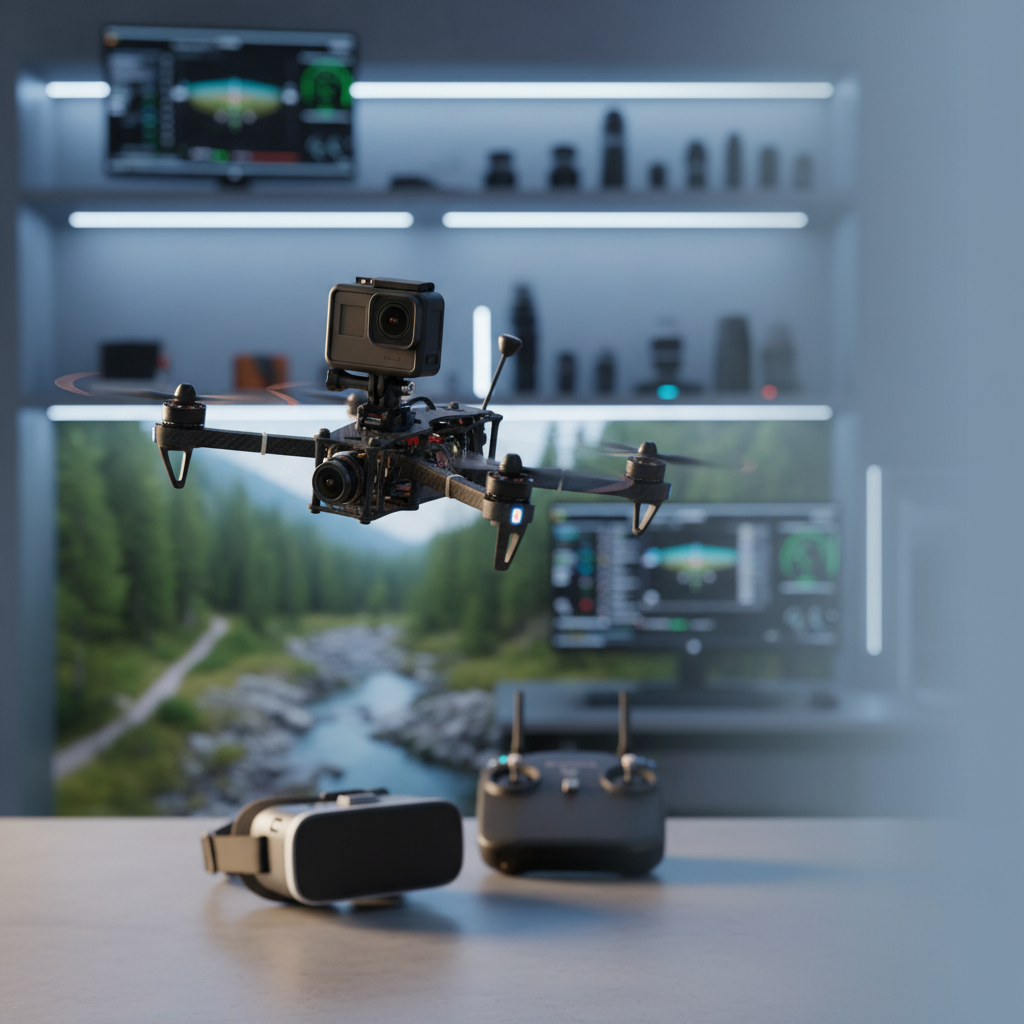
Yes, you can use a GoPro as a camera for FPV (First Person View) drones, and many enthusiasts do so for its high-quality video capabilities. The integration of a GoPro into an FPV system can elevate your aerial footage, providing exceptional clarity and stabilization. However, several considerations must be addressed, including weight, mounting solutions, and battery life, to ensure optimal performance and compliance with regulations.
Understanding FPV Drone Systems
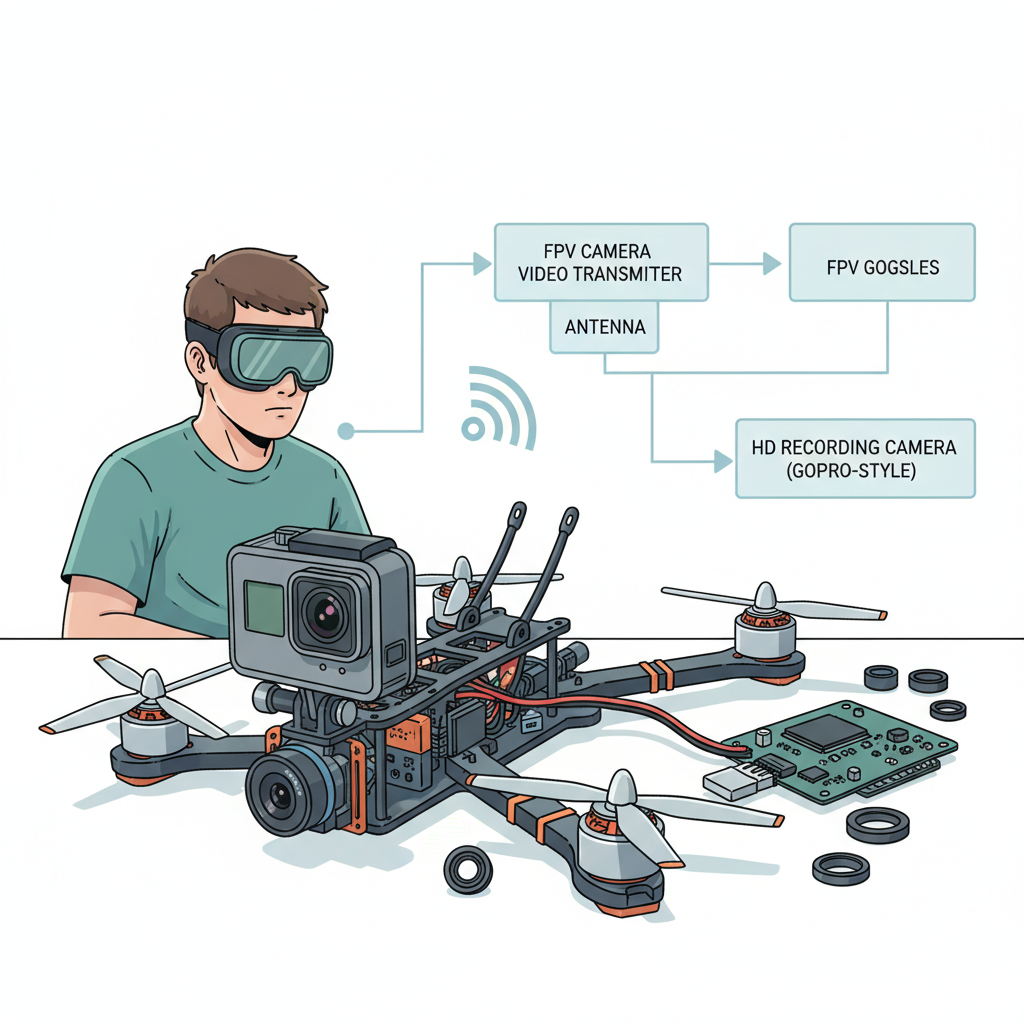
FPV drones are designed to transmit live video feeds from the drone’s camera to the pilot, allowing for an immersive flying experience. This real-time perspective is crucial for navigating and capturing footage. When integrating a GoPro, it is essential to understand the underlying mechanics of video transmission, as well as the impact of the camera’s weight on the drone’s performance. The added weight of a GoPro can influence flight dynamics, necessitating careful consideration of the drone’s specifications and capabilities. Additionally, understanding the video transmission technology used can help ensure that the GoPro’s high-resolution output is adequately relayed to the pilot without lag or interruption.
GoPro Models Suitable for FPV
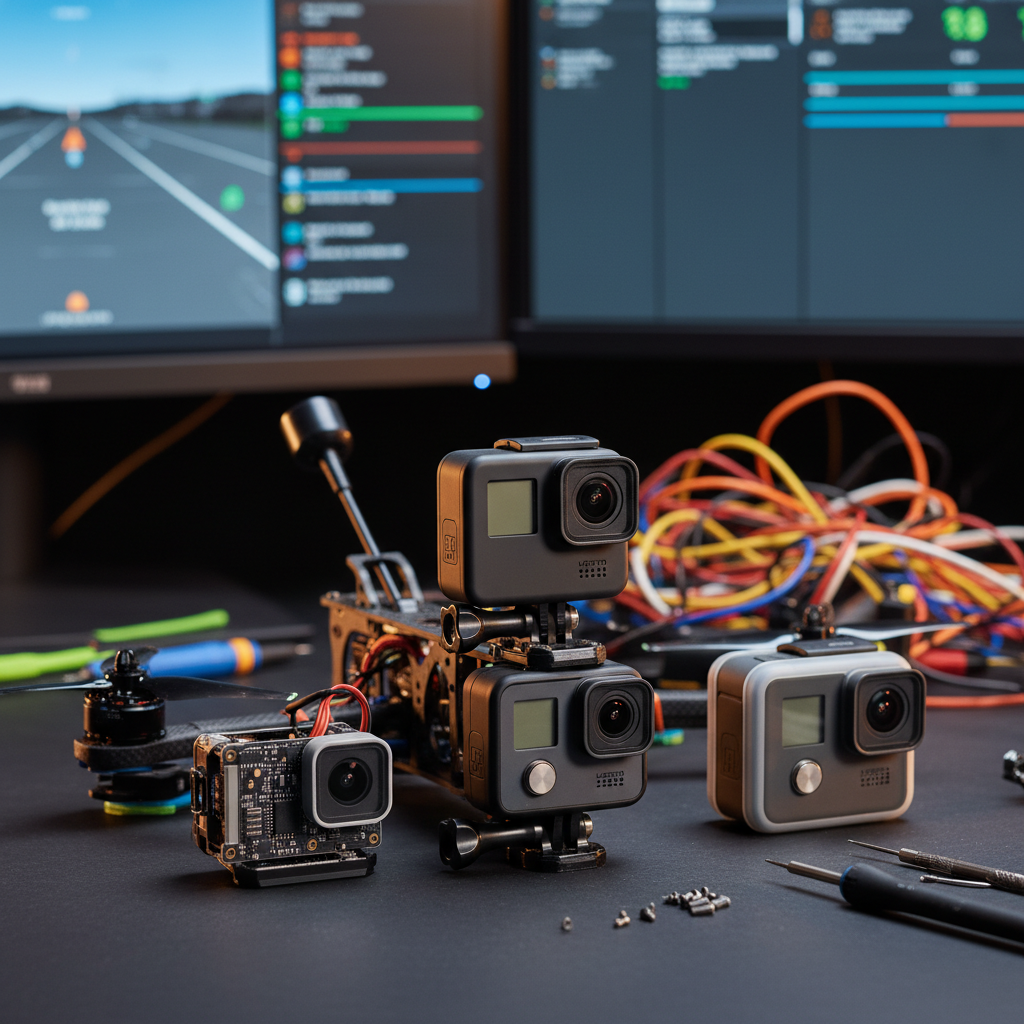
When selecting a GoPro model for FPV applications, the GoPro Hero 7, 8, and 9 are popular choices among drone enthusiasts. These models are favored for their lightweight design, which is critical for maintaining flight efficiency. The Hero 7 introduced advanced stabilization features, while the Hero 8 took it a step further with its HyperSmooth 2.0 technology, making it an excellent choice for minimizing vibrations during flight. The Hero 9, with its improved battery life and enhanced features, is also a strong contender. It is essential to weigh the camera’s size and weight against the drone’s capabilities, as heavier cameras may require more powerful motors and batteries, ultimately affecting flight time and maneuverability.
Mounting Options for GoPro on Drones
Proper mounting of a GoPro on your FPV drone is vital for achieving stable footage and preventing vibrations that can distort the video quality. Various mounting solutions are available, ranging from custom designs to commercial options specifically tailored for FPV setups. Custom mounts can be crafted using lightweight materials, ensuring that the overall weight remains manageable while maximizing stability. Commercial mounts often come with built-in vibration dampening features, which can further enhance video quality. When mounting the GoPro, it is crucial to position the camera securely and ensure that it does not obstruct the drone’s propellers or other flight components.
Video Quality and Performance
One of the primary advantages of using a GoPro for FPV drone filming is its ability to capture high-resolution video, often at 4K or even higher. This superior quality significantly enhances the visual experience compared to standard FPV cameras, which may offer lower resolutions. Moreover, GoPro’s advanced stabilization technologies, such as HyperSmooth, help to eliminate shaky footage, making it ideal for dynamic aerial maneuvers. The vibrant colors and sharp details captured by the GoPro can transform your aerial footage into visually stunning content, whether for personal enjoyment or professional projects. This capability is particularly beneficial for creators seeking to produce high-quality video content for platforms like YouTube or social media.
Battery Life and Power Management
While GoPro cameras offer impressive video quality, they also have limitations regarding battery life. Most models provide around 60 to 90 minutes of recording time, which can impact your overall flight duration. FPV drone pilots often need to plan accordingly, especially for longer flights or when capturing extensive footage. To mitigate battery life concerns, consider exploring external power options, such as using a secondary battery or modifying the drone to provide power to the GoPro during flight. Lightweight battery solutions, like LiPo batteries, can extend recording times without significantly affecting the drone’s performance. Additionally, pilots should be mindful of the GoPro’s power settings, as lower resolution and frame rate settings can help conserve battery life.
Legal Considerations and Regulations
When using a GoPro for FPV drone filming, it’s essential to stay informed about local regulations governing drone operations. Different regions may have specific rules regarding the weight of equipment, flight altitude, and areas where drones can be flown. For instance, many countries require drone pilots to register their drones if they exceed a certain weight limit, which may be affected by the addition of a GoPro. It is crucial to ensure compliance with all operational guidelines to avoid penalties and to promote safe flying practices. Additionally, understanding privacy laws is important, especially when filming in public or residential areas, as capturing footage without consent may lead to legal complications.
Tips for Successful FPV Drone Filming
To achieve the best results when filming with a GoPro mounted on your FPV drone, thorough preparation is key. Begin by practicing the flight with the GoPro mounted to familiarize yourself with the drone’s handling and any changes in weight distribution. Experimenting with different settings on the GoPro, such as resolution, frame rate, and field of view, can help you determine the optimal configuration for your filming needs. Additionally, exploring various angles and flight paths can lead to unique and captivating footage. It may also be beneficial to invest in post-production software to enhance your videos further, allowing for color correction and stabilization adjustments.
Using a GoPro for FPV drone filming is not only feasible but can also elevate the quality of your aerial footage. By carefully considering the integration of the camera, understanding the technical aspects of your FPV system, and adhering to legal regulations, you can achieve stunning results. Whether you’re a hobbyist or a professional content creator, the combination of a GoPro and an FPV drone opens up new creative possibilities, making it a worthwhile addition to your aerial toolkit. As you embark on this exciting journey, remember to prioritize safety and compliance while exploring the full potential of your FPV drone setup.
Frequently Asked Questions
Can you use a GoPro as a camera for an FPV drone?
Yes, you can use a GoPro as a camera for an FPV (First Person View) drone. GoPros are known for their high-resolution video quality and stabilization features, making them a great choice for capturing dynamic aerial footage. However, you will need a compatible mounting system and potentially a lightweight video transmitter to relay the live feed to your FPV goggles.
What are the advantages of using a GoPro on an FPV drone?
The main advantages of using a GoPro on an FPV drone include superior video quality, image stabilization, and durability. GoPros often record in 4K resolution, which enhances the overall footage quality, and their built-in stabilization technology minimizes shaky footage during flight. Additionally, GoPros are built to withstand tough conditions, making them suitable for adventurous drone racing and exploration.
How do you mount a GoPro on an FPV drone?
To mount a GoPro on an FPV drone, you will need a suitable GoPro mount that fits your drone model. Most FPV drone kits do not come with a GoPro mount, so you may need to purchase one separately. After securing the mount to the drone, attach the GoPro and ensure that it is balanced to avoid affecting the drone’s flight performance. Also, check that the camera is secure to prevent any vibrations or dislodging during flight.
Why should I consider using a GoPro instead of a standard FPV camera?
Choosing a GoPro over a standard FPV camera can significantly enhance your aerial photography and videography experience. GoPros provide higher resolution and better color reproduction, which is crucial for capturing stunning visuals. Furthermore, GoPros typically include advanced features like slow-motion recording and high dynamic range (HDR) capabilities, which standard FPV cameras may lack.
Which GoPro model is best for FPV drone use?
The GoPro HERO10 Black is often regarded as one of the best models for FPV drone use due to its exceptional video quality, improved stabilization features, and lightweight design. Its capability to shoot in 5.3K at 60fps and 4K at 120fps allows for remarkable slow-motion footage. However, if you’re looking for a lighter option, the GoPro HERO9 Black can also be a great choice, offering similar quality in a slightly heavier package.
References
- https://en.wikipedia.org/wiki/FPV_flying
- https://www.wired.com/story/what-is-fpv-drone-racing/
- https://www.techopedia.com/definition/32200/first-person-view-fpv
- https://www.researchgate.net/publication/332568246_A_Review_of_First-Person_View_FPV_Drones
- https://www.faa.gov/uas/learn_to_fly/
- https://www.droneii.com/drone-market-research-reports
- https://www.nytimes.com/2021/06/07/technology/drones-fpv-racing.html
- https://www.dronepilotgroundschool.com/fpv-drone-racing-guide/
- https://www.auspost.com.au/business/solutions/drone-technology/drone-technology-and-fpv
