

Yes, a drone crash did occur, raising concerns about safety and regulations. This incident not only highlights the potential dangers associated with drone operations but also raises critical questions regarding the oversight of this rapidly evolving technology. As drones become increasingly prevalent for both commercial and recreational use, understanding the circumstances surrounding this crash is essential for improving safety measures and regulatory frameworks.
Overview of the Drone Crash Incident
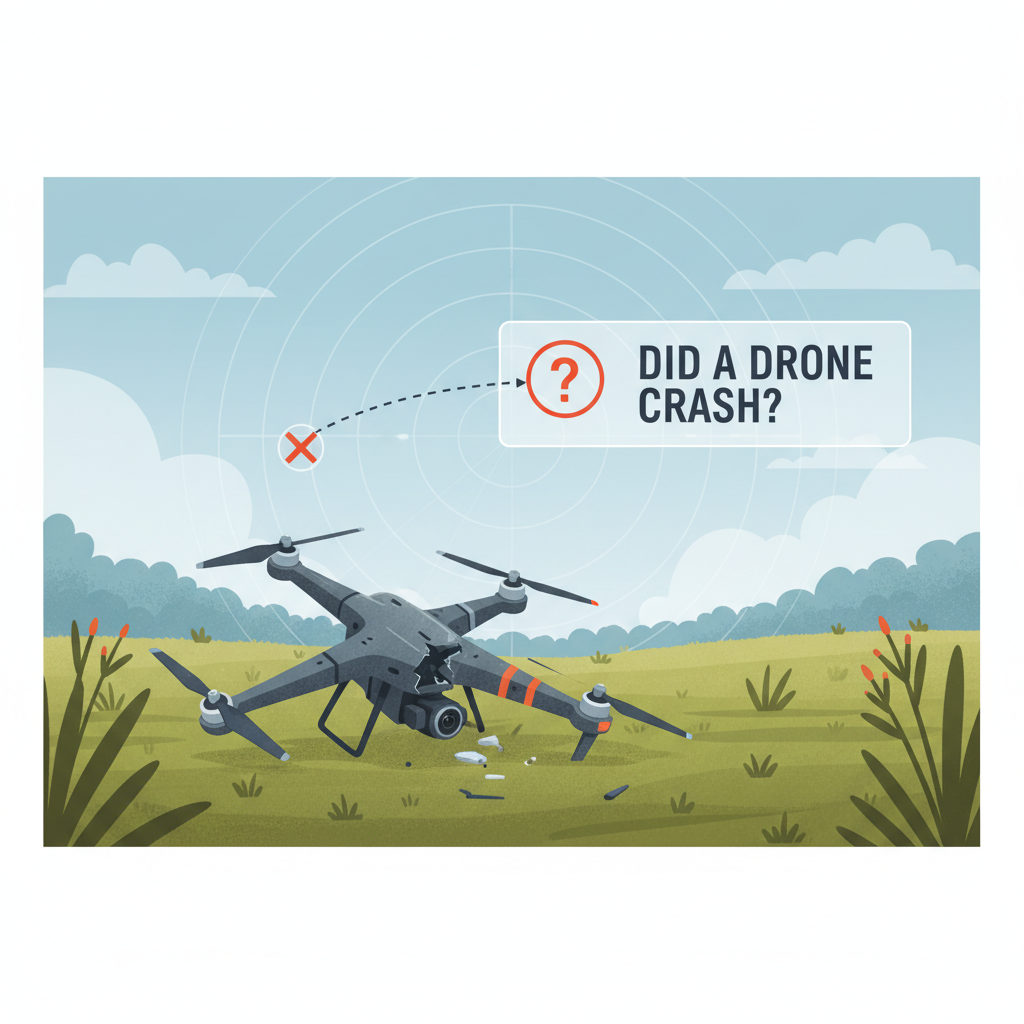
The drone crash took place on a sunny afternoon in a suburban neighborhood of Springfield, Illinois, where a recreational drone unexpectedly plummeted from the sky, landing on a residential property. Witnesses reported hearing a loud buzzing sound that suddenly ceased, followed by a crash. The incident occurred around 3 PM, with many residents in the vicinity startled by the sudden noise. Initial reports suggested that the drone, which was being operated by an amateur pilot, had been flying at an altitude that exceeded local regulations. Authorities were quick to respond, cordoning off the area to assess any potential damages and ensure that no one was injured. Fortunately, there were no casualties, but the event left residents shaken and questioning the safety of drone operations in their neighborhood.
Causes of the Drone Crash
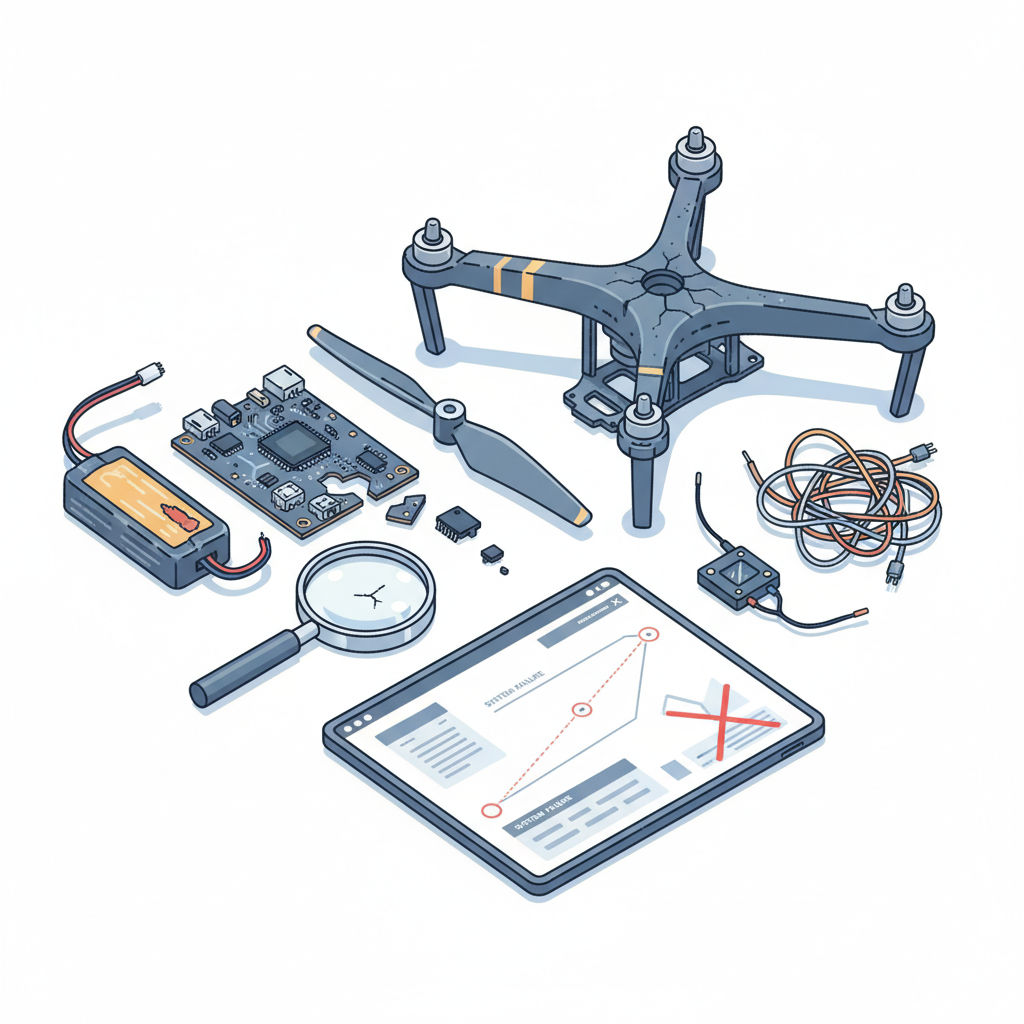
Multiple factors could have contributed to the drone crash, with technical malfunctions and human error being the primary suspects. Preliminary investigations revealed that the drone experienced a sudden loss of power, which could have been caused by a faulty battery or a software glitch. Such technical failures are not uncommon in the rapidly evolving drone technology landscape, where manufacturers may prioritize innovation over comprehensive safety checks.
Additionally, human error played a significant role in this incident. The pilot, an inexperienced operator, may have misjudged the capabilities of the drone or failed to adhere to safety protocols, such as maintaining a sufficient distance from populated areas. This highlights the importance of proper training, as many drone users underestimate the responsibility that comes with operating these devices.
Impact on the Community
The drone crash elicited strong reactions from local residents, who expressed deep concerns about their safety. Many residents voiced their apprehension about drones flying over their homes, fearing that such incidents could lead to injuries or property damage. The crash has ignited discussions within the community about the need for stricter regulations governing drone flights, especially in populated areas.
Economically, this incident poses potential implications for businesses that rely on drone technology, such as delivery services, photography, and surveying companies. With increased scrutiny on drone operations following the crash, these businesses may face stricter regulations that could impact their operational costs and logistics. Moreover, the incident could deter new entrants into the drone market, stifling innovation and growth in a sector that has shown immense promise.
Regulatory Response to the Crash
In the wake of the drone crash, local authorities began reviewing existing drone regulations to determine their adequacy in ensuring public safety. Current regulations in Springfield require drone operators to maintain visual line-of-sight with their aircraft and adhere to altitude restrictions, yet enforcement can be challenging. Authorities have proposed enhancements to these regulations, such as mandatory registration for recreational drones and the implementation of no-fly zones in densely populated areas.
Furthermore, there is a growing call for federal oversight to standardize drone regulations across the country. The Federal Aviation Administration (FAA) has been working to develop comprehensive regulations that address safety concerns while promoting the growth of the drone industry. Proposals for stricter regulations, including mandatory pilot training and certification, are gaining traction as stakeholders recognize the need for a more robust regulatory framework.
Preventative Measures for Future Drone Operations
To mitigate the risks associated with drone operations, several preventative measures can be implemented. First and foremost, ensuring proper training for drone operators is crucial. Educational programs should be established to inform both recreational and commercial pilots about best practices, safety protocols, and the legal ramifications of drone usage. This could include practical flight training, online courses, and certification programs.
Additionally, adopting technology upgrades can significantly enhance drone safety. Manufacturers should prioritize the development of fail-safe mechanisms, such as automatic return-to-home features and improved battery management systems. Implementing geofencing technology can also prevent drones from entering restricted airspace, further ensuring the safety of both operators and the public.
Lessons Learned from the Incident
The drone crash serves as a stark reminder of the potential dangers posed by unchecked drone operations. A thorough analysis of the incident reveals that a combination of technical failures and pilot inexperience led to the crash, underscoring the importance of both technological advancements and pilot education in preventing future accidents. To avoid similar incidents, it is essential for drone users to remain vigilant, adhere to safety guidelines, and invest in proper training.
Manufacturers also bear a responsibility to ensure the reliability of their products. By committing to rigorous testing and quality assurance processes, they can help minimize the risk of malfunctions that could endanger lives and property.
Future of Drone Safety
The future of drone safety is dependent on ongoing advancements in technology and regulatory practices. Emerging trends suggest that artificial intelligence (AI) and machine learning will play pivotal roles in enhancing drone safety features. For instance, AI algorithms can analyze flight patterns and predict potential hazards, allowing for proactive measures to be taken before incidents occur.
Moreover, discussions within the drone industry about standardizing safety regulations are gaining momentum. As drones become more integrated into various sectors, including agriculture, logistics, and public safety, establishing a cohesive regulatory framework will be essential to balance innovation with safety. Collaborative efforts among industry stakeholders, regulators, and safety advocates will be critical in shaping the future landscape of drone operations.
In conclusion, the recent drone crash serves as a reminder of the importance of safety and regulation in drone operations. By learning from this incident and implementing stricter measures, we can work towards ensuring safer skies for everyone. It is imperative that both operators and manufacturers take responsibility for the safety of drone flights, as the benefits of this technology can only be fully realized in a secure and regulated environment.
Frequently Asked Questions
What should I do if my drone crashes?
If your drone crashes, first ensure that everyone is safe and that there are no injuries. Next, assess the damage to the drone and retrieve it if possible. If it crashed on private property or near people, consider informing the property owner or local authorities. It’s also important to review your drone’s warranty and insurance policy to understand coverage for repairs or replacements.
How can I prevent my drone from crashing during flight?
To prevent drone crashes, always conduct a pre-flight inspection, including checking battery levels, propeller conditions, and GPS signal. Familiarize yourself with the drone’s controls and practice flying in safe, open areas before attempting complex maneuvers. Additionally, stay updated on local regulations and airspace restrictions to avoid flying in prohibited zones, which can lead to accidents.
Why did my drone crash unexpectedly?
Drones can crash unexpectedly due to various reasons such as low battery, loss of GPS signal, or interference from other electronic devices. Environmental factors like strong winds or sudden weather changes can also contribute to crashes. Understanding your drone’s technical specifications and limitations can help you identify potential causes and avoid future incidents.
What are the best drones with crash-resistant features?
When looking for drones with crash-resistant features, consider models like the DJI Mavic Mini, which is lightweight and has a robust design, or the Parrot Anafi, known for its durability. Additionally, some drones come equipped with obstacle avoidance sensors, which significantly reduce the risk of crashes by detecting and navigating around obstacles in real-time. Researching user reviews and expert opinions can help you find the best fit for your needs.
Which common mistakes lead to drone crashes?
Common mistakes that lead to drone crashes include flying in adverse weather conditions, neglecting battery management, and failing to calibrate the drone before flight. Pilots often underestimate the effects of wind and may not account for their drone’s weight and payload. Educating yourself on drone operation and consistently practicing safe flying techniques can help mitigate these risks and improve your flying skills.
References
- https://en.wikipedia.org/wiki/Drone_incident
- https://www.bbc.com/news/world-us-canada-57008386
- https://www.reuters.com/technology/drone-crashes-into-uk-military-helicopter-2021-11-29/
- https://www.nytimes.com/2021/09/06/us/drone-crash.html
- https://www.faa.gov/newsroom/faa-launches-drone-safety-campaign
- https://www.wired.com/story/drone-crash-landing/
- https://www.nasa.gov/centers/armstrong/news/FactSheets/FS-090-DFRC.html
