
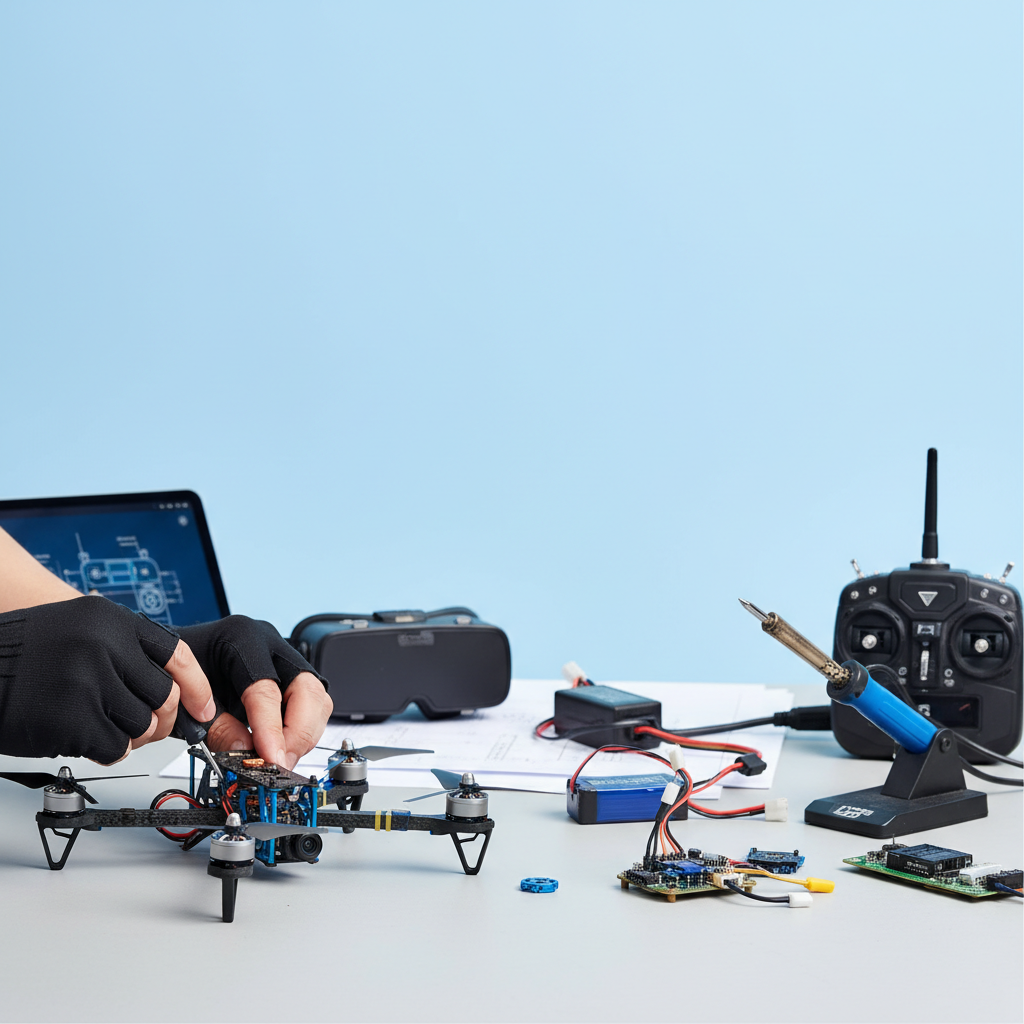
Building a drone requires a thoughtful selection of components, precise assembly, and effective programming of flight controls. This guide will walk you through the essential steps required to create a functional drone from scratch, perfect for enthusiasts and professionals alike. By understanding the critical elements involved in drone construction, you’ll be equipped to craft a device that meets your specific needs and expectations.
Understanding Drone Components
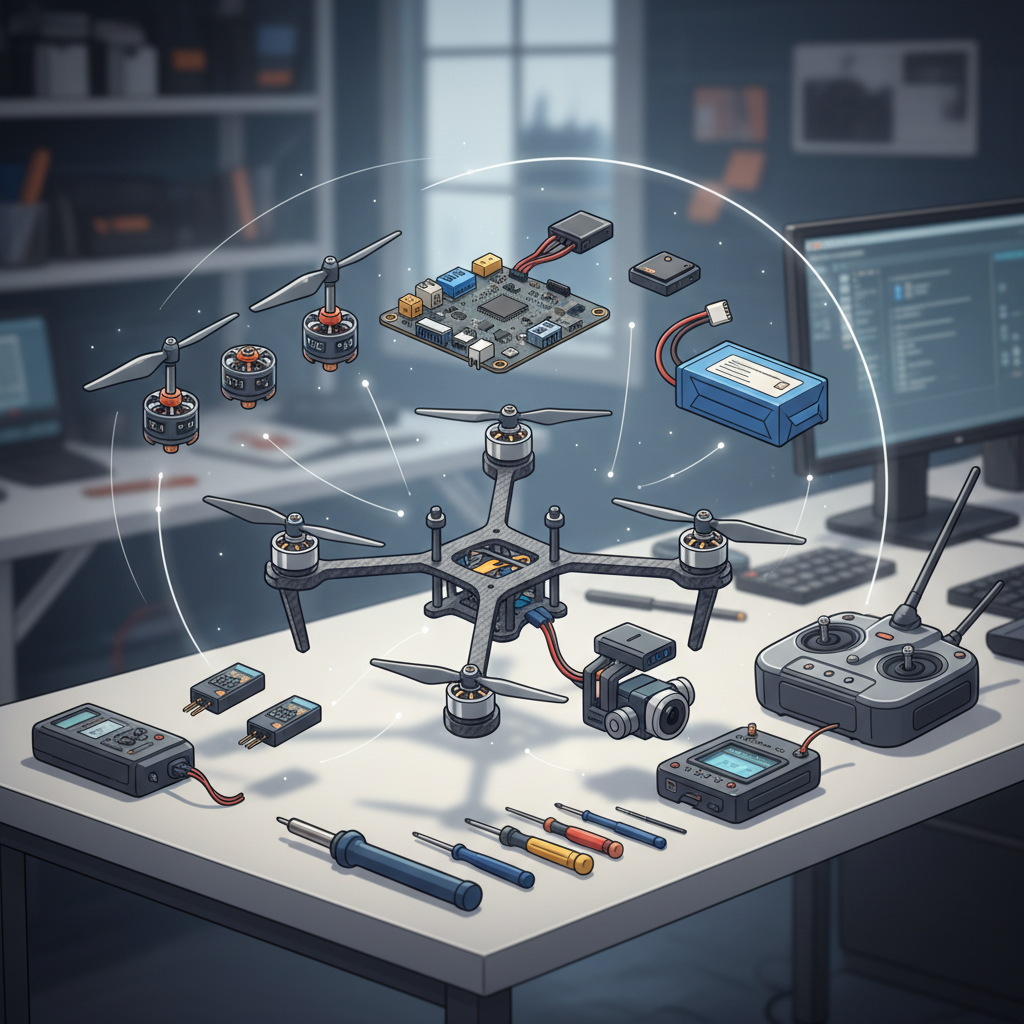
Before diving into the actual building process, it’s essential to familiarize yourself with the fundamental components of a drone. The primary parts include the frame, motors, propellers, and flight controller.
– Frame: This serves as the drone’s structure and can vary in size and material. Common materials include plastic for lightweight builds, carbon fiber for durability, and aluminum for robustness.
– Motors: These are crucial for propelling the drone. Brushless motors are the most popular choice due to their efficiency and longevity.
– Propellers: They convert the motor’s rotational energy into lift. Different shapes and sizes can affect the drone’s maneuverability and speed.
– Flight Controller: This is the brain of the drone, governing its flight dynamics and stability.
Additionally, it’s important to consider the types of drones available. Quadcopters are the most common, featuring four rotors, while hexacopters and octocopters provide additional stability and lift capacity, making them suitable for heavier payloads or more complex tasks.
Choosing the Right Frame
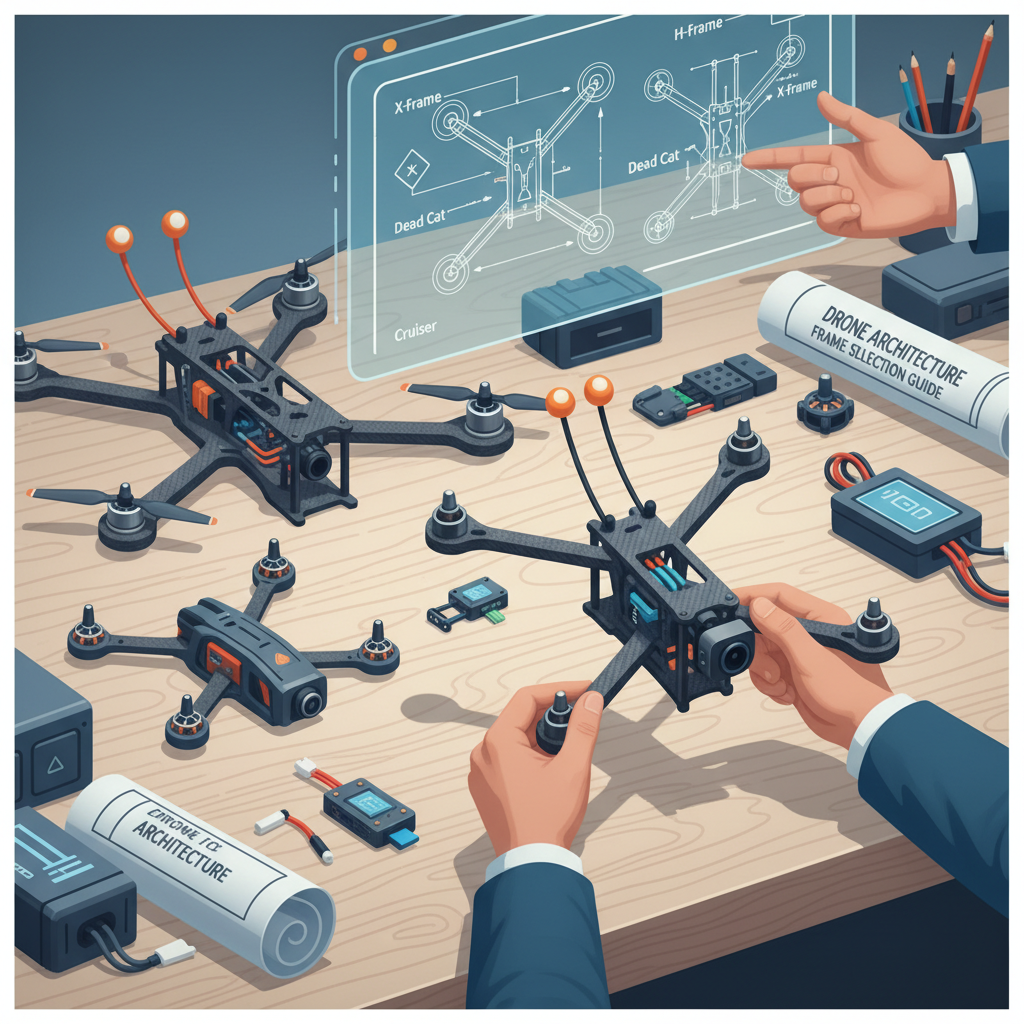
Selecting the appropriate frame is a pivotal decision that influences the drone’s performance and weight.
– Material Options:
– Plastic: Generally more affordable and lighter but less durable.
– Carbon Fiber: Ideal for high-performance drones due to its strength-to-weight ratio, though it tends to be pricier.
– Aluminum: Offers a good balance of strength and weight, making it suitable for various applications.
– Size and Weight Requirements: The drone’s purpose will dictate its size. A smaller frame is more agile and easier to transport, while larger frames can accommodate additional components such as cameras or sensors. Considerations such as maximum takeoff weight (MTOW) are vital, particularly if you’re planning to carry payloads.
Selecting Motors and Propellers
Choosing the right motors and propellers is crucial for achieving the desired flight characteristics.
– Motor Specifications:
– KV Rating: This indicates the motor’s RPM (revolutions per minute) per volt. A higher KV rating equates to faster speeds but can compromise thrust. For example, a motor with a KV rating of 2200 might be suitable for racing drones, while a lower KV rating of 1000-1200 is better for stability and longer flight times.
– Thrust Capacity: This refers to the amount of lift a motor can generate. Ensure the combined thrust of the motors is sufficient to lift the drone, ideally generating at least 2:1 thrust-to-weight ratio for optimal performance.
– Propeller Selection: Choose propellers that complement the motor size and intended use. Propeller sizes range from 5 inches to over 12 inches in diameter. Larger propellers provide more lift and efficiency but may require more powerful motors. Always check compatibility charts to ensure propellers match the motors correctly.
Assembling the Drone
Once you have gathered all components, it’s time to assemble the drone.
– Step-by-Step Assembly: Start by attaching the motors to the frame using screws. Ensure that each motor is mounted securely and that wiring is routed neatly to avoid any tangles during flight. Next, attach the propellers, ensuring they are fitted correctly to avoid reverse rotation, which can cause instability.
– Component Placement: The flight controller should be mounted at the center of the frame for balanced weight distribution. Other components, such as the battery and GPS module, should also be placed in a way that maintains the drone’s center of gravity.
– Calibration: After assembly, calibrate the drone’s center of gravity by adjusting the placement of components as needed. This step is vital for ensuring stable flight performance.
Programming the Flight Controller
Programming the flight controller is the final step before taking your drone into the skies.
– Software Options: There are numerous software platforms available, such as Betaflight and ArduPilot, which provide user-friendly interfaces for configuring flight controllers. These platforms often come with tutorials that can aid in the setup process.
– Configuring Settings: Set parameters such as flight modes, height limits, and emergency landing procedures. It is also crucial to configure safety features like fail-safes, which can automatically land the drone in the event of signal loss or low battery.
Testing and Troubleshooting
Prior to your first flight, conducting thorough tests is essential.
– Pre-Flight Checks: Ensure all systems are operational by checking battery levels, motor spin direction, and the calibration of sensors. Confirm that the drone responds correctly to commands via the remote control.
– Common Issues: Familiarize yourself with potential problems, such as connectivity issues, instability during flight, or poor battery performance. Regularly inspect all components for wear and tear, and keep software updated to mitigate bugs.
Safety Considerations for Flying Drones
Safety is paramount when operating drones, especially in populated areas.
– Local Regulations: Before flying, research local laws and regulations regarding drone operation. Many countries have specific guidelines related to altitude limits, no-fly zones, and required licenses.
– Safe Flying Techniques: Always maintain line-of-sight with your drone and avoid flying over crowds or sensitive areas. Practice emergency maneuvers and familiarize yourself with the drone’s controls before engaging in complex flights.
Building a drone is not only an enriching experience but also a gateway to exploring the exciting world of aerial technology. By following the steps outlined in this guide, you will gain a comprehensive understanding of the components, assembly, and operational nuances of drone construction. Start gathering your materials today, and soon you’ll be ready to take to the skies with your custom-built drone!
Frequently Asked Questions
What are the essential components needed to build a drone?
To build a drone, you need several key components including a frame, motors, electronic speed controllers (ESCs), a flight controller, propellers, and a battery. Additionally, you may want to include a radio transmitter and receiver for remote control, as well as optional equipment like cameras or GPS modules for enhanced functionality. Understanding each component’s role is crucial for assembling a functional and efficient drone.
How do I choose the right flight controller for my drone?
When selecting a flight controller for your drone, consider factors such as the type of drone you want to build (e.g., racing, photography, or hobbyist), compatibility with other components, and your experience level. Popular flight controllers like the Pixhawk, Betaflight, and ArduPilot offer various features, including GPS support and advanced stabilization. Ensure the controller has a good user community and documentation to aid in troubleshooting during setup.
Why is battery selection important when building a drone?
Battery selection is vital when building a drone as it directly affects flight time, weight, and overall performance. Lithium Polymer (LiPo) batteries are the most common choice due to their high energy density and lightweight, but they require careful handling and maintenance. It’s important to choose a battery that matches your drone’s power requirements, ensuring that it can provide sufficient voltage and capacity for your specific motors and flight controller.
What are the best practices for assembling a drone?
To assemble a drone effectively, start by organizing all your components and tools to avoid confusion. Follow a systematic approach by attaching the motors to the frame first, followed by the ESCs and flight controller, ensuring all connections are secure. Use zip ties to manage wires neatly, and perform a pre-flight check to ensure everything functions correctly before taking off. Document your assembly process for future reference or troubleshooting.
Which software should I use to program my drone’s flight controller?
The choice of software for programming your drone’s flight controller largely depends on the specific controller you are using. Popular options include Betaflight for racing drones, ArduPilot for versatile applications, and INAV for navigation-oriented builds. Each software provides a user-friendly interface to configure settings such as flight modes, PID tuning, and failsafe options, enabling you to customize your drone’s performance based on your needs.
References
- https://en.wikipedia.org/wiki/Drone
- https://www.nasa.gov/centers/langley/news/factsheets/Drone.html
- https://www.faa.gov/uas/getting_started/learning_to_fly/
- https://www.aaai.org/ojs/index.php/aimagazine/article/view/2741
- https://www.researchgate.net/publication/325586242_An_Introduction_to_Drones_for_Research_and_Development
- https://www.sciencedirect.com/science/article/pii/S2351978915002566
- https://www.aimagazine.org/archives/issue/Spring-2018/
- https://www.nist.gov/news-events/news/2019/06/nist-guide-drones-advanced-manufacturing
- https://www.ica.org/en/knowledge/what-are-drones-and-how-do-they-work
- https://www.mit.edu/~jfc/www/Drone_Handbook.pdf
