

Learning to fly a drone involves understanding the basics of drone operation, practicing flight skills, and complying with regulations. To get started, you’ll need to familiarize yourself with your drone’s controls, practice in open spaces, and be aware of the rules for flying legally and safely. This guide will walk you through the essential steps to help you become a proficient drone pilot, providing insights into equipment selection, flying techniques, and safety regulations.
Understanding Drone Basics
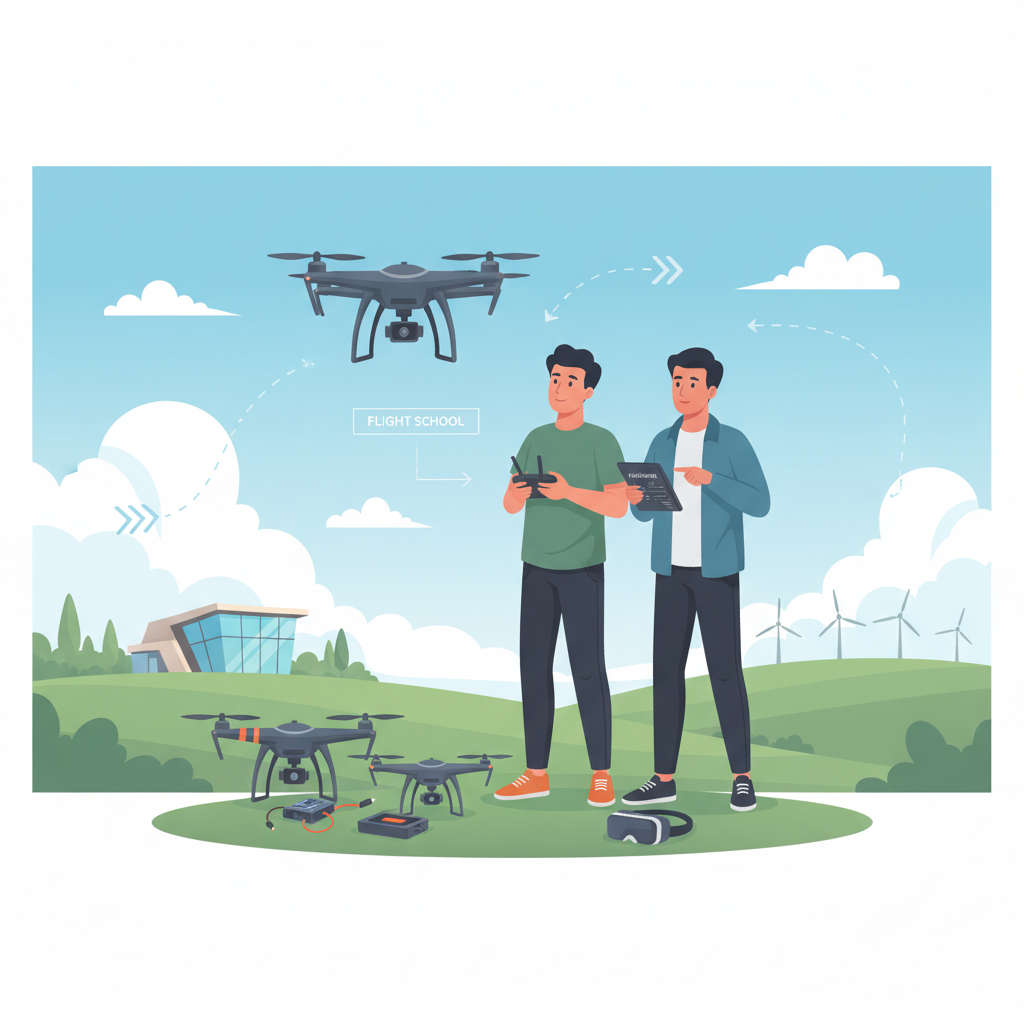
Before you take to the skies, it’s essential to understand the various types of drones available and their intended uses. Drones can be categorized into several types, including toy drones, racing drones, and professional drones used for aerial photography and surveying. Each type of drone serves a unique purpose, so it’s crucial to identify what you want to achieve with your drone flying experience.
Next, familiarize yourself with the essential components that make up a drone. The transmitter is the handheld device that sends commands to the drone, while the receiver, located on the drone itself, interprets these commands. Additionally, understanding the battery life and charging requirements is vital, as many beginners overlook the importance of battery management, which can affect flight time and overall performance.
Choosing the Right Drone for Beginners
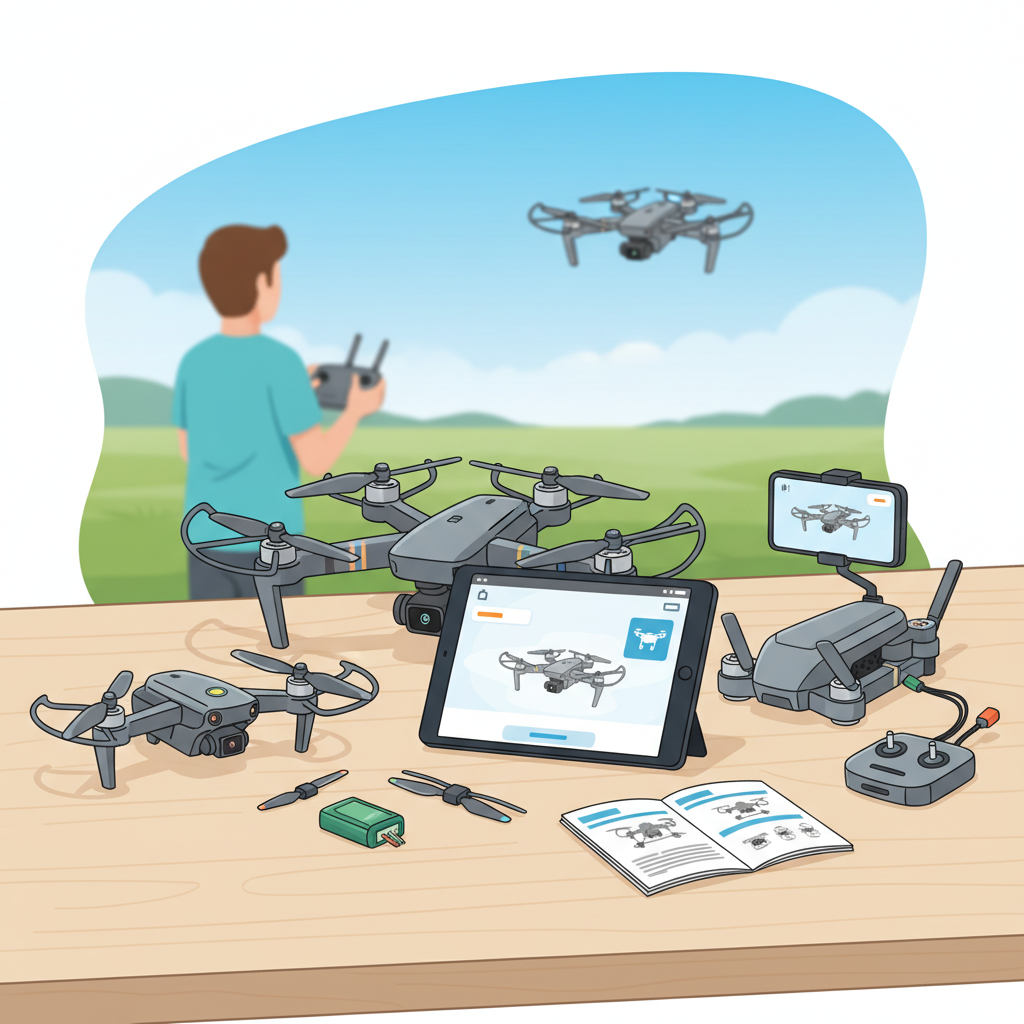
Selecting the right drone is a critical step for novice pilots. When considering your first drone, think about factors such as ease of use, price, and features. For beginners, it’s advisable to start with a drone that has user-friendly controls and a stable flying experience. Additionally, look for models with safety features like altitude hold, headless mode, and one-key return functions, which can help you focus on mastering the basics without overwhelming complexity.
Researching models specifically designed for novice pilots can also provide valuable insights. Drones like the DJI Mini SE or the Holy Stone HS720 offer excellent stability, decent camera quality, and a range of beginner-friendly features. These models not only help you learn the ropes but also provide an enjoyable flying experience.
Learning to Operate Your Drone
Once you have your drone, it’s time to learn how to operate it effectively. Starting with simulator software can be a fantastic way to practice controls without the risk of crashing. Many drone manufacturers offer flight simulators that replicate the controls and flying dynamics of their drones, allowing you to build muscle memory before taking off.
In addition to simulators, always consult your manufacturer’s manual for specific operating instructions. This document will provide insights into the drone’s unique features, including how to calibrate the compass, connect to GPS, and troubleshoot common issues. Familiarizing yourself with these details will enhance your confidence when you take your drone into the field.
Practicing Flight Skills
To build your flying skills, start practicing in open, unobstructed areas where you can avoid obstacles and distractions. Parks, large backyards, or designated drone flying zones can be excellent locations for practice. During your initial flights, focus on mastering basic maneuvers such as takeoff, landing, and hovering.
As you progress, challenge yourself by practicing more advanced maneuvers, like figure eights and sideways flying. Recording your flight sessions can also provide valuable feedback; you can analyze your performance and identify areas for improvement. Utilize apps that track your flight time and distance, helping you to set goals and monitor your progress over time.
Understanding Drone Regulations
Complying with drone regulations is crucial to ensure safe and legal flying. Before you take off, research local laws and regulations regarding drone flight in your area. The Federal Aviation Administration (FAA) in the United States, for instance, requires drone pilots to register their drones if they weigh more than 0.55 pounds and to adhere to specific operational guidelines.
In addition, familiarize yourself with no-fly zones, which are areas where drone flying is restricted, such as near airports, military bases, and populated urban centers. Understanding these regulations will not only keep you compliant but also contribute to the safety of other airspace users.
Tips for Safe and Responsible Flying
Safety should always be a top priority when flying your drone. Conduct a pre-flight checklist to ensure your drone is in good working order. This checklist should include checking the battery level, ensuring propellers are securely attached, and verifying GPS and compass calibration.
Moreover, always keep your drone within your visual line of sight. This practice not only helps you maintain control but also allows you to be aware of your surroundings. It’s equally important to avoid flying in adverse weather conditions, such as high winds or rain, as these can significantly affect your drone’s performance and safety.
Joining the Drone Community
Becoming a part of the drone community can significantly enhance your learning experience and provide ongoing support. Connecting with local drone clubs or online forums allows you to exchange tips, tricks, and experiences with fellow enthusiasts. These platforms often host events, competitions, and meetups, which can be invaluable for networking and skill development.
Additionally, consider attending workshops or training sessions, which can offer hands-on experience and expert guidance. Many organizations provide courses specifically tailored to beginners, covering not just flying techniques but also aspects like drone photography and videography, which can enhance your overall skill set.
In conclusion, learning to fly a drone can be an exciting and rewarding experience. By understanding your drone, practicing regularly, and staying informed about regulations, you’ll become a skilled pilot in no time. Remember to select the right drone, hone your flight skills, and engage with the drone community for support. Take the first step today and start exploring the world from above!
Frequently Asked Questions
What are the essential steps to learn how to fly a drone?
To learn how to fly a drone, start by familiarizing yourself with local regulations, as flying laws vary by region. Next, choose a beginner-friendly drone and practice basic maneuvers in an open space. Consider enrolling in an online course or watching tutorial videos that cover drone operation and safety tips. Regular practice will improve your skills, and using a simulator can help you master complex maneuvers without risking damage to your drone.
How can I choose the best drone for beginners?
When choosing the best drone for beginners, consider factors such as ease of use, stability, and safety features. Look for drones with altitude hold, one-button takeoff/landing, and a robust GPS system. Popular beginner models include the DJI Mini SE and the Holy Stone HS720, both of which offer user-friendly controls and decent camera quality. Starting with a reliable drone will give you the confidence to practice flying effectively.
Why is it important to understand drone regulations before flying?
Understanding drone regulations is crucial for ensuring safety and compliance with local laws. Many countries have specific rules regarding altitude limits, no-fly zones, and registration requirements, which help prevent accidents and protect privacy. Familiarizing yourself with these regulations before flying can save you from legal trouble and contribute to responsible drone operation, fostering a positive perception of drone enthusiasts.
What are some common mistakes to avoid when learning to fly a drone?
Common mistakes to avoid when learning to fly a drone include flying in windy conditions, not checking battery levels before flight, and ignoring local regulations. Additionally, many beginners underestimate the importance of practicing in open areas free from obstacles. Taking the time to learn about your drone’s controls and practicing in safe environments can significantly reduce the risk of crashes and enhance your flying skills.
Which resources are best for learning drone flying techniques?
The best resources for learning drone flying techniques include online courses from platforms like Udemy or Skillshare, YouTube tutorials, and forums dedicated to drone enthusiasts. Additionally, consider joining local flying clubs or communities where you can receive hands-on guidance and tips from experienced pilots. Utilizing a combination of these resources will provide a well-rounded learning experience and help you master drone flying techniques more effectively.
References
- https://en.wikipedia.org/wiki/Drone_flight_training
- https://www.faa.gov/uas/getting_started/fly
- https://www.nasa.gov/centers/dryden/pdf/88551.pdf
- https://www.wired.com/story/faa-drone-training/
- https://www.dronepilotgroundschool.com/blog/how-to-learn-to-fly-a-drone/
- https://www.nps.gov/articles/drone-operations-in-national-parks.htm
