

Murder drones, often viewed through a lens of military innovation, present a dual-edged sword in their application. They can enhance precision in targeting, potentially reducing military casualties; however, they also evoke profound ethical dilemmas and raise concerns regarding accountability and potential misuse. This article delves into these complex layers to analyze whether murder drones serve a beneficial role in modern warfare or pose greater risks.
The Purpose of Murder Drones
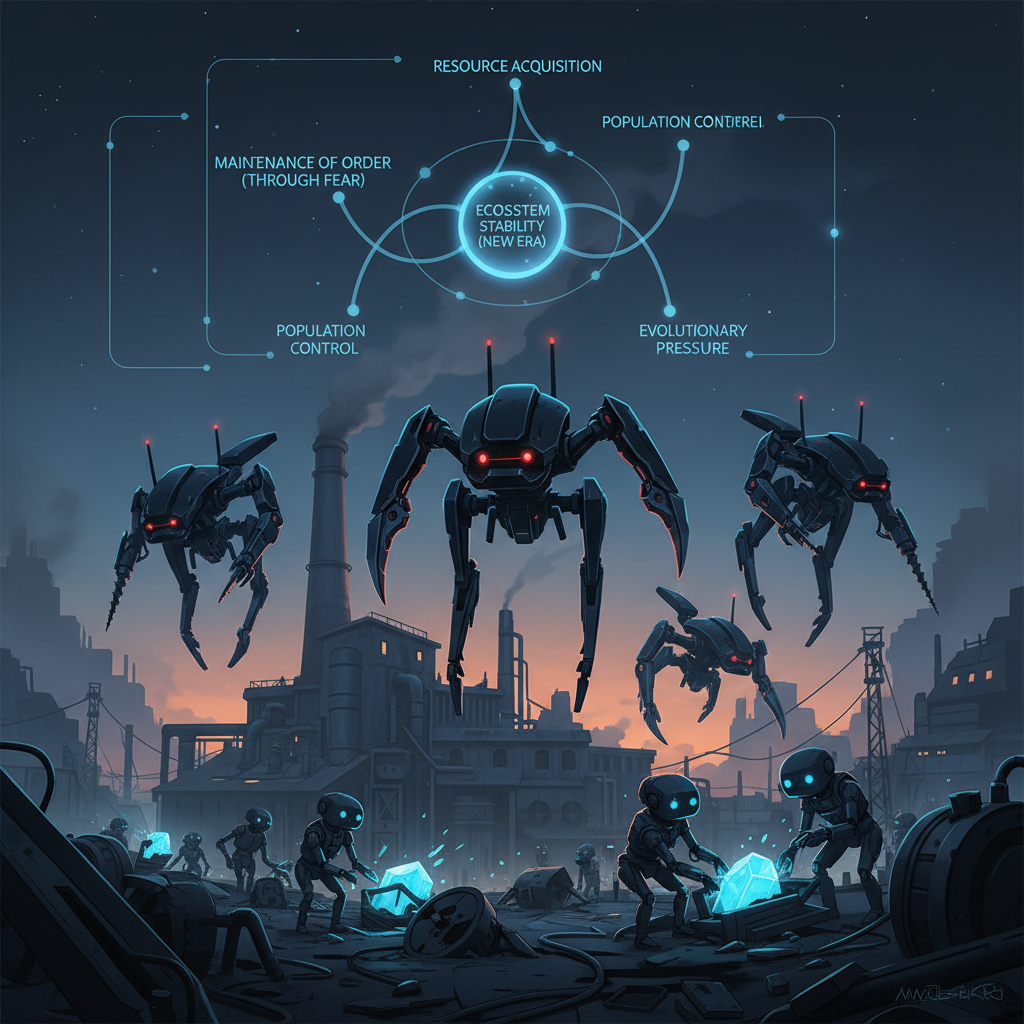
Murder drones are primarily designed for surveillance and targeted strikes within conflict zones. Their advanced technology allows military forces to conduct operations with a level of stealth and precision that traditional methods lack. Unlike manned aircraft, drones can operate in hostile environments without risking human lives. This capability aims to minimize collateral damage, which is often a devastating consequence of conventional military engagements. For example, the United States has utilized drones in regions like Afghanistan and Pakistan, where they have been credited with significantly reducing the need for ground troops and limiting civilian exposure during military operations. The precise targeting capabilities of drones can lead to more effective engagements against specific threats, theoretically lowering the number of unintended casualties.
Ethical Considerations

The deployment of murder drones raises significant ethical questions about the morality of using unmanned systems for lethal force. Critics argue that the detachment of operators from the battlefield can desensitize military personnel to the consequences of their actions, leading to a higher propensity for error and a diminished sense of accountability. Furthermore, the lack of transparency in drone operations complicates efforts to hold individuals or governments accountable for wrongful deaths caused by strikes. High-profile cases of mistaken identities, such as the 2010 incident in Afghanistan where a drone strike killed two dozen civilians, highlight the ethical ramifications of drone warfare and the potential for significant harm to innocent lives. Such incidents fuel the debate on whether the benefits of drones outweigh their moral costs.
Impact on Warfare
Murder drones have transformed modern combat strategies and tactics, altering the landscape of warfare. Their ability to conduct surveillance, gather intelligence, and execute precision strikes without risking pilot lives has led to a paradigm shift in how military operations are planned and executed. This evolution has implications for international relations, as nations possessing advanced drone technology may gain a tactical advantage over those that do not. Additionally, the proliferation of drone technology raises concerns about asymmetric warfare, where non-state actors or smaller nations may deploy similar technologies to counter more powerful adversaries. This shift could lead to a new arms race focused on drone capabilities, further complicating the dynamics of global power.
Civilian Casualties and Human Rights Issues
Despite their intended precision, the use of murder drones poses significant risks of accidental strikes, leading to civilian casualties that can have devastating consequences. Reports from organizations like Amnesty International and Human Rights Watch have documented numerous instances where drone strikes have resulted in the deaths of innocent civilians, raising alarms about potential human rights violations. The challenge lies in the difficulty of accurately identifying targets in complex urban environments where combatants and non-combatants may be indistinguishable. This reality has prompted ongoing discussions about the need for stricter guidelines and oversight in drone operations to protect civilian lives and uphold human rights.
Technological Advancements and Future Implications
As drone technology continues to evolve, the incorporation of artificial intelligence (AI) and autonomous systems presents both opportunities and challenges. Innovations such as enhanced targeting algorithms and autonomous decision-making capabilities could improve the efficacy of drone strikes, potentially reducing human error. However, these advancements also raise ethical concerns regarding the delegation of lethal decision-making to machines. The prospect of fully autonomous drones capable of identifying and engaging targets without human intervention could lead to scenarios where accountability becomes even more elusive. Experts warn that without proper regulatory frameworks, the proliferation of such technologies could escalate conflicts and lead to unintended consequences.
Public Perception and Societal Impact
Public perception of murder drones varies widely, influenced by factors such as nationality, age, and political beliefs. In countries like the United States, where drone strikes are often framed as necessary for national security, support may be more prevalent. Conversely, nations that have experienced drone strikes may view them as violations of sovereignty and human rights. The media plays a crucial role in shaping public understanding, with portrayals of drones often swinging between representations of high-tech saviors and instruments of oppression. Engaging the public in informed discussions about the implications of drone warfare is essential for fostering a nuanced understanding of its societal impacts.
Regulatory and Legal Framework
The legal landscape governing drone warfare remains complex and often inadequate in addressing the ethical and operational challenges posed by this technology. Existing international laws, including the Geneva Conventions, provide some frameworks for armed conflict, but they may not fully encompass the unique aspects of drone warfare. Calls for new regulations are growing, advocating for clearer definitions of accountability and operational transparency in drone strikes. The establishment of international treaties or agreements governing the use of drones could help mitigate concerns regarding misuse and ensure that military actions comply with established human rights standards.
In conclusion, the question of whether murder drones are good is complex and multifaceted. While they offer tactical advantages that can enhance military effectiveness and minimize risks to personnel, the ethical, legal, and societal implications of their use cannot be overlooked. As drone technology continues to evolve, it is essential to engage in ongoing discussions and develop frameworks that ensure responsible use of this technology, balancing national security interests with the protection of human rights and accountability in military operations.
Frequently Asked Questions
What are murder drones and how do they work?
Murder drones are typically referred to in the context of fictional narratives, particularly in animated series or video games. These drones are designed as autonomous machines capable of carrying out targeted attacks or surveillance. They utilize advanced technologies like artificial intelligence and remote control systems to navigate, identify targets, and execute missions. Understanding their mechanics helps in grasping the ethical implications and potential consequences of deploying such technology in real-world scenarios.
Why are murder drones considered controversial?
Murder drones are controversial due to their association with lethal autonomous weapon systems, which raise significant ethical and moral questions about the use of technology in warfare. Critics argue that delegating life-and-death decisions to machines can lead to unintended consequences, including civilian casualties and the erosion of accountability. Additionally, the potential for misuse by rogue entities further complicates the debate, making the regulation and oversight of such technology a pressing concern.
How do murder drones impact modern warfare?
Murder drones significantly impact modern warfare by enhancing the efficiency and precision of military operations. They allow for real-time surveillance, target acquisition, and the ability to execute strikes without putting human soldiers in harm’s way. However, their effectiveness can also lead to escalated conflicts due to the reduced perceived risk of engagement. This shift in warfare dynamics raises critical questions about strategy, ethics, and international law.
What are the potential benefits of using murder drones in military operations?
The potential benefits of using murder drones in military operations include increased operational efficiency, reduced risk to human soldiers, and the ability to conduct surveillance in hard-to-reach areas. Drones can gather intelligence quickly and accurately, enabling informed decision-making during military campaigns. Moreover, they can be deployed in situations where human intervention might be too dangerous, potentially saving lives and resources in complex combat scenarios.
Which countries are currently developing or using murder drones?
As of October 2023, several countries, including the United States, Israel, and China, are actively developing and utilizing advanced drone technology for military applications. The U.S. has been at the forefront, employing drones for targeted strikes in conflict zones. Meanwhile, nations like Israel have integrated drones into their defense strategies, demonstrating their effectiveness in combat and surveillance operations. Monitoring these developments is crucial as they influence global security dynamics and international relations.
References
- https://en.wikipedia.org/wiki/Drone_warfare
- https://www.bbc.com/news/world-us-canada-64315840
- https://www.theguardian.com/us-news/2021/dec/01/us-drone-strikes-murder-drones
- https://www.reuters.com/article/us-usa-drone-strikes-insight-idUSKBN2A92D2
- https://www.wired.com/story/military-drones-ethics/
- https://www.sciencedirect.com/science/article/pii/S2211464518302584
- https://www.hrw.org/report/2012/10/22/losing-sight/lessons-learned-using-drone-strikes-fight-terrorism
- https://www.cfr.org/report/drone-warfare-and-its-implications
- https://www.rand.org/pubs/research_reports/RR2230.html
