
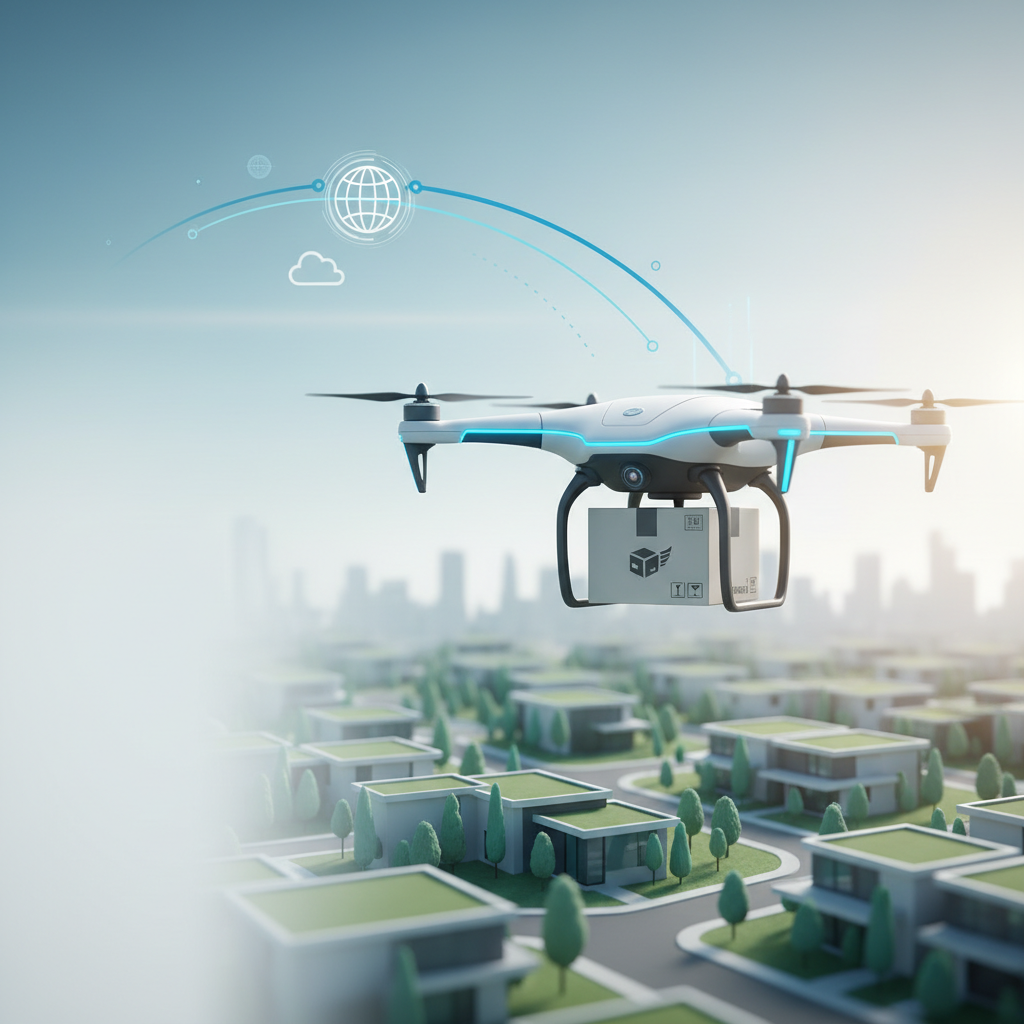
Delivery drones are unmanned aerial vehicles designed to transport packages and goods directly to customers. These innovative devices utilize advanced technology to navigate and deliver items efficiently, revolutionizing the logistics and e-commerce industries. As businesses strive to enhance consumer experience and operational efficiency, delivery drones offer a compelling solution by enabling rapid delivery, reducing human labor costs, and minimizing environmental impact.
What Are Delivery Drones?
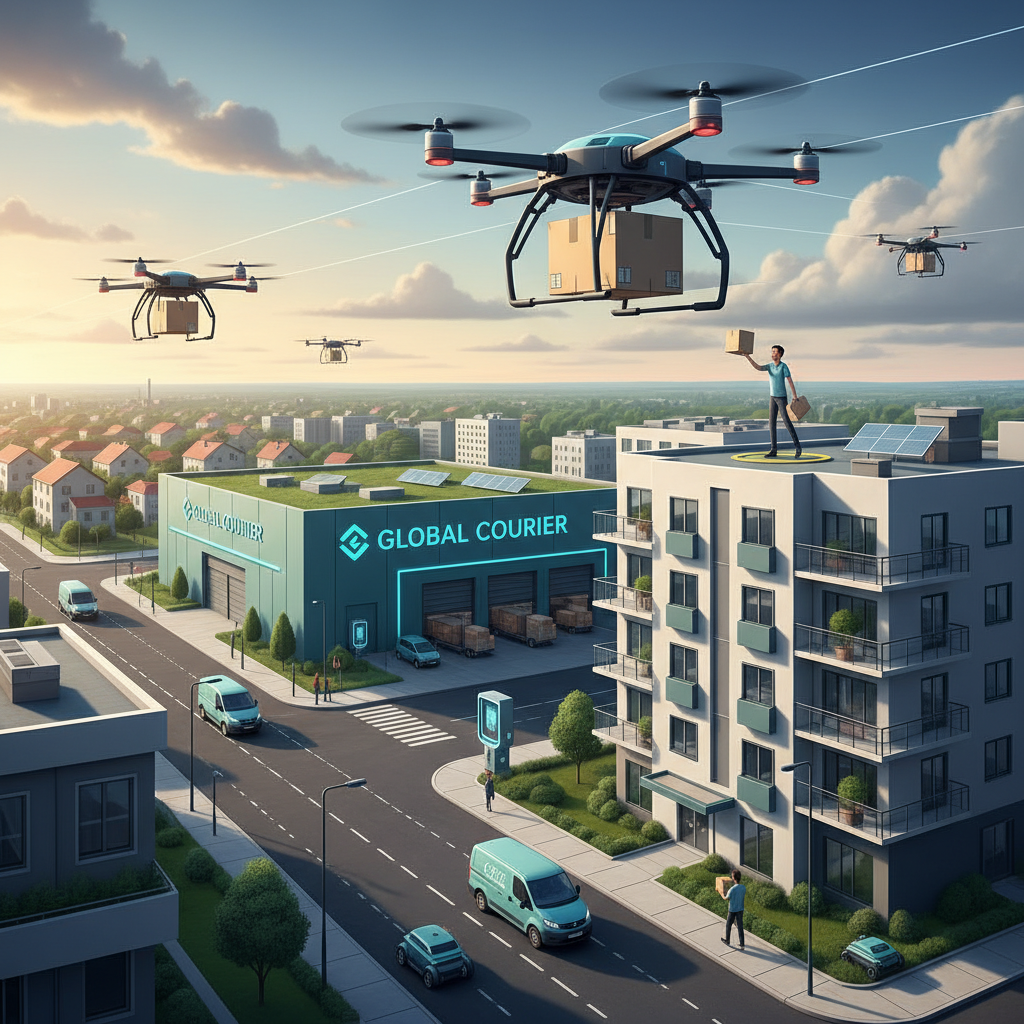
Delivery drones are specialized unmanned aerial vehicles (UAVs) engineered specifically for the purpose of transporting goods over short to medium distances. Primarily used in the logistics sector, these drones can carry various types of packages, from small parcels to larger items, depending on their design and specifications. The basic functionality of delivery drones involves loading a package onto the drone, which then autonomously navigates to the destination using GPS and other navigational aids.
The technology behind drone delivery systems is multifaceted, incorporating advanced features such as lidar (light detection and ranging), computer vision, and artificial intelligence (AI). These technologies allow drones to avoid obstacles, optimize flight paths, and ensure accurate landings. Additionally, many delivery drones are equipped with sophisticated communication systems that enable them to relay real-time updates to both the sender and recipient, further enhancing the delivery experience.
Types of Delivery Drones
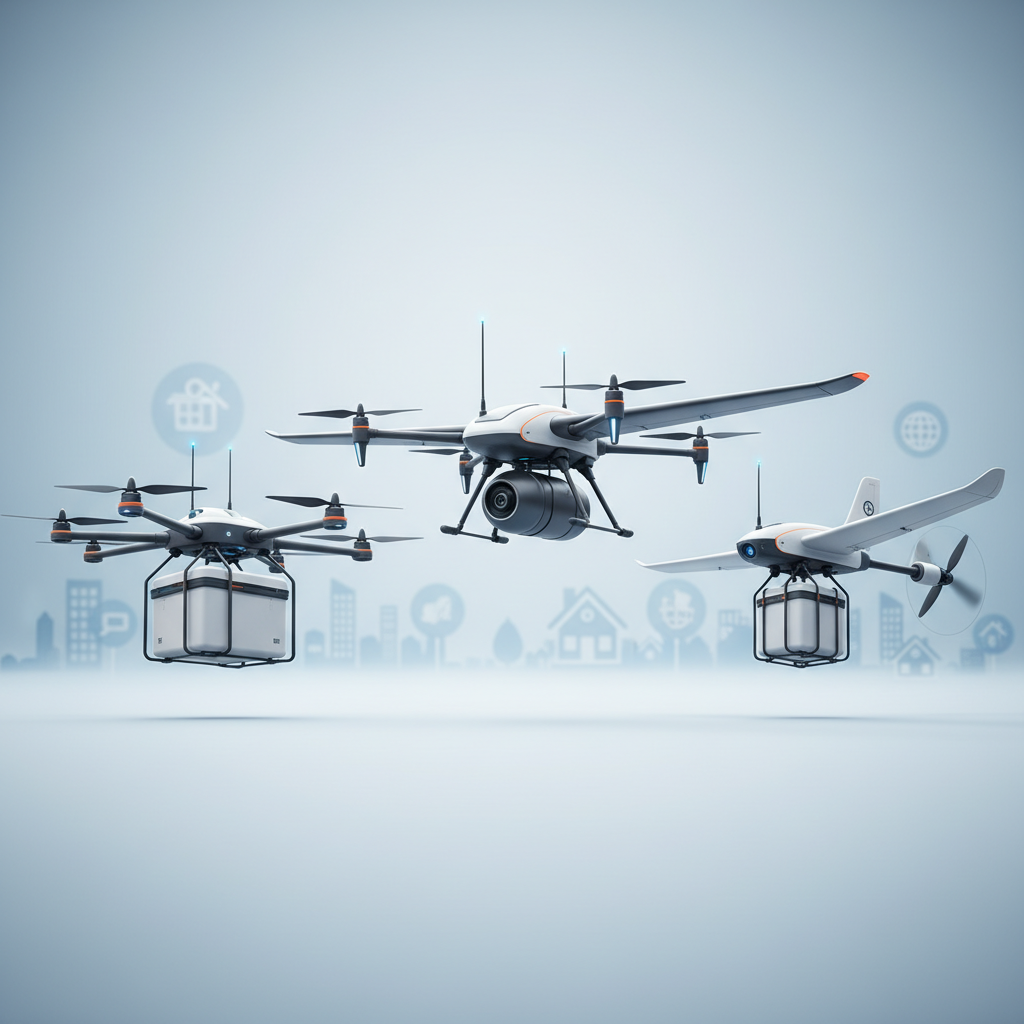
Delivery drones can be categorized into several types, with the most common being quadcopters and fixed-wing drones.
– Quadcopters: These drones are characterized by their four rotors, which provide stability and maneuverability. They are ideal for short-distance deliveries and can easily navigate urban environments. For instance, companies like Amazon and Wing are utilizing quadcopters for quick deliveries in densely populated areas. Their payload capacity typically ranges from 1 to 5 kilograms, making them suitable for lightweight packages.
– Fixed-Wing Drones: Unlike quadcopters, fixed-wing drones resemble traditional airplanes and are designed for longer flight durations and greater distances. They can carry heavier payloads, often exceeding 10 kilograms, and are ideal for rural or less populated regions where delivery points are farther apart. Companies like Zipline have successfully employed fixed-wing drones to deliver medical supplies in hard-to-reach areas, demonstrating their effectiveness in logistics.
When comparing these drones, quadcopters offer superior agility and ease of landing in tight spaces, while fixed-wing drones excel in efficiency and range, making them suitable for different delivery scenarios.
How Delivery Drones Work
The operational process of delivery drones begins with the placement of an order through a mobile app or website. Once the order is confirmed, the logistics system selects the nearest drone equipped to handle the delivery. The drone is then loaded with the package, and its route is optimized using advanced software that takes into account factors such as weather conditions, air traffic, and no-fly zones.
Navigation systems such as GPS, inertial measurement units (IMUs), and visual sensors are employed to guide the drone throughout its journey. Real-time data is continuously processed to adjust the flight path if necessary, ensuring safe and efficient delivery. Upon reaching the delivery location, the drone can deploy the package either by landing or using a drop mechanism, depending on the design and the terrain.
Benefits of Using Delivery Drones
One of the most significant advantages of using delivery drones is the speed of delivery. Drones can bypass traditional traffic congestion, enabling packages to reach customers in a fraction of the time compared to conventional delivery methods. This rapid service can significantly enhance customer satisfaction, which is increasingly becoming a critical factor in e-commerce.
Moreover, delivery drones can help reduce operational costs associated with last-mile delivery. By automating the delivery process, companies can lower labor expenses and minimize reliance on fuel-powered vehicles, which contributes to a reduced environmental footprint. According to a study by McKinsey, drone deliveries could lower costs by up to 70% in certain scenarios, making them an attractive option for businesses looking to optimize their logistics.
Challenges and Limitations
Despite their potential, delivery drones face several challenges and limitations that hinder widespread adoption. Regulatory hurdles are a significant obstacle, as governments worldwide are still developing frameworks to manage drone operations safely. Issues such as airspace restrictions, privacy concerns, and safety regulations must be addressed before drones can be fully integrated into everyday logistics.
In addition to regulatory challenges, technical limitations also pose difficulties for delivery drones. Battery life is a critical concern, as most drones currently have a limited operational range due to the constraints of battery technology. This limitation affects their payload capacity and necessitates frequent recharging, which can be impractical for extensive delivery networks. Moreover, adverse weather conditions such as high winds or heavy rain can impact the reliability and safety of drone flights.
Future of Delivery Drones
Looking ahead, the future of delivery drones appears promising, with predictions indicating significant advancements in technology and market growth. As battery technology improves, drones are expected to achieve longer flight times and greater payload capacities, expanding their operational capabilities. Innovations in AI and machine learning will also enhance route optimization and obstacle avoidance, further increasing the efficiency of drone deliveries.
New applications for delivery drones are emerging across various sectors beyond logistics. For example, the medical industry is increasingly adopting drone technology for the rapid transport of supplies, as seen in Zipline’s successful operations. Additionally, industries such as agriculture may utilize drones for the delivery of agricultural products directly to farmers, streamlining supply chains.
As consumer expectations for fast and efficient delivery continue to rise, drones are likely to become a standard component of the logistics landscape, offering solutions that can meet these demands while addressing environmental concerns.
Delivery drones represent a significant advancement in logistics, offering numerous benefits while facing various challenges. The potential for faster delivery times, reduced operational costs, and a smaller environmental footprint makes them an attractive option for businesses looking to innovate. However, regulatory and technical challenges must be navigated to realize their full potential. As technology continues to evolve, the prospect for widespread adoption and integration into everyday life is vast. Staying informed about the latest developments in this exciting field will be crucial for businesses and consumers alike.
Frequently Asked Questions
What is a delivery drone and how does it work?
A delivery drone is an unmanned aerial vehicle (UAV) specifically designed to transport packages or goods from one location to another. These drones utilize GPS technology, onboard sensors, and advanced flight navigation systems to autonomously navigate to their destination. Once they arrive, they can either drop the package from a designated height or land to deliver it directly to the recipient.
How are delivery drones changing the logistics industry?
Delivery drones are revolutionizing the logistics industry by significantly reducing delivery times and costs. They can bypass traffic congestion and reach remote areas where traditional delivery vehicles may struggle. Additionally, drones have the potential to lower carbon emissions, as they are often more energy-efficient than conventional delivery methods, making them an attractive option for companies looking to enhance their sustainability efforts.
Why are delivery drones not widely used yet?
Despite their potential, delivery drones face several regulatory, technical, and operational challenges that limit widespread adoption. Many countries have stringent airspace regulations that restrict drone flights, particularly in urban areas. Furthermore, technical issues such as battery life, payload capacity, and safety concerns regarding potential collisions or malfunctions also hinder their deployment on a large scale.
What are the best use cases for delivery drones?
The best use cases for delivery drones include delivering medical supplies to remote locations, providing emergency response services, and transporting consumer goods in urban settings. For instance, companies like Zipline have successfully used drones to deliver blood and vaccines in underserved areas, proving that drones can save lives. Urban environments also present opportunities for e-commerce retailers to offer faster delivery options to customers.
Which companies are leading the way in delivery drone technology?
Several companies are at the forefront of delivery drone technology, including Amazon, Google (through its Wing subsidiary), and UPS. Amazon’s Prime Air service aims to deliver packages within 30 minutes of ordering, while Wing has successfully launched drone delivery services in select locations, offering food and other items. UPS has also partnered with drone manufacturers to deliver medical supplies and other critical goods, demonstrating the diverse applications of this innovative technology.
References
- https://en.wikipedia.org/wiki/Delivery_drone
- https://www.faa.gov/uas/recreational_fliers/
- https://www.nytimes.com/2021/07/15/technology/delivery-drones.html
- https://www.bbc.com/news/technology-48647840
- https://www.nap.edu/catalog/26109/delivery-drones-in-the-us-implications-for-public-policy
- https://www.sciencedirect.com/science/article/pii/S2352146517300221
- https://www.itu.int/en/ITU-T/focusgroups/drones/Pages/default.aspx
- https://www.ushmc.gov/drones-in-medicine-and-healthcare
- https://www.techrepublic.com/article/how-delivery-drones-are-changing-logistics-and-ecommerce/
