
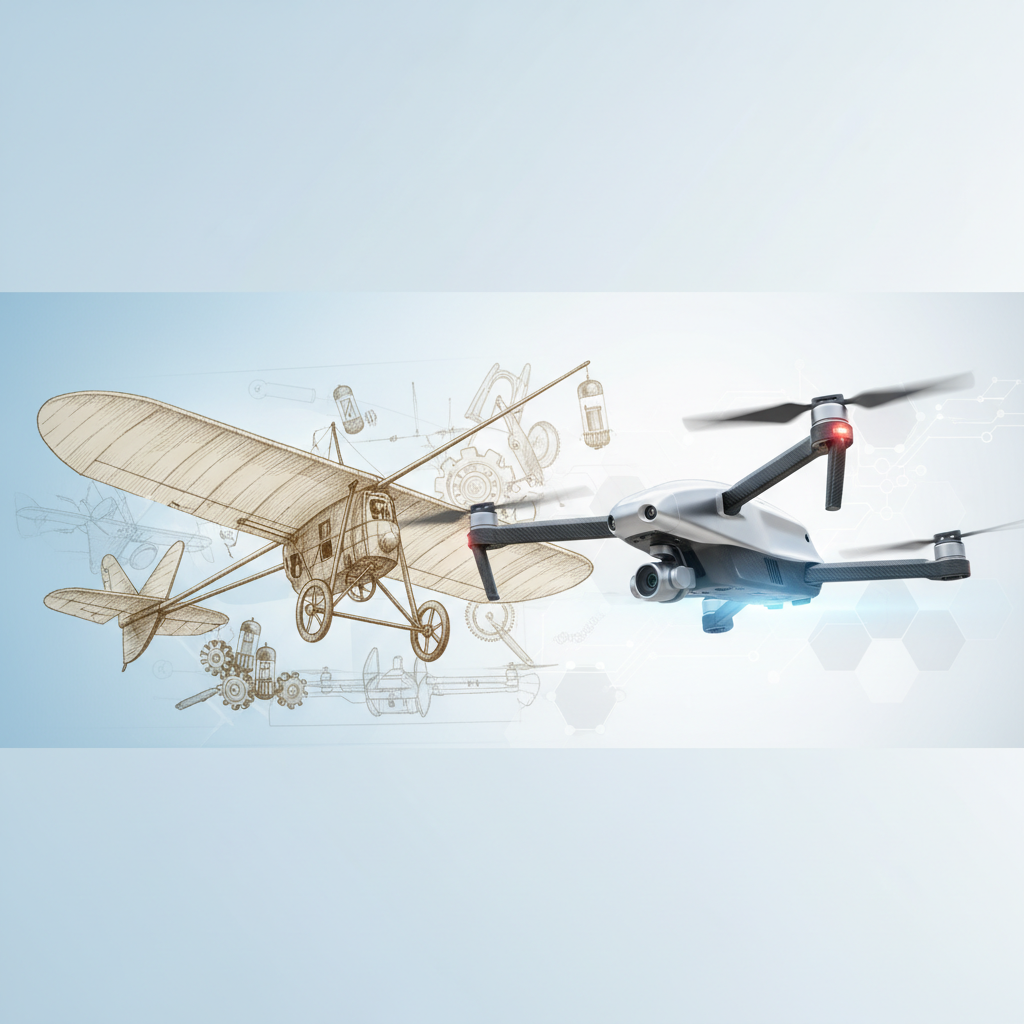
The invention of the drone can be attributed to multiple pioneers, but one of the significant figures in early drone technology is Sir George Cayley, who designed the first unmanned aerial vehicle in the 19th century. Drones, as we recognize them today, have transformed dramatically through the contributions of various inventors and advancements in technology over the decades. This article explores the history and key figures behind the invention of drones, tracing their evolution from early concepts to modern applications that span numerous industries.
The Early Concepts of Aerial Robotics
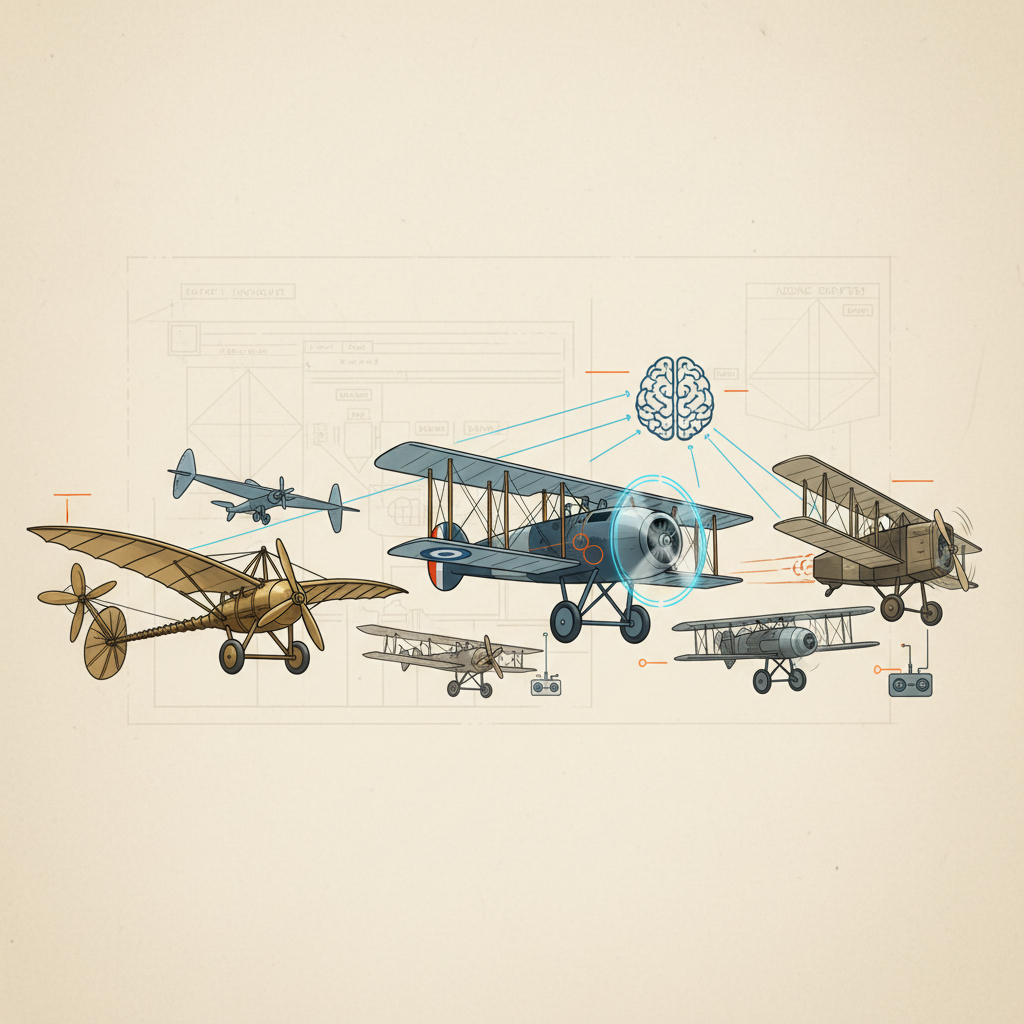
The roots of drone technology can be traced back to the early concepts of aerial robotics, where the principles of flight were first explored. Sir George Cayley, often referred to as the “father of aviation,” made significant contributions to understanding the forces of lift and drag. In the early 1800s, he designed a series of gliders and theorized about unmanned aerial vehicles, laying the groundwork for future developments in drone technology. His insights into aerodynamics established foundational principles that would influence generations of aviation innovators.
Additionally, the development of kites and hot air balloons played a crucial role in the evolution of unmanned flight. These early aerial devices were not only toys but also served scientific purposes, including meteorological observations. The technology of kites allowed for remote control and observation, which provided a basis for the more sophisticated drone technologies that would emerge later.
The Birth of Military Drones
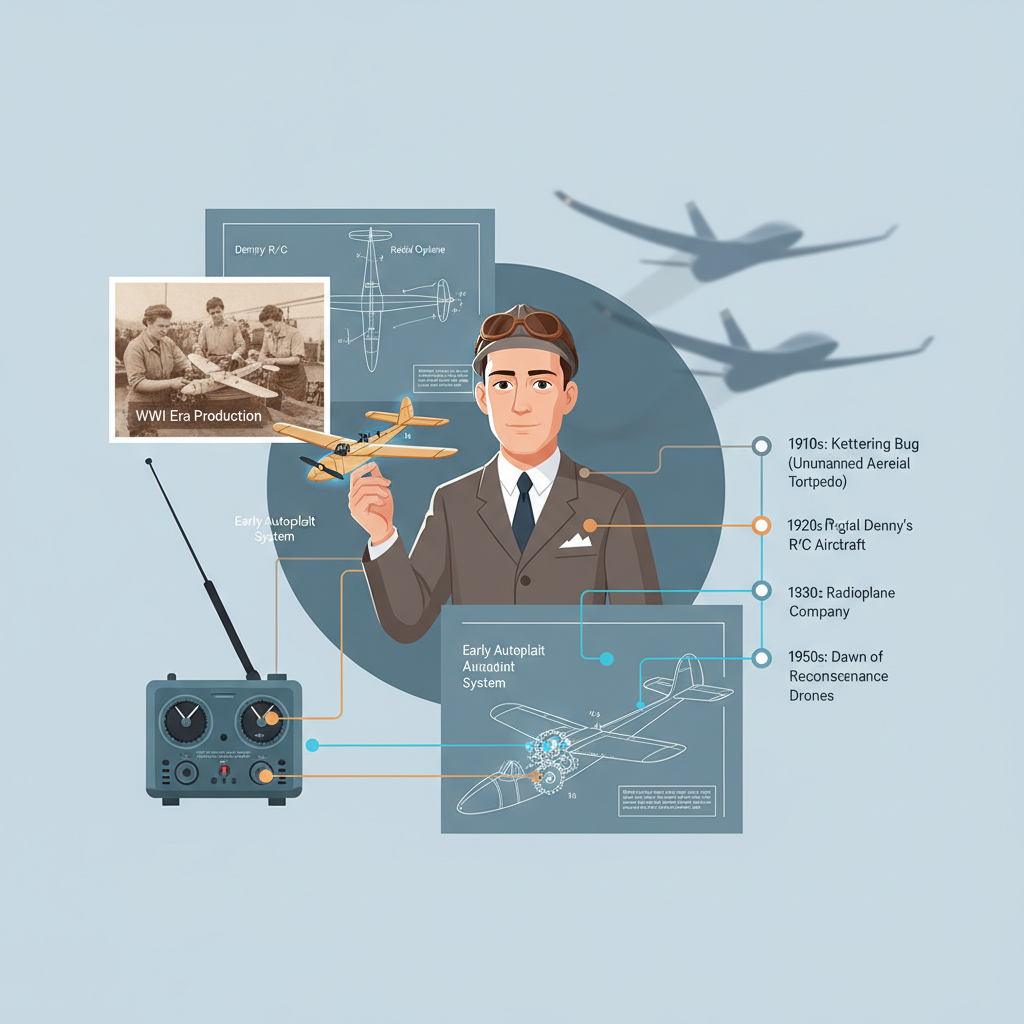
The inception of military drones can be traced back to World War I with the creation of the Kettering Bug, which is recognized as the first true drone. Designed by Charles Kettering, this unmanned aerial vehicle was a precursor to modern cruise missiles and was intended for bombing enemy targets without risking pilot lives. Although it was not used in combat, the Kettering Bug marked a pivotal moment in the evolution of drone technology.
During World War II, the military further advanced drone technology for reconnaissance missions and target practice. The Radioplane OQ-2, developed by actor and inventor Howard Hughes, was one of the first mass-produced drones used by the U.S. military. These early military drones were primarily designed for surveillance and training purposes, allowing military personnel to refine their skills in a controlled environment without endangering lives.
The Rise of Commercial Drones
The early 2000s marked the dawn of commercial drones, with companies like Aerovironment leading the charge. As technology advanced, particularly with the integration of GPS and lightweight cameras, drones began to transition from military applications to consumer markets. The introduction of consumer drones sparked a new wave of interest, enabling hobbyists and professionals alike to explore aerial photography, videography, and recreational flying.
The advent of brands such as DJI revolutionized the consumer drone market by offering accessible, user-friendly products with high-quality imaging capabilities. As drones became more affordable and easier to operate, their popularity surged, leading to new applications in sectors such as real estate, agriculture, and event documentation. The commercial drone market is now a rapidly growing industry, with applications extending to inspections, mapping, and even public safety.
Key Inventors and Innovators
Several key figures and companies have played a vital role in the development of drone technology. Abraham Karem, often dubbed the “father of the Predator drone,” is a standout innovator whose work significantly influenced military drone capabilities. His design of the MQ-1 Predator revolutionized aerial reconnaissance and targeted operations, showcasing the potential of unmanned systems in modern warfare.
On the commercial front, DJI has emerged as a leader in consumer drone technology, known for its innovative designs and user-friendly interfaces. The company’s drones, such as the Phantom and Mavic series, have set industry standards with integrated features like obstacle avoidance, automated flight modes, and high-resolution cameras. These advancements have not only made drones more accessible but have also encouraged a burgeoning ecosystem of developers and creators who utilize drones for various applications.
Current Trends in Drone Technology
As drone technology continues to evolve, the integration of artificial intelligence (AI) and machine learning is becoming a significant trend. Modern drones are increasingly equipped with advanced sensors and AI algorithms, enabling them to perform complex tasks autonomously, such as obstacle avoidance and target recognition. This integration enhances operational efficiency and safety across various applications, from delivery services to agricultural monitoring.
Drones are making substantial inroads into multiple sectors, including agriculture, where they are used for crop monitoring, spraying, and data collection. In logistics, companies like Amazon and UPS are exploring drone delivery systems to streamline package transport. Additionally, drones have found a home in photography and cinematography, providing unique perspectives and aerial shots that were once challenging and costly to capture. These trends highlight the versatility and transformative potential of drone technology in today’s world.
Future of Drones
Looking ahead, predictions about drone technology suggest a continued trajectory of rapid advancements and new applications. Innovations in battery life, payload capacity, and autonomous navigation systems are expected to enhance the functionality and efficiency of drones. As industries such as construction, emergency services, and environmental monitoring adopt drone technologies, the potential for new use cases is vast.
However, with the growth of drone technology comes the need for comprehensive regulations and ethical considerations. Ensuring the safe integration of drones into national airspace, addressing privacy concerns, and developing frameworks for responsible usage are essential challenges that stakeholders must navigate. As drone technology evolves, it will be crucial to balance innovation with safety, security, and public acceptance.
In conclusion, the invention of the drone is a story of innovation involving numerous inventors and technological advancements over the years. From Sir George Cayley’s early concepts to the sophisticated systems we see today, the journey of drones reflects a continuous evolution driven by creativity and necessity. As drones continue to shape various industries and change the way we interact with our environment, staying informed about the latest trends and developments in drone technology is essential for both enthusiasts and professionals alike.
Frequently Asked Questions
Who is credited with inventing the first drone?
The concept of drones can be traced back to the early 20th century, with significant contributions from various inventors. However, the first true drone, known as the Radioplane OQ-2, was invented by American aviation pioneer and inventor Howard Hughes during World War II. This unmanned aerial vehicle (UAV) was designed for target practice and marked the beginning of military drone technology.
How have drones evolved since their invention?
Since their inception, drones have undergone significant technological advancements, evolving from basic military tools to sophisticated devices utilized in various industries. Modern drones are equipped with GPS, high-definition cameras, and advanced sensors, enabling applications ranging from aerial photography and agriculture to search-and-rescue operations and surveillance. These advancements have made drones more accessible to consumers, leading to a boom in recreational and commercial use.
Why were drones originally developed?
Drones were originally developed for military purposes, specifically for training and reconnaissance missions. The primary goal was to create a safe and effective way to practice shooting at aerial targets without risking human pilots. Over time, the military recognized the potential for drones in surveillance and combat, paving the way for their expanded use in modern warfare and other applications.
What are some of the best uses for drones today?
Today, drones have a wide range of applications across various sectors. They are best known for uses in aerial photography and videography, agriculture for crop monitoring, real estate for property showcasing, and disaster relief for delivering supplies to hard-to-reach areas. Additionally, drones are increasingly being used in logistics, surveying, and mapping, making them an invaluable tool in both commercial and recreational settings.
Which countries are leading in drone technology development?
Several countries are at the forefront of drone technology development, with the United States, China, and Israel being notable leaders. The U.S. has a robust military drone program and a growing commercial drone market. Meanwhile, China, home to major manufacturers like DJI, dominates the consumer drone sector. Israel is renowned for its advanced military drone technology, which has influenced global drone development and innovation across various applications.
References
- https://en.wikipedia.org/wiki/Drone
- https://www.bbc.com/news/technology-48934749
- https://www.history.com/topics/inventions/drone
- https://www.nytimes.com/2013/05/10/us/armed-drones-and-their-uses.html
- https://www.airforce.com/technology/what-is-a-drone
- https://www.researchgate.net/publication/328889861_The_History_and_Development_of_Drones
- https://www.sciencedirect.com/science/article/pii/S2352864817301665
