
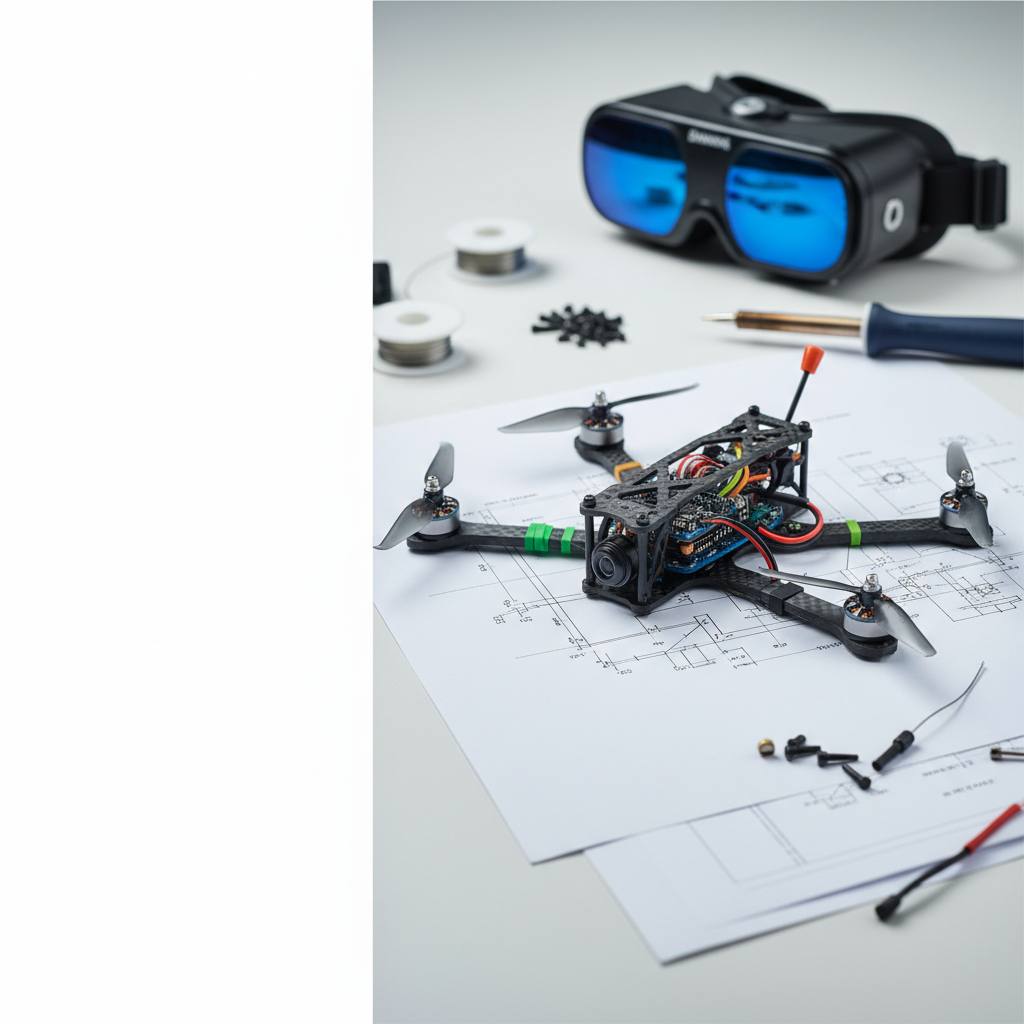
Building an FPV (First Person View) drone requires careful assembly of various components and precise configuration to achieve optimal performance. By gathering the essential parts and adhering to a structured approach, you can construct a drone tailored to your specific flying needs. This guide will walk you through the entire process, ensuring that even those new to drone building can navigate with ease.
Understanding FPV Drone Components
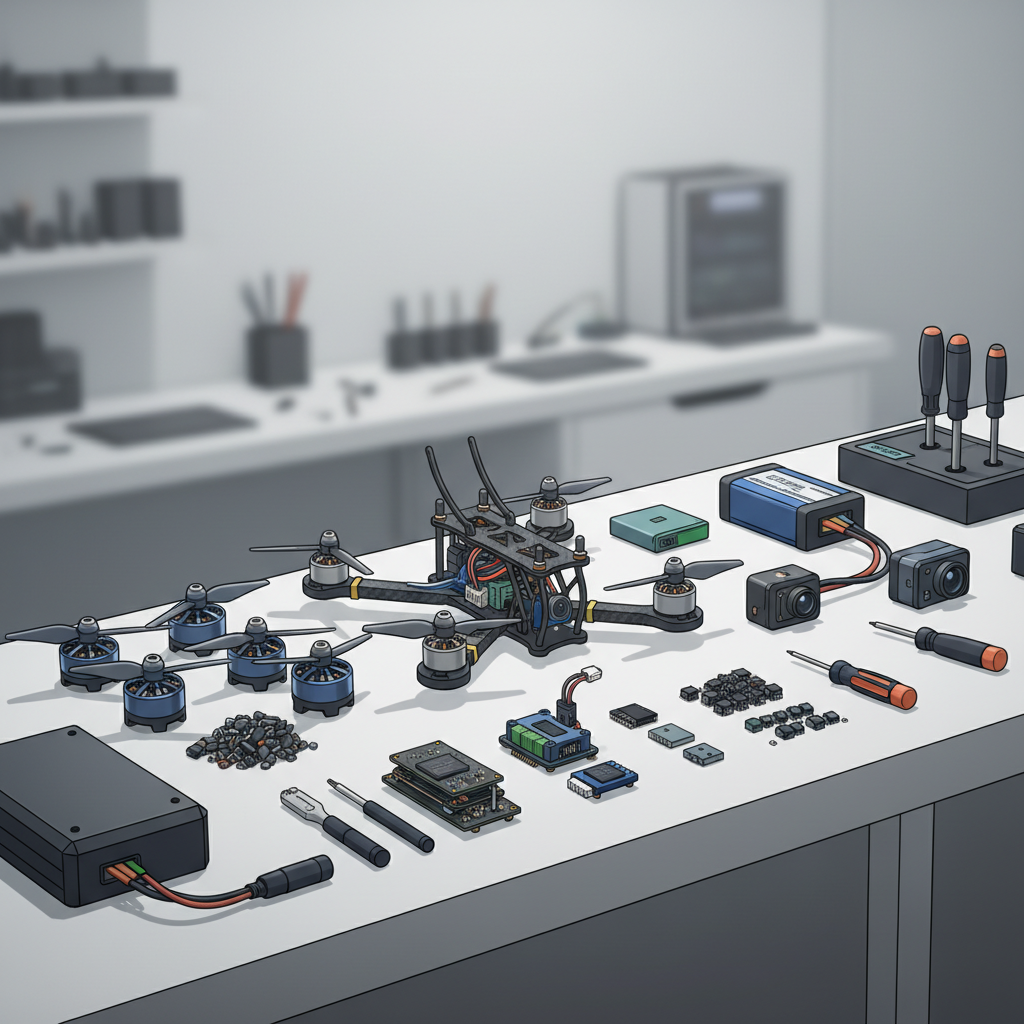
The foundation of any FPV drone lies in its components, each playing a crucial role in the overall functionality and flight experience.
– Frame: The frame is the skeleton of your drone, and selecting a lightweight yet durable material is essential for both performance and longevity. Popular materials include carbon fiber and plastic, which provide an excellent balance between strength and weight. When choosing a frame, consider the size, typically measured in millimeters (e.g., 250mm for racing drones), which corresponds to the diagonal distance between the motors.
– Motors: Motors are pivotal in determining your drone’s thrust and maneuverability. The choice of motors should align with your drone’s weight and the desired flight characteristics. Brushless motors are the most common choice for FPV drones due to their efficiency and power. Pay attention to the KV rating, as this indicates the motor’s RPM per volt; higher KV motors provide more speed, while lower KV motors are better for torque.
– Flight Controller: The flight controller acts as the drone’s brain, processing input from the pilot and sensors to maintain stability and control. Select a flight controller that supports the features you need, such as GPS, altitude hold, or advanced flight modes. Popular options include the Betaflight and FlightOne controllers, which offer a variety of customizable settings.
Essential Tools and Equipment
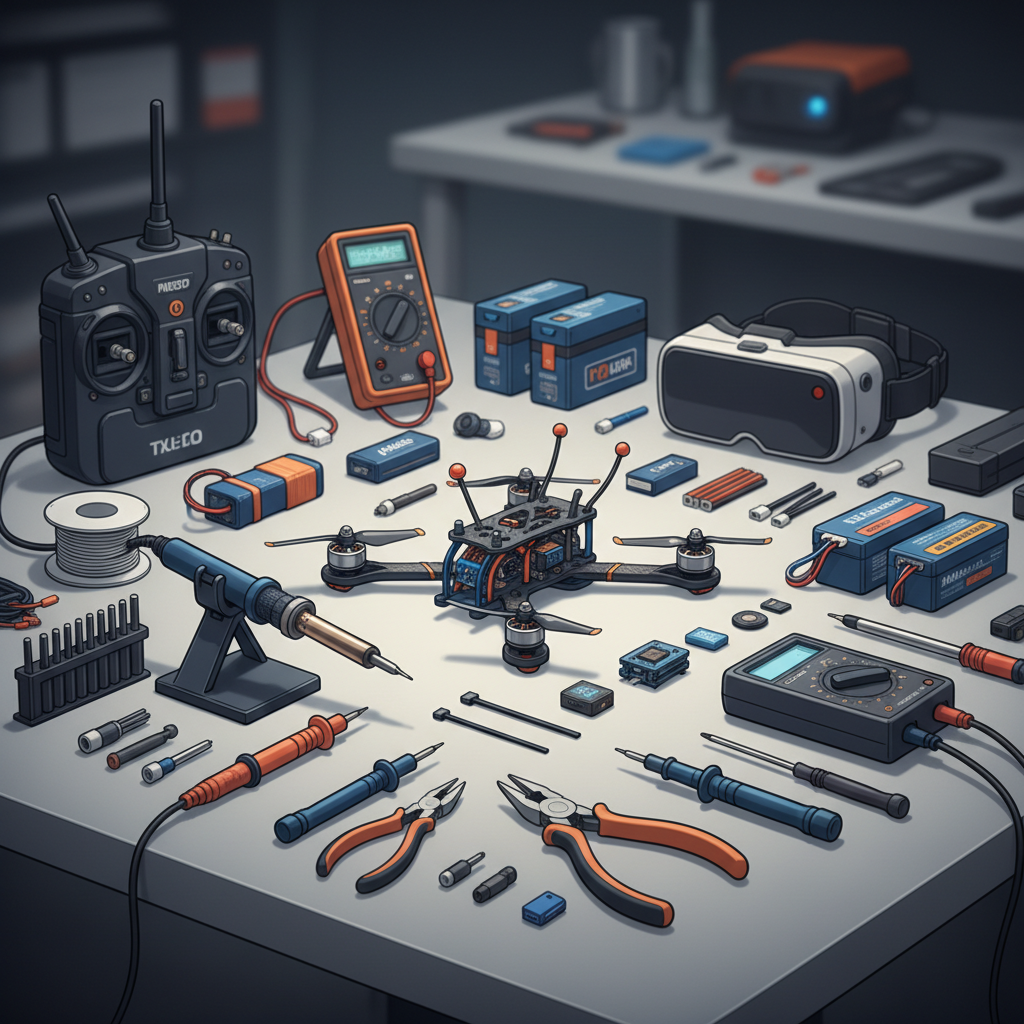
Having the right tools and equipment is crucial for a successful drone build.
– Soldering Iron: A soldering iron is necessary for securely connecting electronic components, ensuring reliable electrical connections. When selecting a soldering iron, consider one with adjustable temperature settings for better control.
– Propeller Tool: A propeller tool simplifies the process of changing and adjusting propellers, allowing for quick modifications based on flight conditions or performance needs. This tool is especially useful when experimenting with different prop sizes or pitch.
– Multimeter: A multimeter is invaluable for checking connections and ensuring proper voltage throughout your system. It can help diagnose issues such as short circuits or faulty connections, which can prevent your drone from functioning correctly.
Assembling the Drone Frame
The assembly of the drone frame is a crucial step as it sets the stage for the rest of the build.
– Step-by-Step Assembly: Begin by following the manufacturer’s instructions for your chosen frame. Lay out all parts to ensure you have everything before starting. Typically, this involves connecting the arms to the central body and securing them with screws.
– Mounting Motors: Once the frame is assembled, securely attach the motors to their designated positions. Ensure that each motor is well-aligned and that the propeller mounts are facing the correct direction for optimal thrust.
– Wiring Setup: Organize and secure the wiring within the frame to prevent interference during flight. Use zip ties or Velcro straps to bundle wires neatly, reducing the risk of tangling in the propellers or other moving parts.
Installing Electronics
The installation of electronics is where your drone starts to come to life.
– Flight Controller Setup: Connect the flight controller to the motors and sensors according to the wiring diagram provided. Ensure that all connections are secure, and consider using heat shrink tubing to protect soldered joints from damage.
– Video Transmitter: Install and connect the video transmitter for an FPV feed. Position the transmitter in a location that minimizes interference with other electronics, and ensure the antenna is securely fastened to provide a clear video signal.
– Camera Placement: The camera should be positioned for optimal viewing angles, typically facing forward and slightly downward. Secure it using the provided mounts, and make sure it is free from obstructions that might block the view.
Configuring Software and Fine-Tuning
Once your drone is physically assembled, it’s time to configure the software and fine-tune its settings.
– Firmware Installation: Upload the appropriate firmware to the flight controller to enable functionality. Depending on your flight controller, this may involve using specific software like Betaflight Configurator or INAV.
– Calibration: Calibrate the drone’s sensors to ensure accurate performance. This includes calibrating the accelerometer and gyroscope, which is crucial for stable flight. Follow the calibration procedures outlined in your flight controller’s manual.
– Flight Testing: Conduct initial test flights in a safe, open area to adjust settings and ensure stability. Start with low-altitude flights, gradually increasing altitude and complexity as you become more confident in the drone’s performance.
Troubleshooting Common Issues
Even the most meticulously built drones can encounter issues. Here are some common problems and their solutions.
– Power Problems: If the drone won’t power on, check all battery connections and voltage levels. Make sure the battery is charged and properly connected to the ESC (Electronic Speed Controller).
– Flight Instability: If you notice instability during flight, it may be necessary to adjust the PID (Proportional, Integral, Derivative) settings. These parameters influence how the flight controller responds to changes in flight conditions.
– Video Feed Issues: If the FPV feed is lost, double-check all wiring connections to the video transmitter and camera. Ensure that the antenna is properly installed and that there are no obstructions interfering with the signal.
Safety Tips for Flying FPV Drones
Safety should always be a priority when flying FPV drones.
– Pre-Flight Checks: Always conduct thorough checks before each flight, including verifying battery levels, ensuring all components are secure, and checking for any signs of damage.
– Respect Regulations: Be aware of local laws governing drone use, including altitude limits and no-fly zones. Adhering to these regulations not only ensures safety but also promotes responsible flying.
– Maintain Line of Sight: While FPV flying can be immersive, it is crucial to keep the drone within visual range to avoid accidents. Use a spotter if necessary to help monitor the drone’s position.
Building an FPV drone can be a rewarding experience, enhancing your flying capabilities and providing a thrilling hobby. By following this structured guide, you can create a custom drone that fits your specific needs and preferences. Remember to stay updated on the latest technology and safety practices to ensure the best experience in your FPV adventures.
Frequently Asked Questions
What are the essential components needed to build an FPV drone?
To build an FPV (First Person View) drone, you will need several key components: a frame, motors, electronic speed controllers (ESCs), a flight controller, a video transmitter (VTx), a camera, a battery, and a remote control system. Each component plays a vital role in the drone’s performance, from the frame providing structural integrity to the camera and VTx enabling the FPV experience. Additionally, you may consider accessories like propellers, a receiver, and a ground station for monitoring.
How do I choose the right frame for my FPV drone?
Choosing the right frame for your FPV drone depends on various factors, including your flying style, the type of racing or freestyle you plan to engage in, and the size of your components. Generally, frames come in different sizes (measured in millimeters from motor to motor) and materials (such as carbon fiber or plastic), which affect weight and durability. Opt for a frame that accommodates your chosen components while providing enough space for wiring and ventilation, ensuring a balance between weight and strength for optimal performance.
Why is the flight controller crucial when building an FPV drone?
The flight controller is the brain of your FPV drone, responsible for stabilizing the aircraft and processing inputs from the remote controller. It interprets data from various sensors (like gyroscopes and accelerometers) to maintain flight stability and control responsiveness. A good flight controller enhances your flying experience by providing smooth flight characteristics and advanced features like GPS hold and altitude stabilization, making it essential for both beginners and experienced pilots.
What is the best battery type for FPV drones?
The best battery type for FPV drones is typically a lithium polymer (LiPo) battery, known for its high energy density and ability to deliver significant power in a lightweight package. When selecting a LiPo battery, consider its capacity (measured in milliamp hours, or mAh), discharge rate (C rating), and voltage (number of cells, typically 3S to 6S for most FPV drones). A higher capacity allows for longer flight times, while a higher discharge rate enables your drone to perform better during demanding maneuvers.
Which FPV drone building mistakes should I avoid?
Common mistakes when building an FPV drone include underestimating the importance of proper soldering techniques, neglecting component compatibility, and failing to secure connections adequately. Additionally, beginners often overlook the significance of weight distribution and balance, which can negatively affect flight performance. To avoid these pitfalls, take your time researching components, practice soldering skills, and consider using online resources or forums to learn from experienced builders about best practices and troubleshooting tips.
References
- https://en.wikipedia.org/wiki/Fpv_drone
- https://www.asa.org.au/education/drones-in-australia/
- https://www.suasnews.com/2021/02/building-an-fpv-drone-a-comprehensive-guide/
- https://www.uwm.edu/engineering/
- https://www.cmu.edu/
- https://www.nasa.gov/
- https://www.uvm.edu/
- https://www.faa.gov/uas/getting_started/
- https://www.dronepilotgroundschool.com/learn-to-fly-drones/
- https://www.instructables.com/Fpv-drone/
