
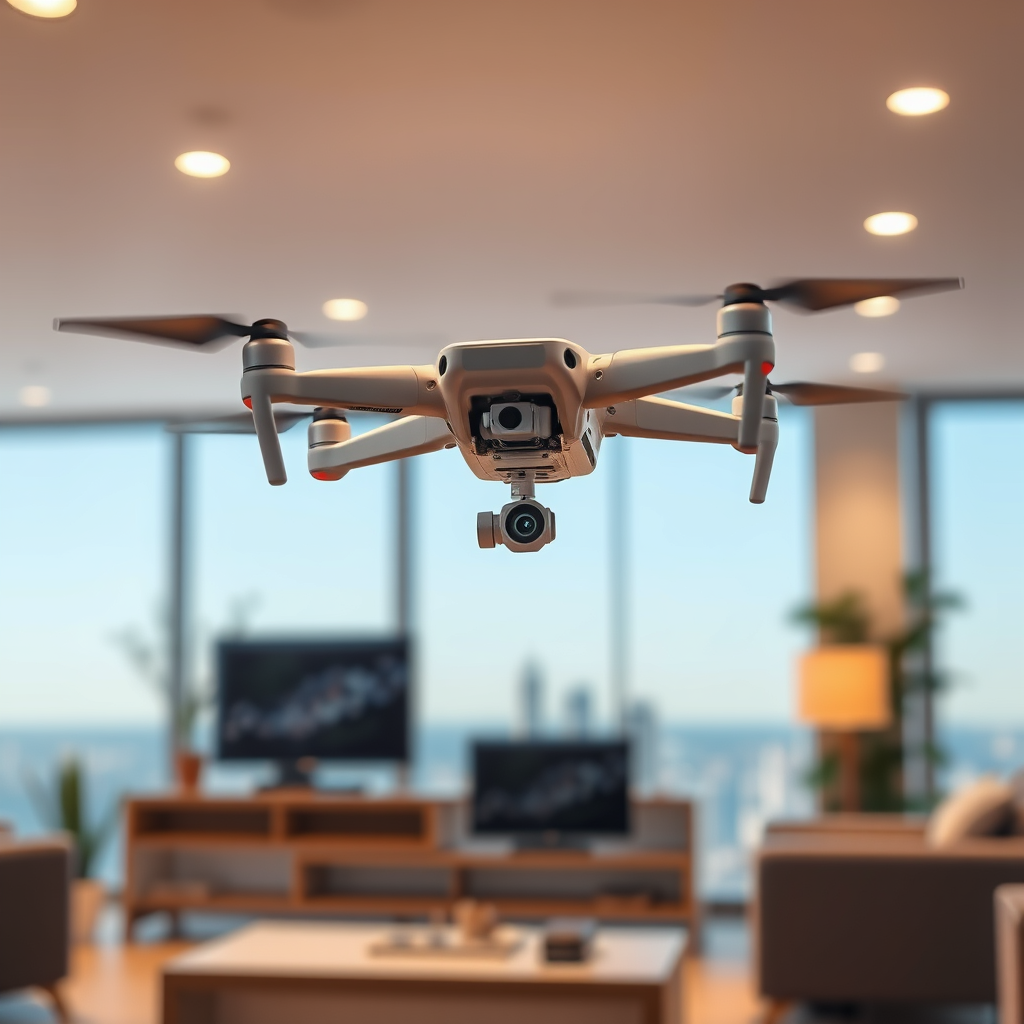
Drones can typically fly at altitudes up to 400 feet (122 meters) in the United States, according to FAA regulations. This altitude limit is established primarily for safety and to minimize the risk of collisions with manned aircraft. However, the actual flying height for a drone can be influenced by various factors, including the drone’s design, its intended purpose, and local laws. In this article, we will delve into the nuances surrounding drone altitude limits, explore the factors that can impact a drone’s maximum flying height, examine regulations in different regions, and discuss how altitude affects drone performance.
Understanding Drone Altitude Limits
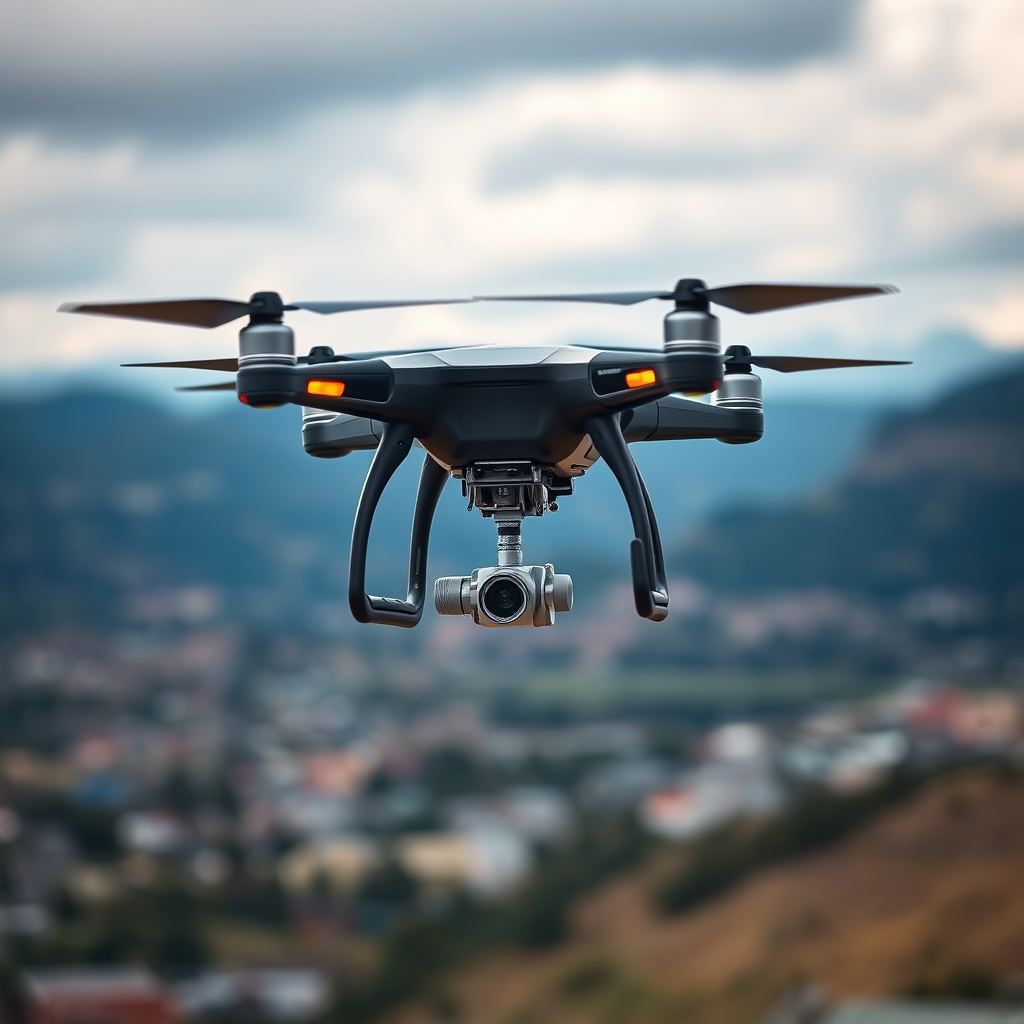
Most consumer drones are limited to a maximum altitude of 400 feet for both safety and compliance with aviation regulations. This restriction is enforced by the Federal Aviation Administration (FAA) in the United States, which aims to ensure that drones do not interfere with the operations of manned aircraft. Commercial drones, however, may be allowed to fly at different altitudes depending on their specific applications. For instance, drones used for surveying or agricultural purposes might be permitted to fly higher, particularly when they are operating in remote areas where there is little risk of encountering manned aircraft. Understanding these altitude limits is essential for drone operators, as exceeding them can lead to legal repercussions and safety hazards.
Factors Influencing Maximum Altitude
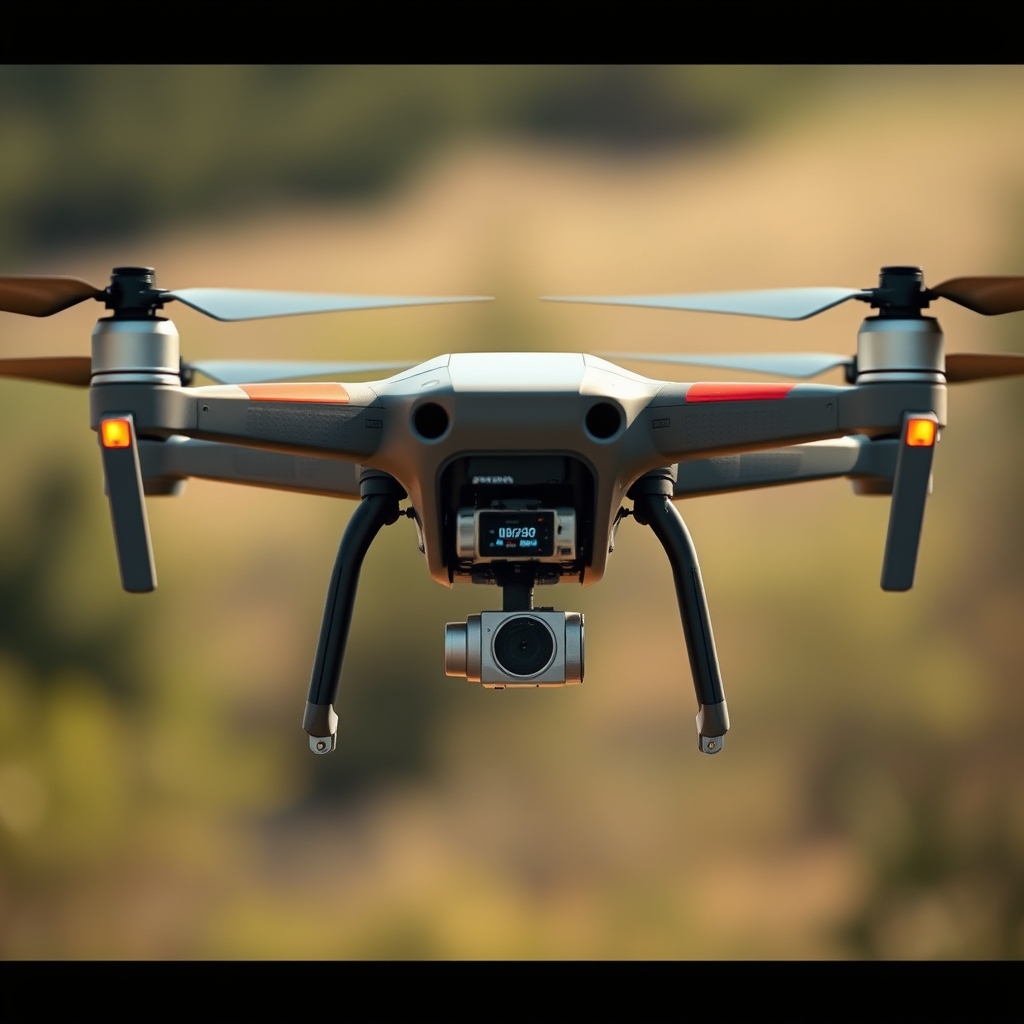
Several factors significantly influence a drone’s ability to reach and maintain higher altitudes.
1. Design and Construction: The drone’s physical characteristics, including its size, weight, and materials, play a critical role in its altitude capabilities. For example, larger drones typically have more powerful motors and larger propellers, enabling them to efficiently gain altitude. Drones designed for heavy payloads may have enhanced lift capabilities, allowing them to fly higher than standard consumer models.
2. Weight and Payload: The weight of the drone itself, along with any additional payload it carries, directly impacts its flight performance. A heavier drone will require more power to achieve and maintain altitude, which can limit its maximum flying height. Operators should always consider the weight limitations specified by the manufacturer to ensure optimal performance.
3. Battery Life: Battery efficiency is another critical factor that influences altitude. As a drone ascends, it requires more energy to maintain lift, which can quickly deplete the battery. Understanding battery life and the drone’s power consumption at various altitudes is essential for safe operations.
4. Weather Conditions: Environmental factors such as wind, temperature, and humidity can also affect altitude capabilities. High winds can make it challenging for drones to maintain stability at higher altitudes, while colder temperatures can impact battery efficiency. Operators should always monitor weather conditions before flying to ensure safe operations.
Regulations by Region
In the United States, the FAA mandates a maximum altitude of 400 feet for drone operations, primarily to ensure the safety of manned aircraft. However, these regulations can vary significantly across different countries.
Canada: In Canada, the regulations are similar, with a maximum altitude of 400 feet for most drone operations. However, the Canadian Aviation Regulations allow for higher altitudes in specific situations, such as when operating within controlled airspace under specific permissions.
United Kingdom: The UK’s Civil Aviation Authority (CAA) also enforces a maximum altitude of 400 feet for drone flights, with additional restrictions for flying near airports and aerodromes. The UK regulations emphasize the importance of maintaining visual line-of-sight during drone operations, which further limits altitude capabilities.
Understanding local regulations is paramount for drone operators, as non-compliance can lead to fines and other penalties. It is advisable to consult the relevant aviation authority before flying to ensure compliance with current laws.
The Role of Airspace
Airspace classification plays a crucial role in defining where and how drones can operate. Airspace is generally divided into controlled and uncontrolled sections:
Controlled Airspace: This is typically found around airports and requires specific authorizations for drone operations. In controlled airspace, drone pilots must adhere to stricter regulations, which may include altitude restrictions and required communication with air traffic control.
Uncontrolled Airspace: In contrast, uncontrolled airspace allows for greater freedom of operation, provided that drone pilots comply with existing regulations, such as the 400-foot altitude limit. However, it remains essential for operators to be aware of other potential hazards, including wildlife, tall structures, and other drones.
Before embarking on a flight, drone operators must familiarize themselves with local airspace restrictions to ensure safe and compliant flying.
Effects of Altitude on Drone Performance
Altitude can significantly impact a drone’s performance, particularly in terms of battery life and flight stability.
1. Battery Life: As altitude increases, the air density decreases, which affects the drone’s lift capabilities. Drones may require more energy to stay aloft, leading to quicker battery depletion. Operators should plan their flights carefully, considering the impact of altitude on battery performance to avoid unexpected landings.
2. Flight Stability: At higher altitudes, drones may experience changes in wind patterns and turbulence, which can affect flight stability. Thinner air can reduce the effectiveness of drone propellers, leading to challenges in maintaining altitude and control. Operators should be prepared for these changes and adjust their flying techniques accordingly.
Understanding these performance implications is vital for ensuring safe and efficient drone operations.
Future Trends in Drone Flight Altitude
As drone technology continues to advance, we may see changes to altitude limits and capabilities. Innovations such as improved battery technology, more efficient propulsion systems, and advancements in materials could allow drones to fly at greater heights safely.
Furthermore, as drone applications expand into areas like delivery services and infrastructure monitoring, regulatory bodies may adapt their altitude regulations to accommodate these new use cases. Continuous dialogue between drone manufacturers, operators, and regulatory agencies will be essential to ensure that regulations evolve alongside technological advancements.
In conclusion, while the maximum altitude for drone flight is generally capped at 400 feet, various factors such as regulations, design, and environmental conditions play a crucial role in determining how high a drone can actually fly. Always be sure to check local laws and stay informed about any changes to ensure safe and compliant flying. Understanding these dynamics not only enhances the safety of drone operations but also enables operators to maximize the potential of their airborne technology.
Frequently Asked Questions
What is the maximum altitude a drone can fly?
The maximum altitude a drone can fly typically depends on local regulations and the specific model of the drone. In the United States, the Federal Aviation Administration (FAA) allows drones to fly up to 400 feet above ground level (AGL) for recreational use. Some commercial drones may have higher altitudes, but it’s crucial to check local laws to ensure compliance with regulations in your area.
How does the drone’s weight affect its flying height?
A drone’s weight significantly impacts its performance and maximum flying height. Heavier drones may struggle to achieve higher altitudes due to decreased lift capacity and battery efficiency. Additionally, regulations often restrict heavier drones to lower altitudes, so understanding the weight limits of your drone model can help optimize its operational height.
Why do some drones have altitude restrictions?
Drones have altitude restrictions primarily for safety and regulatory compliance reasons. These limits help prevent accidents with manned aircraft, protect sensitive airspace (like airports), and ensure safe operation in populated areas. By adhering to these altitude restrictions, drone pilots can minimize risks and contribute to a safer airspace environment.
Which drones are best for high-altitude flying?
Drones specifically designed for high-altitude flying, such as the DJI Matrice series or certain models from Yuneec and Parrot, are generally the best options. These drones feature powerful motors and advanced flight control systems that enable them to operate at higher altitudes effectively. When selecting a drone for high-altitude use, consider factors like battery life, weight capacity, and compliance with local flying regulations.
What should I do if I want to fly a drone above the legal altitude limit?
If you wish to fly a drone above the legal altitude limit, you must obtain the necessary permits and authorizations from aviation authorities, such as the FAA in the U.S. This may involve applying for a Special Airworthiness Certificate or a waiver for specific operations. Always prioritize safety and compliance with regulations to avoid penalties and ensure responsible drone operation.
References
- https://en.wikipedia.org/wiki/Drone
- https://www.faa.gov/uas/getting_started/registration
- https://www.nasa.gov/centers/dryden/pdf/81558.pdf
- https://www.reuters.com/article/us-usa-drone-regulations-idUSKBN2A20L5
- https://www.abc.net.au/news/2021-04-21/how-high-can-drones-fly/100069652
- https://www.sciencedirect.com/science/article/pii/S2352864821000633
- https://www.dronelife.com/2020/10/12/how-high-can-drones-fly/
- https://www.theguardian.com/technology/2021/may/08/drones-privacy-issues-where-to-fly
- https://www.faa.gov/uas/advanced_operations/faq/
