
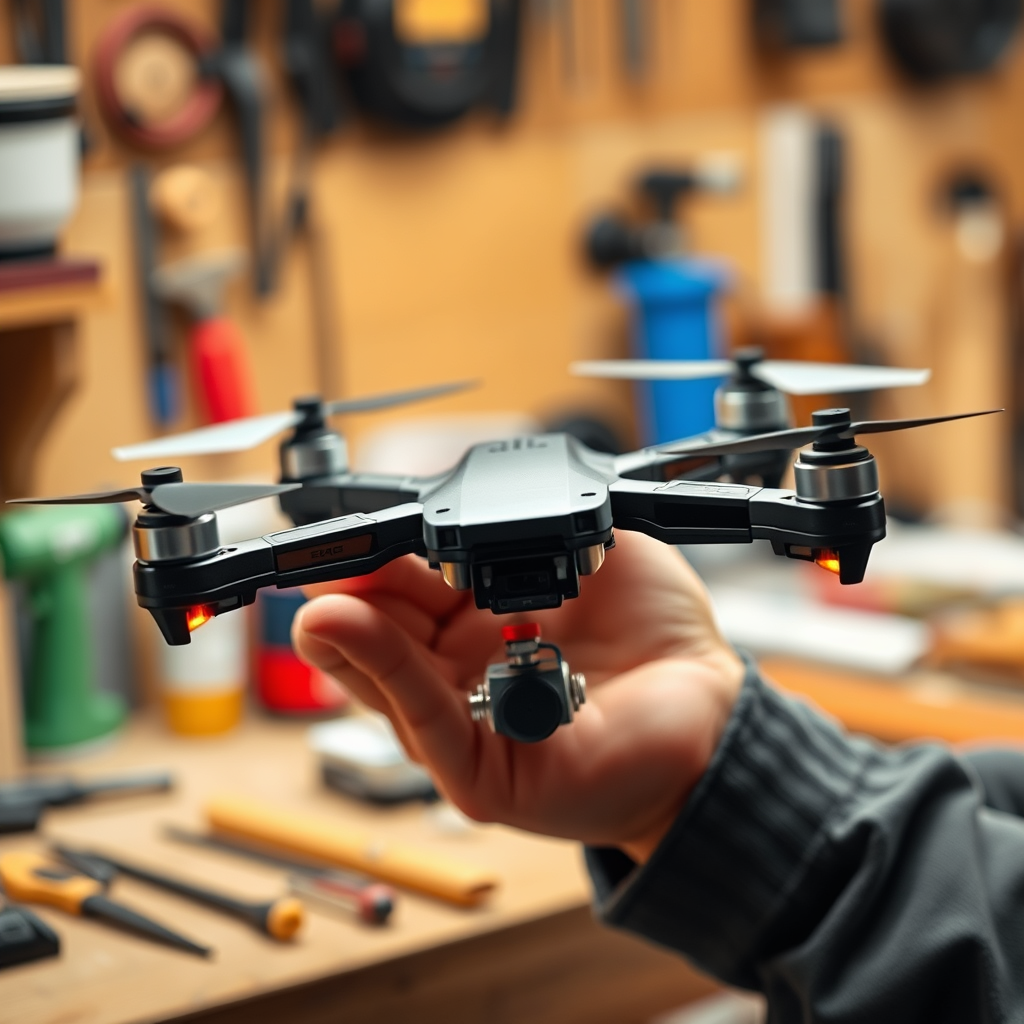
To make a drone, you need to gather essential components, understand basic assembly techniques, and follow safety guidelines. This guide will walk you through the process, ensuring you have everything you need to build your own drone successfully. The world of drones is expansive and ever-evolving, and building one from scratch can be an exciting and rewarding project. Whether you’re a hobbyist looking to explore aerial photography or a tech enthusiast eager to learn about flight dynamics, this comprehensive guide will provide you with the necessary steps to create your own drone.
Understanding Drone Components
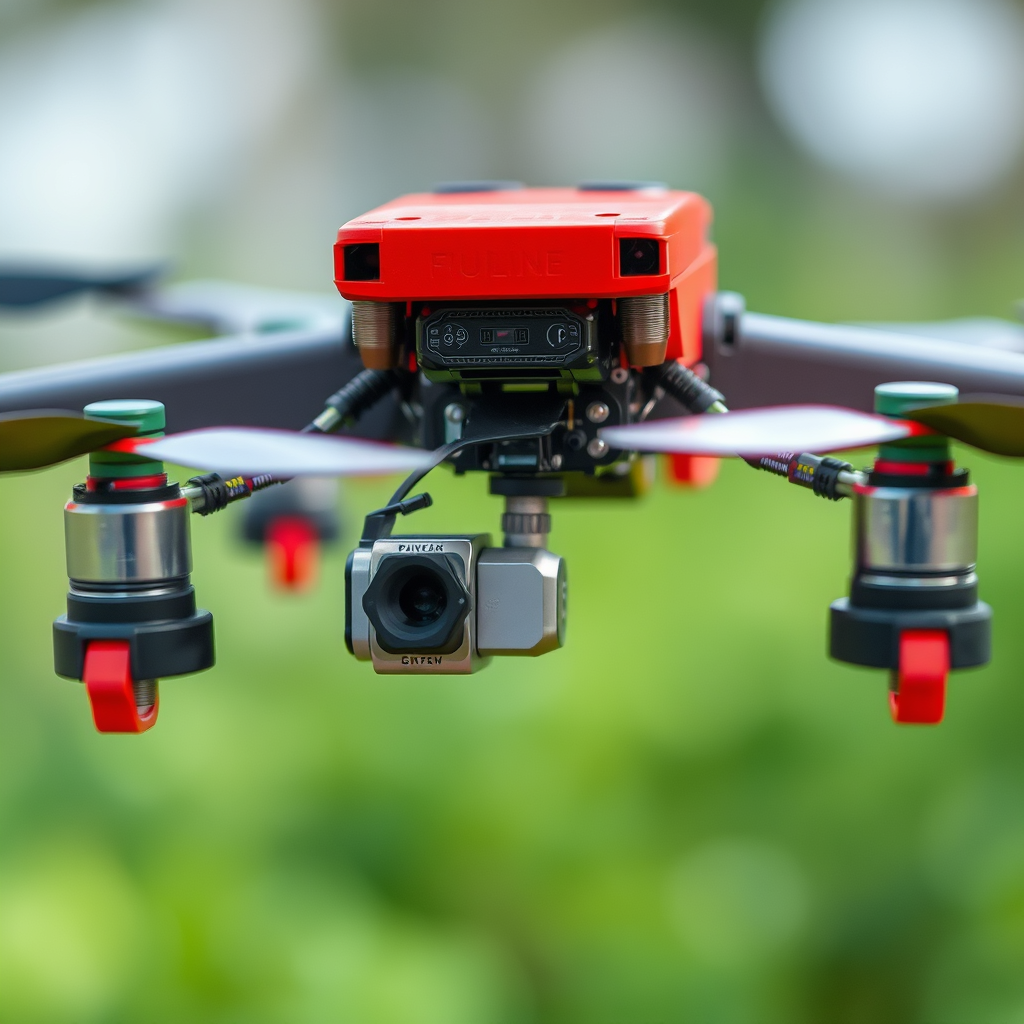
To build a functional drone, it is crucial to familiarize yourself with its key components. The primary parts include the frame, motors, propellers, battery, and flight controller.
– Frame: This serves as the structure of your drone, typically made from lightweight materials such as carbon fiber or plastic. Selecting the right frame is essential, as it affects the drone’s durability and weight.
– Motors: Brushless motors are the most common choice for drones due to their efficiency and power. They convert electrical energy from the battery into rotational energy, powering the propellers.
– Propellers: The size and pitch of the propellers affect your drone’s lift and maneuverability. Depending on your drone configuration, you will typically require four propellers for a quadcopter.
– Battery: Lithium Polymer (LiPo) batteries are favored for their high energy density and lightweight characteristics. Choosing the right battery will influence your drone’s flight time and overall performance.
– Flight Controller: This is the brain of the drone, responsible for stabilizing the vehicle, controlling the motors, and interpreting pilot commands. Popular options include the Pixhawk and the Flight controller from DJI.
Additionally, understanding the different types of drones—such as quadcopters, hexacopters, and octocopters—will help you decide which configuration suits your needs. Quadcopters are the most common for beginners due to their simplicity and stability.
Gather Necessary Tools
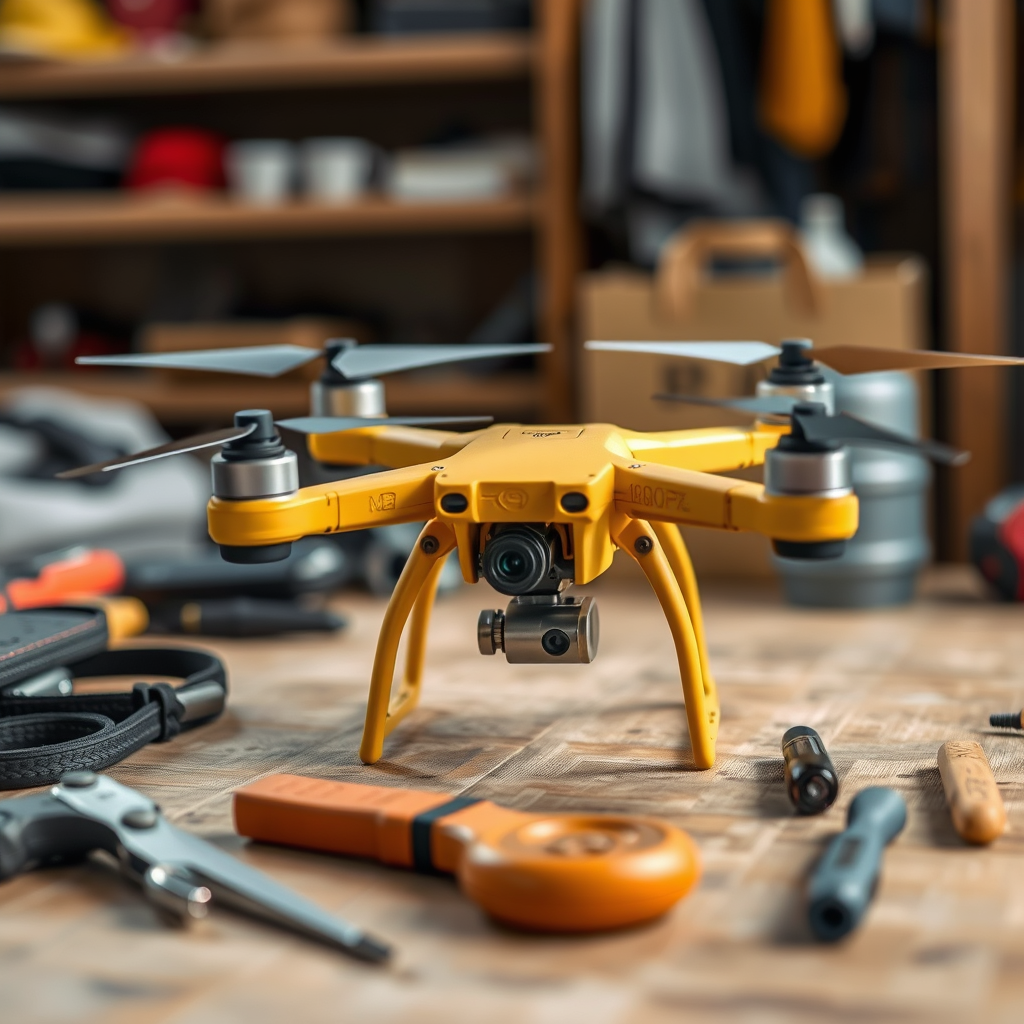
Before diving into the assembly, ensure you have all the necessary tools at your disposal. Key tools include:
– Soldering Iron: Essential for connecting wires, especially when assembling the electronic speed controllers (ESCs) to the motors and flight controller.
– Screwdriver Set: A set of precision screwdrivers is necessary for securing components like motors, battery mounts, and the flight controller.
– Propeller Balancer: This tool helps ensure that your propellers are balanced, which is vital for stable flight.
In addition to tools, safety gear is paramount during assembly. Wearing goggles will protect your eyes from soldering accidents, while gloves can prevent injury from sharp components. Always work in a well-lit area to avoid misplacing parts or making assembly errors.
Assembling the Drone Frame
The first physical step in building your drone is assembling the frame. Follow the manufacturer’s instructions closely, as each frame design will vary. Start by laying out all frame parts according to the instruction manual.
Once you have the base structure assembled, securely attach the motors to the frame. Ensure the motors are evenly spaced and positioned correctly to maintain balance during flight. Misalignment can lead to unstable flight characteristics.
After the motors are attached, consider adding landing gear or shock-absorbing legs to protect your drone during landings. This is particularly important for beginners, as initial flights may result in minor crashes.
Wiring and Electronics Installation
Wiring is a critical stage in the drone assembly process. Begin by connecting the electronic speed controllers (ESCs) to the motors. Each ESC is responsible for regulating the speed of its respective motor, so ensure these connections are secure.
Next, wire the battery to the flight controller, taking care to ensure correct polarity to avoid short circuits. Most flight controllers will have clear diagrams indicating where each wire should connect, simplifying this process. When wiring, use heat shrink tubing or electrical tape to protect connections and prevent shorts.
Additionally, ensure that all wiring is tidy and secured to the frame to prevent it from interfering with the propellers during flight. A clean wiring job not only looks professional but also minimizes the risk of malfunctions.
Configuring the Flight Controller
Once your wiring is complete, turn your attention to the flight controller. Install the necessary software on your computer, often provided by the flight controller manufacturer. This software will typically guide you through the configuration process.
During setup, calibrate your drone’s settings, including flight modes and control sensitivity. Most flight controllers allow you to customize parameters such as altitude hold, GPS stabilization, and return-to-home features, enhancing your flying experience.
It is advisable to perform a firmware update during this stage to ensure you have the latest features and bug fixes. Moreover, familiarize yourself with the software interface, as it will be essential for future adjustments or troubleshooting.
Conducting Pre-Flight Checks
Before taking to the skies, conduct thorough pre-flight checks to ensure your drone is ready for flight. Begin by inspecting all connections and components for secure fit and functionality. Check that the battery is fully charged and properly connected.
Perform a test run of the motors to verify that they are operating correctly. It is beneficial to do this without propellers attached to avoid any accidents. Additionally, test the response of the flight controller to ensure everything is functioning as expected.
Verify that the drone’s firmware is up to date and that any software configurations are correctly set. This comprehensive checklist will help prevent potential issues during your first flight.
Safety Considerations for Flying
Understanding safety regulations is paramount when it comes to flying drones. Familiarize yourself with local regulations regarding drone flight, which may include altitude limits and designated no-fly zones. The Federal Aviation Administration (FAA) in the United States, for example, has specific guidelines for drone operation that all pilots must adhere to.
Always choose an open space for your flights, ideally away from populated areas or obstacles. Keeping your drone within sight at all times is essential for maintaining control and ensuring the safety of those around you.
Additionally, consider utilizing a flight simulator to practice your piloting skills before taking your drone into the air. This can help reduce the risk of crashes and enhance your understanding of drone controls.
To summarize, making a drone involves understanding its components, carefully assembling the parts, and ensuring safety throughout the process. With this guide, you are equipped to start your drone-building journey—so gather your materials and get started! As you embark on this endeavor, remember that patience and practice are key to mastering drone flight and achieving successful builds.
Frequently Asked Questions
What are the essential components needed to make a drone?
To build a drone, you need several key components, including a frame, motors, electronic speed controllers (ESCs), a flight controller, a battery, and propellers. The frame serves as the structure, while the motors and ESCs provide propulsion and control. Additionally, a flight controller is crucial for stabilizing the drone during flight, and a battery supplies the necessary power. For those looking to add features, consider including a camera for aerial photography or a GPS module for navigation.
How can I assemble a drone step by step?
Assembling a drone typically involves first attaching the motors to the frame, ensuring they are securely fastened. Next, connect the ESCs to each motor and then to the flight controller, which will manage input signals. After that, install the battery and make sure all connections are properly secured. Finally, calibrate your flight controller and test the drone before flying to ensure everything is working correctly. Following detailed tutorials or guides can be extremely helpful during the assembly process.
Why should I consider making my own drone instead of buying a pre-built one?
Making your own drone allows for customization and a deeper understanding of how drones operate. By building a drone, you can select high-quality components that suit your specific needs, whether it be for racing, photography, or exploration. Additionally, assembling a drone can be a rewarding project that enhances your technical skills and can often be more cost-effective than purchasing a pre-built model, especially if you are looking for advanced features.
What is the best type of drone for beginners to build?
For beginners, a quadcopter drone is the best option to start with due to its stability and ease of control. Look for ready-to-assemble kits that come with all necessary components and detailed instructions, as these often simplify the building process. Popular beginner models often feature a lightweight frame and basic flight controllers that make it easier to learn how to pilot a drone effectively.
Which tools do I need for building a drone?
To build a drone, you will need basic tools such as a soldering iron for connecting wires, a multimeter for testing electrical connections, and a screwdriver set for assembling the frame and components. Additionally, having heat shrink tubing, zip ties, and a propeller balancing tool can enhance the building process. If you’re new to drone assembly, consider investing in a toolkit designed specifically for drone building, which often includes all the essentials in one package.
References
- https://en.wikipedia.org/wiki/Drone
- https://www.nasa.gov/mission_pages/robotics/drones.html
- https://www.faa.gov/uas/
- https://www.societyofrobots.com/robot_drones.shtml
- https://www.sciencedirect.com/science/article/pii/S2351978918300983
- https://www.uw.edu/engineering/robotics/
- https://www.aaai.org/ojs/index.php/aimagazine/article/view/2743
- https://www.jstor.org/stable/10.5325/jsciencetechnol.10.1.0001
